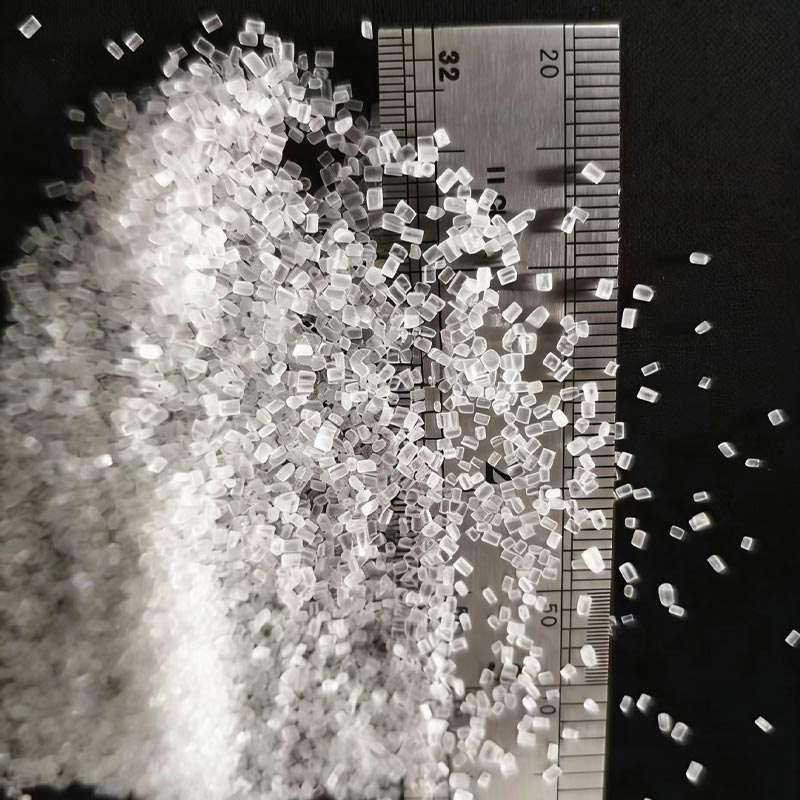
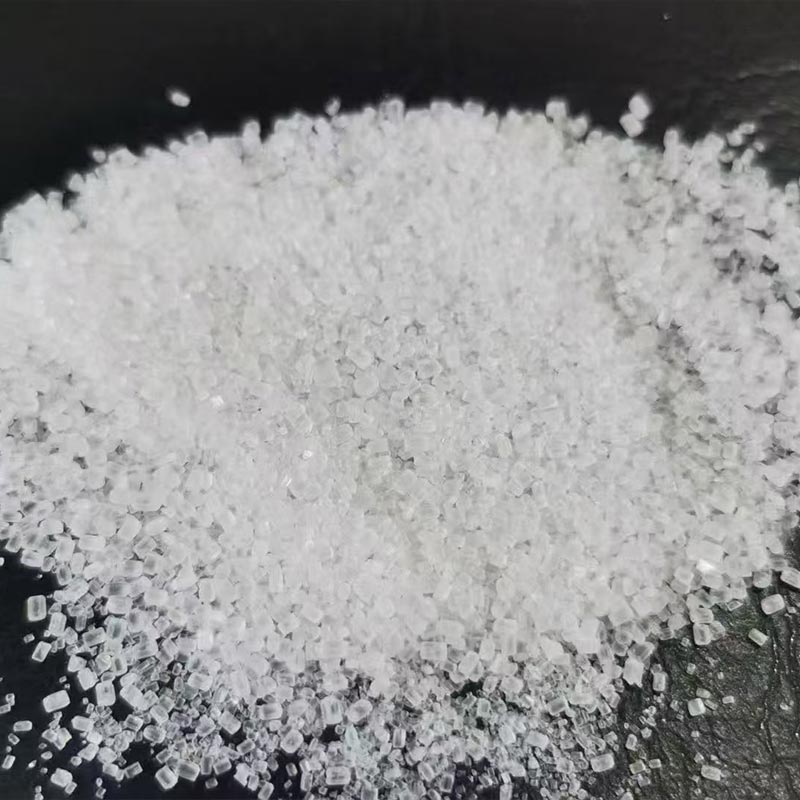
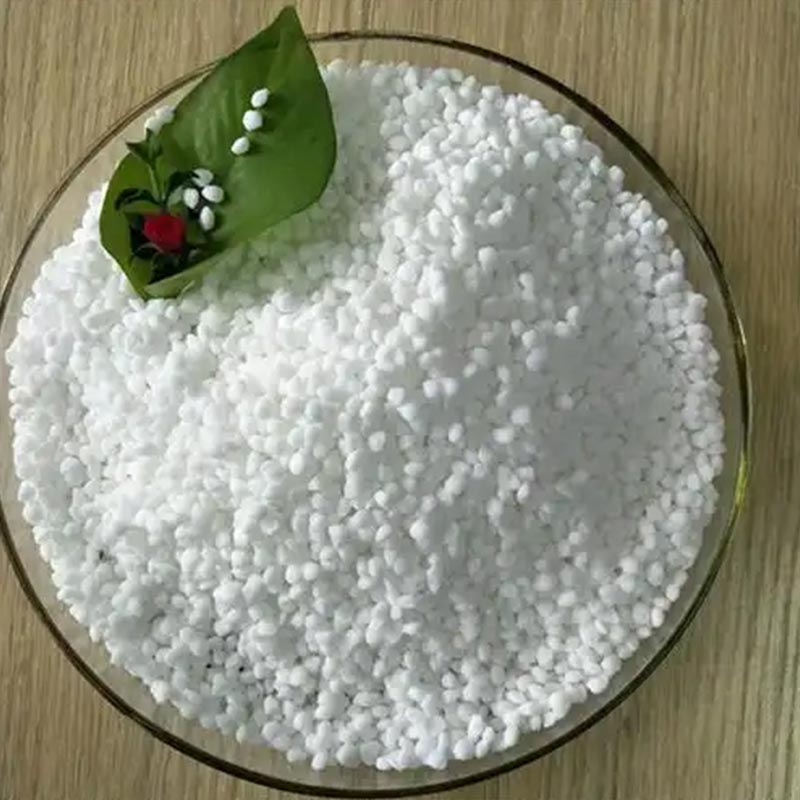
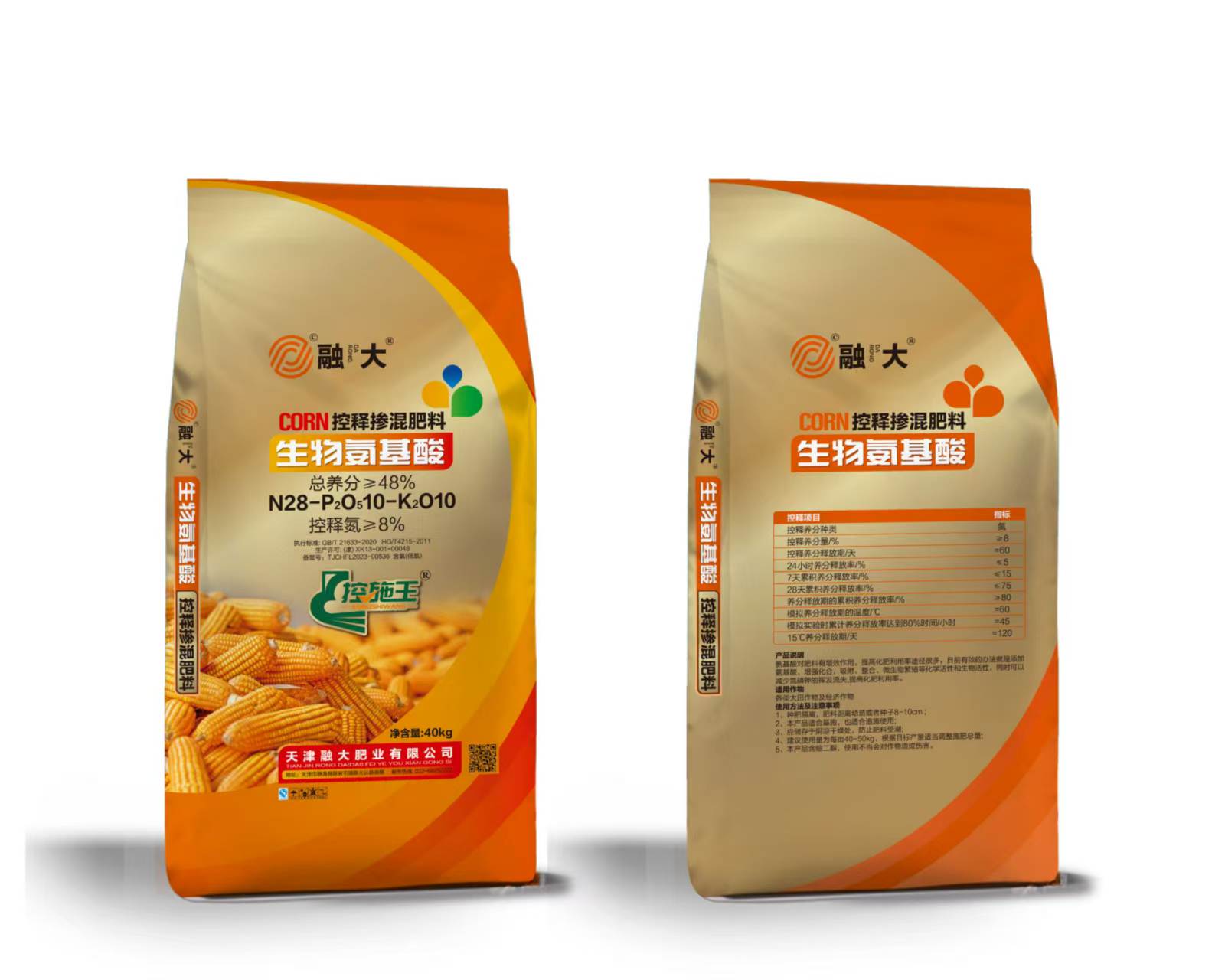
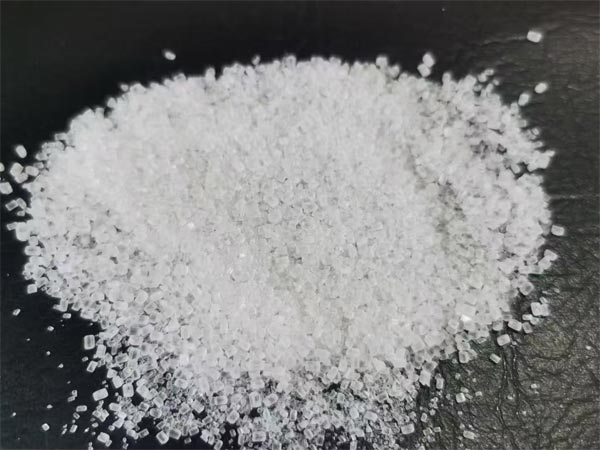
Ammonium sulfate, with the chemical formula (NH₄)₂SO₄, is a high-efficiency quick-acting fertilizer containing about 21% nitrogen and 24% sulfur, serving as a dual-nutrient fertilizer for both nitrogen and sulfur supplementation. It is highly soluble in water, easy for crops to absorb directly, and shows obvious effects even at low temperatures, making it widely applied in agricultural production.
Its core efficacy lies in rapid nitrogen supply to promote crop vegetative growth. Nitrogen is a key component of chlorophyll and plant proteins. Ammonium sulfate provides available ammonium nitrogen that crops can absorb immediately, effectively boosting chlorophyll synthesis and photosynthesis. This makes crop leaves dark green and sturdy, strengthens stems and branches, and lays a solid foundation for high yields. It is especially suitable for leafy vegetables, rice, wheat, corn and other crops needing quick nitrogen supplement, and also works as topdressing for fruit trees during the fruit expansion period to support nutrient accumulation.
Meanwhile, ammonium sulfate supplies sulfur synchronously, which is crucial for improving crop quality and stress resistance. Sulfur is an essential element for synthesizing sulfur-containing amino acids, vitamins and key enzymes in crops. For sulfur-demanding crops like oil crops, alliums, cruciferous vegetables, it significantly increases oil and protein content, enhances flavor and commodity value. Sufficient sulfur also helps crops improve resistance to drought, cold and diseases.
In terms of soil adaptation, ammonium sulfate is a physiologically acidic fertilizer, ideal for alkaline and calcareous soils. It can neutralize soil alkalinity moderately, lower soil pH, and improve the solubility and availability of medium and trace elements such as phosphorus, iron and manganese, avoiding nutrient fixation. It is also applicable to acid-loving crops like blueberries, tea trees and strawberries for soil acid adjustment.
Notably, it should not be mixed with strong alkaline fertilizers to prevent nitrogen volatilization loss. For acidic soils, application amount must be controlled and combined with organic fertilizers or lime to avoid soil acidification aggravation. It is not suitable for saline-alkali soils to prevent worsening salinization. Reasonable application of ammonium sulfate can maximize yield increase and quality improvement while protecting soil health.
We use cookies to offer you a better browsing experience, analyze site traffic and personalize content. By using this site, you agree to our use of cookies.Privacy Policy