
Industry News
 22 2026-10
 Which Magnesium Sulfate Fits Your Ground?
Magnesium sulfate comes in two hydrations - kieserite, the one-water mineral at about 27% MgO, and Epsom salt, the seven-water crystal at about 16% MgO. Same nutrient, different economics, solubility and jobs. This article matches each form to soil type and delivery route, and shows where the cheap-looking choice quietly costs more per kilogram of magnesium.
 21 2026-10
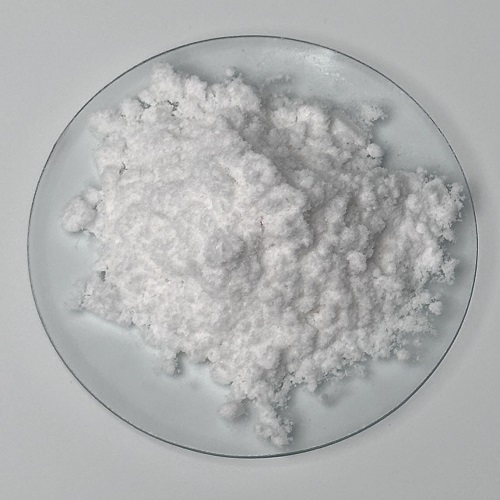
 Can Foliar Spraying Magnesium Sulfate During Fruit Expansion Improve Fruit Sweetness?
The fruit expansion stage is critical to fruit size, taste and sweetness. Many growers apply foliar Magnesium Sulfate to supplement magnesium. Is foliar Magnesium Sulfate able to boost fruit sweetness? In this article, RONGDA explains the function of magnesium for fruit trees, shares proper application tips of Magnesium Sulfate during fruit expansion, and lists common fertilization mistakes to help orchards supplement magnesium scientifically, improve photosynthesis and fruit quality.
 20 2026-10
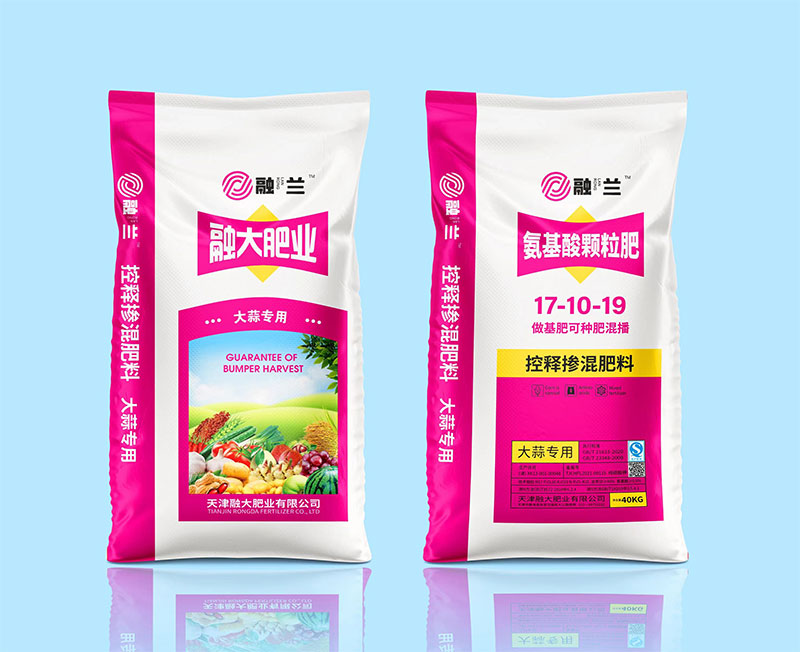
 How Do You Judge a Blended Fertilizer Before You Buy It?
A BB blend is only as good as its weakest habit: mismatched granule sizes that segregate in the spreader, raw materials that drink moisture and cake, and an analysis printed on the bag that the field never receives. This article turns blend quality into five checkpoints you can run with a sieve, a scale and ten minutes - before the bag goes on the truck.
 19 2026-10
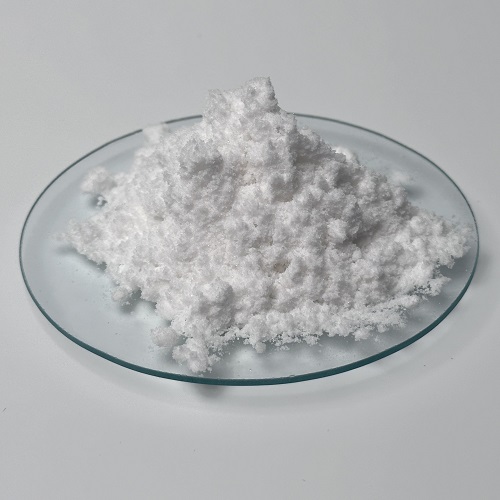
 Magnesium Deficiency & Premature Aging in Greenhouse Vegetables: Soil Drench vs Foliar Spray of Magnesium Sulfate
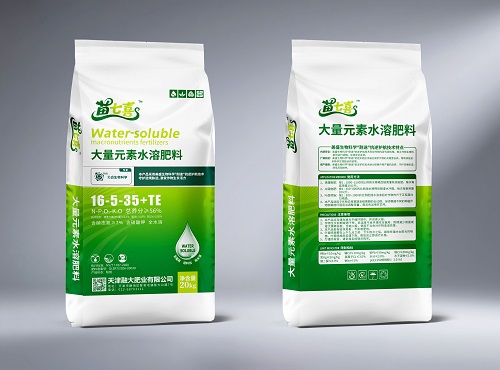
Closed greenhouse conditions, continuous cropping and excessive potassium fertilizer often lead to magnesium shortage in soil. Magnesium deficiency damages chlorophyll synthesis, causes yellowing of old lower leaves, reduces photosynthesis and triggers premature aging, which seriously cuts down crop yield and quality. Many greenhouse growers wonder whether Magnesium Sulfate should be applied by soil drench or foliar spray. Based on numerous greenhouse field trials, RONGDA compares these two application methods and shares professional fertilization suggestions.
 17 2026-10
 Which Water-Soluble NPK Formula Fits Each Growth Stage?
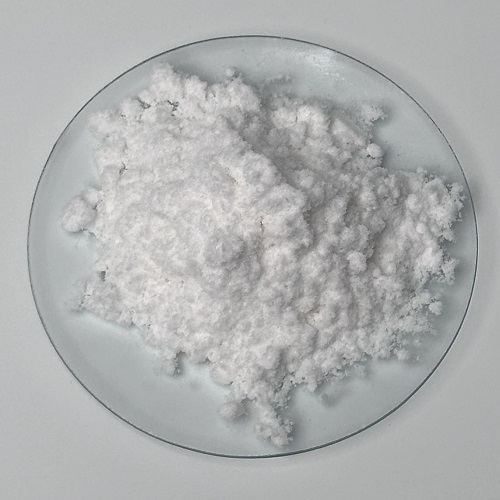
A water-soluble shelf offers balanced, high-nitrogen, high-phosphorus and high-potassium formulas - and the wrong formula at the wrong stage wastes money in the cleanest possible form. This article matches the common NPK families to growth stages, explains how to read the label beyond the three numbers, and sets the dosing rhythm that ties them together.
 16 2026-10
 What is the difference between Magnesium Sulfate and Calcium Magnesium Granules? When to Use Them Together?
Magnesium is an essential nutrient for crop chlorophyll synthesis. The combined supply of calcium and magnesium plays a vital role in soil improvement and crop quality improvement. Many farmers and fertilizer buyers often confuse Magnesium Sulfate and Calcium Magnesium Granules. They are unsure of their nutrient features, application scenarios and proper mixing methods. Drawing on years of fertilizer export and field practice experience, RONGDA explains the differences between these two products and shares practical application tips.