Microbial Fertilizers: Products containing specific live microorganisms, applied in agricultural production. Through the life activities of these microorganisms, they increase the supply of plant nutrients or promote plant growth, increase yield, improve the quality of agricultural products, and improve the agricultural ecological environment. Microbial fertilizers include microbial inoculants (agricultural microbial agents), compound microbial fertilizers, and bio-organic fertilizers.
1. Agricultural Microbial Agents: Live microbial preparations processed from target microorganisms (effective bacteria) after industrial production and multiplication. They have the functions of directly or indirectly improving soil, restoring soil fertility, maintaining the balance of rhizosphere microbial flora, and degrading toxic and harmful substances. Applied in agricultural production, they increase the supply of plant nutrients or promote plant growth, improve the quality of agricultural products, and improve the agricultural ecological environment through the life activities of the microorganisms they contain.
2. Compound Microbial Fertilizers: Live microbial products formed by combining target microorganisms, after industrial production and multiplication, with nutrients.
3. Bio-organic Fertilizers: A type of fertilizer that combines specific functional microorganisms with organic materials mainly derived from animal and plant residues (such as livestock manure, crop straw, etc.), which have been harmlessly treated and composted. They possess both the effects of microbial fertilizers and organic fertilizers.
Differences between Microbial Inoculants and Microbial Fertilizers
Microbial inoculant is an abbreviation for agricultural microbial agent. The corresponding standard is "Agricultural Microbial Inoculants" (i.e., microbial inoculants). It refers to a live preparation formed by one or more target microorganisms after industrial production and multiplication, used directly or adsorbed onto a carrier that facilitates the survival of the culture. It is one type of microbial fertilizer.
Microbial fertilizer is a common term used by farmers and some distributors for microbial fertilizers. It refers to a product containing live microorganisms, formed by combining target microorganisms after industrial production and multiplication with nutrients. It is applied in larger quantities per unit area. Currently, it can be divided into compound microbial fertilizers, bio-organic fertilizers, and agricultural microbial agents, thus encompassing microbial inoculants.
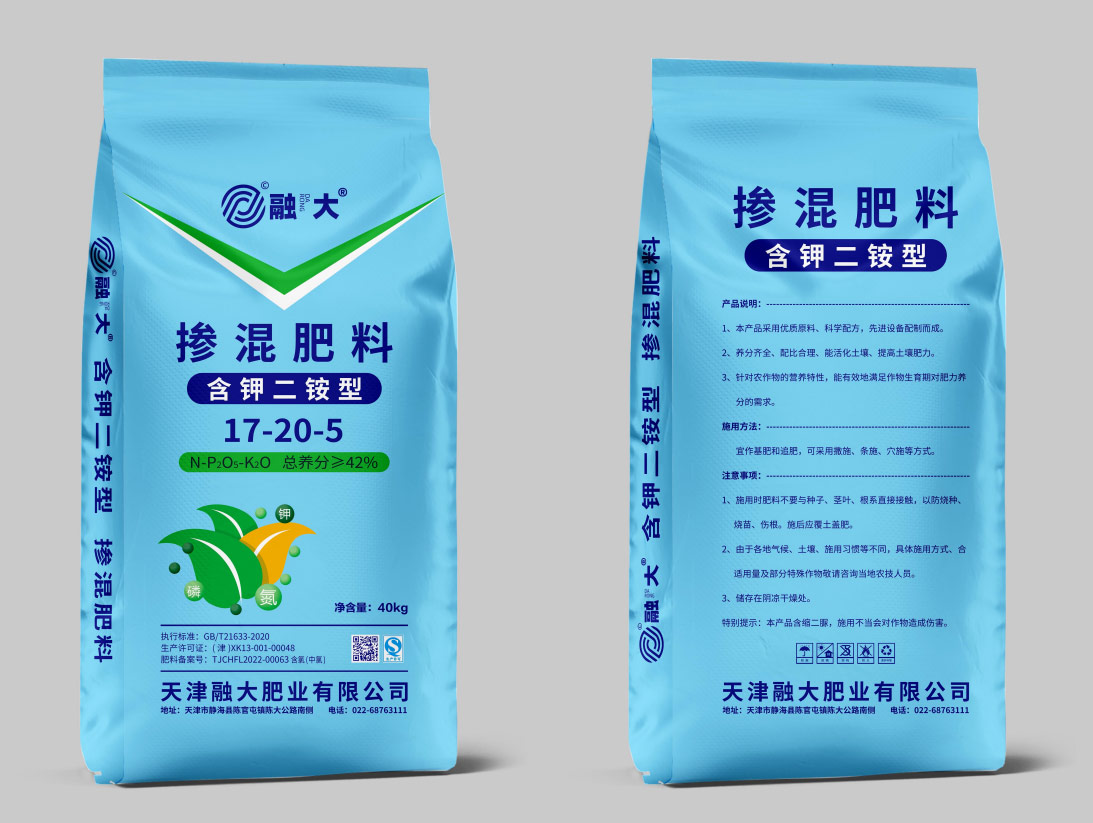
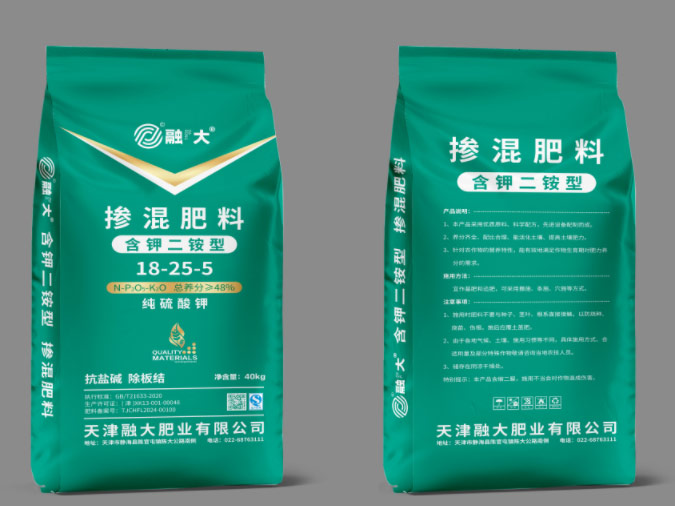
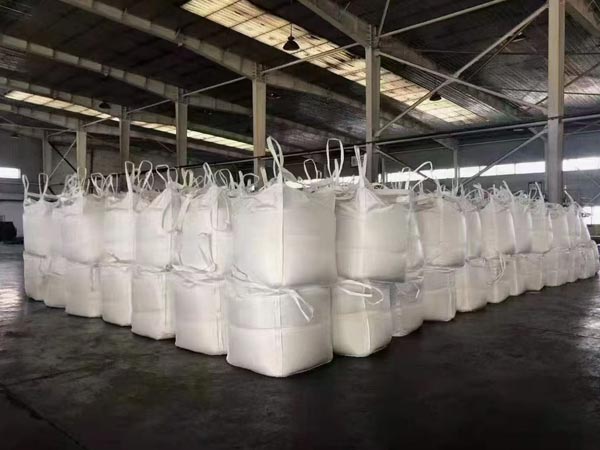
Microbial fertilizers are generally packaged in larger sizes, mostly 40kg, but also 25kg and 50kg packages. The application rate per mu (0.067 hectares) is generally large. Based on the current average organic matter content of about 1.0% in soils across the country, fruit trees generally require 200-500 kg. The current market price of large-scale microbial fertilizers is mainly concentrated between 2000 and 3000, and they are gradually becoming the mainstream fertilizers in the market. Generally, the application rate of compound microbial fertilizers and bio-organic fertilizers exceeds 200 kg per mu, while agricultural microbial inoculants have a lower application rate per unit area, typically 2-5 kg per mu. Agricultural microbial inoculants are generally referred to as inoculants, which are considered small fertilizers or additives. Compound microbial fertilizers and bio-organic fertilizers are referred to as microbial fertilizers, which are considered large fertilizers.
Relationship between Microbial Inoculants and Microbial Fertilizers
In national standard setting, microbial inoculants are a type of microbial fertilizer. Among the 152 registered microbial strains in microbial inoculant products, the top 10 most frequently used strains are: *Bacillus subtilis*, *Paenibacillus polymyxa*, *Bacillus licheniformis*, *Bacillus megaterium*, *Bacillus amyloliquefaciens*, *Saccharomyces cerevisiae*, *Paenibacillus macerans*, *Streptomyces griseus*, *Lactobacillus plantarum*, and *Aspergillus niger*, with *Bacillus* species accounting for 75%.
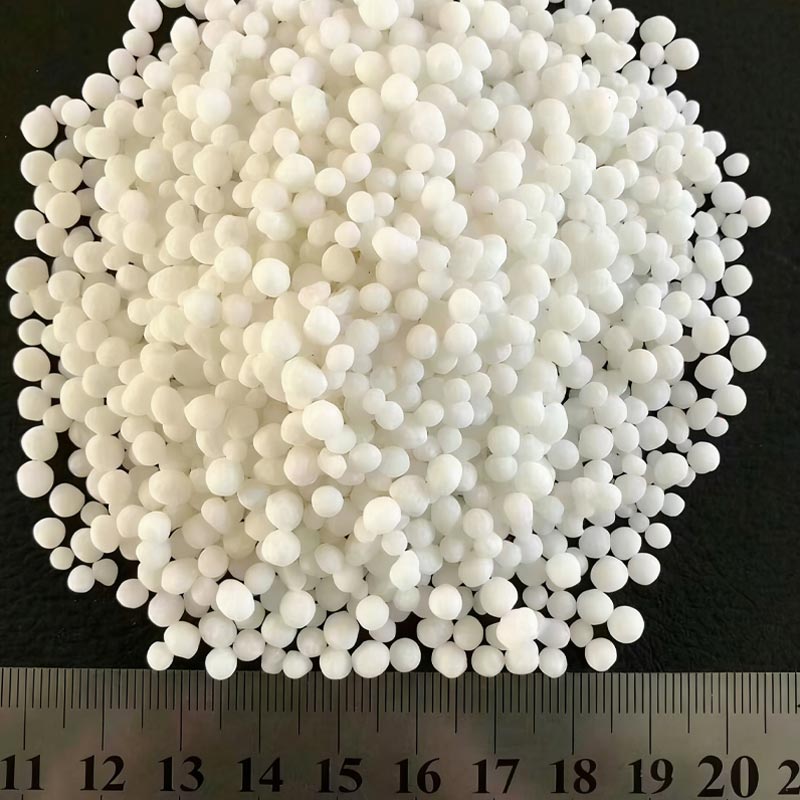
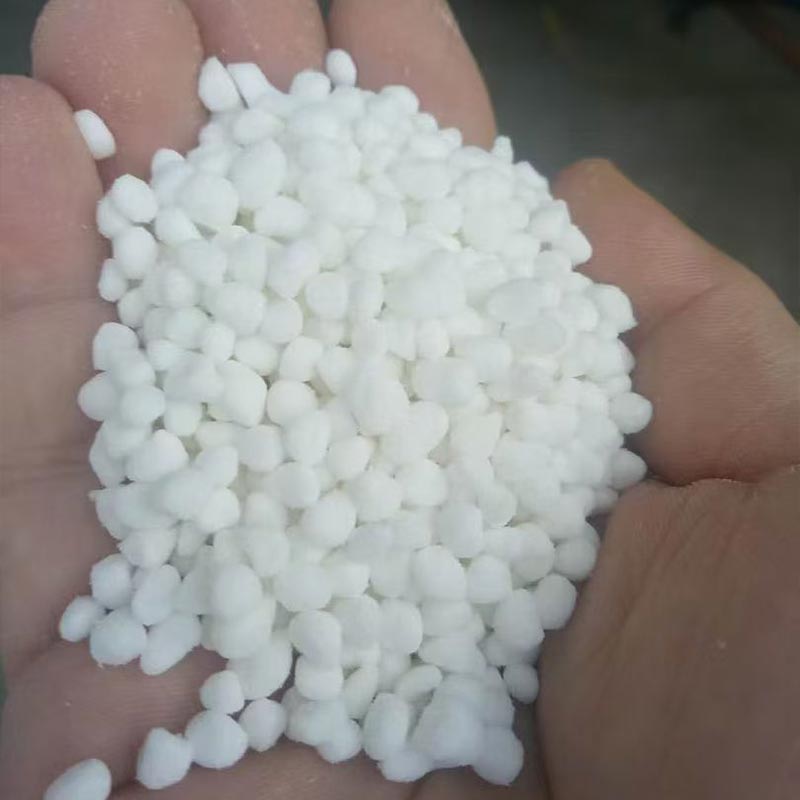
Currently, in market promotion, microbial inoculants are classified according to the types or functional characteristics of the microorganisms they contain: rhizobium inoculants, nitrogen-fixing bacteria inoculants, phosphorus-solubilizing microbial inoculants, silicate microbial inoculants, photosynthetic bacteria inoculants, organic matter decomposers, growth-promoting inoculants, mycorrhizal inoculants, and bioremediation inoculants; the dosage forms are mainly liquid, but also include powder and granular forms.
Depending on different regions and crops, microbial inoculants are mostly used in four ways:
1. As base fertilizer: 2 kg per mu, evenly spread during plowing.
2. As top dressing: 1-2 kg per mu.
3. For drip irrigation and flushing: the clear liquid is used with conventional fertilizers for irrigation, and the residue is used as base fertilizer to improve the soil.
4. As seed fertilizer: an appropriate amount is mixed with seeds and used according to conventional seedling or sowing methods.
We use cookies to offer you a better browsing experience, analyze site traffic and personalize content. By using this site, you agree to our use of cookies.Privacy Policy