
How Does Ammonium Sulfate Fertilizer Function and Which Crops Benefit Most?
In modern agriculture and gardening, ammonium sulfate has long stood as one of the most trusted and widely used nitrogen-based fertilizers. Affordable, fast-dissolving, and rich in both nitrogen and sulfur, this compound plays a vital role in boosting crop yields and improving soil health. This article provides a comprehensive overview of ammonium sulfate — its chemical properties, the crops that respond best to it, and the proper application techniques to maximize your harvest.

Table of Contents
What Exactly Is Ammonium Sulfate?
Key Properties of Ammonium Sulfate
Which Crops Benefit Most from Ammonium Sulfate?
How to Apply Ammonium Sulfate Correctly?
What Exactly Is Ammonium Sulfate?
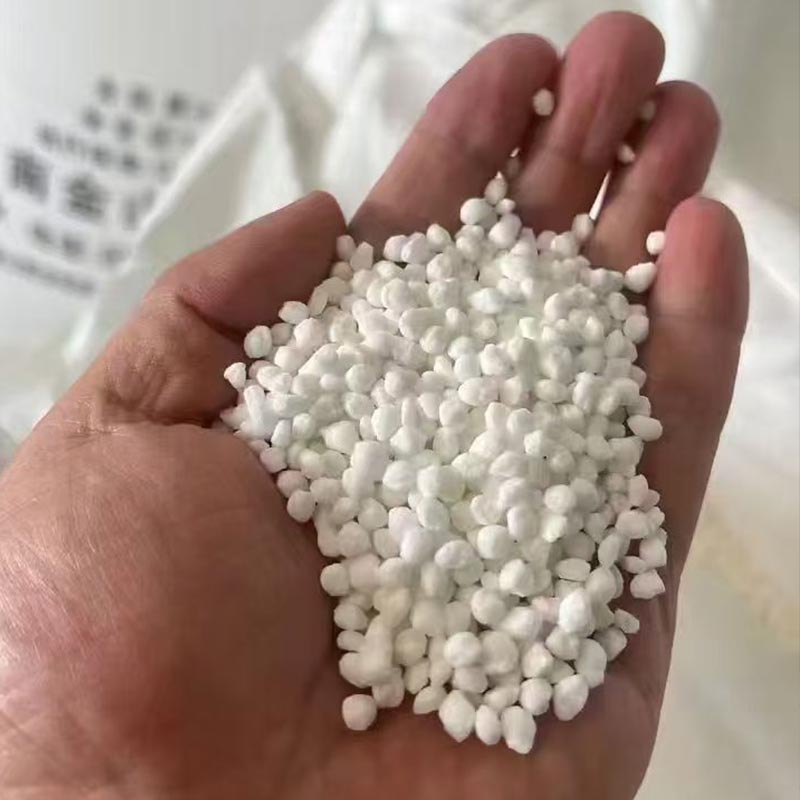
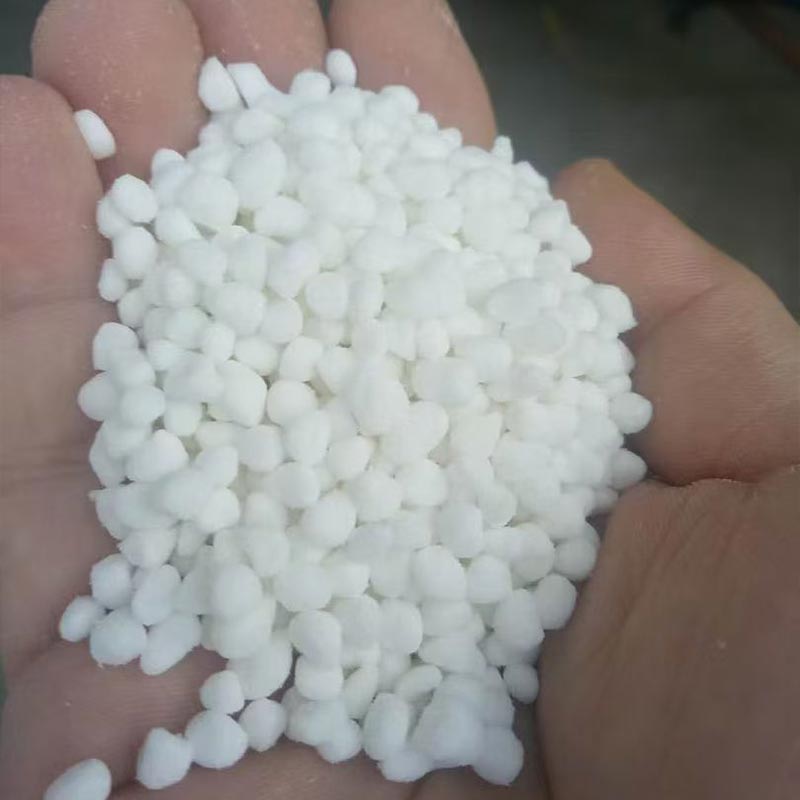
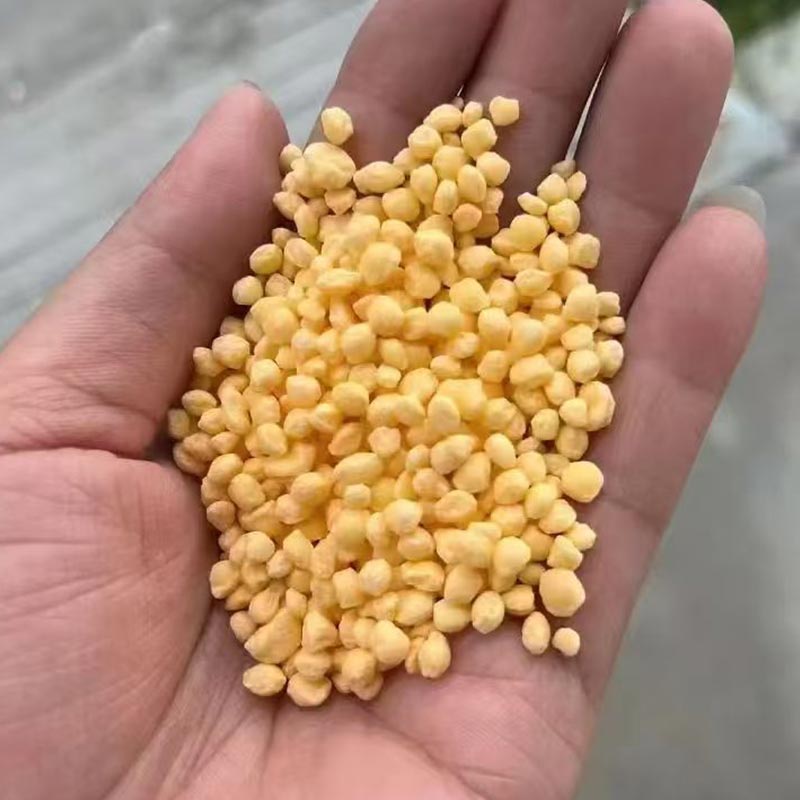
Ammonium sulfate, with the chemical formula (NH₄)₂SO₄, is an inorganic crystalline salt composed of approximately 21% ammonium nitrogen and about 60% sulfur trioxide (SO₃). It appears as white to light-gray crystals or granules and dissolves readily in water — a property that makes it highly suitable for both fertigation and foliar feeding applications.
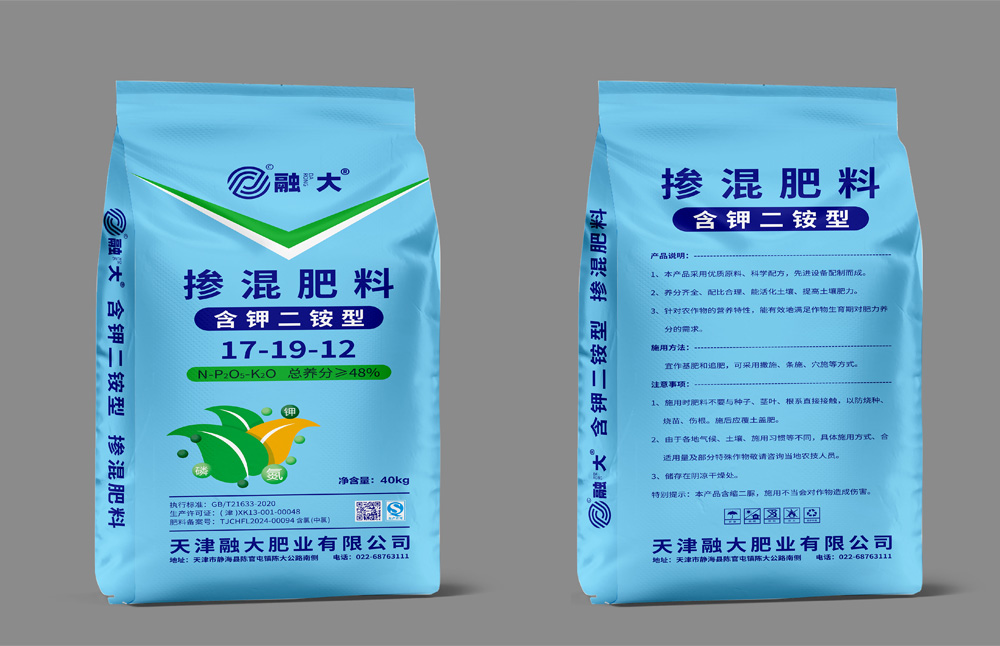
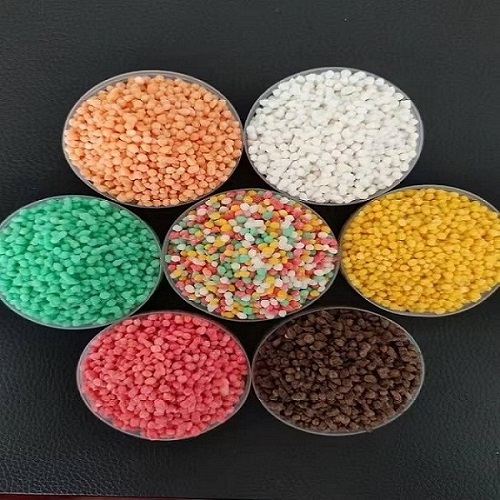
Commercial ammonium sulfate fertilizer products come in three primary forms: granular (ideal for mechanical broadcasting and banding), crystalline (best dissolved for irrigation systems), and soluble powder (convenient for foliar spray preparation). While it is extensively used in conventional farming, it is important to note that ammonium sulfate is not approved for certified organic agriculture. Additionally, farmers should be mindful of ammonia volatilization regulations, as released ammonia can form fine particulate matter that affects air quality.
Key Properties of Ammonium Sulfate
Understanding the core characteristics of ammonium sulfate helps growers make informed decisions based on soil conditions and crop requirements:
● Appearance: Colorless to grayish-white crystals with uniform particle size
● Purity: Industrial-grade purity typically exceeds 98%, with agricultural grades also under strict quality control
● Sulfur Supply: Delivers essential sulfur to the soil, which is particularly valuable in sulfur-deficient regions
● Nitrogen Delivery: Provides nitrogen in ammonium form, which is less prone to leaching during heavy rainfall compared to nitrate nitrogen
● Compost Activator: Acts as a compost accelerator, speeding up the decomposition of organic matter
● Foliar Application: Can be dissolved and sprayed directly onto plant leaves for rapid nutrient uptake
● Water Hardness: Helps adjust irrigation water hardness, improving overall irrigation efficiency
Which Crops Benefit Most from Ammonium Sulfate?
Ammonium sulfate is especially effective at addressing sulfur deficiency in crops such as oilseed rape and potatoes. Below is a practical list of crops that have shown measurable improvements:
Field & Cash Crops: Sugarcane, rice, coffee, bananas, soybeans, citrus fruits, tea, and pineapples have all demonstrated significant yield and quality improvements after ammonium sulfate application.
Vegetables & Fruit Trees: For home gardeners and orchard managers, ammonium sulfate is equally valuable. In orchards, it promotes vigorous vegetative growth and flower bud differentiation; in vegetable gardens, it significantly boosts the yield of potatoes, radishes, and cabbages.
Soil Amendment Benefits: As a physiologically acidic fertilizer, ammonium sulfate is particularly effective for improving calcareous and alkaline soils. It effectively lowers soil pH, enhances nutrient availability, and serves as an economical soil amendment option.
Winter Crop Recommendations: During winter or early spring, applying ammonium sulfate to grapevines, almond trees, and other fruit trees helps store sufficient nutrients for the upcoming growing season.
How to Apply Ammonium Sulfate Correctly?
Proper application of ammonium sulfate requires attention to dosage and timing. Over-application not only wastes fertilizer but can also cause excessive vegetative growth, flower drop, and fruit loss. Here are the key principles:
▸ Dosage Control: Always follow the product label or agronomist recommendations. For spring top-dressing, approximately 45 grams per square meter is sufficient to stimulate plant growth for several weeks. Avoid adding extra amounts blindly.
▸ Application Timing: Apply before the crop's peak growth period. As a basal fertilizer, incorporate it into the soil before sowing or transplanting. For top-dressing, apply during critical growth stages.
▸ Application Methods: Options include banding, hole application, broadcasting, or dissolving for irrigation. For foliar spraying, keep the concentration between 0.5% and 2% to prevent leaf burn.
▸ Combined Application: Ammonium sulfate works best when combined with organic fertilizers or other nutrient sources, improving both fertilizer use efficiency and soil physical-chemical properties.
Safety Precautions
Although ammonium sulfate is classified as a low-toxicity fertilizer, the following safety measures should be observed during handling:
· Wear protective goggles and a dust mask during application to prevent eye and respiratory irritation.
· Thoroughly wash your hands and any exposed skin with soap and water after handling the fertilizer.
· Store ammonium sulfate in a cool, dry place out of reach of children and pets.
· Avoid storing near strong alkaline substances to prevent chemical reactions that reduce fertilizer efficacy.
Conclusion
Ammonium sulfate remains a time-tested and highly effective agricultural fertilizer with unique advantages in crop yield enhancement and soil improvement. By following proper application methods and safety protocols, both large-scale farms and home gardens can achieve substantial returns from ammonium sulfate fertilizer.
If you are looking for a reliable supplier of ammonium sulphate for agricultural use, offering consistent quality and expert support, Tianjin Rongda Fertilizer Co., Ltd. is on hand to assist you. Contact us today to find out how our fertiliser solutions can boost your agricultural productivity.
Related News
- Which Magnesium Sulfate Fits Your Ground?
- Can Foliar Spraying Magnesium Sulfate During Fruit Expansion Improve Fruit Sweetness?
- How Do You Judge a Blended Fertilizer Before You Buy It?
- Magnesium Deficiency & Premature Aging in Greenhouse Vegetables: Soil Drench vs Foliar Spray of Magnesium Sulfate
- Which Water-Soluble NPK Formula Fits Each Growth Stage?
- What is the difference between Magnesium Sulfate and Calcium Magnesium Granules? When to Use Them Together?
Leave me a message