
Bio-Amino Acid Controlled-Release Blended Fertilizer: How to Extend Nutrient Release Cycles
Article Abstract
Bio-amino acid controlled-release blended fertilizer is an essential long-acting fertilizer for modern sustainable agriculture. This article introduces its production process, slow-release principles, applicable scenarios and core advantages, and explains why RONGDA’s high-quality blended fertilizer is widely recognized by large-scale farms worldwide.

Table of Contents
· Overview of Bio-Amino Acid Controlled-Release Blended Fertilizer
· Integrated Blending Production Process
· Core Slow-Release Properties and Characteristics
· Agricultural Application Scenarios for Extending Nutrient Cycles
· Storage and Field Application Guidelines
· Advantages of Choosing RONGDA Bio-Amino Acid Controlled-Release Blended Fertilizer
· Frequently Asked Questions (FAQ)
Overview of Bio-Amino Acid Controlled-Release Blended Fertilizer
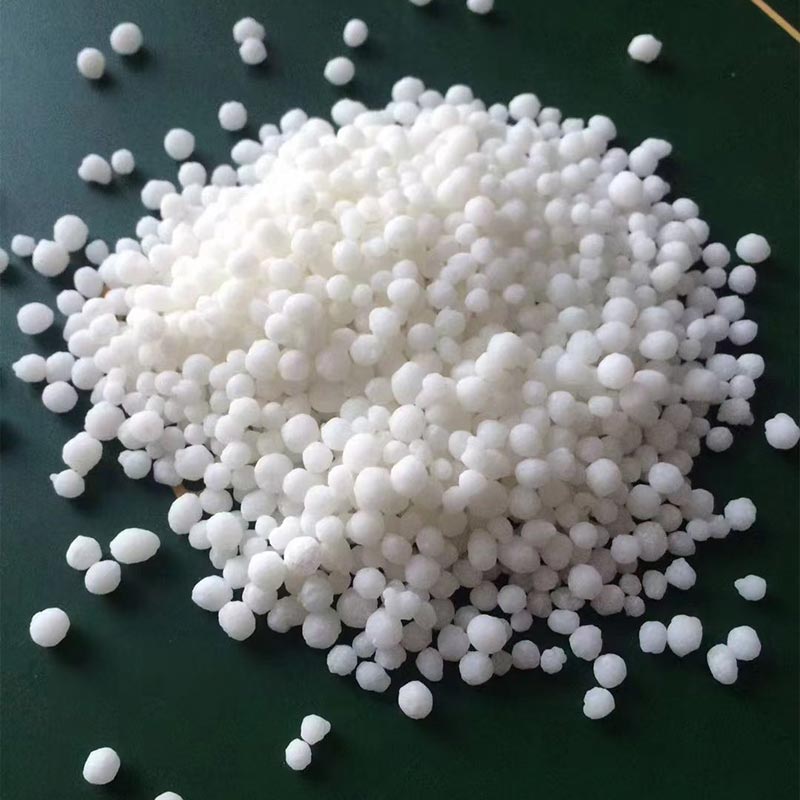
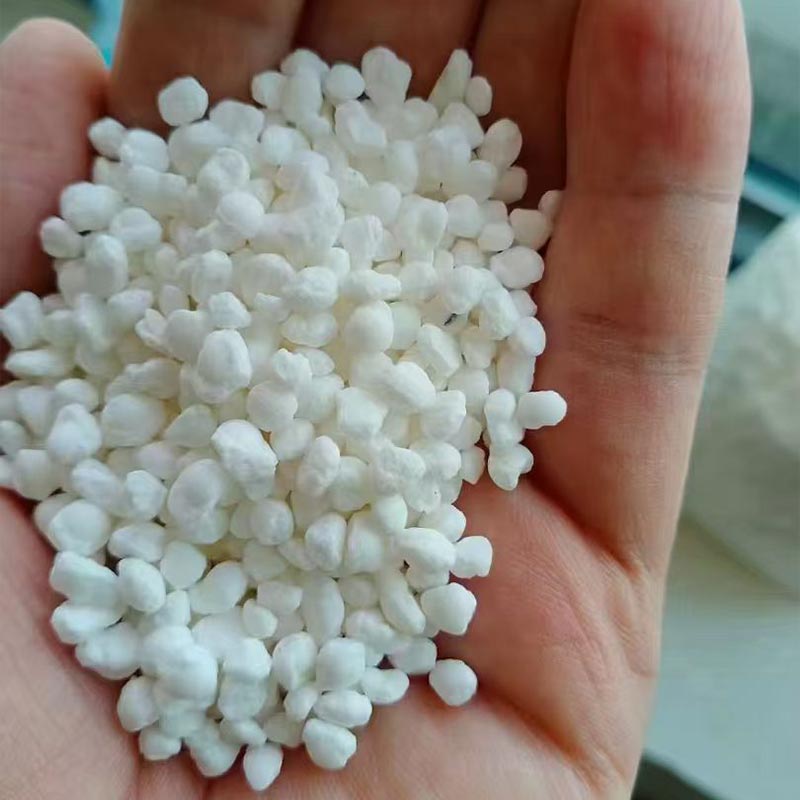
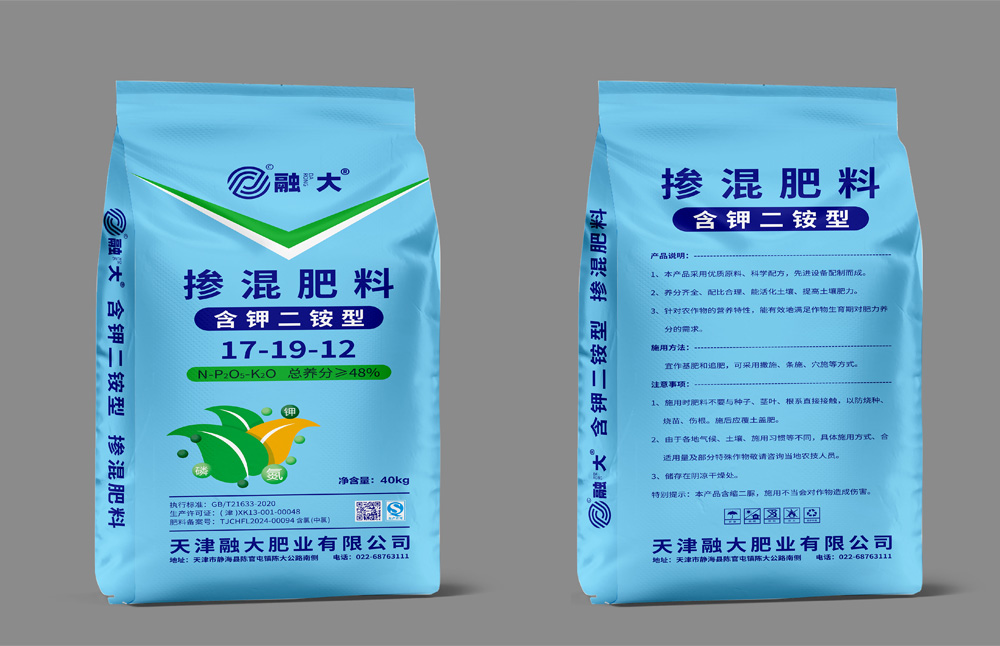
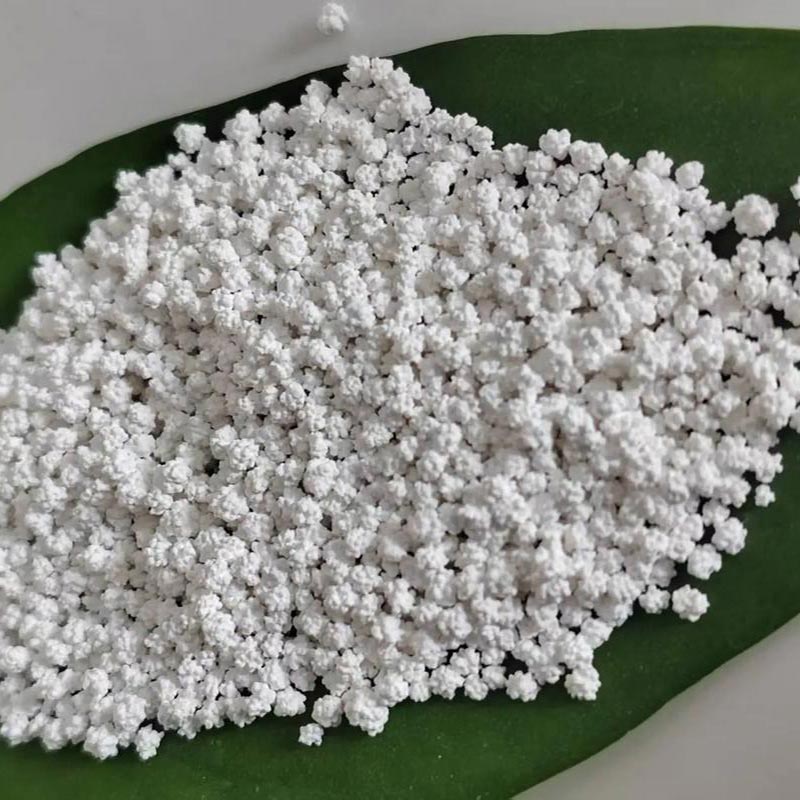
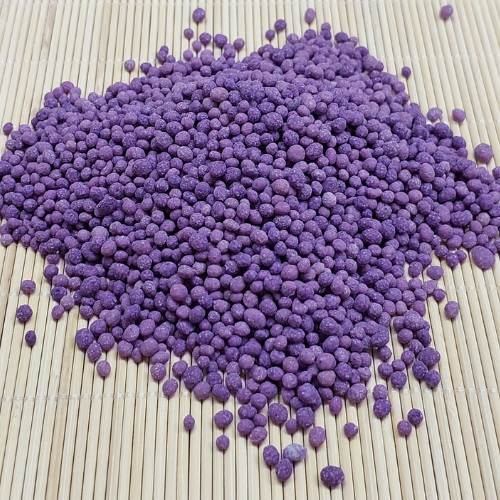
This product belongs to the amino acid series of blended fertilizers and serves as a long-acting base fertilizer for sustainable agriculture. Adopting multi-layer coating and bio-amino acid chelation technologies, it effectively extends the nutrient release cycle and solves problems such as rapid nutrient loss and late-stage nutrient deficiency in crops caused by traditional fertilizers. RONGDA develops standardized products through university-enterprise joint R&D, which are suitable for farmlands, orchards and all types of soil around the world.
Integrated Blending Production Process
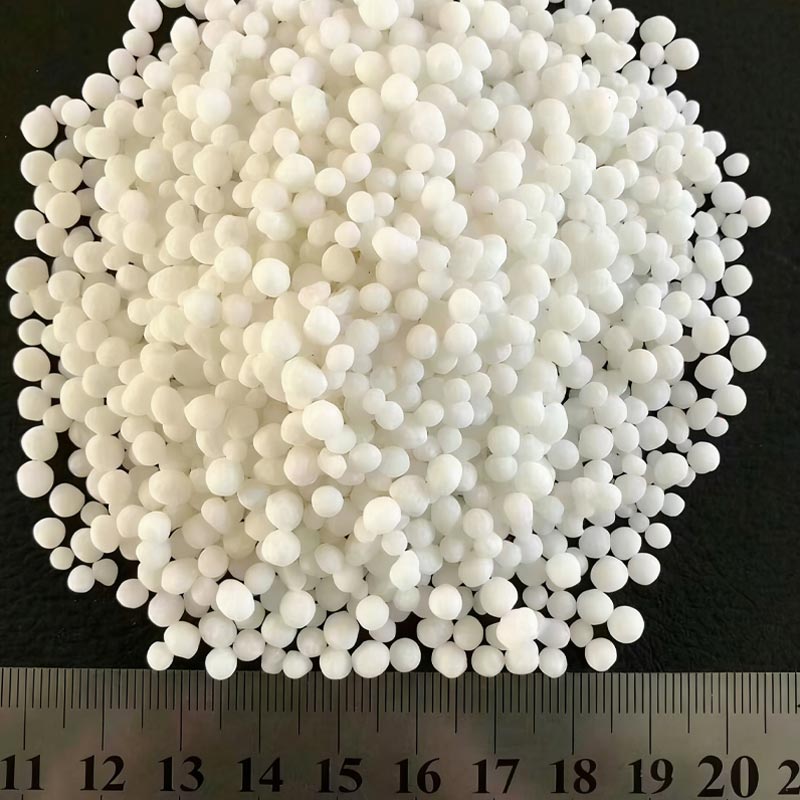
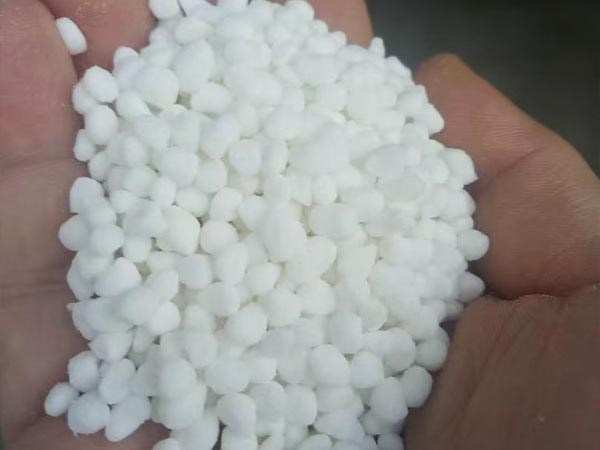
RONGDA adopts a full-automatic constant-temperature blending production line to guarantee stable slow-release performance. The standardized procedures include raw material screening, organic coating of particles, uniform mixing with amino acids, low-temperature drying and strict quality inspection. This sophisticated process enables controllable nutrient release. The fertilizer features uniform particle size and consistent quality across batches, delivering stable long-term nutrient supply in paddy fields, sandy soil and saline-alkali land.
Core Slow-Release Properties and Characteristics
|
Feature |
Detailed Description |
|
Multi-layer Coating Structure |
Multi-layer slow-release films block water infiltration, allowing nutrients to precipitate gradually in stages and greatly prolong the nutrient supply period |
|
Amino Acid Chelating Carrier |
Free amino acids bind nitrogen, phosphorus, potassium and medium & trace elements, reducing soil fixation and nutrient loss to extend nutrient retention time |
|
Graded Particle Formula |
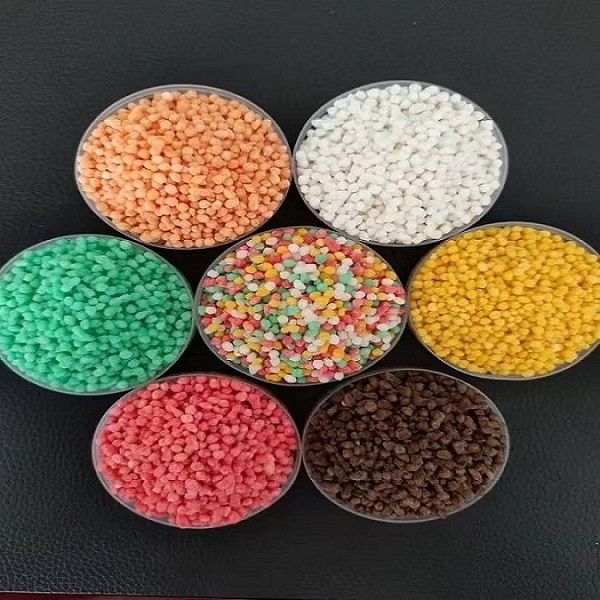
Scientific blending of fast and slow-release particles to match the full nutritional needs of crops at seedling, fruit expansion and maturity stages |
|
Stable Particle Structure |
Moderate hardness prevents breakage when buried deep in soil; its slow-release effect is barely affected by sunlight exposure or rain erosion |
|
Wide Soil Compatibility |
It can be used steadily in paddy fields, sandy soil, saline-alkali land and clay soil with long-lasting nutrient supply |
Agricultural Application Scenarios for Extending Nutrient Cycles
This fertilizer fits four mainstream planting modes. Applied once as base fertilizer for wheat, corn and rice, it cuts 2 to 3 rounds of topdressing and reduces nitrogen leaching loss. When used for tomatoes, melons and leafy vegetables, it supplies balanced nutrients to avoid seedling burn and improve fruit quality. Buried in orchards in autumn and winter, it provides nutrients all year round. Large farms can rely on one-time base fertilization for the whole growth cycle, drastically cutting labor costs.
Storage and Field Application Guidelines
Standardized storage and field operations are required to retain the slow-release effect: store the fertilizer in cool, dry and ventilated warehouses with sealed packages, and keep it separated from strong acid and alkaline fertilizers. Bury it 15 to 25 cm deep during soil preparation. Mix calcium ammonium nitrate with sandy soil to improve nutrient retention. Maintain proper irrigation and add thicker soil cover in arid plots to slow down coating decomposition.
Advantages of Choosing RONGDA Bio-Amino Acid Controlled-Release Blended Fertilizer
Supported by dual long-acting technologies, its nutrient release cycle reaches 60 to 120 days, far longer than ordinary blended fertilizers. Amino acid chelation reduces soil fixation of trace elements, providing nutrients matching crop growth without seedling burn in early stages or premature senescence in later stages. Long-term application improves compacted saline-alkali soil and lowers overall planting costs. RONGDA manufactures products in self-owned factories with consistent performance across all batches and stable global supply.
FAQ
Q1: What is the core difference between bio-amino acid controlled-release blended fertilizer and ordinary blended fertilizer?
A1: Ordinary blended fertilizers have no coating controlled-release or amino acid chelation technology. Their nutrients dissolve rapidly when exposed to water and most are lost within 15 days. RONGDA controlled-release blended fertilizerextends the release cycle via dual coating and amino acid technologies, delivering uniform nutrients for 2 to 4 months without nutrient shortage throughout the growth cycle.
Q2: Will waterlogged conditions in paddy rice fields shorten the nutrient release cycle?
A2: No. The product coating is designed to adapt to anaerobic paddy environments. It decomposes steadily under waterlogging, reliably meeting full-cycle nutrient demands for rice tillering and grain filling and reducing nitrogen denitrification loss in paddy soil.
Q3: How do amino acids help extend nutrient release cycles?
A3: Free amino acids form stable chelates with nitrogen, phosphorus, potassium, calcium, magnesium, zinc and other nutrients. They reduce adsorption and fixation by soil colloids, slow nutrient precipitation and deactivation, and extend the retention time of absorbable nutrients for crop roots.
Q4: Can this controlled-release blended fertilizer be mixed with ammonium chloride and ammonium sulfate?
A4: Yes. A small amount of fast-acting nitrogen fertilizers can be added for supplementary seedling nutrition, while the controlled-release blended fertilizer acts as the long-acting base, combining rapid seedling boosting and continuous long-term nutrient supply.
Q5: Can long-term use of this fertilizer improve soil quality?
A5: Yes. The fertilizer contains bio-amino acid organic matter that continuously raises soil organic matter levels, breaks up soil compaction, improves soil water and nutrient retention, and extends the soil’s natural nutrient storage cycle fundamentally.
Conclusion
Combining three core technologies — multi-layer coating physical controlled-release, amino acid chelation nutrient locking and graded particle blending, this fertilizer extends soil nutrient release cycles and solves planting troubles including crop premature senescence, severe nutrient loss and frequent topdressing. Suitable for rice, fruits, vegetables, grain crops and fruit trees, it integrates long-term nutrient supply, soil improvement, quality upgrade and cost reduction, making it the preferred controlled-release bulk blended fertilizer for simplified and sustainable cultivation on large-scale farms. Contact RONGDA for bulk purchasing solutions.
Related News
- How Do Controlled-Release Curves Match Crop Demand?
- Can Magnesium Sulfate Be Used in Saline-Alkali Soil? What Are the Risks of Long-Term Application?
- How Do You Turn a Soil Test into a Blend Sheet?
- How Does Applying Magnesium Sulfate After Grape Harvest Help Bud Burst in the Next Year?
- Which Magnesium Sulfate Fits Your Ground?
- Can Foliar Spraying Magnesium Sulfate During Fruit Expansion Improve Fruit Sweetness?
Leave me a message