
Ammonium Sulfate vs Urea: Where Are Its Advantages in Nitrogen Supply and Soil Conditioning for Acidic Soil
Article Summary Urea commonly causes severe soil acidification and poor nutrient uptake when used long-term on acidic land. Crystalline ammonium sulfate provides ammonium nitrogen and sulfur to feed crops while stabilizing soil pH. This article compares the two fertilizers and shares practical advice for growers managing acidic farmland.

Table of Contents
1. Overview of Crystalline Ammonium Sulfate
2. Drawbacks of Long-Term Urea Use on Acidic Soil
3. Core Advantages of Ammonium Sulfate
4. Crop Performance on Acidic Fields
5. Field Application Guidelines
6. Benefits of RONGDA Crystalline Ammonium Sulfate
Overview of Crystalline Ammonium Sulfate
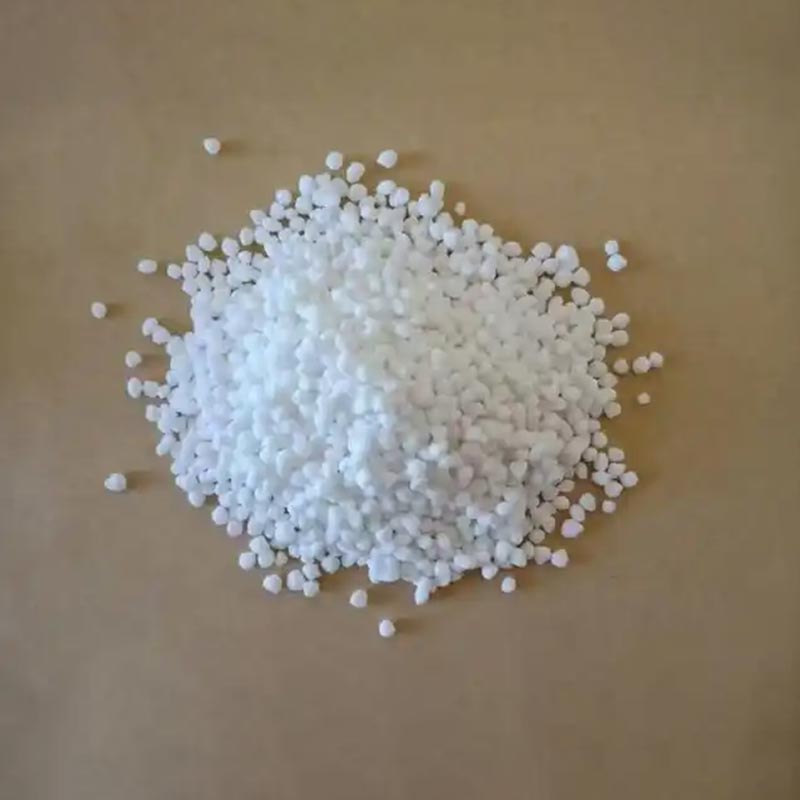
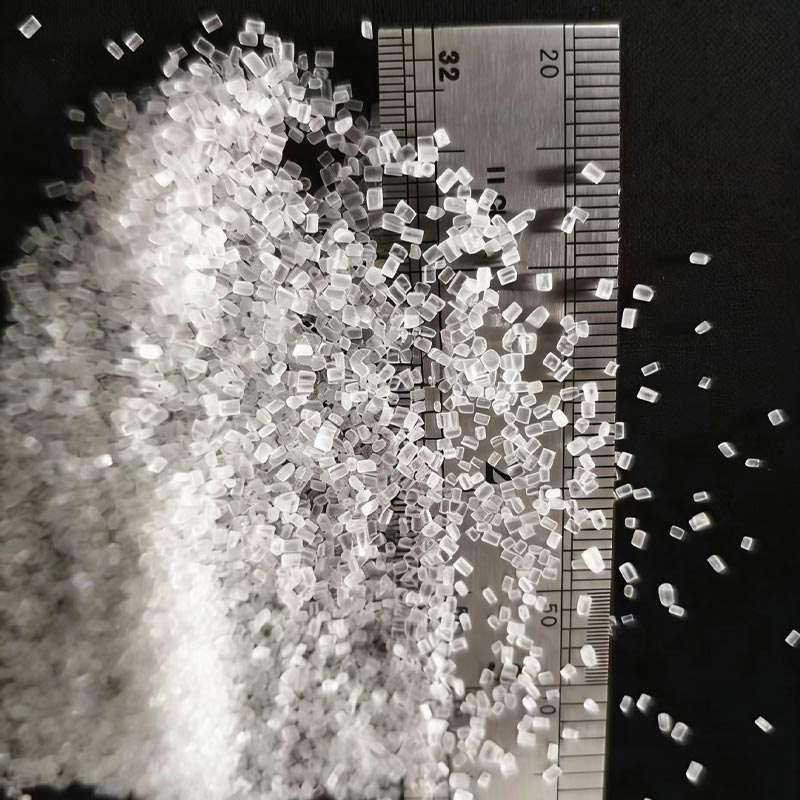
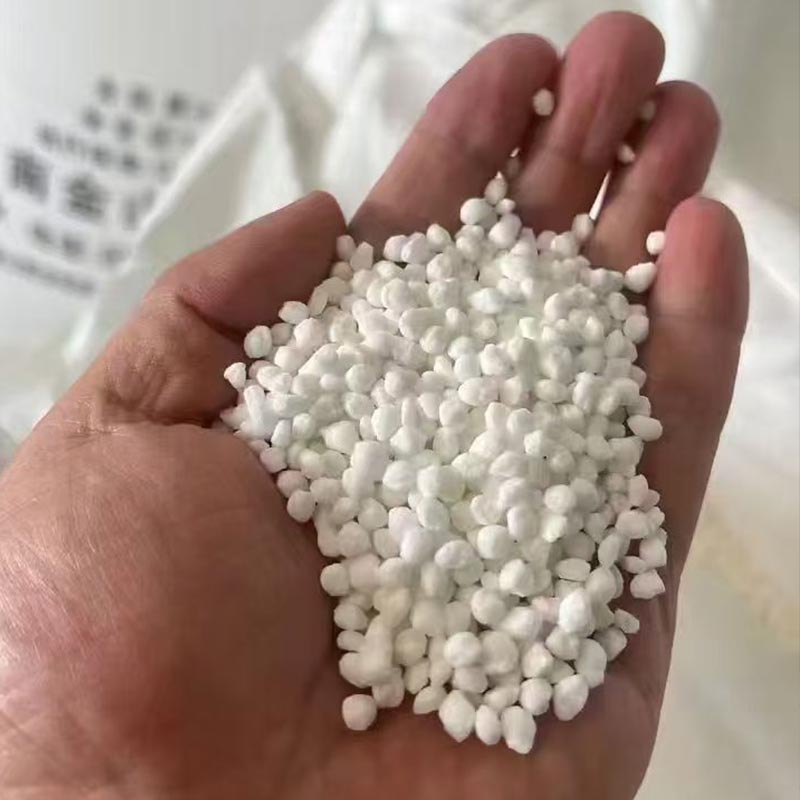
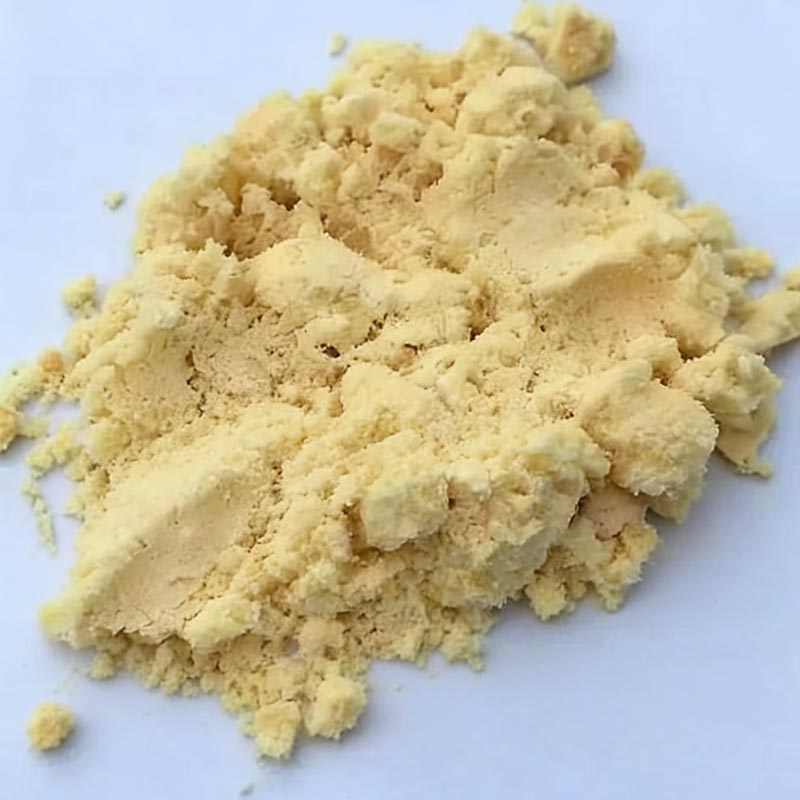
This high-purity crystalline fertilizer delivers both nitrogen and sulfur with good water solubility. RONGDA’s uniform low-impurity crystals suit drip irrigation, topdressing, and blending with calcium magnesium fertilizer, calcium ammonium nitrate and controlled-release blends for rice, vegetables and orchards on acidic soils.
Drawbacks of Long-Term Urea Use on Acidic Soil
Urea decomposes to release hydrogen ions, lowering soil pH and activating toxic aluminum and manganese that damage roots. Weak soil microbes slow nutrient conversion, pushing nitrogen utilization below 30%. Crops turn yellow and grow slowly, requiring extra soil conditioners and raising costs.
Core Advantages of Ammonium Sulfate
1. Directly available ammonium nitrogen for cold acidic soil
Urea depends on microbial breakdown, which stalls in cold acidic ground and causes heavy nitrogen volatilization. Ammonium sulfate’s ammonium ions are absorbed instantly by roots, cutting nutrient loss and boosting fertilizer efficiency under low-temperature acidic conditions.
2. Dual nitrogen-sulfur nutrition to fix leaf chlorosis
Urea only supplies nitrogen, leaving acidic soils deficient in sulfur needed for chlorophyll. Ammonium sulfate replenishes sulfur simultaneously, strengthening photosynthesis, eliminating yellow leaves and balancing trace element absorption to reduce physiological disorders.3. Mild acidification ideal for acid-loving crops
Tea, citrus and blueberries need weak acid soil. Urea steadily over-acidifies soil and burns roots. Ammonium sulfate adjusts pH gently to fit acid-loving crops, removing frequent lime applications and simplifying routine soil maintenance work.4. Clear solution suitable for fertigation and blending
Urea easily cakes and leaves sediment that clogs irrigation pipelines. RONGDA ammonium sulfate dissolves completely without residues. Its even crystals work well in drip systems and as a blending ingredient with amino acid and calcium magnesium fertilizers.5. Improves rhizosphere environment and crop stress resistance
Continuous urea use breeds harmful soil pathogens and worsens replant issues. Ammonium sulfate optimizes root zone microflora, restrains soil-borne diseases, stimulates robust root growth and strengthens crops against drought and disease-induced yield losses.
Crop Performance on Acidic Fields
Tea and blueberry fields produce greener leaves and more buds with stable soil pH. Citrus and apple trees recover from new shoot yellowing with sweeter, glossier fruits. Rice and corn show uniform tillering, less nitrogen leaching and higher 1000-grain weight.
Field Application Guidelines
Apply 10–18 kg per mu via furrow placement and soil covering to reduce ammonia escape. Mix with granular calcium magnesium fertilizer to buffer acidity. Compatible with amino acid controlled-release fertilizer as base fertilizer. Avoid mixing with lime or calcium magnesium phosphate.
Benefits of RONGDA Crystalline Ammonium Sulfate
High-purity, anti-caking uniform crystals fit mechanical spreading and factory blending. Balanced nitrogen-sulfur formula targets acidic soil for one-step nutrient supply. Fully soluble for drip irrigation. Standardized factory production ensures consistent quality and stable global supply.
Frequently Asked Questions (FAQ)
Q1: Is ammonium sulfate only suitable for acidic soil? Can it be used on neutral soil?
A1: It can be applied in small amounts on neutral soil to supplement sulfur. Long-term single use is not recommended for alkaline and saline-alkali land; mix with granular calcium magnesium fertilizer to balance soil pH.
Q2: Can ammonium sulfate be mixed and applied together with urea?
A2: Yes. Urea provides long-acting nitrogen while ammonium sulfate quickly supplements ammonium and sulfur, ideal for topdressing crops on acidic land. Cover soil right after mixing to reduce nutrient volatilization.
Q3: Will long-term use of ammonium sulfate make soil increasingly acidic?
A3: It acidifies soil far more gently than urea. Acid-loving crops can use it year-round. Regular matching with granular calcium magnesium fertilizer on common acidic soil maintains balanced soil pH.
Q4: Can crystalline ammonium sulfate be used in drip irrigation systems?
A4: Absolutely. It dissolves into clear liquid without residues and never blocks drippers or pipelines, making it the preferred nitrogen fertilizer raw material for water-fertilizer integration on acidic land.
Q5: Can chloride-sensitive crops use ammonium sulfate long-term?
A5: Yes. Free of chloride ions, it can be used throughout the whole growth cycle for grapes, strawberries, tobacco, fruit trees and other chloride-sensitive crops without chloride damage.
Conclusion
Long-term urea application on acidic soil causes acidification, nutrient loss and leaf yellowing. Ammonium sulfate supplies fast-acting ammonium nitrogen plus sulfur and mildly regulates soil pH, perfectly fitting tea, fruit and rice fields. RONGDA high-purity ammonium sulfate works alone or as a blending raw material, an ideal urea substitute for simplified fertilization. Contact us for bulk purchase and blending formulas to lift planting revenue.
Related News
- How Do Controlled-Release Curves Match Crop Demand?
- Can Magnesium Sulfate Be Used in Saline-Alkali Soil? What Are the Risks of Long-Term Application?
- How Do You Turn a Soil Test into a Blend Sheet?
- How Does Applying Magnesium Sulfate After Grape Harvest Help Bud Burst in the Next Year?
- Which Magnesium Sulfate Fits Your Ground?
- Can Foliar Spraying Magnesium Sulfate During Fruit Expansion Improve Fruit Sweetness?
Leave me a message