
Granular Calcium Ammonium Nitrate vs Ordinary Nitrogen Fertilizers: Where Are Its Advantages in Supplementing Nitrogen and Calcium
Overview of Granular Calcium Ammonium Nitrate
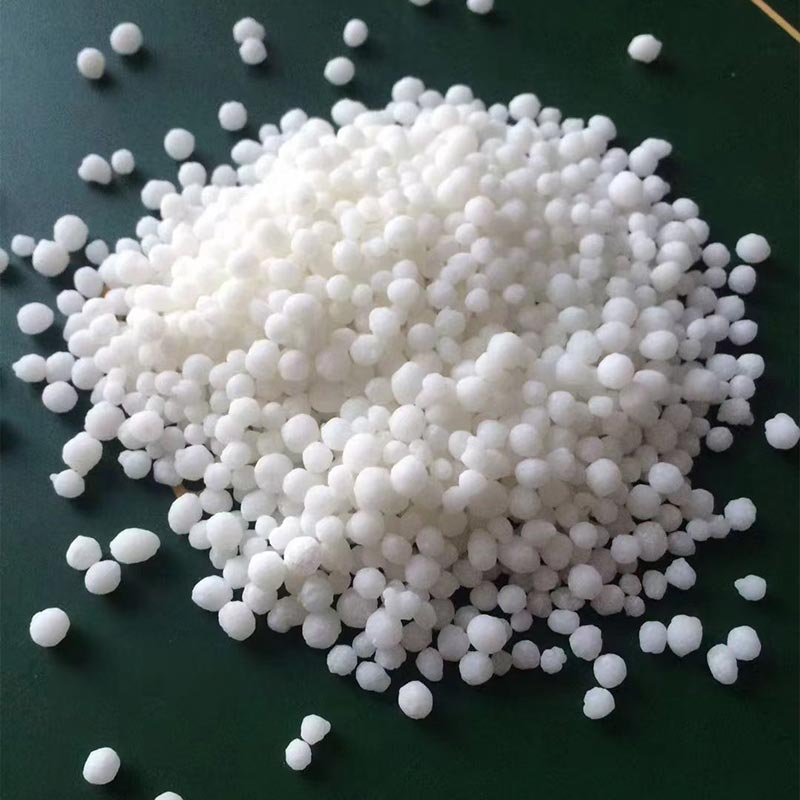
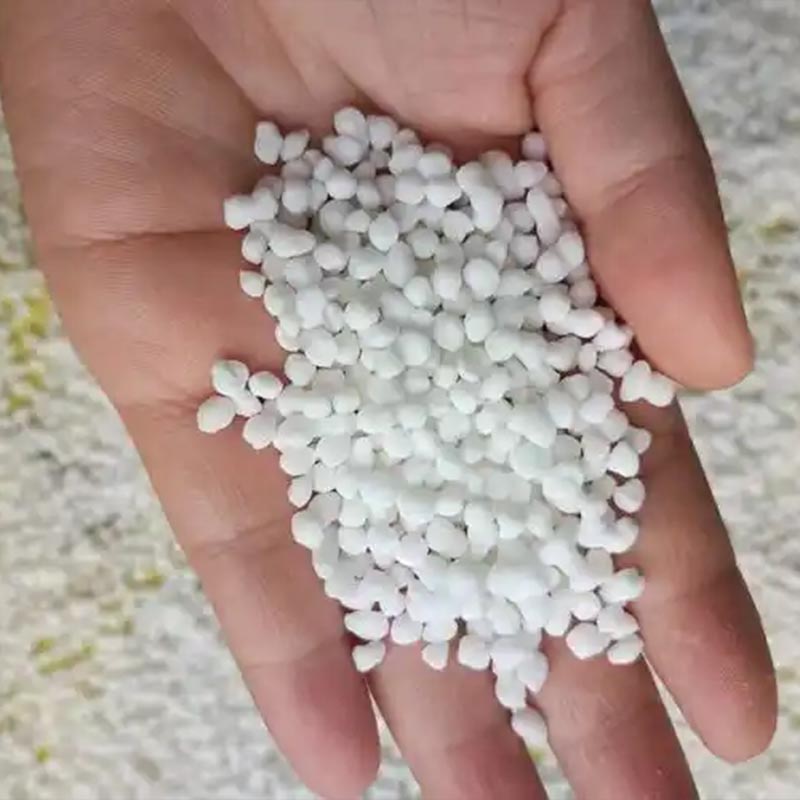
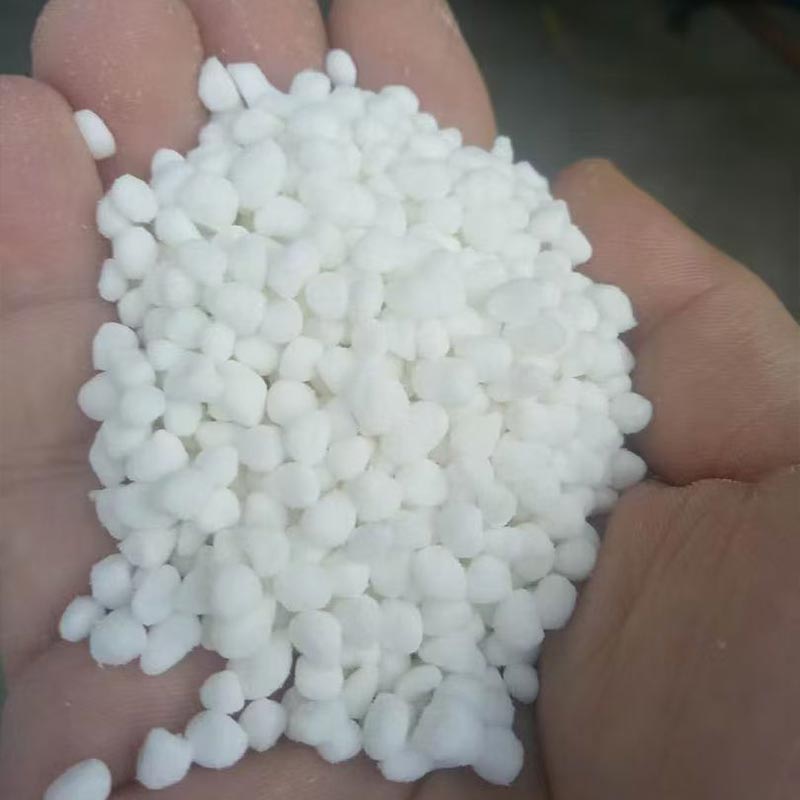
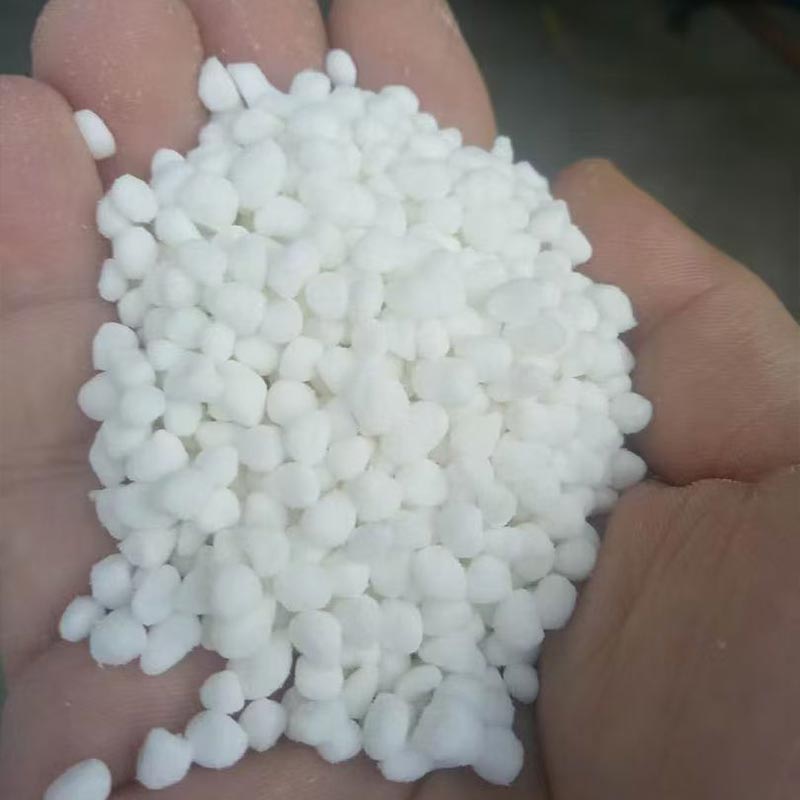
Granular CAN is a functional nitrogen fertilizer with nitrate nitrogen, ammonium nitrogen and active soluble calcium. Physiologically neutral, it contains no chloride or biuret. Uniform and fully water-soluble RONGDA CAN works for base and top dressing, matching grains, fruits and orchards to boost growth and prevent calcium-related plant diseases.

Table of Contents
1. Overview of Granular Calcium Ammonium Nitrate
2. Defects of Single-Element Ordinary Nitrogen Fertilizers
3. Core Advantages of Granular CAN for Nitrogen & Calcium Supply
4. Crop Performance After Applying Granular CAN
5. Field Mixing & Application Guidelines
6. Merits of RONGDA Granular CAN
Defects of Single-Element Ordinary Nitrogen Fertilizers
Urea, ammonium chloride and ammonium sulfate only offer nitrogen. Long-term use triggers fruit cracking, blossom-end rot and soil acidification. Urea nitrogen converts slowly while ammonium chloride harms chloride-sensitive crops. Farmers also need separate calcium fertilizer, increasing labor and input costs.
Core Advantages of Granular CAN for Nitrogen & Calcium Supply
1. Dual Nutrient Supply in One Application
Ordinary nitrogen fertilizers lack calcium. CAN delivers fast-absorbing nitrate nitrogen, sustained ammonium nitrogen and soluble calcium to strengthen cell walls. It effectively avoids cracking and rot without extra calcium sprays and greatly cuts manual labor for farmers.
2. Higher Nutrient Absorption Efficiency
Urea needs microbial decomposition, leading to slow effects and nitrogen volatilization. CAN’s nitrate nitrogen is directly absorbed by crops, with less leaching loss. Its overall utilization rate exceeds 75%, so less fertilizer is required to reach the same crop yield.
3. Neutral Formula Improves Acidified Soil
Ammonium chloride and ammonium sulfate acidify soil continuously. As a neutral fertilizer, CAN’s calcium ions neutralize acidity, loosen compacted soil and reduce sodium in saline-alkali land. It performs stably in paddy fields, sandy soil and acid orchards for long-term use.
4. Safe for All Kinds of Crops
Urea with biuret easily burns seedlings at high temperatures, and ammonium chloride is banned for chloride-sensitive fruits. Chloride-free and biuret-free CAN supports broadcasting, drip irrigation and foliar spray without fertilizer damage across all growth stages.
5. Raises Yield and Fruit Quality
Single nitrogen fertilizer leads to overgrown, lodging-prone crops with poor fruit taste. Nitrogen-calcium synergy in CAN controls overgrowth, thickens fruit peels and raises sugar content. Grain stalks grow stronger with higher 1000-grain weight and anti-stress capacity.
Crop Performance After Applying Granular CAN
For tomatoes, melons and strawberries, CAN reduces cracking and blossom-end rot and lifts commercial fruit rate by over 30%. Fruit trees avoid bitter pit. Rice and corn grow thick stalks against lodging, and saline-alkali crops recover from yellowing and stunted growth.
Field Mixing & Application Guidelines
Apply 10–20 kg per mu alone during seedling and fruit expansion stages. Mix it with amino acid or controlled-release blended fertilizers as base fertilizer. Small amounts of ammonium sulfate can be matched, but avoid mixing CAN with alkaline lime or calcium magnesium phosphate.
Merits of RONGDA Granular CAN
RONGDA CAN adopts scientific nitrogen-calcium matching with high-activity soluble calcium for fast absorption. Uniform anti-caking granules suit mechanical spreading. Chloride-free neutral formula fits all soils and crops, and standardized factory production ensures stable global supply.
Frequently Asked Questions (FAQ)
Q1: Can granular CAN fully replace urea and ammonium chloride?
A1: It can be the main topdressing substitute without extra calcium fertilizer. Chloride-sensitive fruits and vegetables can use it alone, while field crops may mix with a little ammonium chloride as needed.
Q2: Will calcium in granular CAN be fixed by soil?
A2: Its ionic calcium absorbs with nitrate nitrogen and rarely gets fixed by soil colloids, with much higher utilization than lime and gypsum solid calcium fertilizers.
Q3: Does CAN lose nutrients easily in paddy fields?
A3: Less nitrogen leaching occurs than urea. Calcium ions stick to soil colloids and steadily supply nitrogen and calcium throughout rice tillering and grain filling periods.
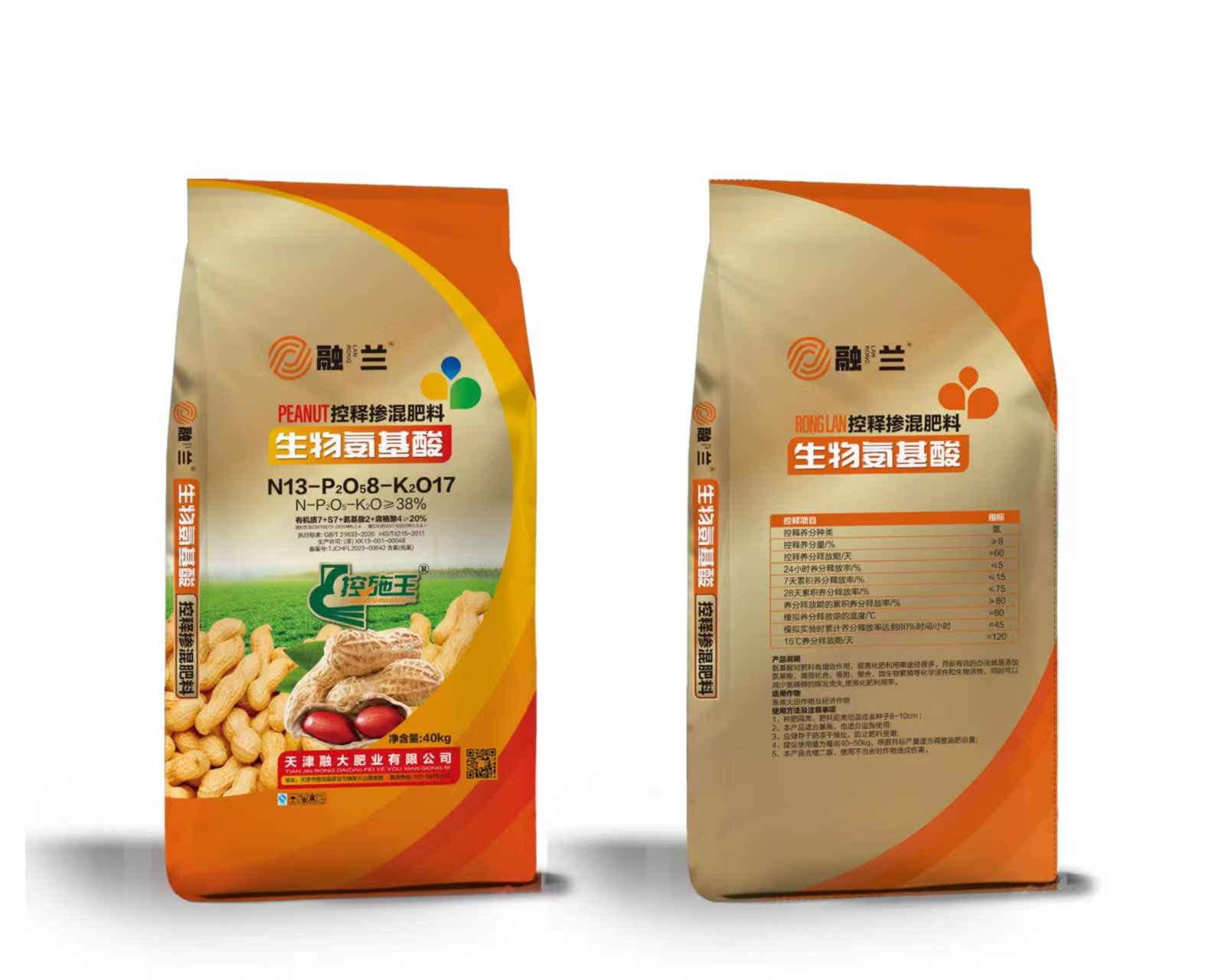
Q4: Can CAN mix with bio-amino acid controlled-release fertilizer?
A4: Absolutely. The combination achieves long slow release, fast nitrogen-calcium supplement and soil activation, ideal for orchards and high-standard farmlands.
Q5: Will long-term CAN use acidify soil?
A5: No. CAN is physiologically neutral. Its calcium neutralizes acidification and compaction caused by long-term single nitrogen fertilizer application and optimizes soil structure continuously.
Conclusion
Traditional single nitrogen fertilizers have obvious defects including incomplete nutrients and damaged soil. Granular CAN provides nitrogen and calcium simultaneously with fast absorption, wide safety and soil improvement benefits. RONGDA high-purity CAN matches multiple compound fertilizers, serving as ideal substitute nitrogen fertilizer for all planting modes.
Related News
- How Do Controlled-Release Curves Match Crop Demand?
- Can Magnesium Sulfate Be Used in Saline-Alkali Soil? What Are the Risks of Long-Term Application?
- How Do You Turn a Soil Test into a Blend Sheet?
- How Does Applying Magnesium Sulfate After Grape Harvest Help Bud Burst in the Next Year?
- Which Magnesium Sulfate Fits Your Ground?
- Can Foliar Spraying Magnesium Sulfate During Fruit Expansion Improve Fruit Sweetness?
Leave me a message