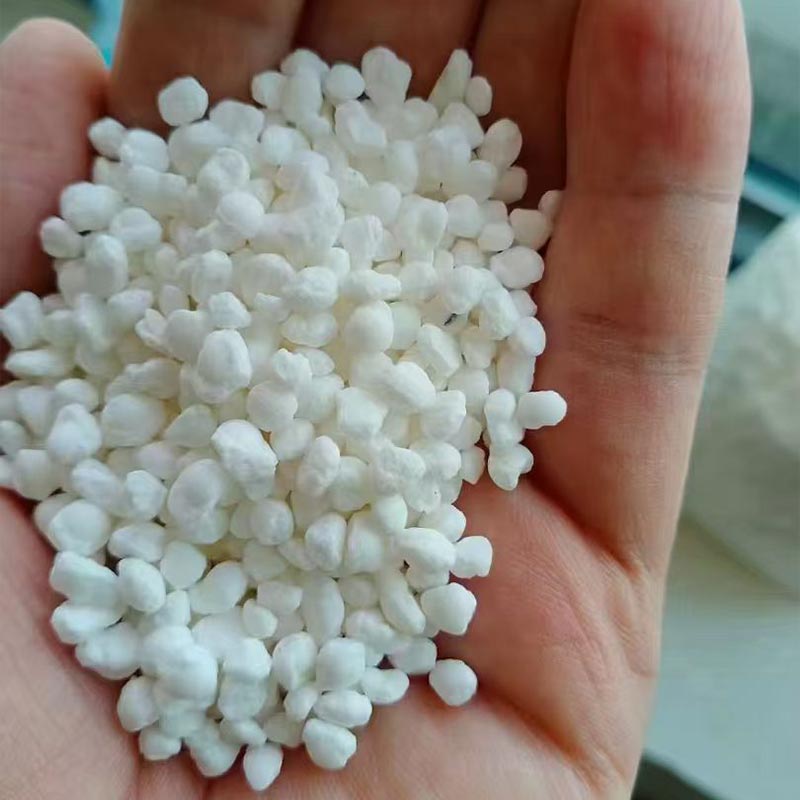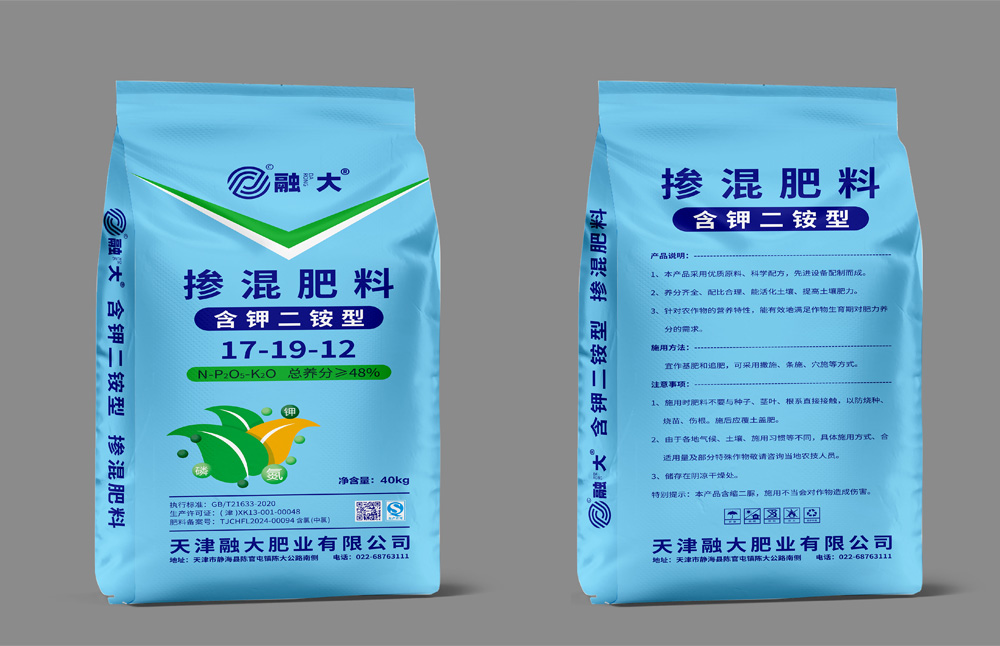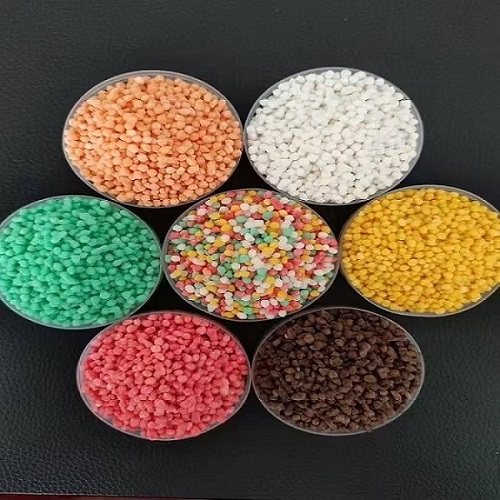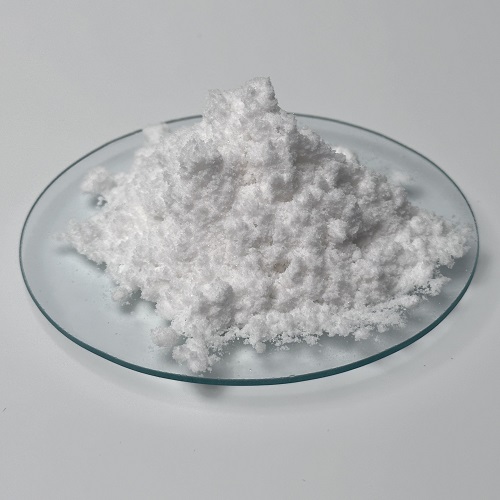

How to Use Ammonium Sulfate for Best Results?
Nitrogen is one of the most essential nutrients for plant growth, playing a critical role in protein synthesis, photosynthesis, and overall crop development. Among the various nitrogen fertilizers available on the global market, ammonium sulfate stands out as a reliable and cost-effective option widely used in international agricultural trade. With the growing demand for food security and the advancement of precision farming technologies, understanding proper fertilizer application methods has become increasingly important for farmers and agricultural businesses worldwide. This article provides a comprehensive guide to fertilizer application techniques, key considerations, and best practices to help you maximize crop yield and fertilizer efficiency.
Table of Contents
Understanding Nitrogen Fertilizer Mechanisms
Three Main Application Methods & Technical Guidelines
Key Precautions & Risk Management
Understanding Nitrogen Fertilizer Mechanisms
Nitrogen fertilizers work by providing plants with accessible nitrogen, which is fundamental to several key physiological processes:
· Protein Synthesis: Nitrogen is a core component of amino acids, the building blocks of proteins. Adequate nitrogen supply directly impacts plant growth rate and biomass accumulation.
· Photosynthesis Enhancement: Nitrogen is an integral part of chlorophyll molecules. Higher chlorophyll levels lead to improved photosynthetic efficiency, which translates into better yield potential.
· Metabolic Regulation: Nitrogen is involved in the synthesis of various enzymes and hormones that regulate overall plant metabolism and growth patterns.
When selecting nitrogen fertilizers, it's important to consider factors such as soil type, crop variety, climate conditions, and application timing. Ammonium sulfate, with its stable chemical properties and versatile application scenarios, has gained popularity among farmers across different regions.
Three Main Application Methods & Technical Guidelines
1. Basal Application
Basal application refers to applying fertilizer before sowing or transplanting. The key technique here is deep placement with soil cover — applying fertilizer below the tillage layer reduces surface volatilization losses and improves nitrogen use efficiency, providing a steady nutrient supply throughout the crop's growing season.
2. Top Dressing (Most Recommended)
Top dressing is the most effective and commonly used application method. The application rate and frequency should be adjusted based on soil type:
|
Soil Type |
Application Strategy |
Key Points |
|
Sandy soil (poor nutrient retention) |
Apply in small, multiple doses |
Avoid excessive single application to prevent nitrogen leaching |
|
Clay soil (good nutrient retention) |
Higher single application rate |
Fewer applications needed, reducing labor costs |
Water management is equally important:
· Dryland crops: Irrigate promptly after top dressing to promote fertilizer dissolution and root uptake.
· Paddy fields: Drain water before application and incorporate fertilizer through tillage for better soil-fertilizer integration.
Special note for cash crops: For fruit trees and other perennial cash crops, furrow application, ring application, or hole application methods are recommended. Position fertilizer according to the canopy projection area to optimize nutrient uptake efficiency. Browse our Nitrogen Fertilizer Category for more product options.
3. Seed Fertilizer ApplicationSome fertilizers can inhibit seed germination, but certain nitrogen sources are seed-friendly and suitable for seed fertilizer application. This method provides quick nitrogen nutrition during the seedling stage, promoting strong early growth and establishment.
Key Precautions & Risk Management
1. Avoid Mixing with Alkaline Substances
Physiological acidic fertilizers should not be mixed with alkaline fertilizers (such as lime, wood ash, calcium magnesium phosphate, etc.). Mixing can trigger chemical reactions that lead to ammonia volatilization and significant nutrient loss. It's recommended to apply them separately or in different zones.
2. Watch for Soil Acidification from Long-Term Use
Long-term single application of certain nitrogen fertilizers can lower soil pH, leading to soil acidification and compaction. Solutions include:
· Co-application with organic fertilizers to improve soil buffering capacity
· Using lime to adjust soil acidity — but note that there should be a 3-5 day interval between applications to avoid direct contact that causes nitrogen loss
3. Caution in Acidic Soils
Applying physiological acidic fertilizers on already acidic soils will further exacerbate soil acidification, which is detrimental to root growth and soil microbial activity. In such cases, neutral or alkaline nitrogen fertilizer varieties are recommended.
Market Outlook
As global agricultural intensification continues to rise, demand for cost-effective nitrogen fertilizers remains strong. Particularly in emerging agricultural markets in Southeast Asia and South America, versatile and easy-to-transport nitrogen products have become important import categories.
For cross-border trade professionals, deep understanding of product characteristics and application scenarios is key to providing professional services and building customer trust. Ammonium sulfate will continue to play an important role in global agriculture as farmers seek reliable, efficient, and affordable fertilizer solutions. We stay committed to monitoring global agricultural market trends and providing quality products and technical support to our partners.
If you are looking for a reliable supplier of ammonium sulphate for agricultural use, offering consistent quality and expert support, Tianjin Rongda Fertilizer Co., Ltd. is on hand to assist you. Contact us today to find out how our fertiliser solutions can boost your agricultural productivity.
Related News
- How Do Controlled-Release Curves Match Crop Demand?
- Can Magnesium Sulfate Be Used in Saline-Alkali Soil? What Are the Risks of Long-Term Application?
- How Do You Turn a Soil Test into a Blend Sheet?
- How Does Applying Magnesium Sulfate After Grape Harvest Help Bud Burst in the Next Year?
- Which Magnesium Sulfate Fits Your Ground?
- Can Foliar Spraying Magnesium Sulfate During Fruit Expansion Improve Fruit Sweetness?
Leave me a message