

Industry News
 07 2026-08
Is Calcium Ammonium Nitrate a Nitrogen Fertilizer? How Does It Differ From Ordinary Ammonium Nitrogen Fertilizer?
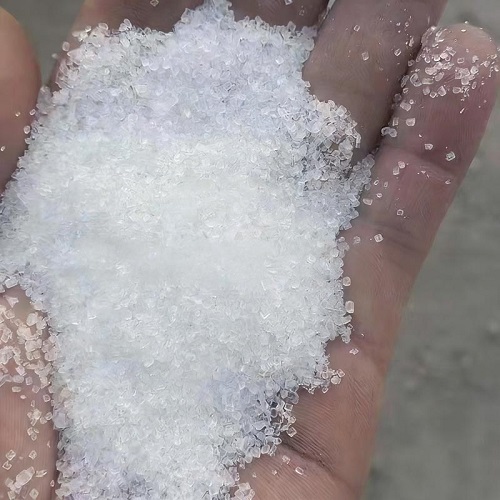
Many growers often confuse calcium ammonium nitrate with conventional ammonium nitrogen fertilizer and regard it as an ordinary single nitrogen fertilizer. In fact, calcium ammonium nitrate is a new type of compound fertilizer that provides both nitrogen and fast-acting calcium. It contains dual nitrogen forms including nitrate nitrogen and ammonium nitrogen, as well as water-soluble calcium, delivering multiple benefits such as rapid nitrogen supplementation, soil improvement, disease resistance and quality enhancement. Compared with single ammonium nitrogen fertilizer, it features wider application scenarios, safer fertilization performance and higher nutrient absorption efficiency. To help farmers clarify fertilizer attributes and apply fertilizers scientifically, this article elaborates on the core characteristics, unique advantages, essential differences and applicable usage scenarios of calcium ammonium nitrate.
 06 2026-08
What Is the Correct Topdressing Method of Ammonium Sulfate for Acid-Loving Crops Such as Tea Trees and Blueberries?
Tea and blueberries require acidic soil. Alkalization leads to leaf chlorosis and poor growth. Ammonium sulfate is physiologically acidic, supplying nitrogen and sulfur while adjusting soil pH. This article introduces its usage, dosage and notes.
 05 2026-08
What Are the Functions of Agricultural Calcium Magnesium Granular Fertilizer? Types, Usage & Buying Guide
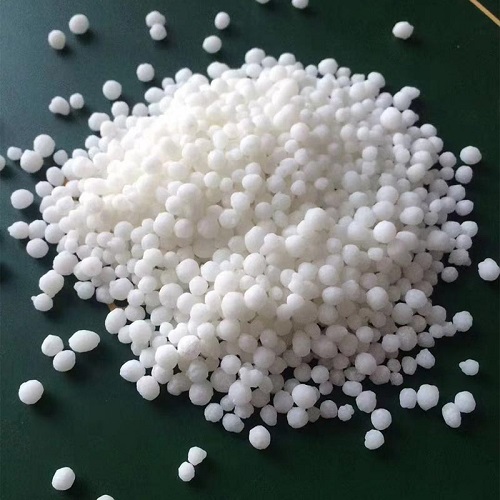
Calcium and magnesium are essential secondary nutrients for plant growth, which directly affect cell wall development, photosynthesis, stress resistance, and crop fruit quality. As a mainstream nutritional fertilizer, agricultural calcium magnesium granular fertilizer is widely applied in fruit trees, vegetables, flowers, and aquaculture. It effectively solves common problems such as leaf yellowing, fruit cracking, blossom-end rot, and flower and fruit drop caused by calcium and magnesium deficiency. With various types and customized formulas available on the market, many growers and farmers struggle with model selection and scientific application. This article comprehensively introduces the core functions, main types, professional purchasing skills, application methods and applicable scenarios of calcium magnesium fertilizer, helping users select and apply fertilizers scientifically to improve crop quality and yield.
 04 2026-08
What Improvement Effects Can Calcium Ammonium Nitrate Bring to Acidified and Compacted Orchard Soil?
Long-term application of acid fertilizers leads to severe acidification and compaction in most orchard soil, hindering root growth and triggering calcium-deficient diseases such as fruit cracking. Calcium ammonium nitrate supplies nitrogen and calcium simultaneously. With mild chemical property, it can gradually improve soil conditions. This article introduces its improvement effects, application methods and matched fertilization schemes.
 03 2026-08
What Is the Difference Between Blended, Mixed and Compound Fertilizers? How to Choose for Higher Yields?
Most farmers struggle to distinguish between blended fertilizer, mixed fertilizer, and compound fertilizer during fertilizer purchasing and field application. These three common multi-nutrient fertilizers all contain nitrogen, phosphorus, and potassium, yet they differ greatly in nutrient composition, production processes, particle uniformity, fertilization stability, and crop absorption efficiency. Choosing the wrong fertilizer will lead to insufficient fertilizer effects, uneven nutrient supply, increased planting costs, and reduced crop yields. This article elaborates on the core differences among the three fertilizers from three key dimensions: nutrient composition, production technology, and practical application effects, helping growers select and apply fertilizers scientifically to maximize crop productivity.
 01 2026-08
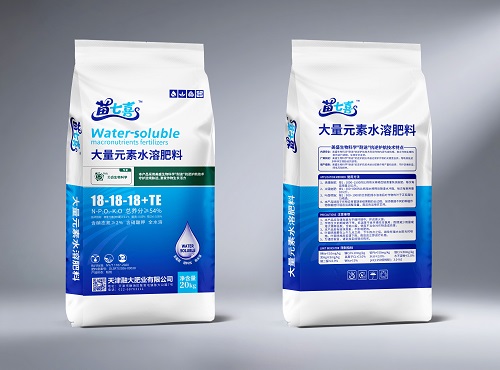
What Are the Correct Flushing & Application Skills for Water-Soluble NPK Fertilizers in Integrated Water-Fertilizer Planting?
Integrated water and fertilizer system is widely used in greenhouses and orchards, with water-soluble NPK fertilizers as core topdressing. Improper application causes fertilizer burn, pipeline blockage and nutrient waste. This article introduces standardized application skills to boost fertilizer efficiency and cut planting costs.