
What Is the Difference Between Blended, Mixed and Compound Fertilizers? How to Choose for Higher Yields?
Most farmers struggle to distinguish between blended fertilizer, mixed fertilizer, and compound fertilizer during fertilizer purchasing and field application. These three common multi-nutrient fertilizers all contain nitrogen, phosphorus, and potassium, yet they differ greatly in nutrient composition, production processes, particle uniformity, fertilization stability, and crop absorption efficiency. Choosing the wrong fertilizer will lead to insufficient fertilizer effects, uneven nutrient supply, increased planting costs, and reduced crop yields. This article elaborates on the core differences among the three fertilizers from three key dimensions: nutrient composition, production technology, and practical application effects, helping growers select and apply fertilizers scientifically to maximize crop productivity.

Table of Contents
1. Distinction by Nutrient Composition and Industry Standards
2. Core Differences in Production Processes
3. Performance Differences in Fertilization Effects and Field Application
Distinction by Nutrient Composition and Industry Standards
Blended, mixed, and compound fertilizers are categorized as multi-element fertilizers, capable of supplying two or more essential macronutrients for crops. They are mainstream alternatives to single-nutrient fertilizers in modern precision agriculture.
In accordance with national chemical fertilizer standards, all qualified products of these three types must be clearly labeled with the content of at least two nutrients among nitrogen, phosphorus, and potassium, with accurate and verifiable ratio data. Unlabeled, vaguely marked, or non-standard fertilizers are deemed unqualified and counterfeit. Such products often suffer from false nutrient labeling, insufficient active ingredients, and excessive impurities, which easily cause crop nutrient deficiency, uneven growth, and yield reduction. Farmers must carefully inspect product specifications before purchasing.
Core Differences in Production Processes
The fundamental distinction between the three fertilizers lies in their production techniques. The manufacturing process directly determines particle quality, nutrient uniformity, fertilization stability, and overall cost performance.
1.Blended Fertilizer (BB Fertilizer): Simple Physical Mixing
Also known as BB fertilizer or dry-mixed fertilizer, blended fertilizer features the simplest production technology among the three. It takes single or binary nitrogen, phosphorus, and potassium fertilizers as raw materials and mixes them in fixed proportions through mechanical stirring. The entire production process involves no crushing, granulation, or chemical reactions.
Simply put, blended fertilizer is a physical combination of independent fertilizer particles. Nitrogen, phosphorus, and potassium particles remain separate without fusion. It has the lowest production threshold and the most affordable cost, suitable for basic and low-budget planting scenarios.
2.Mixed Fertilizer: Crushing and Physical Granulation
Mixed fertilizer is an upgraded physically processed fertilizer. During production, various nitrogen, phosphorus, and potassium raw materials are fully crushed into fine powder, evenly blended in scientific proportions, and reshaped into uniform particles through physical extrusion granulation.
No chemical reactions occur in the whole process. Compared with blended fertilizer, mixed fertilizer delivers higher particle uniformity, better nutrient fusion, and more stable comprehensive performance, meeting the daily fertilization needs of conventional farmland.
3.Compound Fertilizer: Chemical Synthesis and High-Temperature Granulation
Compound fertilizer is a high-end fertilizer with the most sophisticated craftsmanship and stable quality. After fine crushing of nitrogen, phosphorus, and potassium raw materials, the materials undergo professional chemical synthesis reactions and tower granulation at high temperatures.
Chemical fusion enables nitrogen, phosphorus, and potassium nutrients to penetrate evenly inside every single particle. Each fertilizer grain contains complete balanced nutrients, making compound fertilizer the optimal choice for large-scale planting and mechanized agricultural operations.
Supplement: Broad and Narrow Classification Relationship
In a broad sense, compound fertilizer is a subcategory of mixed fertilizer. In practical agricultural applications, definitions are strictly divided: mixed fertilizer refers to physically granulated products, compound fertilizer refers to chemically synthesized products, and blended fertilizer refers to pure physically mixed products, with independent application scenarios for each.
Performance Differences in Fertilization Effects and Field Application
Due to different production processes, the three fertilizers show obvious hierarchical gaps in particle appearance, nutrient uniformity, mechanical adaptability, and nutrient absorption efficiency, directly affecting field fertilization results.
- Particle Appearance and Mechanical Fertilization Adaptability
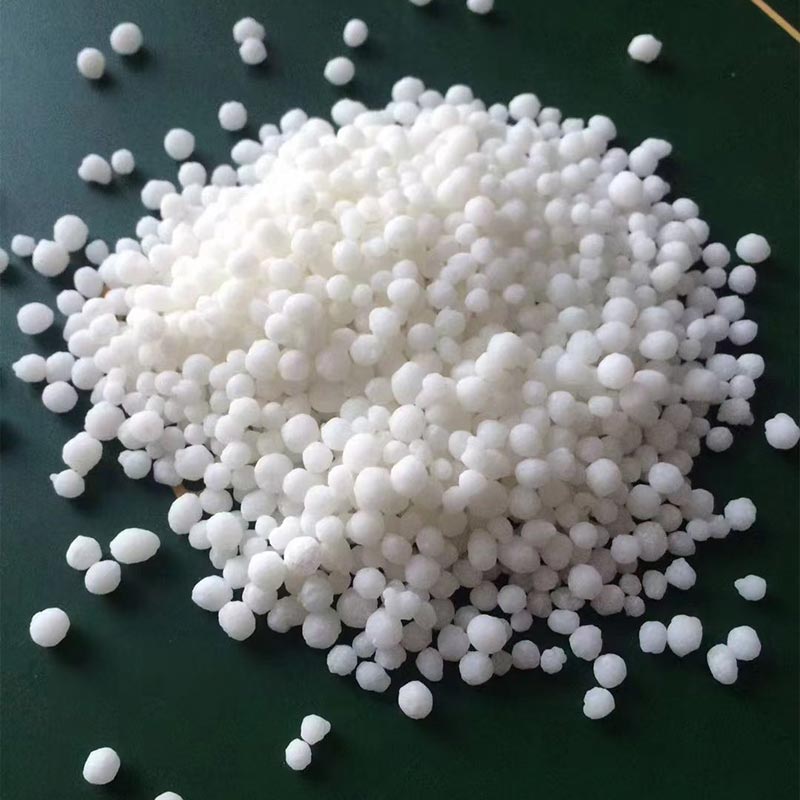
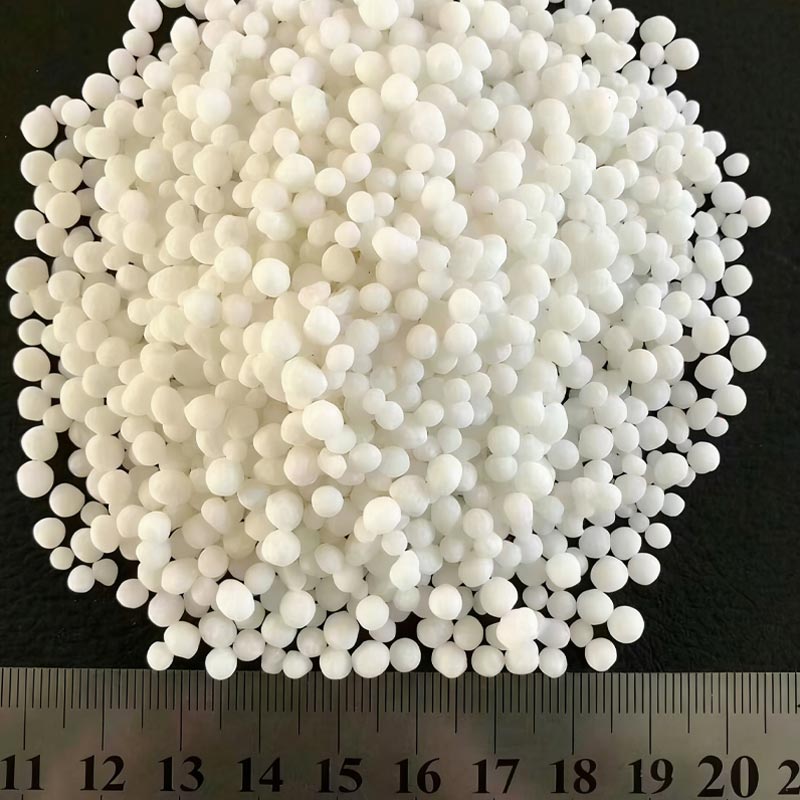
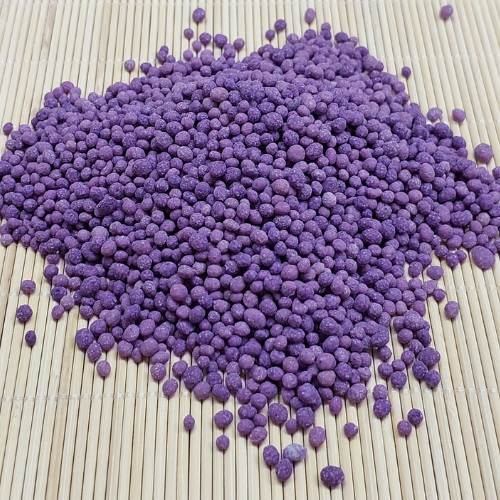
Compound fertilizer features round, uniform, dust-free, and non-caking particles, fully compatible with mechanical sowing, automatic spreading, and drip irrigation systems, ensuring consistent and even fertilization output.
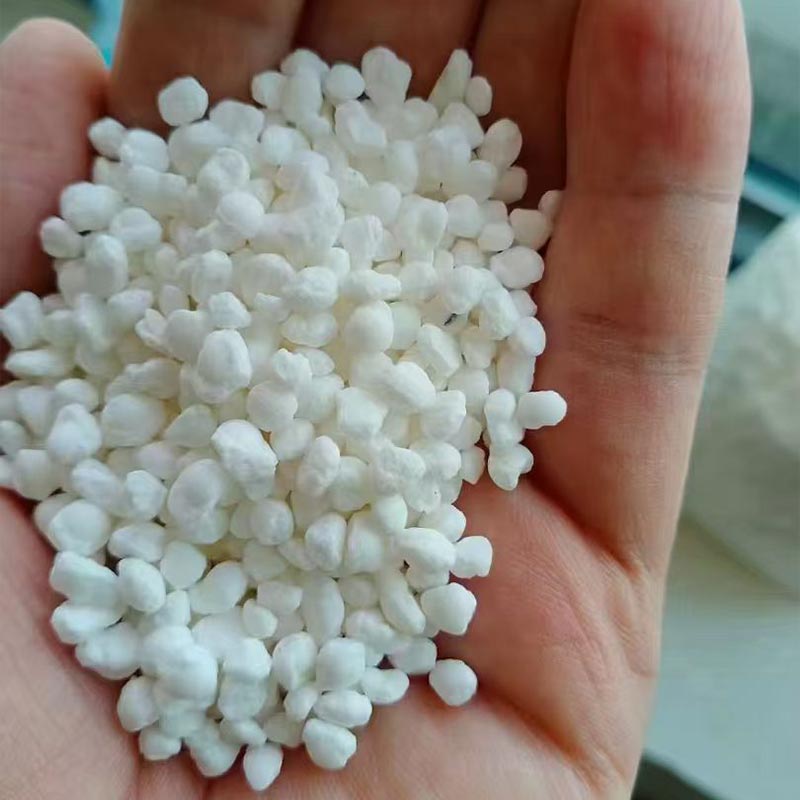
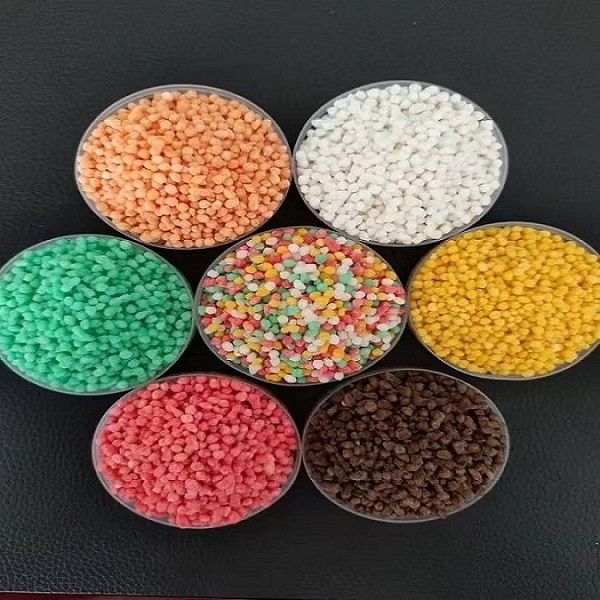
Mixed fertilizer has moderately regular particles with minor differences, which can adapt to conventional mechanical fertilization work.
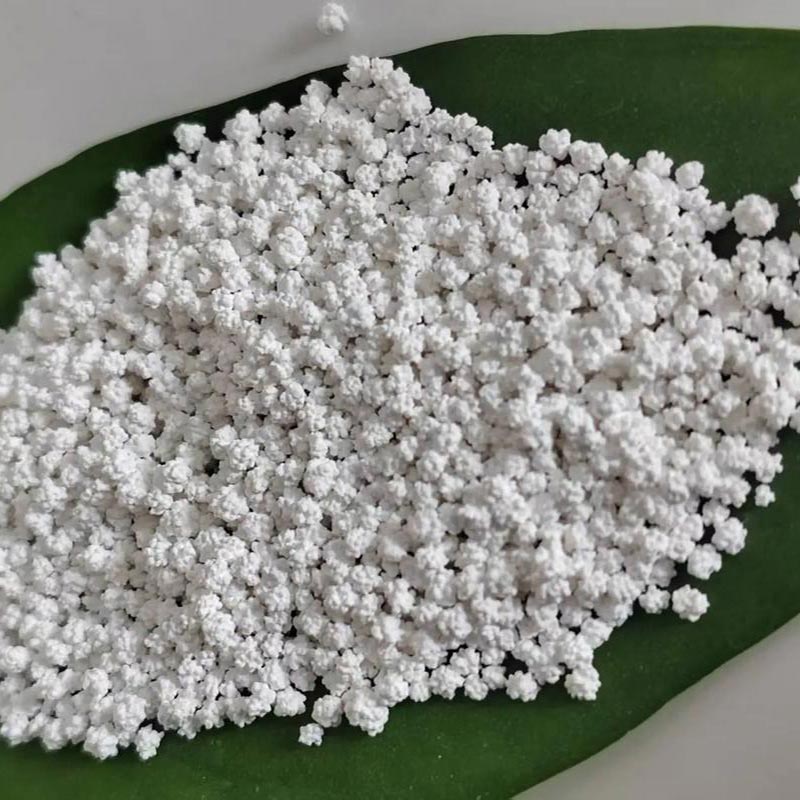
Blended fertilizer has uneven particle sizes and inconsistent density. Particles are prone to delamination and separation during transportation and fertilization, resulting in uneven feeding, partial nutrient excess, or local nutrient deficiency. It is not suitable for mechanized operation and only applicable to manual spreading.
- Particle Nutrient Uniformity Comparison
Thanks to chemical fusion technology, every particle of compound fertilizer contains complete NPK nutrients, achieving extremely uniform nutrient distribution and stable long-term release.
Mixed fertilizer boasts good single-particle nutrient uniformity after crushing and uniform granulation, ensuring balanced overall field fertilization.
Blended fertilizer has the worst nutrient uniformity. Each independent particle only contains a single nutrient, leading to unbalanced nutrient supply and irregular crop growth in the field.
- Nutrient Utilization Rate and Comprehensive Fertilizer Performance
Under the same nutrient ratio, soil conditions, and application dosage, the crop nutrient absorption efficiency ranks as: Compound Fertilizer > Mixed Fertilizer > Blended Fertilizer.
Compound fertilizer features high nutrient concentration, strong stability, low nutrient loss, and long-lasting fertilizer effects. Mixed fertilizer offers moderate cost performance with stable basic performance. Blended fertilizer has unstable nutrient balance and high nutrient loss risks with fluctuating field effects. High-concentration fertilizers on the market are mostly compound fertilizers, while most mixed fertilizers have a total nutrient content below 30%, and blended fertilizers lack unified concentration standards with uneven quality.
Summary
The core differences between blended, mixed, and compound fertilizers lie in production technology and nutrient uniformity. Blended fertilizer features simple craftsmanship and low cost but unstable fertilizer effects, ideal for small-area manual supplementary fertilization. Mixed fertilizer optimizes particle uniformity and stability through physical granulation, suitable for conventional field planting. Compound fertilizer adopts chemical synthesis technology with uniform particles, stable nutrients, high utilization rate, and perfect mechanical adaptability, making it the first choice for high-yield and large-scale agricultural planting.
Growers can choose reasonably according to planting scale, fertilization methods, and crop growth needs: select qualified blended fertilizer for low-cost small-area manual fertilization, mixed fertilizer for conventional farmland management, and high-quality compound fertilizer for stable yield, quality improvement, and mechanized precision planting.
FAQ
Q1: Which type of fertilizer is the best among blended, mixed and compound fertilizers?
A: There is no one-size-fits-all best option, only the most suitable one. Compound fertilizer is preferred for mechanized planting and high-yield cultivation; mixed fertilizer fits conventional daily field fertilization; standard blended fertilizer is suitable for small-area short-term supplementary fertilization with cost control demands.
Q2: Why do crops grow unevenly after applying blended fertilizer?
A: Blended fertilizer is a simple physical mixture of independent particles without nutrient fusion. It causes unbalanced nutrient distribution in the field, with some crop areas lacking nitrogen and others deficient in phosphorus and potassium, resulting in irregular crop growth.
Q3: Can mixed fertilizer and compound fertilizer replace each other?
A: Temporary replacement is feasible for common crops, but not recommended for high-yield planting. Compound fertilizer has more stable nutrients, higher concentration, and better absorption efficiency, delivering far superior yield-increasing effects than ordinary mixed fertilizer.
Q4: Is blended fertilizer suitable for mechanical fertilization?
A: It is not recommended. Uneven particle size and weight cause material delamination, blockage, and uneven feeding, leading to unbalanced field fertilization and reduced crop yield.
Q5: Which fertilizer has the highest nutrient content?
A: Compound fertilizer has the highest overall nutrient concentration with abundant high-concentration products. Most mixed fertilizers are medium and low-concentration, while blended fertilizers have no unified industry standards with inconsistent quality.
If you are looking for a reliable agricultural fertilizer supplier with stable quality and professional support, Tianjin Rongda Fertilizer Co., Ltd. is always ready to assist you. Contact us today to learn how our fertilizer solutions can improve your agricultural productivity.
Related News
- How Do Controlled-Release Curves Match Crop Demand?
- Can Magnesium Sulfate Be Used in Saline-Alkali Soil? What Are the Risks of Long-Term Application?
- How Do You Turn a Soil Test into a Blend Sheet?
- How Does Applying Magnesium Sulfate After Grape Harvest Help Bud Burst in the Next Year?
- Which Magnesium Sulfate Fits Your Ground?
- Can Foliar Spraying Magnesium Sulfate During Fruit Expansion Improve Fruit Sweetness?
Leave me a message