
What Is the Correct Topdressing Method of Ammonium Sulfate for Acid-Loving Crops Such as Tea Trees and Blueberries?
Tea and blueberries require acidic soil. Alkalization leads to leaf chlorosis and poor growth. Ammonium sulfate is physiologically acidic, supplying nitrogen and sulfur while adjusting soil pH. This article introduces its usage, dosage and notes.

Table of Contents
1. Common soil troubles of acid-loving crops
2. Advantages of ammonium sulfate
3. Application plan for tea & blueberry
4. Common fertilization methods
5. Advantages of RONGDA ammonium sulfate
1. Common soil troubles of acid-loving crops
Long-term urea application raises soil pH, immobilizing iron, zinc and other trace elements, causing yellow shoots of tea trees and weak fruit setting of blueberries. Ammonium sulfate realizes fertilization and acid regulation simultaneously.
2. Advantages of ammonium sulfate
It provides ammonium nitrogen preferred by tea and blueberries; slowly acidifies soil to activate trace elements; extra sulfur improves crop quality; stable for various application modes.
3. Application plan
Tea garden: 15-20kg/mu before spring budding; 10-12kg/mu after tea picking. Stop heavy fertilization in late autumn.
Blueberry orchard: 8-10kg/mu at budding stage; 5-8kg/mu after blooming; stop application during fruit coloring. Reduce dosage for saplings.
4. Common fertilization methods
Furrow application is recommended; broadcast before light rain; drip irrigation after diluting 500-800 times.
5. Advantages of RONGDA ammonium sulfate
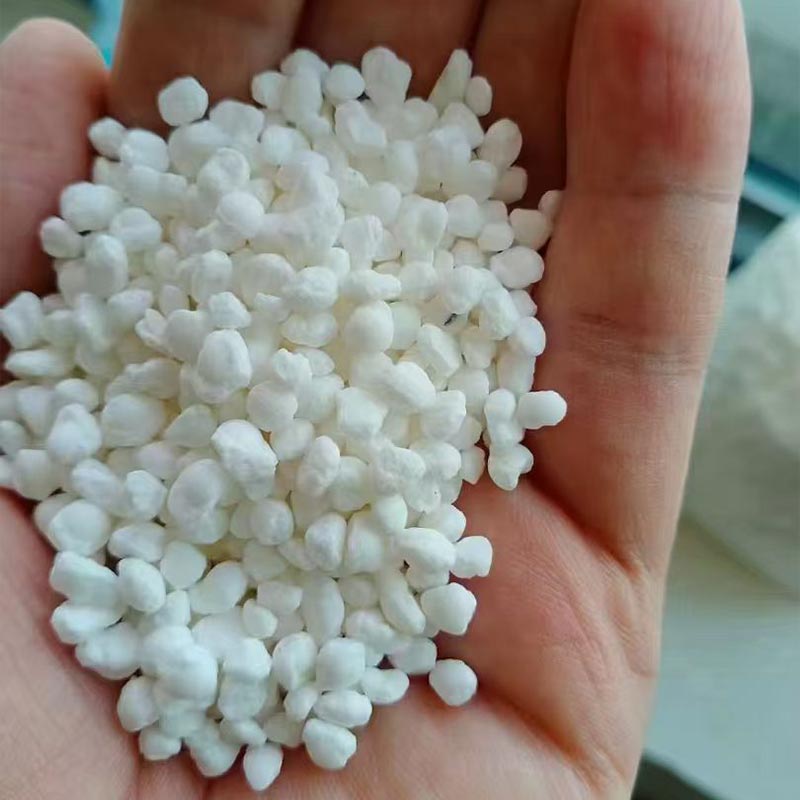
High purity, fully water-soluble without impurities, heavy-metal free, stable quality, compatible with organic fertilizer and monopotassium phosphate.
6. Notes
Do not use with alkaline fertilizers like quicklime with an interval over 10 days; avoid overuse to prevent excessive soil acidity; chlorine-containing fertilizers are forbidden for blueberries.
7. FAQ
Q1: Can it fix severely alkaline soil alone?
A: Combine with organic fertilizer and sulfur powder for severely alkalized soil.
Q2: Mixable with magnesium sulfate in drip irrigation?
A: Dissolve them separately before mixing.
8. Conclusion
Proper application of ammonium sulfate supplements nutrients and optimizes soil acidity for tea and blueberries. Standardized application improves soil environment and economic benefits. RONGDA ammonium sulfate fits large-scale planting of acid-loving crops.
Related News
- How Do Water-Soluble Fertilizers Feed Drip-Irrigated Crops?
- What Can Calcium Magnesium Granules Do for Degraded and Acid Soils?
- What Are the Top 10 Signs of Magnesium Deficiency in Crops?
- Why Do Modern Crops Need More Sulfur Than NPK Provides?
- How to Apply Magnesium Sulfate to Orchards, Vegetables & Field Crops?
- Is Calcium Ammonium Nitrate a Safer Nitrogen for Stressed Soils?
Leave me a message