
What Improvement Effects Can Calcium Ammonium Nitrate Bring to Acidified and Compacted Orchard Soil?
Long-term application of acid fertilizers leads to severe acidification and compaction in most orchard soils, hindering root growth and triggering calcium-deficient diseases such as fruit cracking. Calcium ammonium nitrate supplies nitrogen and calcium simultaneously. With mild chemical properties, it can gradually improve soil conditions. This article introduces its improvement effects, application methods, and matched fertilization schemes.
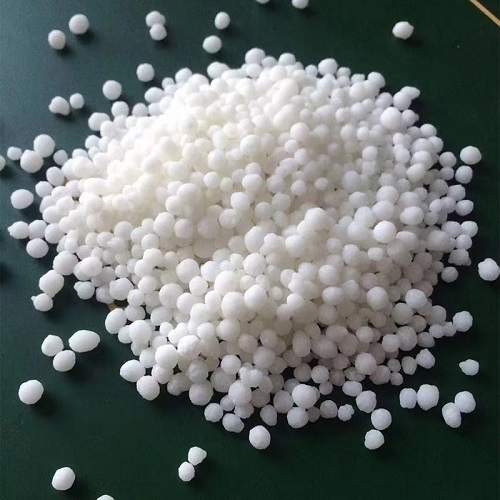
Table of Contents
1. Planting Problems Caused by Acidified and Compacted Orchard Soil
2. Six Core Improvement Functions of Calcium Ammonium Nitrate
3. Practical Effects on Different Types of Fruit Trees
4. Standard Application Plans in Orchards
5. Core Advantages of RONGDA Calcium Ammonium Nitrate
1. Planting Problems Caused by Acidified and Compacted Orchard Soil
The continuous application of ammonium sulfate, ammonium chloride, and other acid fertilizers sharply reduces soil pH. Excess active aluminum poisons fruit tree roots; damaged soil structure causes soil compaction with poor air permeability. Calcium, phosphorus, and trace elements are immobilized in soil. Fruit trees grow weakly with heavy fruit drop, and physiological disorders including apple bitter pit and citrus fruit cracking frequently occur. Conventional soil conditioners cannot realize topdressing and soil improvement at the same time.
2. Six Core Improvement Functions of Calcium Ammonium Nitrate
1. Alleviate soil acidification and reduce root damage
Calcium ammonium nitrate is physiologically neutral and weakly alkaline. It neutralizes excess hydrogen ions in soil and relieves toxicity of active aluminum. Different from acid-forming nitrogen fertilizers, rational long-term application stabilizes soil pH effectively.
2. Supply active calcium ions to build soil aggregate structure
Calcium ions promote soil particle aggregation to form stable aggregates, greatly improving soil air permeability and water permeability, loosening compacted soil and creating suitable growth space for root systems.
3. Synchronous supply of nitrogen and calcium, topdressing and soil conditioning integrated
Fast-acting nitrate nitrogen boosts new shoot growth in early spring; calcium ions stay in soil for long-term conditioning. It saves labor costs compared with separate topdressing and soil improvement operations.
4. Activate fixed nutrients and raise fertilizer utilization rate
Calcium ions unlock immobilized phosphorus, magnesium, and zinc in acidified soil. Combined with water-soluble fertilizers and organic fertilizers, nutrient absorption efficiency is remarkably improved.
5. Slow down salt accumulation in topsoil and avoid root salt damage
It features a low salt index. Drip irrigation application will not sharply increase soil osmotic pressure, gradually dissolving surface salt accumulation in long-term fertigation orchards.
6. Reduce calcium-deficient physiological diseases and strengthen tree resistance
Sustained supply of available calcium enhances cell wall toughness of branches and fruits, effectively cutting down fruit cracking, bitter pit, and shoot tip withering, improving stress resistance of fruit trees.
3. Practical Effects on Different Types of Fruit Trees
For apple and pear trees, soil becomes loose gradually with fewer bitter pit cases and robust new shoots. Citrus gains neat spring shoots and less fruit cracking during the expansion period. Peach and cherry trees show stronger root activity, reduced fruit drop, and gummosis. Grape orchards acquire loose soil and plump berries with improved quality and yield.
4. Standard Application Plans in Orchards
1. Furrow application: Apply 15~20 kg per mu along the drip line before budding, cover with soil, and water thoroughly. Mix with decomposed organic fertilizer in autumn base fertilization for long-term soil conditioning.
2. Drip irrigation & flushing topdressing: Apply during spring shoot growth and post-bloom fruit setting stage with low concentration and frequent application. Avoid excessive dosage during the fruit hardening period to prevent excessive vegetative growth.
3. Mixing note: Dissolve separately before mixing with NPK water-soluble fertilizers and magnesium sulfate; do not mix with high-phosphate fertilizer liquid directly to avoid sediment blocking irrigation pipelines.
5. Core Advantages of RONGDA Calcium Ammonium Nitrate
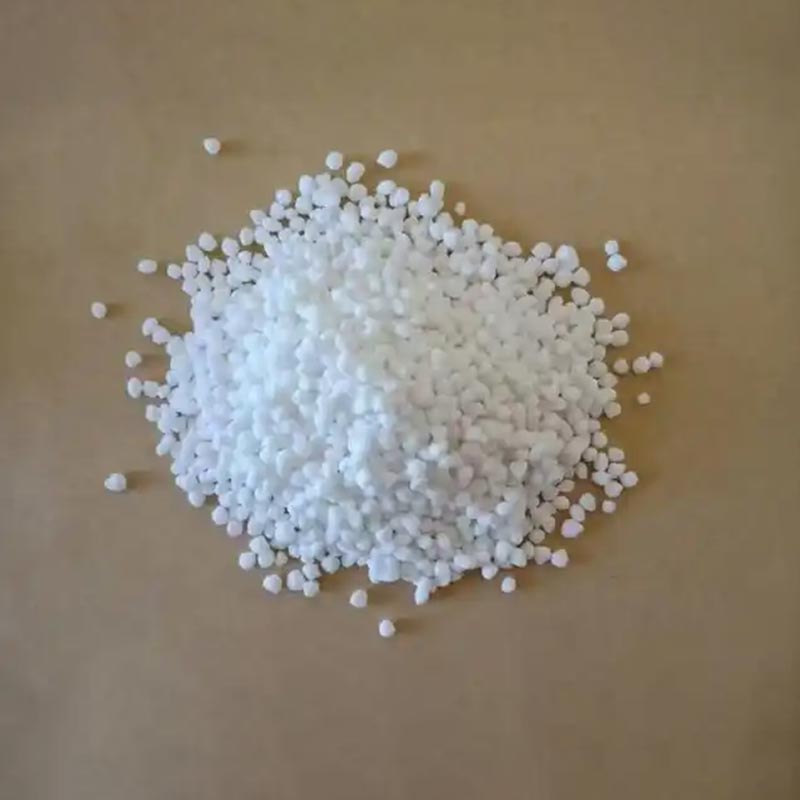
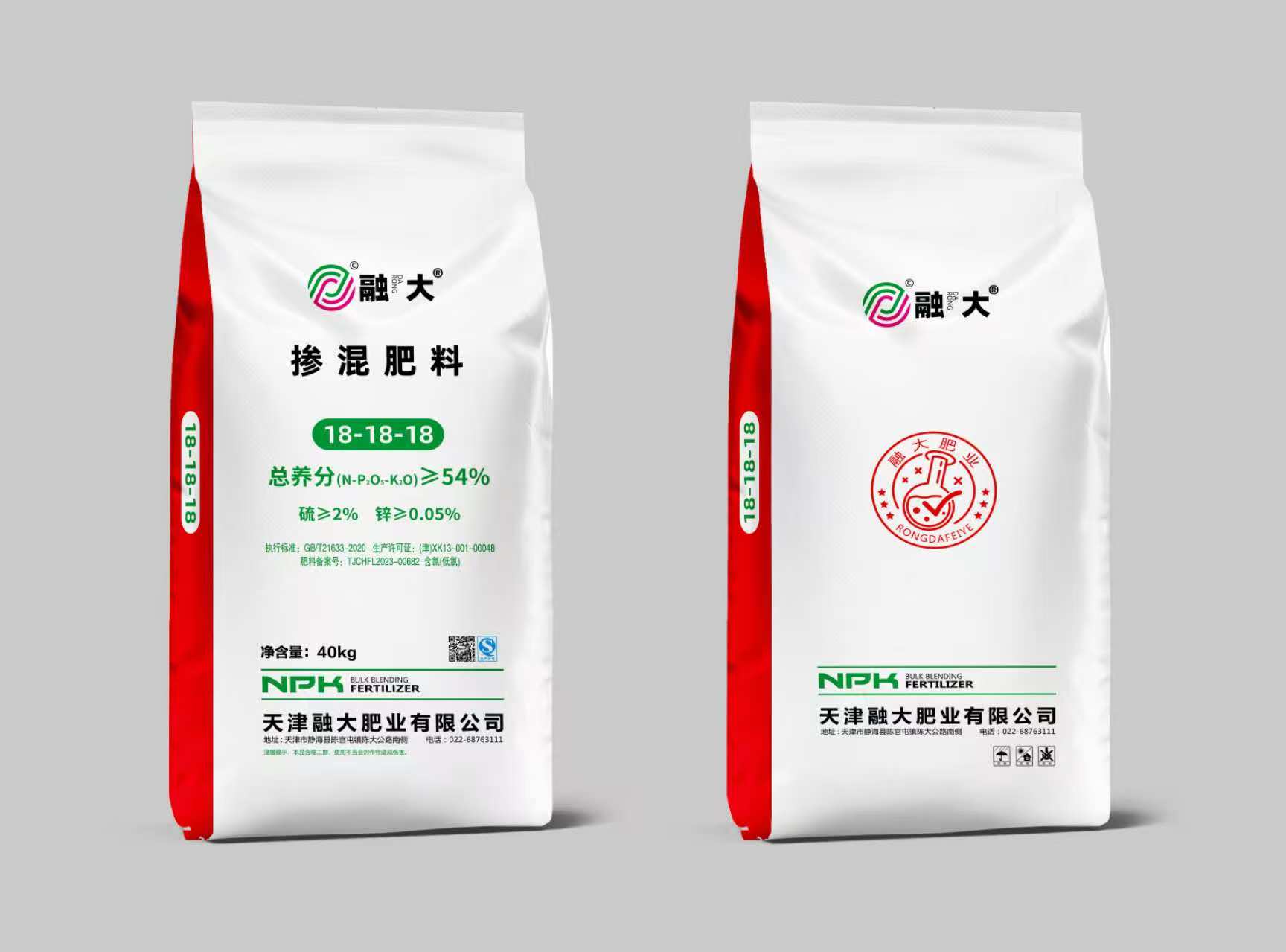
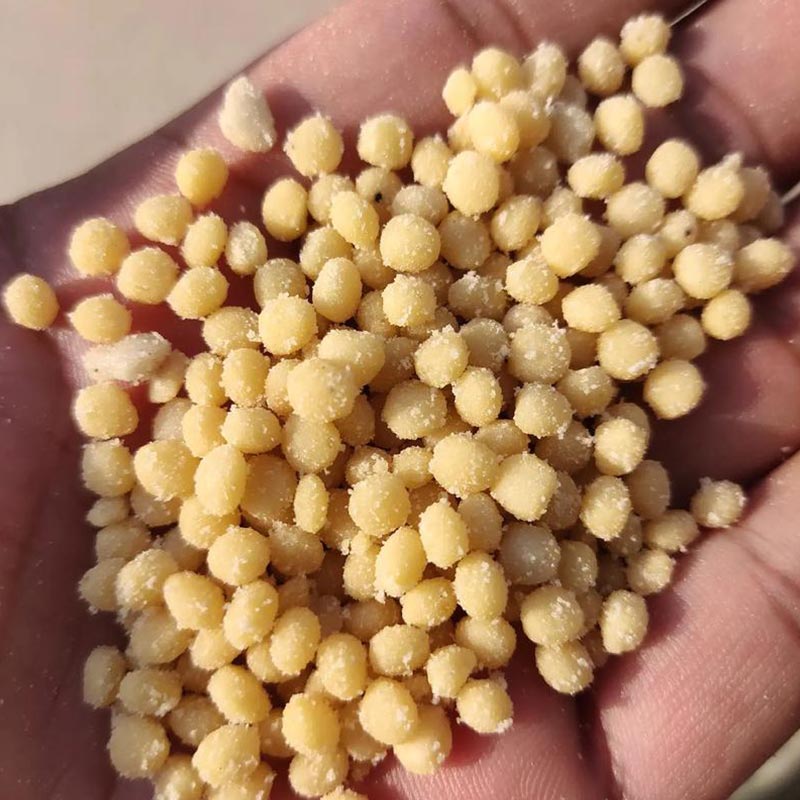
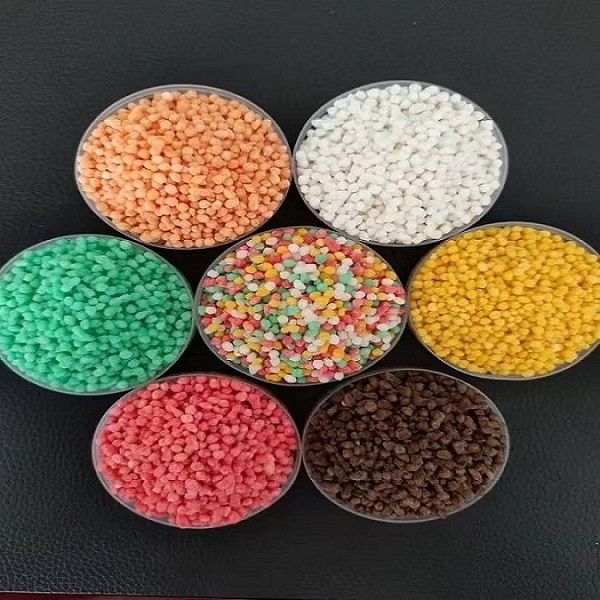
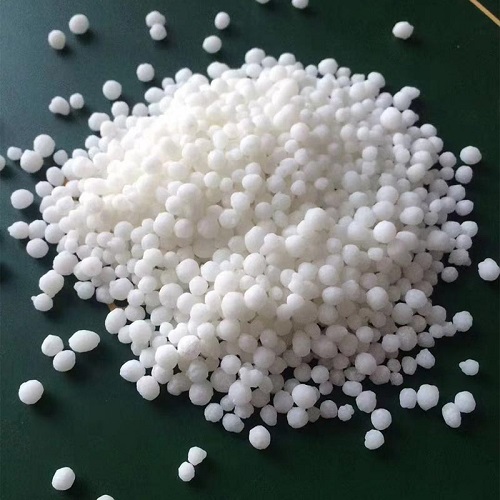
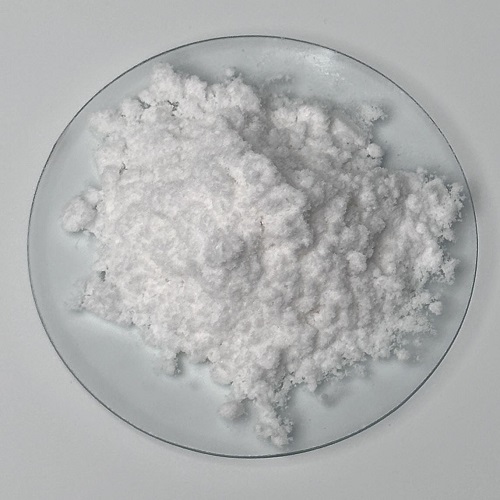
Uniform granules with full solubility without insoluble residues, compatible with mechanical spreading, drip irrigation, and sprinkler irrigation. Scientific nitrogen-calcium ratio with high absorption efficiency of nitrate nitrogen and active calcium. Low impurity without heavy metals, compliant with green planting standards. Stable properties for safe storage and transportation, suitable for year-round orchard topdressing and soil conditioning.
6. FAQ
Q1: Can calcium ammonium nitrate fully repair severely acidified and compacted soil alone?
A1: For heavily degraded soil, combine it with organic fertilizer and granular calcium magnesium for optimal effect. Single fertilizer cannot solve severe soil problems fundamentally.
Q2: Can calcium ammonium nitrate be applied together with quicklime?
A2: Simultaneous mixing is forbidden. Quicklime will cause nitrogen volatilization. Keep an interval of more than 10-15 days between the two applications.
Q3: Which periods are most suitable for soil improvement?
A3: Early spring budding stage and post-harvest autumn period are preferred when roots grow vigorously for optimal calcium fixation and conditioning effect; avoid fertilizing at noon under high temperature in summer.
Q4: Will long-term application lead to excessive calcium in soil?
A4: Rational low-dose frequent application maintains balanced calcium content. Overdosage will antagonize absorption of potassium and magnesium, so standard dosage must be followed.
7. Conclusion
Soil acidification and compaction severely restrict orchard yield and fruit quality. Traditional conditioners cannot supply nutrients while nitrogen fertilizers aggravate soil acidification easily. Calcium ammonium nitrate realizes dual functions: supplying nitrate nitrogen to strengthen trees and releasing calcium ions to neutralize acid toxicity and loosen soil. Cooperated with organic fertilizers and water-soluble fertilizers, it optimizes soil physical and chemical properties, activates root systems and reduces calcium-related diseases steadily. RONGDA calcium ammonium nitrate is safe and efficient for regular topdressing and soil improvement in various fruit orchards.
Related News
- What Is the Correct Topdressing Method of Ammonium Sulfate for Acid-Loving Crops Such as Tea Trees and Blueberries?
- What Are the Correct Flushing & Application Skills for Water-Soluble NPK Fertilizers in Integrated Water-Fertilizer Planting?
- How to Quickly Replenish Soil Magnesium with Magnesium Sulfate When Field Fruit Trees Suffer Widespread Yellow Leaves
- What Long-Term Soil Improvement Benefits Does Base Application of Granular Calcium Magnesium Bring to Greenhouse Vegetables With Continuous Cropping Acidified Soil?
- How to Grasp the Optimal Spraying Period of Magnesium Sulfate to Improve Yellow Leaves Caused by Magnesium Deficiency in Field Crops
- What Practical Benefits Do Water-Soluble NPK Fertilizers Bring to Nutrient Supplement in Acidified Orchards?
Leave me a message