
What Are the Functions of Agricultural Calcium Magnesium Granular Fertilizer? Types, Usage & Buying Guide
Calcium and magnesium are essential secondary nutrients for plant growth, which directly affect cell wall development, photosynthesis, stress resistance, and crop fruit quality. As a mainstream nutritional fertilizer, agricultural calcium magnesium granular fertilizer is widely applied in fruit trees, vegetables, flowers, and aquaculture. It effectively solves common problems such as leaf yellowing, fruit cracking, blossom-end rot, and flower and fruit drop caused by calcium and magnesium deficiency. With various types and customized formulas available on the market, many growers and farmers struggle with model selection and scientific application. This article comprehensively introduces the core functions, main types, professional purchasing skills, application methods and applicable scenarios of calcium magnesium fertilizer, helping users select and apply fertilizers scientifically to improve crop quality and yield.
Table of Contents
1. Core Functions and Working Principles of Calcium Magnesium Granular Fertilizer
2. Main Types and Corresponding Functions of Calcium Magnesium Fertilizer
3. Practical Skills for Purchasing Calcium Magnesium Granular Fertilizer
4. Applicable Scenarios, Crops and Application Effects
5. Scientific Application Methods and Fertilizer Matching Taboos
7. Frequently Asked Questions (FAQ)
Core Functions and Working Principles of Calcium Magnesium Granular Fertilizer
Agricultural calcium magnesium granular fertilizer is a particle-type functional fertilizer centered on calcium and magnesium nutrients. It supports multiple application methods including base fertilization, topdressing and foliar fertilization, serving as a universal nutritional product for modern crop planting and aquaculture.
Calcium is a key element for plant cell wall synthesis. It strengthens plant toughness and enhances stress resistance, efficiently preventing physiological diseases such as blossom-end rot in tomatoes and peppers, fruit cracking, deformed fruits and small leaf disease. As the core component of plant chlorophyll, magnesium determines photosynthetic efficiency. Magnesium deficiency commonly leads to old leaf yellowing, weak growth, insufficient photosynthesis and reduced crop output. Rational supplementation of calcium magnesium fertilizer optimizes plant growth status and greatly improves fruit quality and yield.
Main Types and Corresponding Functions of Calcium Magnesium Fertilizer
According to formula composition and application scenarios, agricultural calcium magnesium granular fertilizer is divided into four major categories with distinct positioning, adapting to field planting, high-precision cultivation and aquaculture respectively.
1. Calcium Magnesium Phosphate Fertilizer
It is a basic compound fertilizer containing phosphorus, calcium and magnesium with strong universality. Widely used for fruit trees, vegetables, flowers and other cash crops, it not only supplements essential secondary nutrients, but also adjusts unbalanced soil pH, loosens soil texture and improves soil structure, making it ideal for conventional field soil improvement and fertilization.
2. Multi-Element Calcium Magnesium Fertilizer
This is an upgraded functional fertilizer based on standard calcium and magnesium formulas, supplemented with trace elements such as boron, zinc, iron and silicon. It comprehensively supplements comprehensive nutrients required for crop growth, improves crop resistance to cold, drought and diseases, reduces flower and fruit drop, fruit cracking and leaf premature aging, prolongs leaf photosynthetic period and achieves high-quality and high-yield cultivation.
3. Special Calcium Magnesium Particles for Aquaculture
Specially developed for crustaceans such as shrimps and crabs, represented by ionic calcium and shell-protecting fertilizer products. It provides sufficient calcium nutrition for aquatic organisms, assists smooth shelling growth, strengthens physique, accelerates growth rate and effectively improves the survival rate of aquaculture products.
4. Silicon Calcium Magnesium Granular Fertilizer
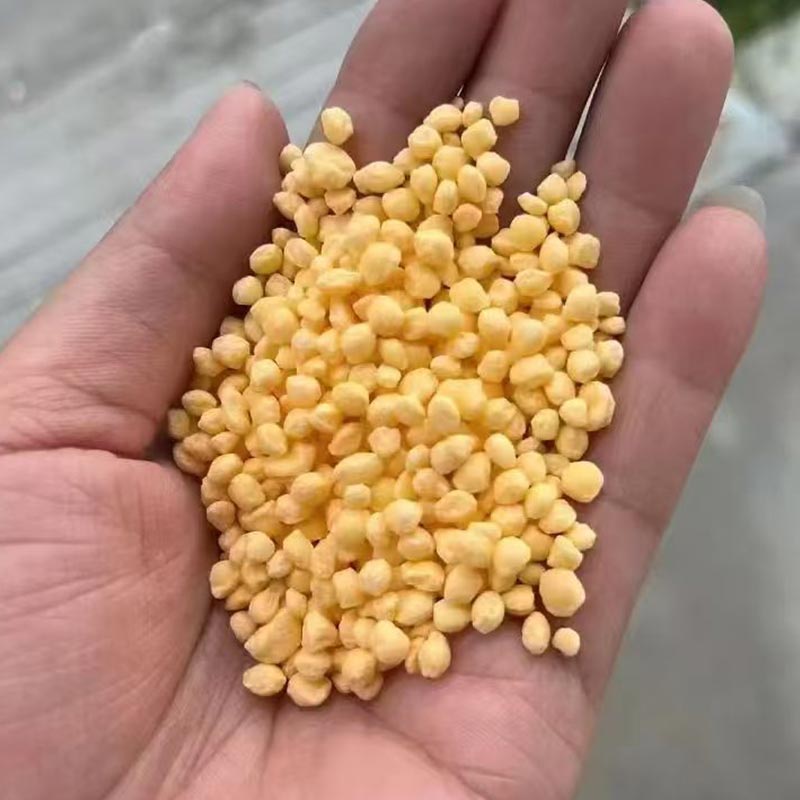
It is a high-concentration soil-improving fertilizer with standard indicators: calcium oxide ≥15%, magnesium oxide ≥20%, silicon oxide ≥6%. Custom formulas and particle sizes are available. Featuring soil improvement, seedling strengthening and quality upgrading functions, it is highly suitable for continuously cropped fields with degraded soil quality.
Practical Skills for Purchasing Calcium Magnesium Granular Fertilizer
Blind purchasing easily leads to mismatched fertilizer types and unqualified products with false nutrient labeling. Users should select fertilizers according to actual usage scenarios, crop characteristics and soil conditions.
1. Select Models According to Application Scenarios
For agricultural planting, choose calcium magnesium phosphate fertilizer or multi-element calcium magnesium granular fertilizer to meet crop nutritional needs and soil improvement demands. For aquaculture, adopt exclusive aquatic calcium magnesium products instead of ordinary agricultural fertilizers to avoid adverse impacts on water quality.
2. Check Core Ingredients and Nutrient Content
Focus on the effective content of calcium and magnesium during purchasing. Select formulas with targeted trace elements including boron, zinc and silicon based on crop growth deficiencies, and reject unlabeled and inferior fake fertilizers.
3. Choose Appropriate Fertilizer Forms
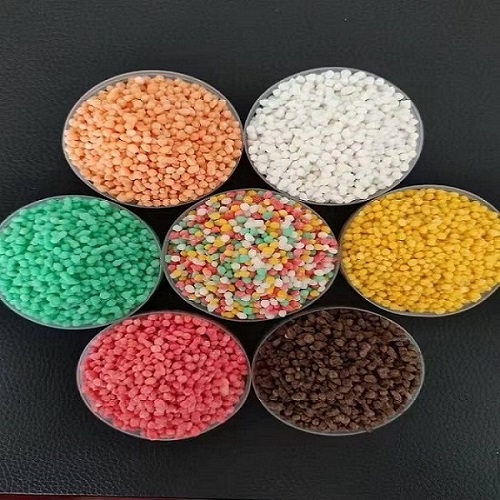
Granular fertilizer is preferred for soil base fertilization and growth-stage topdressing due to long-lasting efficiency and convenient application. Water-soluble calcium magnesium fertilizer is suitable for emergency nutrient supplementation and foliar spraying with rapid dissolution and quick absorption effects.
Applicable Scenarios, Crops and Application Effects
Calcium magnesium granular fertilizer has a wide range of applications in both planting and aquaculture industries, delivering targeted and remarkable improvement effects.
1. Fruit Tree Planting
Effectively prevents fruit cracking and malformation, improves flower bud differentiation and fruit setting rate, optimizes fruit sweetness, color and shape, and comprehensively upgrades fruit commercial quality.
2. Vegetable Planting
Supplies sufficient calcium to prevent blossom-end rot in tomatoes, peppers and other vegetables. Supplemental magnesium avoids leaf yellowing and premature aging, maintaining robust plant growth throughout the growth cycle.
3. Flowers and Potted Plants
Promotes flower budding and blooming, prolongs flowering period, enhances plant disease resistance and stress tolerance, and reduces leaf yellowing and withering problems.
4. Aquaculture
Facilitates smooth shelling and growth of shrimps and crabs, strengthens aquatic organism physique, reduces disease incidence, and significantly improves aquaculture survival rate and overall yield.
Scientific Application Methods and Fertilizer Matching Taboos
1. Crop Fertilization Methods
Adjust the specific dosage according to soil test results and crop fertilization rules. The conventional field dosage is 50–100 kg per mu, applicable for soil preparation base fertilization or growth-stage topdressing.
2. Aquaculture Application Methods
Apply quantitative supplementation based on breeding density and aquatic growth stages. Adopt small-dose and multiple-time fertilization mode to prevent water quality deterioration and water body imbalance caused by excessive dosage.
3. Fertilizer Matching Taboos
Calcium magnesium fertilizer can be mixed and applied with most organic fertilizers, phosphate and potassium fertilizers to achieve synergistic effects. However, mixing with high-concentration nitrogen fertilizer is not recommended, as nutrient antagonism will occur, resulting in fertilizer waste and reduced nutrient utilization efficiency.
Summary
Agricultural calcium magnesium granular fertilizer is an indispensable functional fertilizer for modern planting and aquaculture. Calcium ensures plant toughness and fruit quality, while magnesium guarantees efficient photosynthesis and healthy crop growth. It solves common problems such as nutrient deficiency diseases, weak growth, poor quality and unstable yield. With diverse fertilizer types on the market, growers and breeders need to select appropriate products and control scientific dosage according to actual purposes, crop types and soil or water conditions. Standardized application and reasonable fertilizer matching maximize fertilizer efficiency, improve soil health, strengthen crop growth, and realize quality improvement and yield increase for agricultural and aquaculture production.
Frequently Asked Questions (FAQ)
Q1: Can calcium magnesium granular fertilizer be used for all crops?
A: Yes. Almost all crops including fruit trees, vegetables, grain crops and potted flowers require calcium and magnesium nutrients. It is a highly versatile secondary and trace element fertilizer suitable for universal agricultural application.
Q2: Can calcium magnesium fertilizer be mixed with high-nitrogen fertilizers such as urea?
A: It is not recommended. High-concentration nitrogen fertilizer will cause nutrient antagonism with calcium and magnesium, hindering nutrient absorption and causing fertilizer waste. It is better to apply them separately with an interval of 7 to 10 days for optimal effects.
Q3: How to choose between granular and water-soluble calcium magnesium fertilizer?
A: Granular fertilizer is suitable for long-term soil improvement, base fertilization and conventional topdressing with lasting efficiency and high cost performance. Water-soluble fertilizer is the best choice for emergency nutrient supplementation and foliar spraying with faster acting effects.
Q4: Can agricultural calcium magnesium fertilizer be used for aquaculture?
A: It is not recommended. Agricultural fertilizers have different formulas, purity standards and impurity indicators from professional aquatic fertilizers, which may destroy water balance and cause aquatic organism diseases. Special aquaculture calcium magnesium fertilizer is required.
Q5: Can long-term application of calcium magnesium fertilizer improve soil quality?
A: Yes. High-quality calcium magnesium phosphate fertilizer and silicon calcium magnesium fertilizer can adjust soil pH value, loosen hardened soil, supplement missing secondary and trace elements, and effectively optimize the overall soil ecological environment after long-term scientific application.
If you are looking for a reliable supplier of agricultural calcium magnesium granular fertilizer with stable quality and professional support, Tianjin Rongda Fertilizer Co., Ltd. is always ready to provide you with help. Contact us today to learn how our fertilizer solutions can improve your agricultural productivity.
Related News
- Which Magnesium Sulfate Fits Your Ground?
- Can Foliar Spraying Magnesium Sulfate During Fruit Expansion Improve Fruit Sweetness?
- How Do You Judge a Blended Fertilizer Before You Buy It?
- Magnesium Deficiency & Premature Aging in Greenhouse Vegetables: Soil Drench vs Foliar Spray of Magnesium Sulfate
- Which Water-Soluble NPK Formula Fits Each Growth Stage?
- What is the difference between Magnesium Sulfate and Calcium Magnesium Granules? When to Use Them Together?
Leave me a message