

News
We are glad to share with you about the results of our work, company news, and give you timely developments and personnel appointment and removal conditions.
 29 2026-07
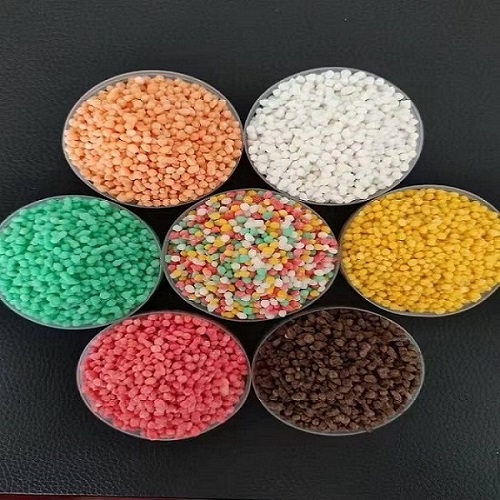
How to Use Ammonium Sulfate Fertilizer? Complete Benefits, Dosage & Application Guide
Ammonium sulfate is a classic nitrogen-sulfur dual-element fertilizer widely adopted in modern agriculture. Characterized by high solubility, rapid crop absorption and broad applicability, it works exceptionally well for conditioning clay and calcareous alkaline soil. It supplies nitrogen and sulfur essential for crop synthesis of chlorophyll and protein, visibly boosting crop quality and yields. Many growers fail to figure out its applicable soil types, matching crops, proper application periods and relevant restrictions, which easily leads to wasted fertilizer efficiency, excessive vegetative growth and unbalanced soil environment. This article systematically illustrates the physical & chemical properties, core merits, application methods, dosage standards of different formulations, applicable crops and common misconceptions of ammonium sulfate, helping farmers apply fertilizers scientifically and raise planting profits efficiently.
 28 2026-07
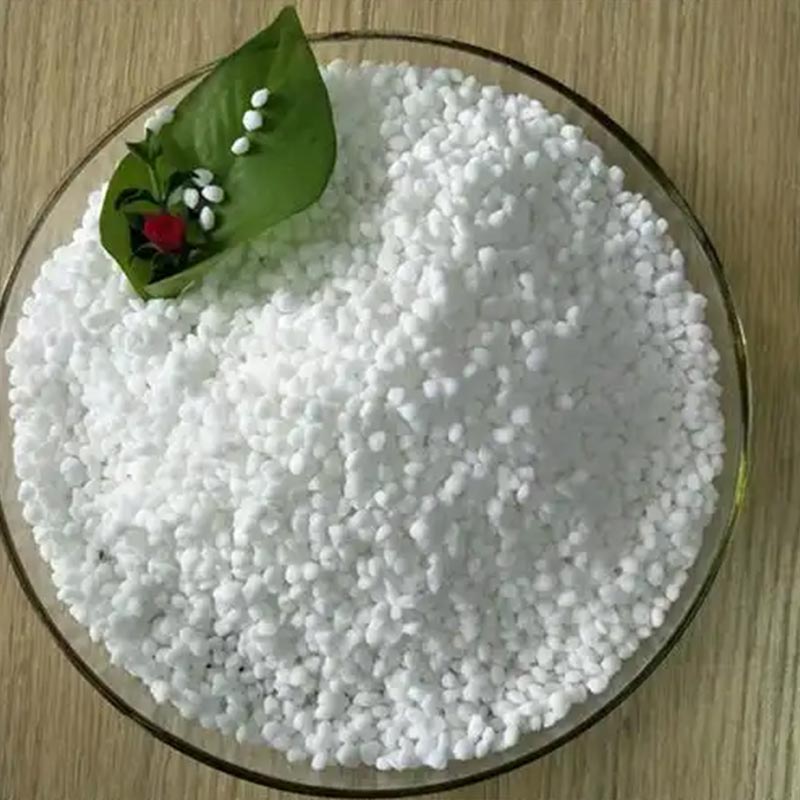
What Long-Term Soil Improvement Benefits Does Base Application of Granular Calcium Magnesium Bring to Greenhouse Vegetables With Continuous Cropping Acidified Soil?
Long-term continuous cropping and frequent nitrogen fertilizer application lower soil pH in greenhouses, accumulating toxic substances and causing root rot, small leaves and fruit cracking. Base application of granular calcium magnesium gently neutralizes soil acidity and supplies long-term calcium and magnesium. This article introduces its multiple improvement advantages, and provides complete fertilization schemes matched with NPK water-soluble fertilizers.
 27 2026-07
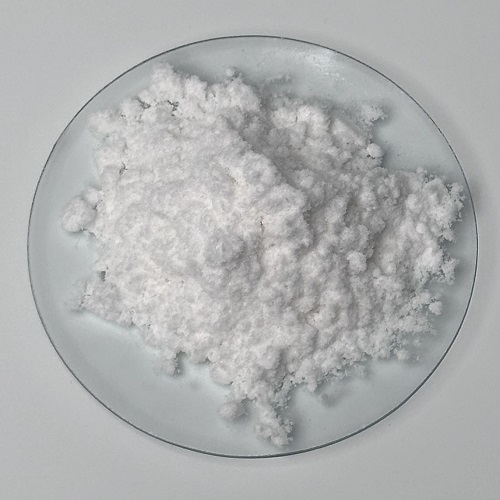
What Crops Can Use Ammonium Chloride? Functions, Advantages and Usage Taboos
Ammonium chloride is a high-quality nitrogen fertilizer widely used in modern agricultural production. It features high nitrogen content, stable fertilizer efficiency and cost-effective pricing, making it extremely popular for field crop cultivation. However, due to its chloride ion composition, many growers lack standardized application methods. Improper use often leads to soil acidification, crop damage and poor plant growth. To help farmers accurately master its applicable soil conditions, suitable crops, core benefits and key restrictions, this article comprehensively introduces the physical and chemical properties, agricultural functions, comparative advantages and scientific application techniques of ammonium chloride fertilizer.
 25 2026-07
How to Grasp the Optimal Spraying Period of Magnesium Sulfate to Improve Yellow Leaves Caused by Magnesium Deficiency in Field Crops
Long-term single application of nitrogen fertilizer leads to magnesium deficiency in wheat, rice and corn. Old leaves show interveinal chlorosis, weak photosynthesis and reduced grain weight. Foliar magnesium sulfate is quickly absorbed by crops. Mastering accurate spraying time is key to solving chlorosis and raising yields. This article introduces targeted spraying periods for different field crops and mixed application methods with NPK water-soluble fertilizers.
 24 2026-07
Why Are Water-Soluble Fertilizers Popular in Modern Agriculture? Benefits and Buying Guide
With the continuous upgrading of modern agricultural planting technology, traditional granular fertilizers can no longer meet the needs of efficient, water-saving and labor-saving refined planting. Water-soluble fertilizers have become the most popular new-type fertilizers for fruits, vegetables, flowers and field crops, thanks to their fast dissolution speed, high nutrient utilization rate, flexible application methods and perfect compatibility with water and fertilizer integration systems. Many farmers frequently use water-soluble fertilizers but lack a comprehensive understanding of their core advantages, applicable scenarios and scientific selection methods. This article elaborates on the definition, core benefits and professional selection skills of water-soluble fertilizers, helping growers choose and apply fertilizers scientifically to reduce costs and increase crop yield.
 23 2026-07
What Practical Benefits Do Water-Soluble NPK Fertilizers Bring to Nutrient Supplement in Acidified Orchards?
Long-term single nitrogen fertilizer application triggers severe soil acidification in orchards, causing leaf chlorosis and fruit cracking. RONGDA high-purity water-soluble NPK fertilizers feature balanced formulas suitable for drip fertilization on acidified land. This article elaborates on how water-soluble NPK fertilizers nourish fruit trees and optimize soil conditions, providing targeted fertilization plans for citrus, apple and other fruit varieties.