
What Crops Can Use Ammonium Chloride? Functions, Advantages and Usage Taboos
Ammonium chloride is a high-quality nitrogen fertilizer widely used in modern agricultural production. It features high nitrogen content, stable fertilizer efficiency and cost-effective pricing, making it extremely popular for field crop cultivation. However, due to its chloride ion composition, many growers lack standardized application methods. Improper use often leads to soil acidification, crop damage and poor plant growth. To help farmers accurately master its applicable soil conditions, suitable crops, core benefits and key restrictions, this article comprehensively introduces the physical and chemical properties, agricultural functions, comparative advantages and scientific application techniques of ammonium chloride fertilizer.

Table of Contents
1. Physical and Chemical Properties of Ammonium Chloride
2. Agricultural Applications and Key Usage Guidelines
3. Differences and Core Advantages Compared with Traditional Nitrogen Fertilizers
4. Scientific Application Precautions for Ammonium Chloride
Physical and Chemical Properties of Ammonium Chloride
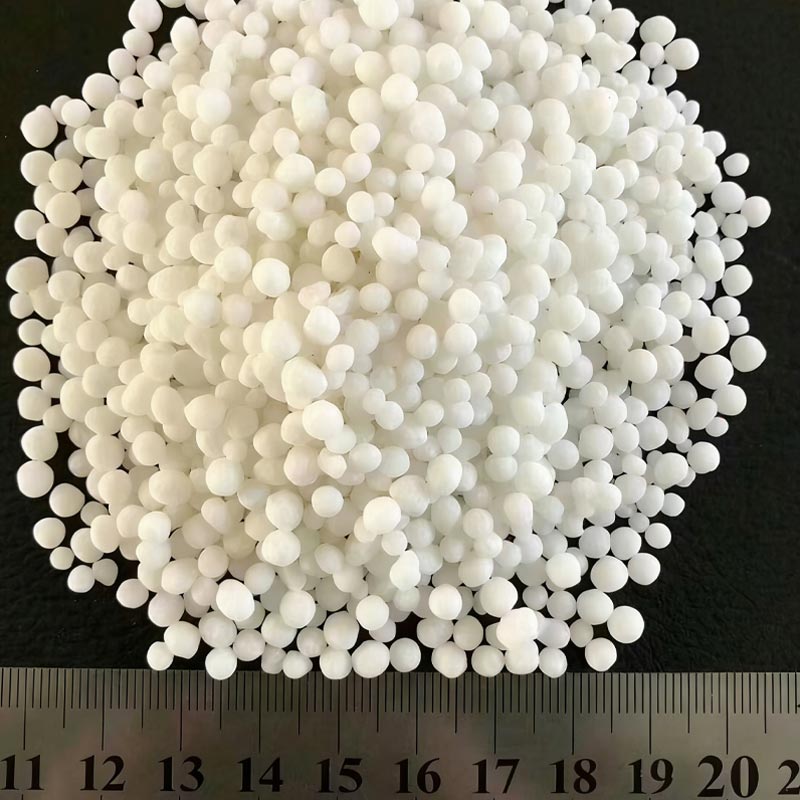
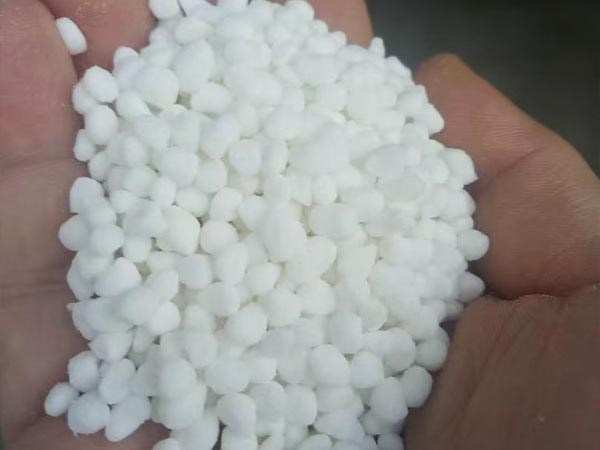
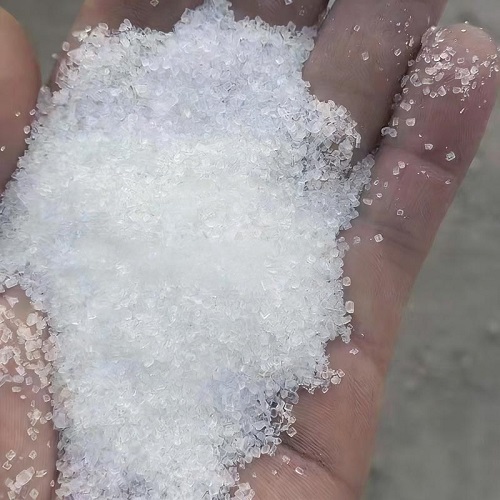
Ammonium chloride is a common inorganic compound with the chemical formula NH₄Cl, composed of ammonium ions and chloride ions. In its pure state, it appears as white crystalline powder with excellent water solubility. It dissolves rapidly in water without residues and can be easily absorbed by crop roots.
Naturally, ammonium chloride exists in volcanic sediments and specific minerals, which cannot meet large-scale agricultural demands. Agricultural-grade ammonium chloride is industrially synthesized through the chemical reaction of ammonia and hydrochloric acid. It features stable composition, high purity and few impurities. With unique physical and chemical characteristics, it is widely applied in agricultural fertilization and various industrial fields.
Agricultural Applications and Key Usage Guidelines
As an efficient agricultural nitrogen fertilizer, standard ammonium chloride contains approximately 25% nitrogen. It can rapidly supply nitrogen nutrients for crops, promote stem and leaf growth, enhance photosynthesis and support stable yield increase. It supports flexible application methods, including direct soil spreading, furrow application, and mixed use with organic fertilizers, phosphate and potassium fertilizers, perfectly adapting to large-scale field planting.
Due to chloride ion characteristics, its application has clear limitations:
1. It is most suitable for neutral and alkaline soil, which can balance soil nutrients without causing extra soil pressure;
2. Long-term continuous use on acidic soil is prohibited, as it will aggravate soil acidification, damage soil structure and hinder crop growth;
3. It should be used with caution for chlorine-sensitive crops such as tobacco and tea, to avoid chloride accumulation that affects crop quality and normal development.
Differences and Core Advantages Compared with Traditional Nitrogen Fertilizers
Compared with conventional nitrogen fertilizers such as urea, ammonium chloride provides dual benefits instead of simply supplementing nitrogen.
On the one hand, its ammonium nitrogen can be quickly adsorbed by soil and absorbed by crops, effectively solving common problems including nitrogen deficiency yellowing, weak growth and stunted development, ensuring sufficient nutrition throughout the growing season.
On the other hand, the contained chloride ions can inhibit the reproduction of some soil-borne pathogens, reduce the incidence of soil-borne diseases and assist in protecting crop roots and strengthening seedlings.
Nevertheless, long-term single application of ammonium chloride may cause salt accumulation and soil hardening. It is recommended to rotate and mix with organic fertilizers and decomposed farmyard manure, and regularly test soil pH and salt content to maintain healthy soil conditions.
Scientific Application Precautions for Ammonium Chloride
1. Distinguish soil properties strictly. Intermittent use is allowed on acidic soil instead of continuous annual application; normal application is safe for neutral and saline-alkali soil.
2. Avoid chlorine-sensitive cash crops and prioritize field grain crops to prevent blind universal fertilization.
3. Control fertilization frequency and dosage to prevent excessive chloride accumulation, soil hardening and nutrient imbalance.
4. Adopt mixed fertilization strategies. For long-term cultivated land, match with organic fertilizers to improve soil quality and relieve hardening problems.
Conclusion
Ammonium chloride is a cost-effective and high-efficiency nitrogen fertilizer with high nitrogen content. It can not only supplement nitrogen to boost crop growth but also inhibit soil-borne diseases, making it highly suitable for neutral and alkaline soil as well as various field grain crops. Due to its chlorine-containing properties, growers must control the dosage and frequency for chlorine-sensitive crops and acidic soil. Rotational application with organic fertilizers can maximize fertilizer efficiency, avoid fertilization risks and achieve stable and high crop yields.
FAQ
Q1: Which is better for field crops, ammonium chloride or urea?
A: Both have unique advantages. Ammonium chloride is more cost-effective and can assist in inhibiting soil-borne diseases, ideal for grain crops such as wheat and corn. Urea acts faster and adapts to more crop types for rapid nitrogen supplementation. Farmers can rotate them according to actual soil conditions.
Q2: Is ammonium chloride completely unavailable for acidic soil?
A: It is not absolutely forbidden, but long-term continuous single use is not allowed. Intermittent and moderate application with alkaline organic fertilizers can neutralize soil acidity and avoid continuous soil deterioration.
Q3: Can ammonium chloride be used for foliar spraying?
A: Foliar spraying is not recommended. Ammonium chloride has a high chloride concentration, which may burn crop leaves after spraying. Soil base fertilization and topdressing are the most effective application methods.
Q4: What are the impacts of long-term ammonium chloride application?
A: Long-term single use will cause chloride enrichment, increased soil salinity, soil hardening and acidification, reducing soil fertility and restricting root growth. Rotational fertilization can effectively avoid these risks.
If you are looking for a reliable supplier of agricultural ammonium chloride with stable quality and professional support, Tianjin Rongda Fertilizer Co., Ltd. is always ready to provide you with assistance. Contact us today to find out how our fertilizer solutions can boost your agricultural productivity.
Related News
- How Do Controlled-Release Curves Match Crop Demand?
- Can Magnesium Sulfate Be Used in Saline-Alkali Soil? What Are the Risks of Long-Term Application?
- How Do You Turn a Soil Test into a Blend Sheet?
- How Does Applying Magnesium Sulfate After Grape Harvest Help Bud Burst in the Next Year?
- Which Magnesium Sulfate Fits Your Ground?
- Can Foliar Spraying Magnesium Sulfate During Fruit Expansion Improve Fruit Sweetness?
Leave me a message