
Why Are Water-Soluble Fertilizers Popular in Modern Agriculture? Benefits and Buying Guide
With the continuous upgrading of modern agricultural planting technology, traditional granular fertilizers can no longer meet the needs of efficient, water-saving and labor-saving refined planting. Water-soluble fertilizers have become the most popular new-type fertilizers for fruits, vegetables, flowers and field crops, thanks to their fast dissolution speed, high nutrient utilization rate, flexible application methods and perfect compatibility with water and fertilizer integration systems. Many farmers frequently use water-soluble fertilizers but lack a comprehensive understanding of their core advantages, applicable scenarios and scientific selection methods. This article elaborates on the definition, core benefits and professional selection skills of water-soluble fertilizers, helping growers choose and apply fertilizers scientifically to reduce costs and increase crop yield.

Table of Contents
1. What Is Water-Soluble Fertilizer? Core Differences from Traditional Fertilizers
2. Core Advantages of Water-Soluble Fertilizers and Their Growing Popularity
3. How to Choose High-Quality Water-Soluble Fertilizers? Professional Buying Tips
What Is Water-Soluble Fertilizer? Core Differences from Traditional Fertilizers
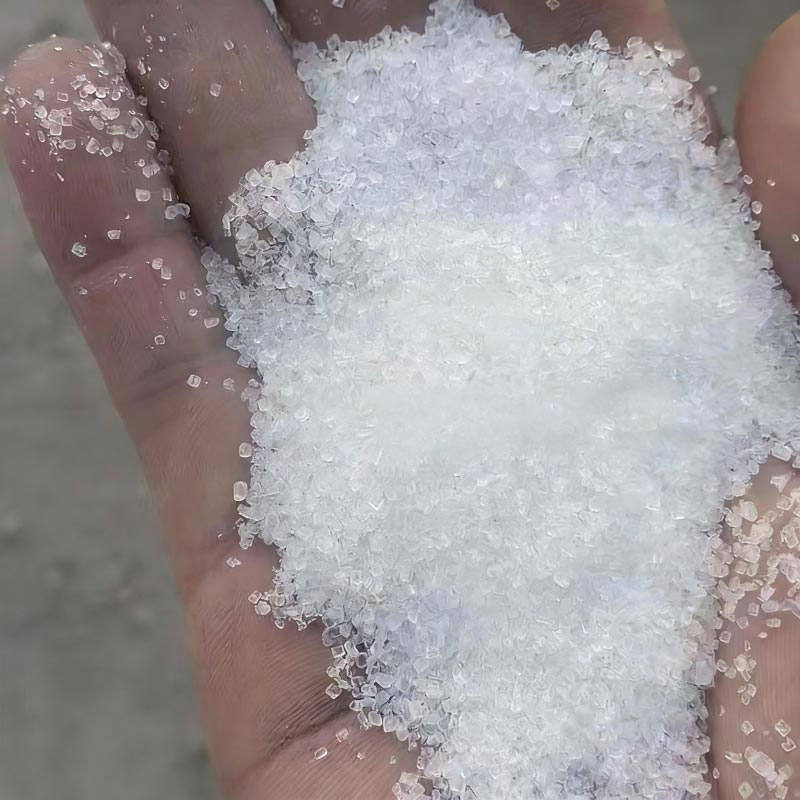
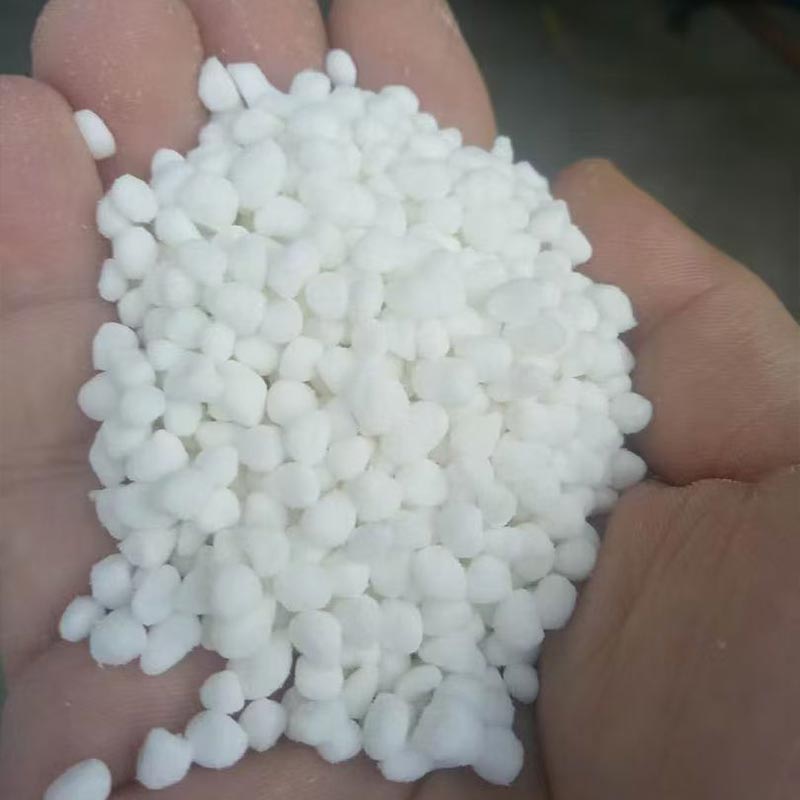
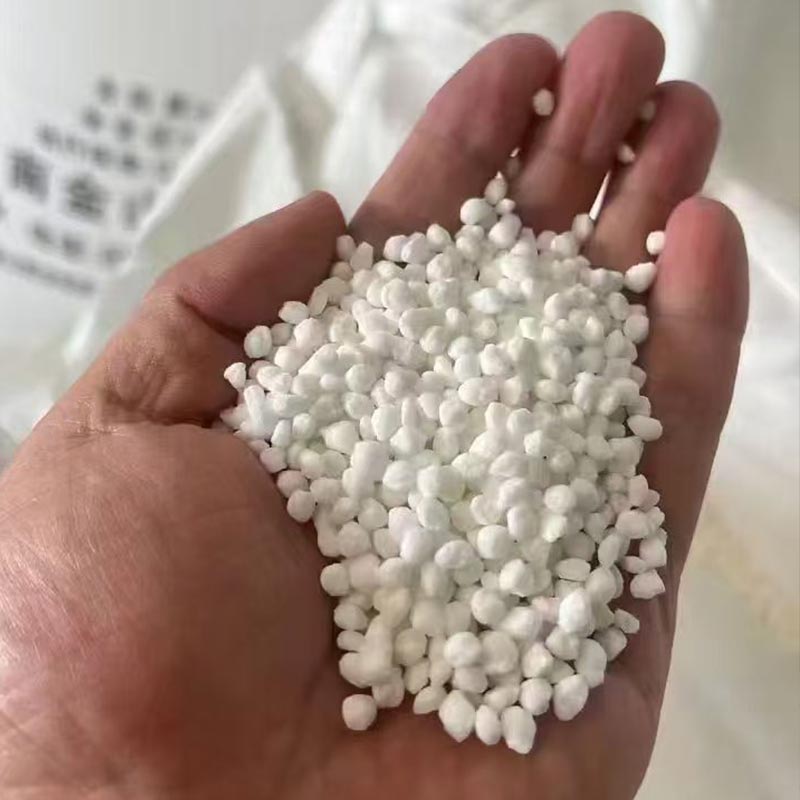
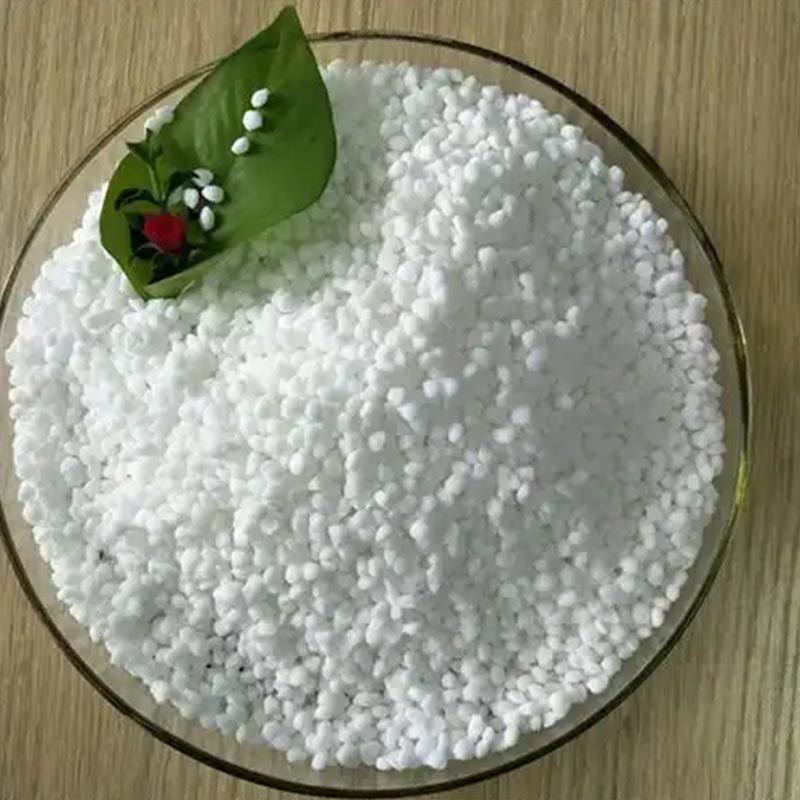
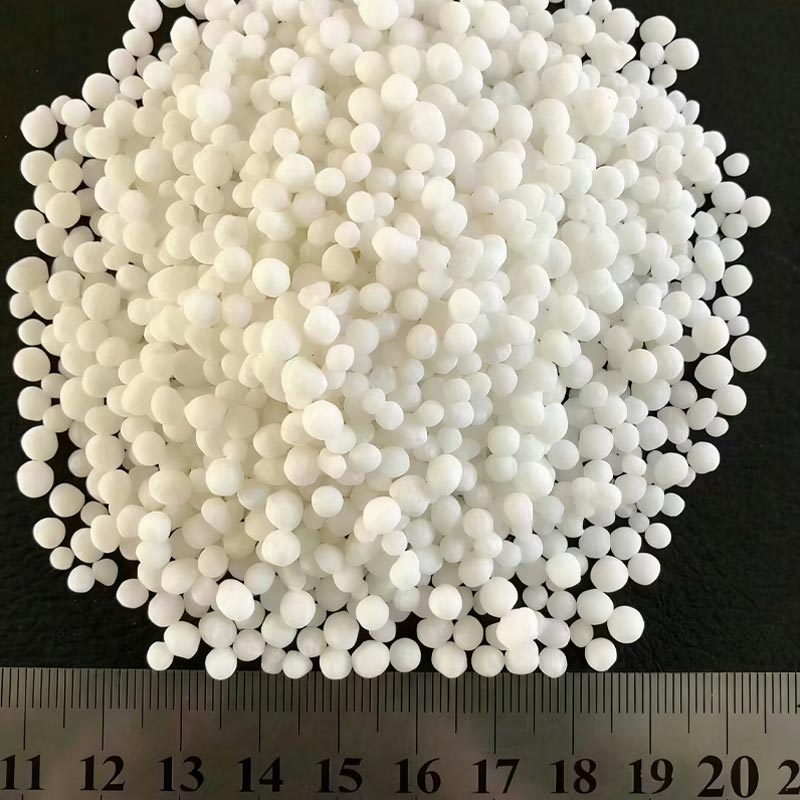
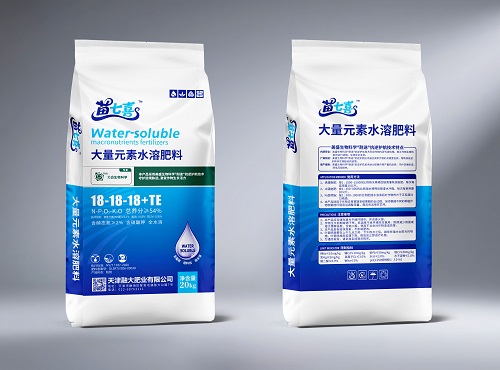
Water-soluble fertilizer is a new type of multi-compound fertilizer that can be completely dissolved in water, specially designed for modern facility agriculture. Its most prominent advantage over traditional fertilizers is excellent water solubility. It can dissolve rapidly and thoroughly in water without long-time precipitation or manual stirring, and the diluted solution is ready for direct fertilization use.
Traditional granular fertilizers have poor solubility, leaving a large number of impurities and sediments after mixing with water. This not only wastes water and fertilizer resources but also easily blocks irrigation equipment and reduces fertilization efficiency. In contrast, high-quality water-soluble fertilizer dissolves completely without residues and features uniform nutrient distribution. Its nutrients can be quickly absorbed by crop roots and leaves, perfectly matching modern irrigation methods such as sprinkler irrigation and drip irrigation. It realizes water-saving, fertilizer-saving and labor-saving planting, fully adapting to the development of modern precision agriculture.
Core Advantages of Water-Soluble Fertilizers and Their Growing Popularity
Water-soluble fertilizers have gradually replaced traditional fertilizers and become mainstream in modern agriculture, mainly due to their scientific formulas, efficient fertilization performance and wide adaptability to various crop growth cycles.
Scientific Formula Avoids Nutrient Waste: Water-soluble fertilizers are professionally formulated according to the nutritional needs of different crops at various growth stages, including seedling, flowering and fruit expansion periods. They precisely supplement missing nutrients without excessive fertilization or nutrient surplus, maximizing fertilizer utilization rate and preventing soil nutrient accumulation and loss.
Flexible Application for Diverse Planting Scenarios: This fertilizer supports multiple fertilization methods, including water flushing, foliar spraying, drip irrigation, sprinkler irrigation and soilless cultivation. It is widely applicable to open-field crops, greenhouse vegetables, fruit orchards and flower cultivation, completely solving the cumbersome and labor-intensive problems of traditional fertilization modes.
Rapid Absorption Improves Yield and Quality: Nutrients exist in ionic state in the aqueous solution, which can be directly absorbed and utilized by crops without soil conversion. It can quickly improve common crop problems such as weak growth, yellow leaves and nutrient deficiency, effectively boosting crop yield and optimizing fruit appearance and taste.
Labor and Cost Saving: Combined with water and fertilizer integration technology, water-soluble fertilizers eliminate the need for manual spreading and soil covering. They greatly reduce labor investment, save water and fertilizer resources, and effectively lower the overall planting cost for long-term cultivation.
How to Choose High-Quality Water-Soluble Fertilizers? Professional Buying Tips
The current market is flooded with various water-soluble fertilizer brands with uneven quality. Low-quality products fail to deliver yield-increasing effects, and may cause pipeline blockage, seedling burning, insufficient nutrients and crop damage, resulting in unnecessary planting losses. Mastering scientific selection methods is essential for efficient fertilization.
- Check Dissolution Status (Most Intuitive Standard): High-quality water-soluble fertilizer dissolves completely in water, forming a clear solution without impurities, sediments or floating substances. Inferior fertilizers have incomplete dissolution with numerous residues, which easily block drip tapes and nozzles and cause uneven field fertilization.
- Verify Raw Materials and National Standards: Formal high-quality water-soluble fertilizers adopt high-purity industrial-grade raw materials without filler additives, with a nutrient utilization rate of over 90%. They strictly comply with national agricultural standards with complete qualifications and clear nutrient labeling, avoiding fake and shoddy products with false nutrient content.
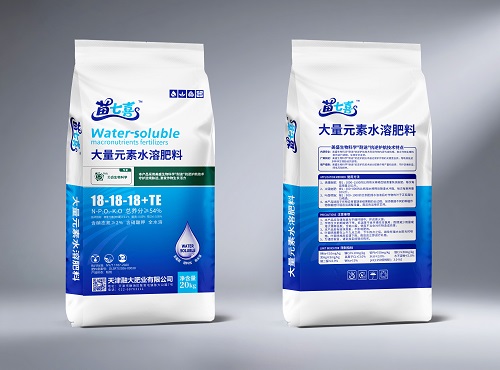
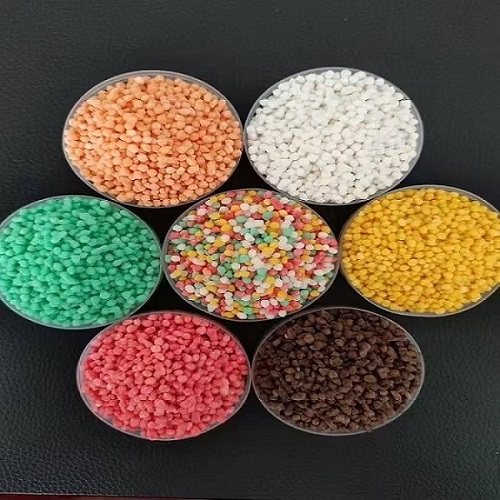
- Confirm Nutrient Ratio and Adaptability: Premium water-soluble fertilizers have balanced nutrient ratios, containing not only basic nitrogen, phosphorus and potassium but also a variety of medium and trace elements. They can fully meet the growth needs of various crops and adapt to different soil conditions and planting scenarios.
Selecting qualified water-soluble fertilizers can steadily supplement balanced nutrients, improve soil conditions and achieve high yield and quality. Inappropriate fertilizer selection will hinder crop growth and increase planting costs.
Summary
With the advantages of fast dissolution, high nutrient absorption rate, water and labor saving, flexible formula and wide adaptability, water-soluble fertilizer has become an indispensable and efficient new-type fertilizer in modern agriculture. Reasonable selection of formal and high-quality water-soluble fertilizers can accurately supplement crop nutrients, reduce nutrient waste, improve soil environment, and stabilize and increase crop yield and quality, making it the preferred choice for large-scale and refined planting.
FAQ
Q1: Can water-soluble fertilizer replace ordinary compound fertilizer for long-term use?
A: Yes. High-quality water-soluble fertilizer features balanced nutrients, faster absorption and higher utilization rate. Long-term application will not cause soil compaction or salinization. It is more suitable for refined agricultural planting and can be used as the main fertilizer for long-term crop cultivation.
Q2: Is a small amount of sediment in water-soluble fertilizer normal?
A: Qualified high-quality water-soluble fertilizer should be fully water-soluble with zero residues. Obvious sediments and impurities are usually caused by low-purity raw materials and fillers. Such products are not recommended for use, as they will block irrigation equipment and affect fertilization effects.
Q3: Are water-soluble fertilizers suitable for all crops?
A: Absolutely. Water-soluble fertilizers have strong universality, applicable to field crops such as wheat and corn, cash crops such as tomatoes, fruits and vegetables, as well as various flowers and seedlings. The formula and concentration can be adjusted according to different crop growth stages.
Q4: Does more frequent fertilization with water-soluble fertilizer bring better results?
A: No. It is necessary to follow the principle of "small quantity and frequent application". Excessively frequent and excessive fertilization will lead to nutrient surplus, root burning, seedling damage and soil salinization. Fertilizing every 7 to 10 days according to crop growth status achieves the best effect.
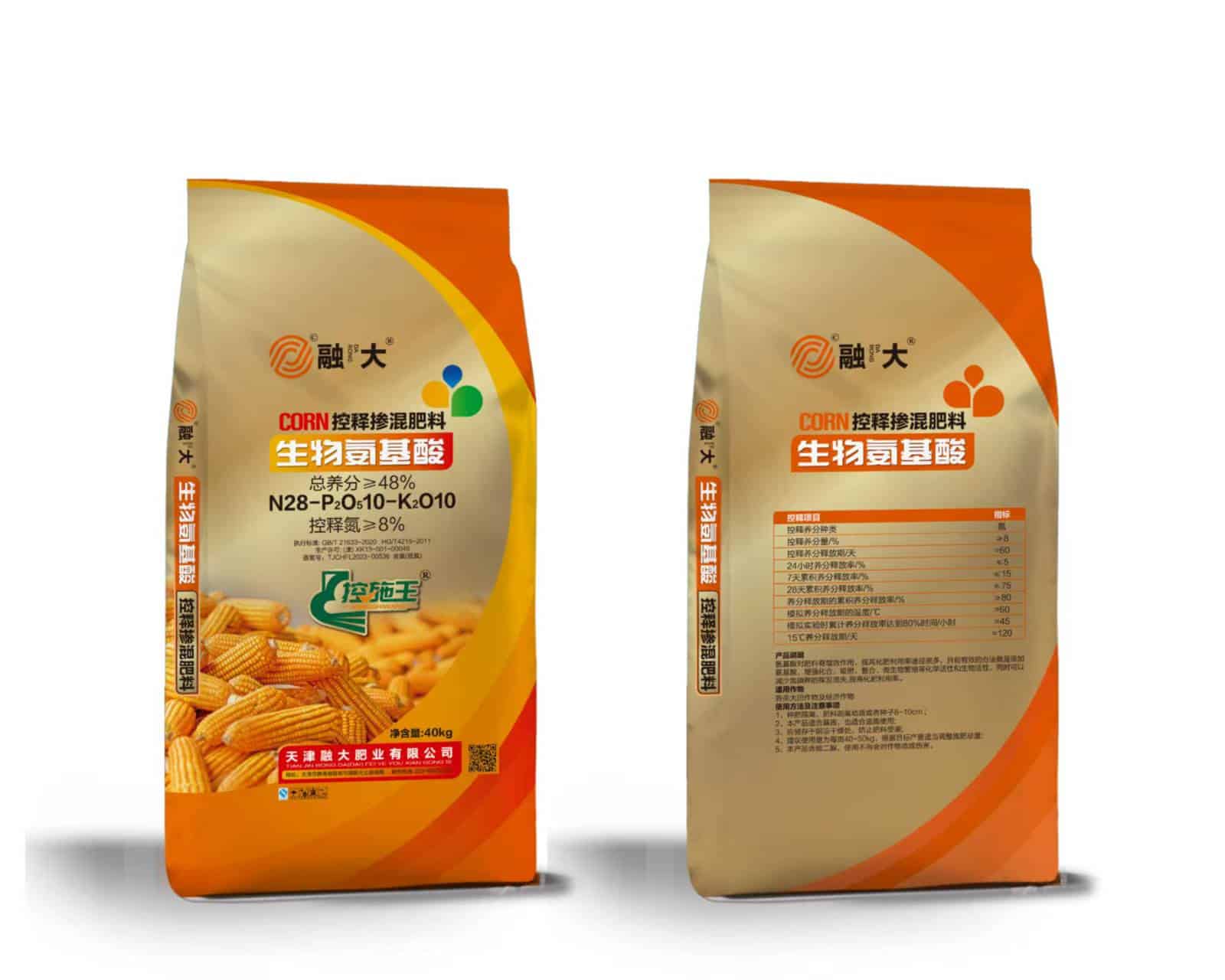
If you are looking for a reliable supplier of water-soluble fertilizers with stable quality and professional support, Tianjin Rongda Fertilizer Co., Ltd. is always ready to provide you with assistance. Contact us today to find out how our fertilizer solutions can boost your agricultural productivity.
Related News
- How Do Controlled-Release Curves Match Crop Demand?
- Can Magnesium Sulfate Be Used in Saline-Alkali Soil? What Are the Risks of Long-Term Application?
- How Do You Turn a Soil Test into a Blend Sheet?
- How Does Applying Magnesium Sulfate After Grape Harvest Help Bud Burst in the Next Year?
- Which Magnesium Sulfate Fits Your Ground?
- Can Foliar Spraying Magnesium Sulfate During Fruit Expansion Improve Fruit Sweetness?
Leave me a message