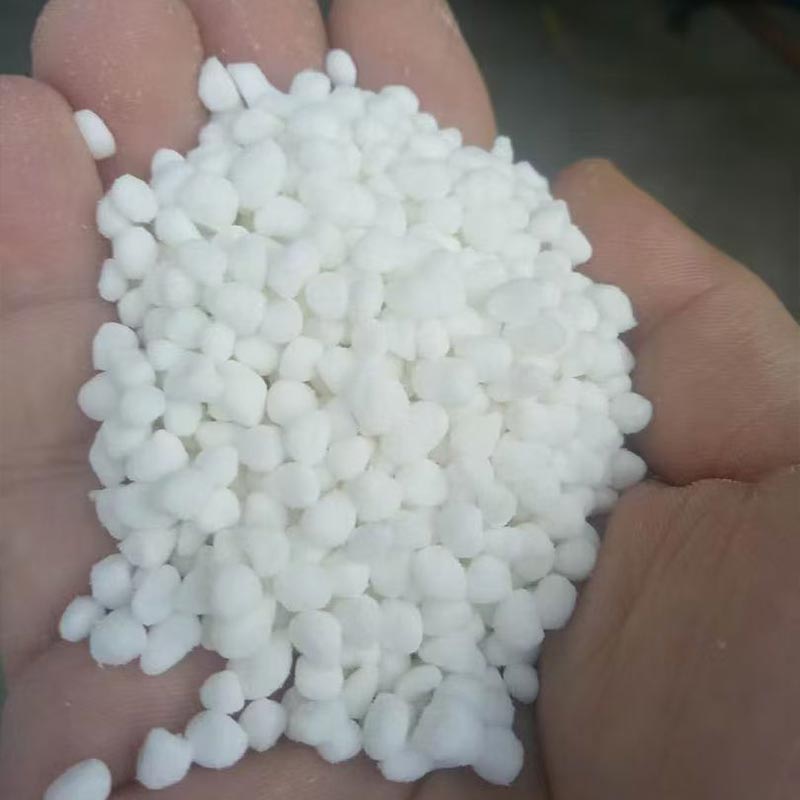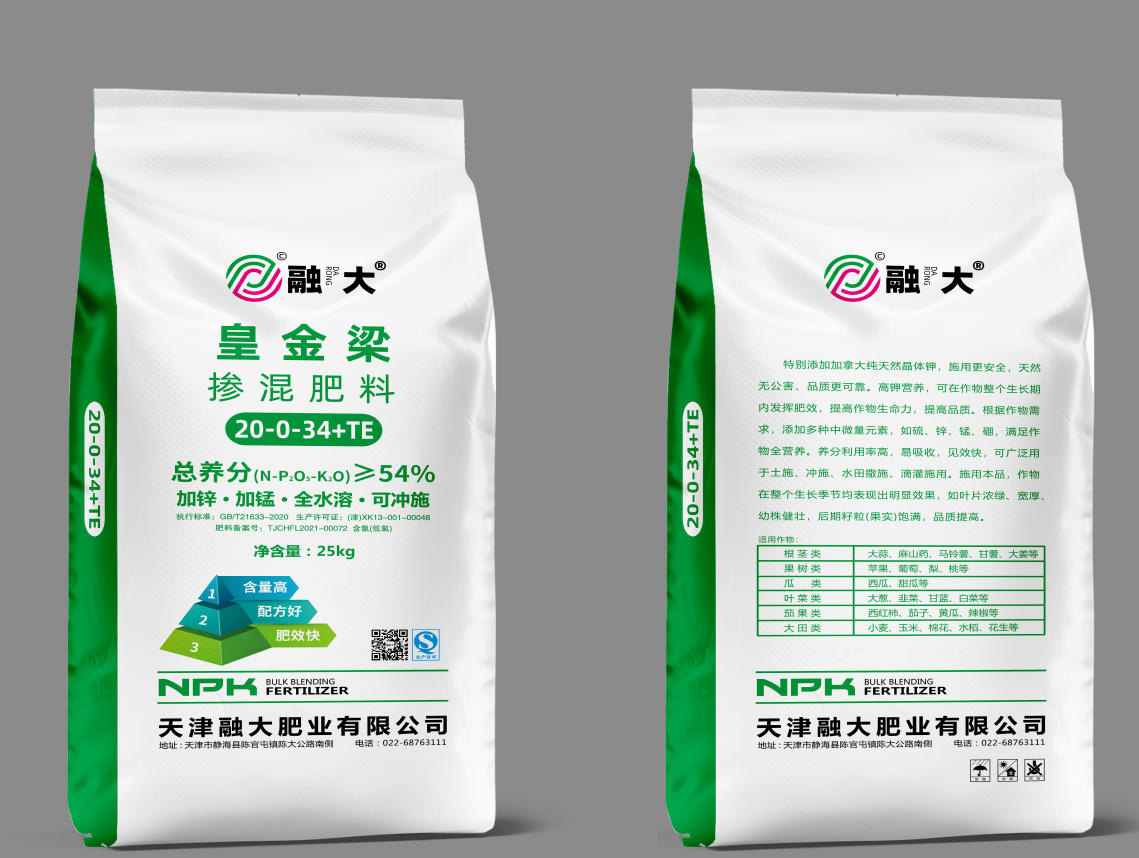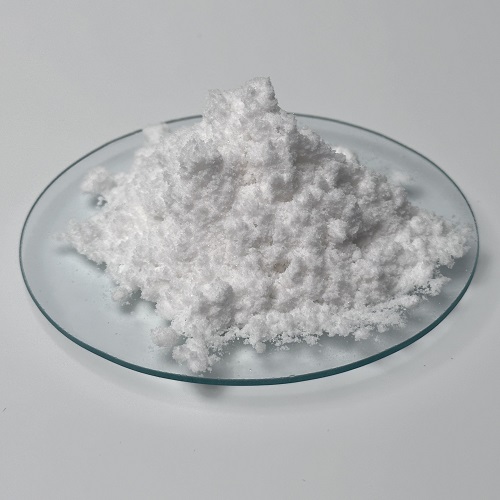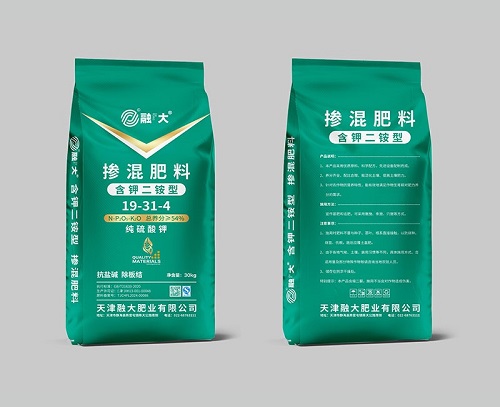

What Practical Benefits Do Water-Soluble NPK Fertilizers Bring to Nutrient Supplement in Acidified Orchards?
Long-term single nitrogen fertilizer application triggers severe soil acidification in orchards, causing leaf chlorosis and fruit cracking. RONGDA high-purity water-soluble NPK fertilizers feature balanced formulas suitable for drip fertilization on acidified land. This article elaborates on how water-soluble NPK fertilizers nourish fruit trees and optimize soil conditions, providing targeted fertilization plans for citrus, apple and other fruit varieties.

Table of Contents
1. Common Planting Dilemmas of Acidified Orchards
2. Five Core Practical Advantages of Water-Soluble NPK Fertilizers for Acidified Orchards
3. Practical Effects of Applying Water-Soluble NPK Fertilizers on Various Acid-Loving Fruit Trees
4. Fertigation Mixing & Application Standards for Orchards
5. Unique Product Strengths of RONGDA Water-Soluble NPK Fertilizers
6. Frequently Asked Questions (FAQ)
Common Planting Dilemmas of Acidified Orchards
Years of overusing urea and ammonium chloride continuously lower soil pH, activating toxic aluminum ions that damage root systems. Unbalanced soil nutrients lead to yellow new shoots and fruit drop, while weakened soil microbes reduce ordinary fertilizer absorption. Water-soluble NPK fertilizers can perfectly solve such nutrient supply bottlenecks for fruit growers.
Five Core Practical Advantages of Water-Soluble NPK Fertilizers for Acidified Orchards
1. Balanced NPK Supply Rapidly Alleviates Crop Nutrient Deficiency
Root absorption capacity declines sharply in acidic soil, while solid compound fertilizers take effect slowly. Dissolved in irrigation water, water-soluble NPK fertilizers flow straight to root zones, effectively improving chlorosis and ensuring adequate nutrients during blooming and fruit setting periods.
2. Mild Weak-Acid Formula Without Aggravating Soil Acidification
Common liquid nitrogen fertilizers generate acid during decomposition and worsen soil degradation. RONGDA water-soluble NPK fertilizers carry mild pH values that will not drastically cut soil pH value. Combined with calcium magnesium fertilizer, they maintain ideal soil acidity for fruit tree growth.
3. Fully Soluble Zero-Residue Design Matches Orchard Drip & Micro-Spray Equipment
Most acidified orchards adopt integrated water and fertilizer systems, and low-grade fertilizers easily form sediment to block pipelines. Dissolving completely with transparent liquid, water-soluble NPK fertilizers greatly cut manual labor on filter and dripper cleaning, making them widely favored by orchard farmers.
4. Boost Tree Stress Resistance & Reduce Physiological Diseases in Acidified Land
Fruit tree roots turn fragile under acidic environments, prone to fruit cracking, fruit drop and small-leaf disease. Balanced nutrients from water-soluble NPK fertilizers strengthen branches and roots, lifting drought and disease resistance and minimizing fruit disorders induced by acidified soil.
5. Strong Compatibility for Mixing with Calcium Ammonium Nitrate & Calcium Magnesium Fertilizer
The liquid solution of water-soluble NPK fertilizers stays stable and can blend with diluted calcium ammonium nitrate or granular calcium magnesium fertilizer to supply multiple nutrients at once. Avoid mixing with strong alkaline lime to prevent nutrient precipitation inside water-soluble NPK fertilizers.
Practical Effects of Applying Water-Soluble NPK Fertilizers on Various Acid-Loving Fruit Trees
Regular drip irrigation with water-soluble NPK fertilizers helps citrus trees grow green spring shoots, lift fruit setting rate and produce smooth peel with less rough skin. Apple and cherry trees recover from yellow and small leaves, bearing sweeter fruits. Acid-preferring blueberries gain stable nutrients for consistent annual yields.
Fertigation Mixing & Application Standards for Orchards
Dilute water-soluble NPK fertilizers 500 to 800 times for daily growth stages and slightly raise concentration during fruit swelling. Apply fertilizers three times yearly at budding, fruit setting and fruit expansion. Match base granular calcium magnesium fertilizer to neutralize acidic soil. Flush pipelines with clean water after use to avoid crystal residue of water-soluble NPK fertilizers.
Unique Product Strengths of RONGDA Water-Soluble NPK Fertilizers
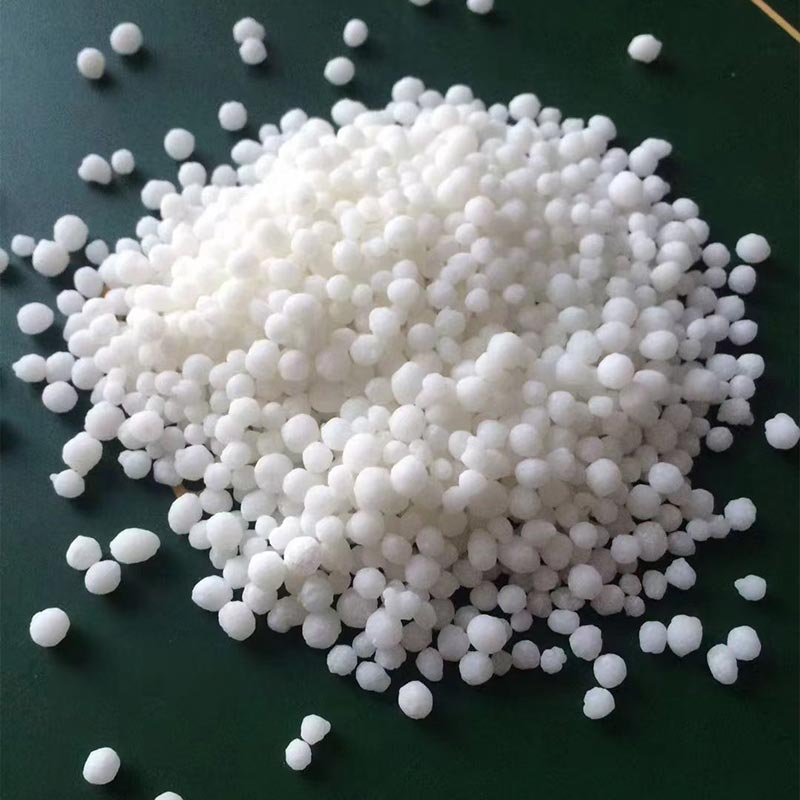
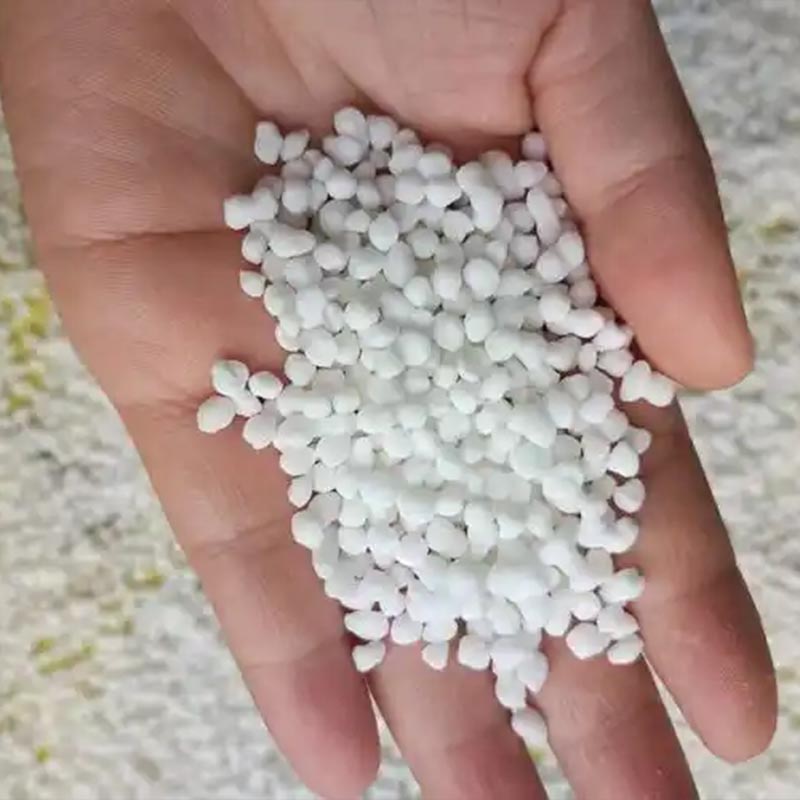
Produced with high-purity raw materials, our water-soluble NPK fertilizers contain heavy metals far below industrial standards. Multiple NPK ratios fit different growth cycles of fruit trees. Fast-dissolving and anti-caking for easy operation, various package specifications adapt to automated fertigation equipment in large orchards.
Frequently Asked Questions (FAQ)
Q1: Do acidified orchards still need soil conditioners if we only use water-soluble NPK fertilizers?
A1: Water-soluble NPK fertilizers only provide macro nutrients and cannot neutralize soil acidity. Apply granular calcium magnesium fertilizer as base fertilizer every year to achieve long-term soil improvement.
Q2: Can blueberries that favor acidic soil use this batch of water-soluble NPK fertilizers all year round?
A2: Absolutely suitable. Its mild formula avoids excessive soil acidification. You can apply water-soluble NPK fertilizers via drip irrigation throughout the whole growth cycle to meet blueberries’ full-cycle NPK demands.
Q3: Can water-soluble NPK fertilizers be mixed with crystallized ammonium chloride for drip irrigation?
A3: Mixing is allowed for chlorine-tolerant fruit trees to boost nitrogen supply. Chlorine-sensitive crops such as citrus and grapes are forbidden to mix crystallized ammonium chloride with water-soluble NPK fertilizers.
Q4: If orchard soil is waterlogged after heavy rain, can we still apply water-soluble NPK fertilizers via flushing?
A4: Waterlogged roots suffer oxygen shortage and poor nutrient absorption. Perform fertigation with water-soluble NPK fertilizers 3 to 5 days after complete drainage to prevent nutrient waste.
Conclusion
Poor root absorption and nutrient imbalance in acidified orchards severely restrict fruit yield and quality. Water-soluble NPK fertilizers deliver quick NPK supply with a mild soil-friendly formula, perfectly matching orchard integrated fertigation systems to strengthen shoots, retain fruits and lower equipment maintenance costs. RONGDA water-soluble NPK fertilizers with diversified ratios fit all types of fruit trees. Combined with calcium magnesium fertilizer, they thoroughly tackle common cultivation troubles of acidified orchards. Feel free to contact us for customized professional fertilization formulas for fruit planting.
Related News
- How Do Controlled-Release Curves Match Crop Demand?
- Can Magnesium Sulfate Be Used in Saline-Alkali Soil? What Are the Risks of Long-Term Application?
- How Do You Turn a Soil Test into a Blend Sheet?
- How Does Applying Magnesium Sulfate After Grape Harvest Help Bud Burst in the Next Year?
- Which Magnesium Sulfate Fits Your Ground?
- Can Foliar Spraying Magnesium Sulfate During Fruit Expansion Improve Fruit Sweetness?
Leave me a message