
How to Use Ammonium Sulfate Fertilizer? Complete Benefits, Dosage & Application Guide
Ammonium sulfate is a classic nitrogen-sulfur dual-element fertilizer widely adopted in modern agriculture. Characterized by high solubility, rapid crop absorption and broad applicability, it works exceptionally well for conditioning clay and calcareous alkaline soil. It supplies nitrogen and sulfur essential for crop synthesis of chlorophyll and protein, visibly boosting crop quality and yields. Many growers fail to figure out its applicable soil types, matching crops, proper application periods and relevant restrictions, which easily leads to wasted fertilizer efficiency, excessive vegetative growth and unbalanced soil environment. This article systematically illustrates the physical & chemical properties, core merits, application methods, dosage standards of different formulations, applicable crops and common misconceptions of ammonium sulfate, helping farmers apply fertilizers scientifically and raise planting profits efficiently.

Table of Contents
1. Basic Definition & Physical-Chemical Properties of Ammonium Sulfate
2. Core Advantages & Functional Characteristics of Agricultural Ammonium Sulfate
3. Optimal Application Periods & Standard Operation Methods
4. Usage & Dosage Recommendations for Different Ammonium Sulfate Formulations
5. Applicable Crops & Suitable Soil Conditions for Ammonium Sulfate
6. Taboos & Key Notes During Ammonium Sulfate Application
Basic Definition & Physical-Chemical Properties of Ammonium Sulfate
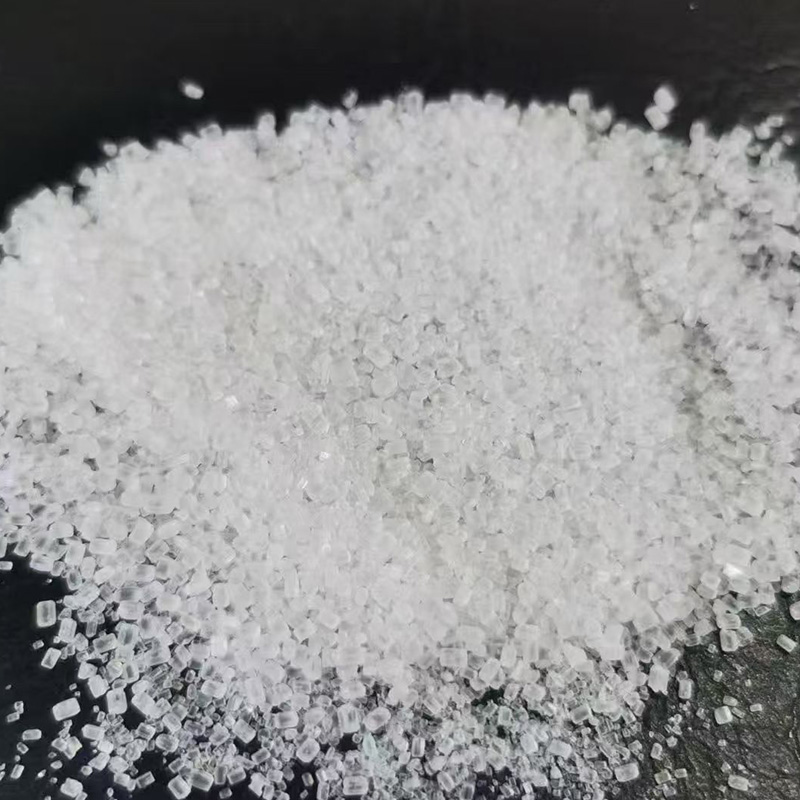
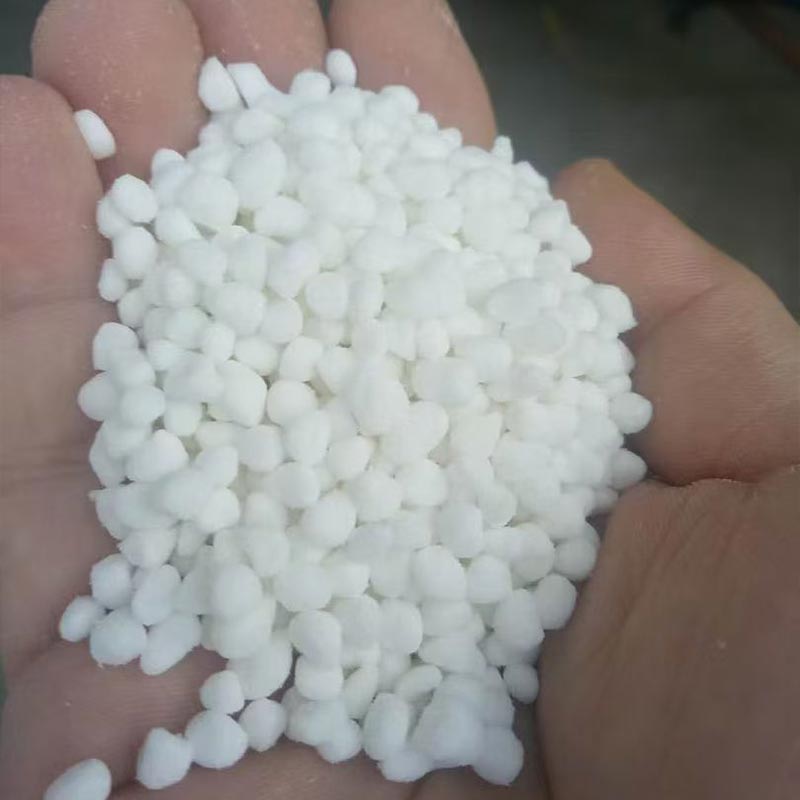
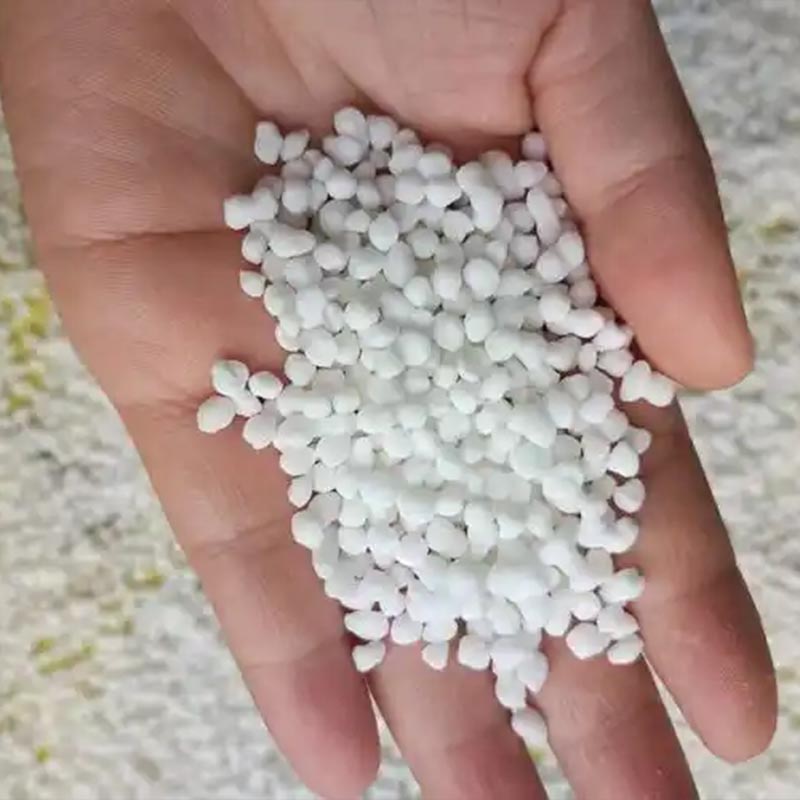
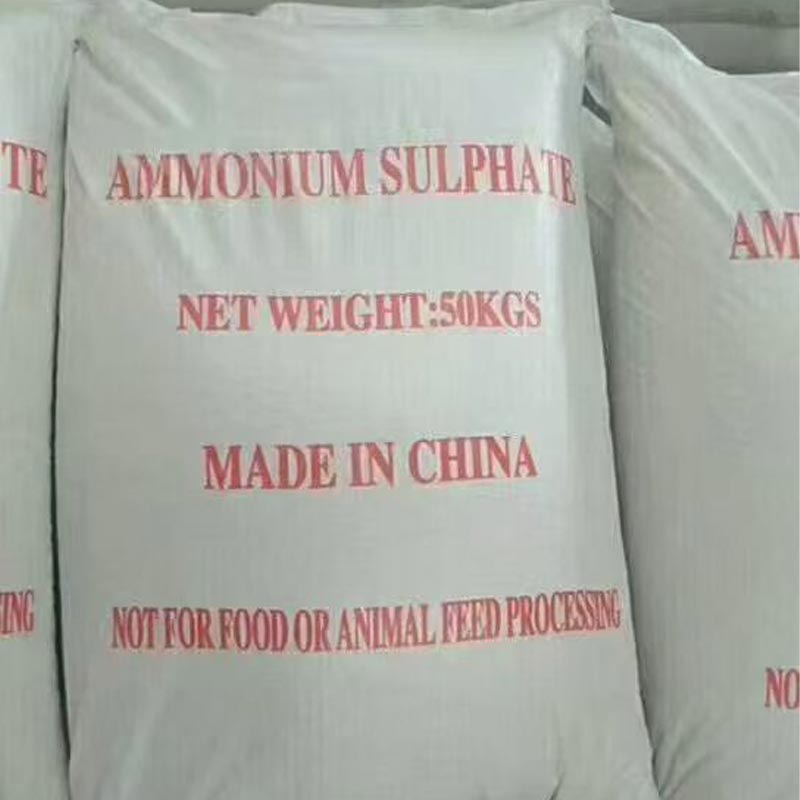
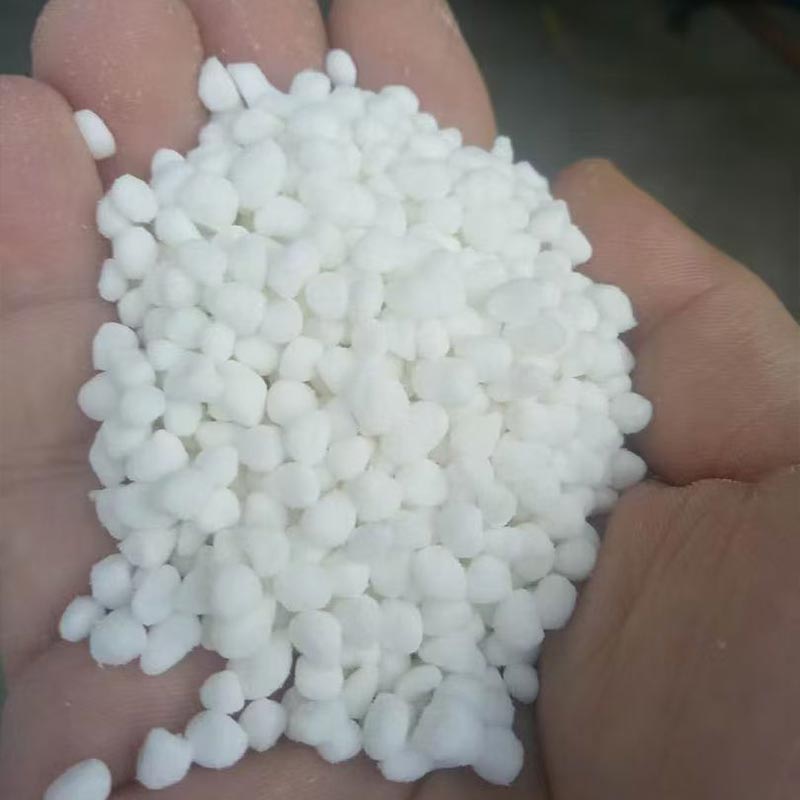
Commonly shortened to ammonium sulphate, ammonium sulfate is an inorganic synthetic fertilizer manufactured via the chemical reaction between ammonia and sulfuric acid, with the molecular formula (NH₄)₂SO₄. The finished product exists as odorless white crystals or granular particles with outstanding water solubility; it dissolves faster under high temperature without insoluble residues, perfectly matching drip irrigation, sprinkler irrigation and other integrated water & fertilizer systems.
Premium agricultural-grade ammonium sulfate contains 21% ammonium nitrogen and 24% sulfate sulfur in stable proportions. Nitrogen facilitates foliage development and strengthens photosynthesis for crops, while sulfur participates in the synthesis of protein and carbohydrates to improve fruit appearance and flavor. It serves as a multi-functional fertilizer that realizes both seedling strengthening and quality improvement.
Core Advantages & Functional Characteristics of Agricultural Ammonium Sulfate
Compared with ordinary single-component nitrogen fertilizers, ammonium sulfate owns comprehensive strengths suitable for precision agricultural planting:
1. Fast dual-nutrient uptake: Ammonium nitrogen and sulfate sulfur can be absorbed by crop roots directly without soil conversion, rapidly alleviating leaf yellowing, poor vigor and growth stagnation caused by nutrient deficiency.
2. Alkaline soil remediation & nutrient activation: It delivers mild acid regulation effects, ideal for calcareous soil and alkaline clay land. It activates fixed phosphorus and trace elements inside soil to solve the difficulty of nutrient absorption on alkaline plots.
3. Reduced nutrient leaching loss: Ammonium ions can firmly combine with soil colloids to avoid being washed away by rainwater or irrigation water, extending fertilizer validity and improving overall utilization rate.
4. Strong compatibility & flexible application modes: It is mixable with most conventional agrochemical fertilizers, supporting broadcasting, furrow application, fertigation and foliar spraying for open fields, greenhouses and hydroponic cultivation.
5. Cost-effective yield & quality improvement: Rational application accelerates fruit expansion, uniform pigmentation and sugar accumulation with low input costs and stable yield growth performance.
6. Eco-friendly with low pollution risks: It causes less nitrogen volatilization and water pollution than other nitrogen products, meeting the development demands of eco-friendly agriculture.
Optimal Application Periods & Standard Operation Methods
Fertilizer efficiency is largely determined by the application timing of ammonium sulfate, which should be arranged according to crop growth stages and actual soil conditions.
Best application window: Basal application before sowing and topdressing at the seedling stage & early growth stage are preferred when crops have the highest demand for nitrogen and sulfur. Avoid application under high-temperature noons and the late fruit swelling period. High temperature tends to trigger root damage; excessive nitrogen supply in the fruiting period will lead to vigorous leaf growth, competing nutrients with fruits and resulting in small fruits, poor coloration and fruit drop.
Field operation methods: For open-air farmland, manual broadcasting or mechanical band application is available. Cover fertilizer with thin topsoil and water the field to deliver nutrients to the root zone. Large-scale farms can dissolve ammonium sulfate into irrigation water for uniform fertilization through fertigation equipment to cut labor costs and guarantee even nutrient supply.
Tips for horticultural crops: Keep ammonium sulfate at least 10 cm away from crop stems when applying for vegetables and fruits to prevent root burn caused by direct contact between fertilizer and plant rhizomes.
Matching scenarios: It is highly recommended for low-organic, sulfur-deficient and barren alkaline soil, as well as grain and fruit crops requiring continuous nitrogen & sulfur supplementation.
Usage & Dosage Recommendations for Different Ammonium Sulfate Formulations
Three mainstream forms (granule, powder, liquid) are supplied in the market with targeted usage schemes separately:
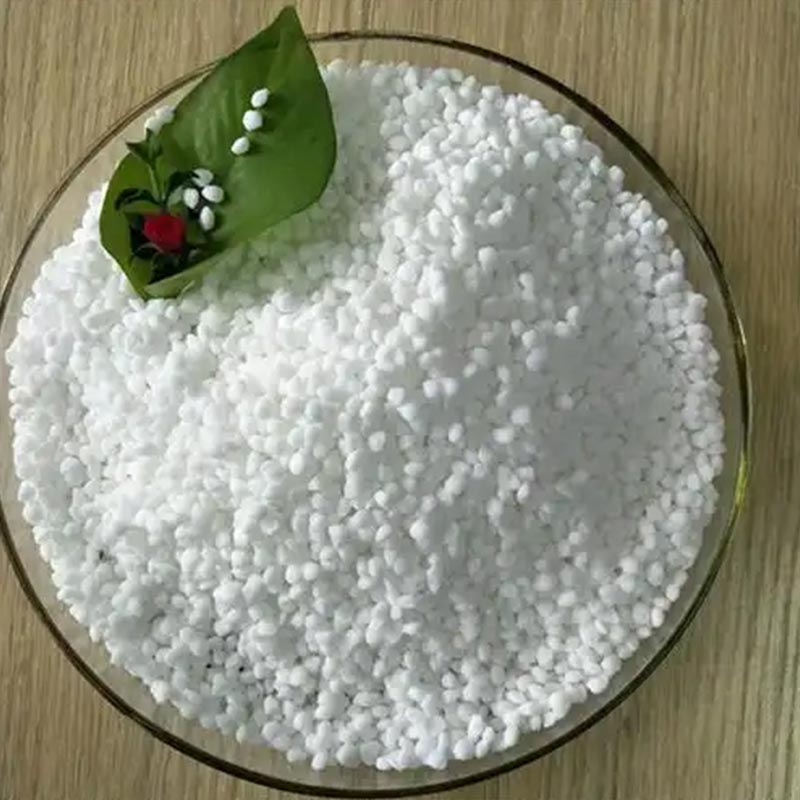
1. Granular ammonium sulfate: Designed for soil basal fertilizer and growth-stage topdressing. Slow-release granules provide long-lasting fertilizer effect, perfectly fit for long-term nutrient supplement for field grains and fruit trees.
2. Powder ammonium sulfate: Features supreme solubility with zero residues, mainly used for fertigation and liquid fertilizer mixing, widely adopted in greenhouse vegetable precision planting.
3. Liquid ammonium sulfate: Pre-mixed liquid solution ready for drip irrigation systems. The standard dilution ratio is 20 mL liquid ammonium sulfate per liter of clean water for controllable fertilization with low fertilizer damage risks.
Special dosage for hydroponics: Restrict ammonium sulfate to 15%~20% of the total nitrogen supply in soilless cultivation systems. Excessive dosage will generate toxic substances and hinder normal root metabolism.
Applicable Crops & Suitable Soil Conditions for Ammonium Sulfate
Ammonium sulfate boasts wide compatibility with most grain crops, cash crops, fruits and horticultural plants:
• Horticultural vegetables: Tomato, pepper, potato, onion, garlic and other common edible vegetables to boost seedling growth and total output
• Industrial cash crops: Sugar beet, sunflower, cotton, sugarcane with prominent sulfur supplement effects for upgraded crop quality
• Grain cereals: Wheat, barley, corn, sorghum for tidy and robust seedling growth in the early period
• Fruit trees: Citrus, grape, olive, apricot, apple, pear, cherry, peach trees for shoot growth in the early stage and fruit enlargement & pigmentation in the later period
Soil adaptation priority: Prioritize usage on clay soil, calcareous soil and alkaline soil. For acidic soil, apply intermittently instead of long-term single use.
Taboos & Key Notes During Ammonium Sulfate Application
1. Never blend ammonium sulfate with alkaline fertilizers such as lime or alkaline pesticides. The mixture will trigger nitrogen volatilization and nutrient failure, causing severe waste of fertilizer resources.
2. Ammonium sulfate is an industrially synthesized inorganic fertilizer rather than organic fertilizer. Do not replace organic fertilizer for long-term soil improvement; matched application with organic manure is suggested.
3. Reduce fertilization frequency during fruit setting and color conversion phases to stop overmuch nitrogen from inducing rampant leaf growth and inhibiting fruit enlargement, sugar accumulation and pigment formation.
4. Strictly control application dosage. Overdose will cause mild soil acidification and nutrient imbalance, restraining normal root development of crops.
Conclusion
As a cost-effective and multi-functional nitrogen fertilizer with extensive application range, ammonium sulfate realizes multiple values including nitrogen & sulfur supplement, alkaline soil improvement, nutrient activation and yield & quality elevation. With diversified formulations and flexible application methods, it covers almost all planting types including grain crops, vegetables, fruits and economic plants. Growers can maximize fertilizer efficiency, eliminate potential fertilization risks and achieve stable high crop yields by managing application timing, reasonable dosage and chemical collocation rules properly, making it an essential fertilizer choice for large-scale and refined agricultural production.
FAQ
Q1: Which one performs better for farmland, ammonium sulfate or urea?
A: Both have respective strengths. Ammonium sulfate supplements nitrogen and sulfur simultaneously, improves alkaline soil and reduces nutrient leaching, ideal for sulfur-lacking alkaline farmland. Urea contains higher pure nitrogen content and takes effect faster for universal usage. Farmers can apply them alternately according to actual soil conditions.
Q2: Is continuous long-term application of ammonium sulfate acceptable?
A: Stable long-term application is feasible on alkaline and calcareous soil. For acidic soil, continuous single application year after year is forbidden; collocation with organic fertilizer is required to neutralize soil acidity and avoid continuous soil degradation.
Q3: Can ammonium sulfate be used for foliar spraying?
A: Diluted powder and liquid ammonium sulfate support foliar spraying. Operators must control the dilution concentration strictly to avoid leaf scorch from high-concentration solution.
Q4: How to apply ammonium sulfate correctly in hydroponic planting?
A: Occupy ammonium sulfate within 15%~20% of total nitrogen nutrition in hydroponic systems. Excessive addition produces toxicity and damages the healthy growth of crop roots.
Q5: Does ammonium sulfate relieve soil compaction?
A: It can loosen soil and activate solid nutrients for compacted alkaline & calcareous land. If dealing with compacted acidic soil, combine ammonium sulfate with organic fertilizer to acquire better improvement results.
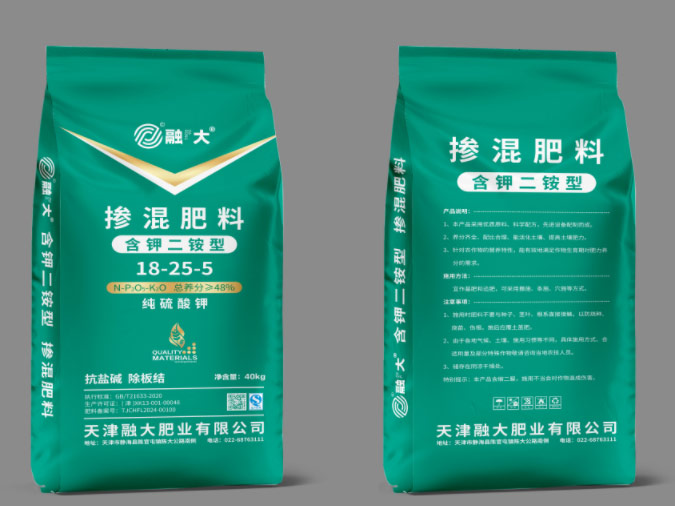
If you are looking for a reliable supplier of agricultural ammonium sulfate with stable product quality and professional technical support, Tianjin Rongda Fertilizer Co., Ltd. is always at your service.Contact us today to find out how our bespoke fertiliser solutions can boost your overall agricultural productivity.
Related News
- How Do Controlled-Release Curves Match Crop Demand?
- Can Magnesium Sulfate Be Used in Saline-Alkali Soil? What Are the Risks of Long-Term Application?
- How Do You Turn a Soil Test into a Blend Sheet?
- How Does Applying Magnesium Sulfate After Grape Harvest Help Bud Burst in the Next Year?
- Which Magnesium Sulfate Fits Your Ground?
- Can Foliar Spraying Magnesium Sulfate During Fruit Expansion Improve Fruit Sweetness?
Leave me a message