
How to Grasp the Optimal Spraying Period of Magnesium Sulfate to Improve Yellow Leaves Caused by Magnesium Deficiency in Field Crops
Long-term single application of nitrogen fertilizer leads to magnesium deficiency in wheat, rice and corn. Old leaves show interveinal chlorosis, weak photosynthesis and reduced grain weight. Foliar magnesium sulfate is quickly absorbed by crops. Mastering accurate spraying time is key to solving chlorosis and raising yields. This article introduces targeted spraying periods for different field crops and mixed application methods with NPK water-soluble fertilizers.
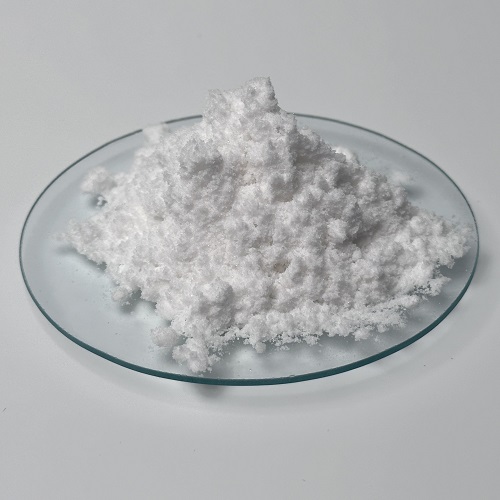
Table of Contents
1. Typical Symptoms of Magnesium Deficiency Yellow Leaves
2. Optimal Spraying Window of Magnesium Sulfate for Main Field Crops
3. Standard Operation Rules for Foliar Spraying of Magnesium Sulfate
4. Synergistic Spraying Tips with NPK Water-Soluble Fertilizers
5. Core Advantages of RONGDA Agricultural Magnesium Sulfate
Typical Symptoms of Magnesium Deficiency Yellow Leaves
Magnesium forms chlorophyll. Acidified soil and excessive nitrogen or potassium hinder magnesium uptake. Yellowing starts on lower old leaves with green veins. Severe deficiency causes leaf withering and premature senescence. Root fertilization takes slow effect, while foliar magnesium sulfate rapidly replenishes magnesium ions and recovers green leaves.
Optimal Spraying Window of Magnesium Sulfate for Main Field Crops
Rice: Mid-late tillering to jointing stage, 7 days before flowering
Rice consumes massive magnesium during vigorous growth, triggering leaf yellowing. Spray magnesium sulfate at this core stage, and re-spray before blooming to boost photosynthesis, fill grains and reduce empty grains during filling period.
Corn: Jointing to big bell stage
Lush corn leaves demand abundant magnesium; deficiency restricts ear development. Spray magnesium sulfate twice with a 7-day interval if lower leaves turn yellow, preventing shrunken grains and improving 1000-grain weight.
Wheat: Green-up jointing stage & early filling stage
Soil magnesium reserves decline after winter, causing base leaf chlorosis. Spraying magnesium sulfate at filling stage extends green leaf period, transporting nutrients to wheat ears. Better results come with matched NPK water-soluble fertilizers.
Standard Operation Rules for Foliar Spraying of Magnesium Sulfate
Spray in windless early morning (6-9 a.m.) or late afternoon after 5 p.m., avoid midday high temperature leaf burn. Dilute RONGDA magnesium sulfate to 0.2%-0.3% and spray both sides of leaves. Re-spray if heavy rain falls within 4 hours after application.
Synergistic Spraying Tips with NPK Water-Soluble Fertilizers
Sole magnesium sulfate only supplies magnesium and sulfur. Mix diluted magnesium sulfate with NPK water-soluble fertilizers for simultaneous supply of nitrogen, phosphorus, potassium and magnesium. The mixed liquid stays stable without sediment, cutting labor cost with one-time spraying.
Core Advantages of RONGDA Agricultural Magnesium Sulfate
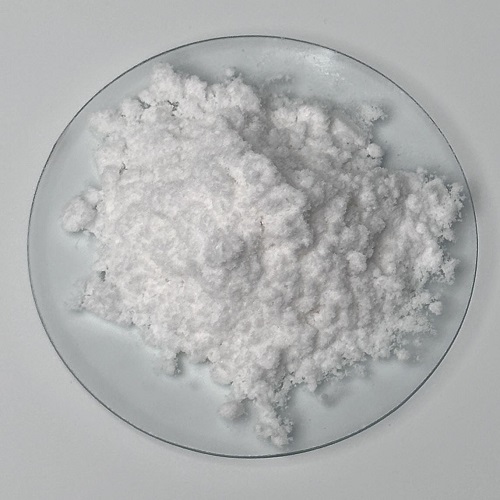
Made of high-purity crystal raw materials, RONGDA magnesium sulfate dissolves fully without impurities and never blocks spray nozzles. Stable magnesium and sulfur content brings faster leaf absorption than ordinary products. Dry anti-caking crystals support both foliar spray and fertigation mixed with NPK water-soluble fertilizers for all field planting modes.
Frequently Asked Questions (FAQ)
Q1: Can one single spray of magnesium sulfate fix severe crop yellow leaves?
A1: One spray has limited effect. Spray magnesium sulfate twice at a 7-day interval, plus base magnesium fertilizer and long-term balanced nutrition from NPK water-soluble fertilizers.
Q2: Can magnesium sulfate be mixed with pesticides for spraying?
A2: Mix with neutral and weakly acidic pesticides only. Strong acid or alkaline pesticides will generate sediment and deactivate magnesium sulfate nutrients.
Q3: Which soil types need preventive magnesium sulfate spraying?
A3: Sandy soil, acidified land and fields overusing urea or ammonium chloride are prone to magnesium deficiency. Spray magnesium sulfate in key growth stages for early prevention.
Q4: Is root fertilization still needed after foliar magnesium supplement?
A4: Foliar magnesium sulfate only solves urgent deficiency. Long-term soil nutrition requires root application of magnesium sulfate mixed with NPK water-soluble fertilizers.
Conclusion
Field crops such as rice, corn and wheat have peak magnesium demand during tillering, jointing and filling stages. Missing the optimal spraying time of magnesium sulfate weakens photosynthesis and reduces yields. Grasp crop-specific spraying periods, follow standard dilution ratios and cooperate with NPK water-soluble fertilizers to quickly cure magnesium-deficient yellow leaves and extend functional leaf period. RONGDA high-purity magnesium sulfate features fast dissolution and high crop absorption rate, suitable for large-scale mechanical spraying in farmlands. Scientific magnesium supplementation helps farmers achieve stable and high crop yields.
Related News
- What Is the Correct Topdressing Method of Ammonium Sulfate for Acid-Loving Crops Such as Tea Trees and Blueberries?
- What Improvement Effects Can Calcium Ammonium Nitrate Bring to Acidified and Compacted Orchard Soil?
- What Are the Correct Flushing & Application Skills for Water-Soluble NPK Fertilizers in Integrated Water-Fertilizer Planting?
- How to Quickly Replenish Soil Magnesium with Magnesium Sulfate When Field Fruit Trees Suffer Widespread Yellow Leaves
- What Long-Term Soil Improvement Benefits Does Base Application of Granular Calcium Magnesium Bring to Greenhouse Vegetables With Continuous Cropping Acidified Soil?
- What Practical Benefits Do Water-Soluble NPK Fertilizers Bring to Nutrient Supplement in Acidified Orchards?
Leave me a message