
How Do You Judge a Blended Fertilizer Before You Buy It?
A BB blend is only as good as its weakest habit: mismatched granule sizes that segregate in the spreader, raw materials that drink moisture and cake, and an analysis printed on the bag that the field never receives. This article turns blend quality into five checkpoints you can run with a sieve, a scale and ten minutes - before the bag goes on the truck.
In this article
- What Separates a Working Blend
- The Five Checkpoints
- The Honest Limits
- Buying and Handling Basics
- Frequently Asked Questions
- Conclusion
What Separates a Working Blend
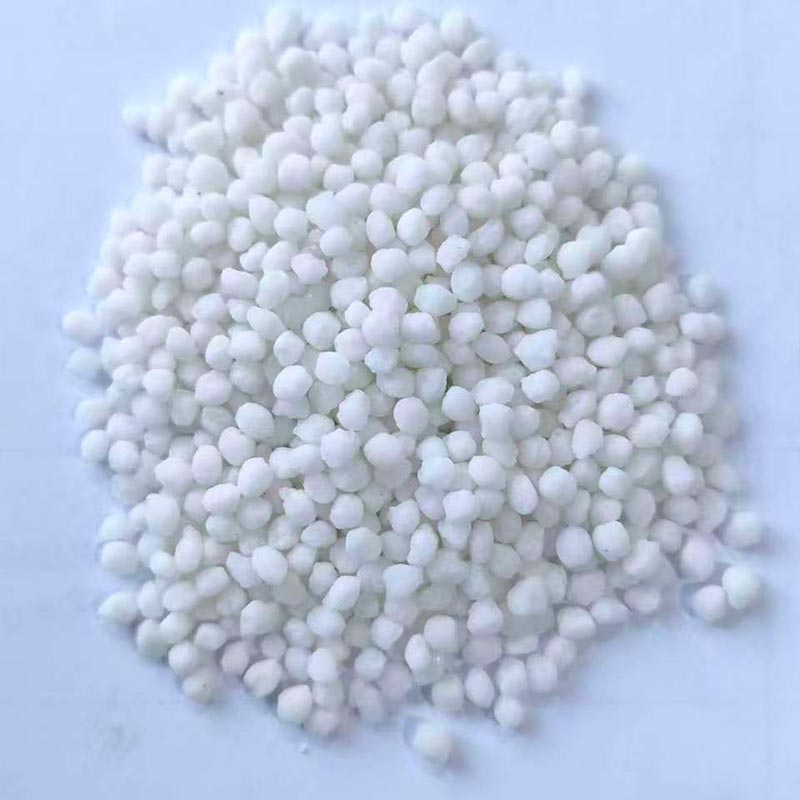
The blend promise is real: a tailored N-P-K-S balance per field at bulk economics - but the promise is only delivered if the granules stay mixed from the blender to the spreading pattern. Two physics rules decide that. Size matching: raw materials should sit within about 10-15 points of the same SGN (Size Guide Number, the mean granule diameter) - mismatched sizes sort themselves apart in every hopper and pass, and the field pays in stripes. Chemical compatibility: moisture-hungry and reactive partners shorten shelf life and soften granules. Everything else in quality control hangs on these two.
|
Partner pair |
Verdict |
Note |
|
Urea + DAP |
Blend freely |
The backbone of most programs |
|
Urea + MOP |
Blend freely |
The standard potassium partner |
|
Urea + ammonium sulfate |
Blend freely |
Dry, stable, adds sulfur |
|
Urea + CAN |
Short storage only |
Moisture transfer cakes the bag |
|
Urea + superphosphate |
Avoid |
Water release softens granules |
|
AS + liming materials |
Avoid |
Reacts and releases ammonia |
The Five Checkpoints
Five checks, none needing a laboratory. First, the sieve: split a sample and compare granule fractions across the materials - size families should match. Second, the hand: bags should flow freely, with no lumps that break with a dull sound. Third, the audit: bag-declared N-P-K against the certificate of analysis, and a bag on the scale. Fourth, the transport test: sample from the top and the bottom of a moved bag - a segregated blend shows it immediately. Fifth, the pattern: when switching blends, run catch cups across the spreader width. Ten minutes, one sieve, one scale - and the promise is audited before the field audits it for you.
The Honest Limits
A perfect blend cannot fix a wrong blend sheet - the analysis decision is agronomy, and the checkpoints are logistics. Segregation risk grows with every transfer and conveyor: bagged blends hold their mix over long freight better than bulk, while bulk wins on cost when it is spread the day it is blended. Micronutrients are the fragile passengers: zinc or boron added as fine powder segregates straight out of the mix, so counted carrier granules - coated zinc, granulated boron - are the only reliable way. And a silent raw-material swap can change SGN without changing the bag design, which is why the specification belongs in the contract, not in the conversation.
Buying and Handling Basics
- Contract the specs: SGN and uniformity per material, a moisture ceiling, and bag weight tolerance.
- On arrival: sieve a sample, weigh a bag, check free flow - before signing.
- Storage: dry shed, first-in-first-out; urea-containing blends do not age well in humid sheds.
- Spreading: verify the pattern with catch cups whenever the blend recipe changes.
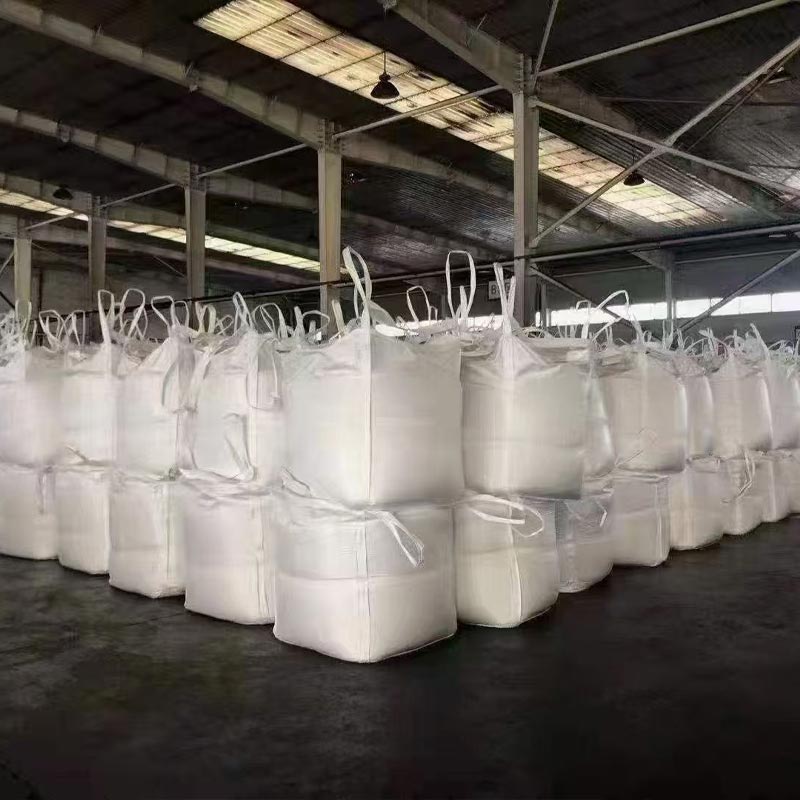
- Packing: 25/50 kg woven bags or jumbo bags; private-label printing available.
Frequently Asked Questions
Q1: Why does my spreader throw stripes?
A segregated blend: size-mismatched granules sort inside the hopper while spreading, so one pass delivers two different analyses across the width. Matched-SGN materials plus a catch-cup check fix it.
Q2: Which raw materials cake first?
The urea family and anything moisture-hungry. CAN and ammonium sulfate shorten the shelf life of a blend; dry partners, liners and first-in-first-out buy the time back.
Q3: Are micronutrients in a BB blend reliable?
Yes - as counted carrier granules: coated zinc, granulated boron. As fine powder mixed in, they segregate out during the first handling. Demand granulated micros in the spec.
Q4: Bagged blend or bulk blend?
Bagged holds its mix over long freight and retail shelves; bulk wins on cost when the blend goes from plant to spreader within days. Choose by the distance between blending and spreading.
Conclusion
A blended fertilizer is a promise assembled from other people's granules. The five checkpoints - size matching, moisture, compatibility, honest analysis, spread pattern - are how you audit that promise before the field audits it for you.
If you are looking for a reliable fertilizer supplier that offers consistent quality and professional support, Tianjin Rongda Fertilizer Co., Ltd. is ready to help. Contact us today to learn how our fertilizer solutions can improve your agricultural productivity.
Related News
- Which Magnesium Sulfate Fits Your Ground?
- Can Foliar Spraying Magnesium Sulfate During Fruit Expansion Improve Fruit Sweetness?
- Magnesium Deficiency & Premature Aging in Greenhouse Vegetables: Soil Drench vs Foliar Spray of Magnesium Sulfate
- Which Water-Soluble NPK Formula Fits Each Growth Stage?
- What is the difference between Magnesium Sulfate and Calcium Magnesium Granules? When to Use Them Together?
- Why Do Sulfur-Hungry Fields Keep Ordering Ammonium Sulfate?
Leave me a message