
What is the difference between Magnesium Sulfate and Calcium Magnesium Granules? When to Use Them Together?
Magnesium is an essential nutrient for crop chlorophyll synthesis. The combined supply of calcium and magnesium plays a vital role in soil improvement and crop quality improvement. Many farmers and fertilizer buyers often confuse Magnesium Sulfate and Calcium Magnesium Granules. They are unsure of their nutrient features, application scenarios and proper mixing methods. Drawing on years of fertilizer export and field practice experience, RONGDA explains the differences between these two products and shares practical application tips.
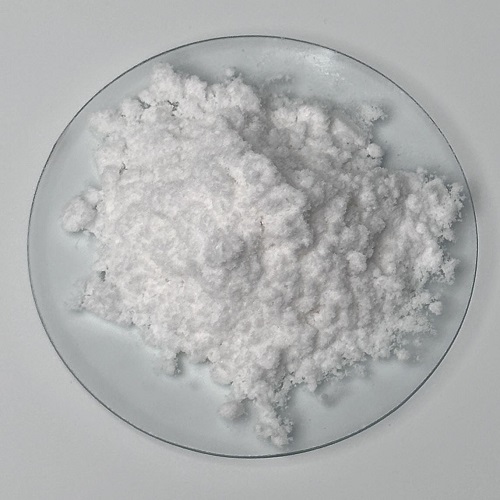
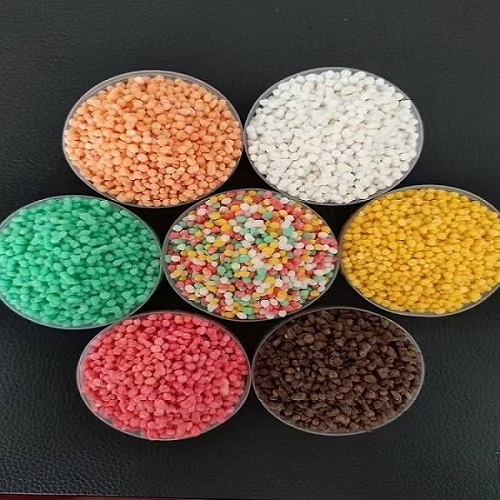
Table of Contents
1. Core Differences Between Magnesium Sulfate and Calcium Magnesium Granules
2. Suitable Scenarios for Combined Application (RONGDA Practical Guide)
3. Key Notes for Combined Application
1. Core Differences Between Magnesium Sulfate and Calcium Magnesium Granules
1.Nutrient Composition
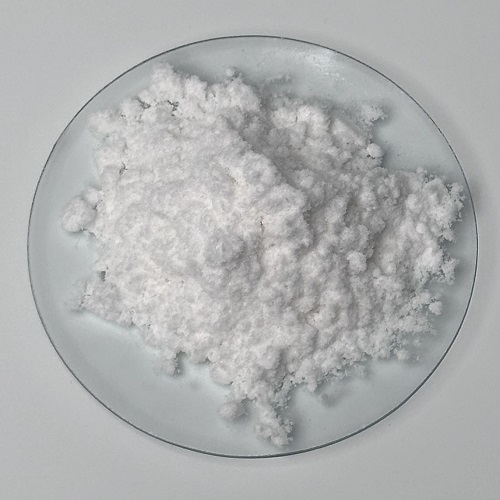
Magnesium Sulfate: Provides fast-available magnesium and sulfur, no calcium included. Its magnesium ions are water-soluble and easily absorbed by crop roots. Sulfur satisfies sulfur-loving crops and quickly corrects magnesium deficiency yellow leaves. Calcium Magnesium Granules: Contains calcium and magnesium. Magnesium releases slowly. It mainly supplies calcium to neutralize acidic soil, reduces fruit cracking and blossom-end rot. Magnesium is released steadily for long-term feeding.
2. Main Functions
Magnesium Sulfate: Fast magnesium & sulfur supplementation. Ideal for crops with magnesium deficiency yellow leaves during growing period. Perfect for sulfur-loving crops such as tobacco and sugarcane with fast effect. Calcium Magnesium Granules: Ameliorate acid soil, prevent calcium-related physiological diseases. Improve soil structure, reduce fruit cracking and blossom-end rot. Slow-release magnesium for long-term nutrition.
3.Application Method & Duration
Magnesium Sulfate: Available in crystal, powder and granular forms. Can be used for base application, side dressing, fertigation. Fast acting but short residual effect. Calcium Magnesium Granules: Mainly applied as base fertilizer and plowed into soil. Not suitable for drip irrigation. Slow nutrient release and long-lasting soil conditioning effect.
4. Suitable Soil Conditions
Magnesium Sulfate: Best for neutral or slightly alkaline soil. Use on soil with sufficient calcium but lacks magnesium or sulfur. Calcium Magnesium Granules: First choice for acid soil where both calcium and magnesium are deficient.
Important note: Calcium and magnesium ions show antagonism at high concentration. Do NOT dissolve Magnesium Sulfate and Calcium Magnesium Granules together for drip irrigation, which will reduce nutrient availability.
2. Suitable Scenarios for Combined Application (RONGDA Practical Guide)
Scenario 1: Acid soil with fruit cracking caused by calcium deficiency and yellow leaves from magnesium deficiency in fruit trees, citrus and sugarcane. Plan: Apply Calcium Magnesium Granules as base fertilizer to adjust soil pH, supply calcium and slow-release magnesium. Use Magnesium Sulfate separately at fruit expansion stage to rapidly supplement magnesium and sulfur, enhance photosynthesis. Apply separately to avoid calcium-magnesium antagonism.
Scenario 2: Continuous cropping land with acid soil, low calcium reserve and magnesium deficiency in late growth stage. Plan: Spread Calcium Magnesium Granules during land preparation for soil remediation. Apply Magnesium Sulfate separately as top dressing to relieve nutrient imbalance caused by continuous cropping.
Scenario 3: Sulfur-loving crops like tobacco and sugarcane planted in acidic soil. Plan: Apply Calcium Magnesium Granules in base fertilizer to improve acidic soil. Use Magnesium Sulfate in top dressing to supply sulfur and fast magnesium for better yield and quality.
3. Key Notes for Combined Application
1. Apply separately. Do not mix and dissolve both products for drip irrigation. Keep an interval of 7–15 days between Calcium Magnesium Granules (base) and Magnesium Sulfate (top dressing).
2. Carry out soil test before fertilization. If soil calcium level is sufficient, use Magnesium Sulfate alone.
3. Adjust application rate of Magnesium Sulfate in high-potassium soil to avoid potassium-magnesium antagonism.
4. RONGDA supplies Magnesium Sulfate and Calcium Magnesium Granules in multiple specifications for bulk export orders, matching soil conditions of Southeast Asia, South America and other markets.
4. Conclusion
In short: Calcium Magnesium Granules focus on soil acid correction, calcium supply and slow-release magnesium; Magnesium Sulfate delivers fast magnesium and sulfur. They are complementary rather than interchangeable. Proper combined application balances soil health and crop nutrient demand to boost yield and quality. Farms and fertilizer distributors can contact RONGDA for customized fertilization plans.
Related News
- Which Magnesium Sulfate Fits Your Ground?
- Can Foliar Spraying Magnesium Sulfate During Fruit Expansion Improve Fruit Sweetness?
- How Do You Judge a Blended Fertilizer Before You Buy It?
- Magnesium Deficiency & Premature Aging in Greenhouse Vegetables: Soil Drench vs Foliar Spray of Magnesium Sulfate
- Which Water-Soluble NPK Formula Fits Each Growth Stage?
- Why Do Sulfur-Hungry Fields Keep Ordering Ammonium Sulfate?
Leave me a message