
What Can Amino Acid Fertilizers Do for Stressed Crops?
When a crop is transplanted, hit by a cold snap or knocked back by hail, it needs more than another round of NPK. Amino acid fertilizers work on two fronts at once - as a nutrient carrier that improves uptake, and as a biostimulant that helps a stressed plant restart. Here is how they work and where they earn their place in a program.
In this article
- What Are Amino Acid Fertilizers?
- How They Help Under Stress
- When and How to Use Them
- Buying Checklist
- Frequently Asked Questions
- Conclusion
What Are Amino Acid Fertilizers?
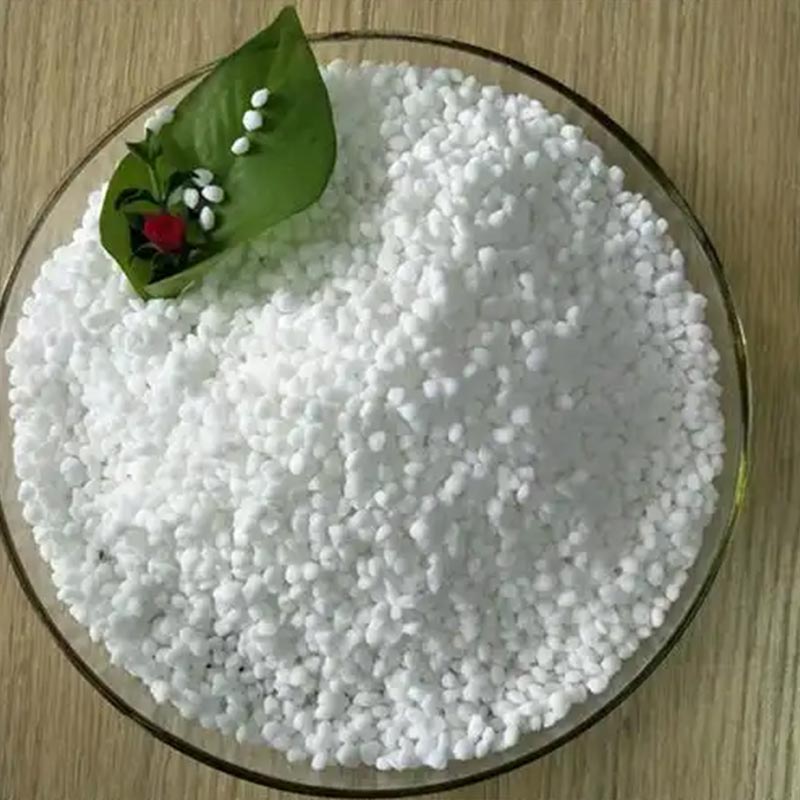
They start with protein - from plant or animal sources - that is hydrolyzed into free amino acids and short peptides. Sprayed or fertigated, these molecules do two jobs. First, they are a ready-made carbon and nitrogen snack the crop can absorb directly, no photosynthesis required. Second, amino acids are natural chelators: they bind metal micronutrients such as iron, zinc and manganese into forms the leaf and root surface take in more easily.
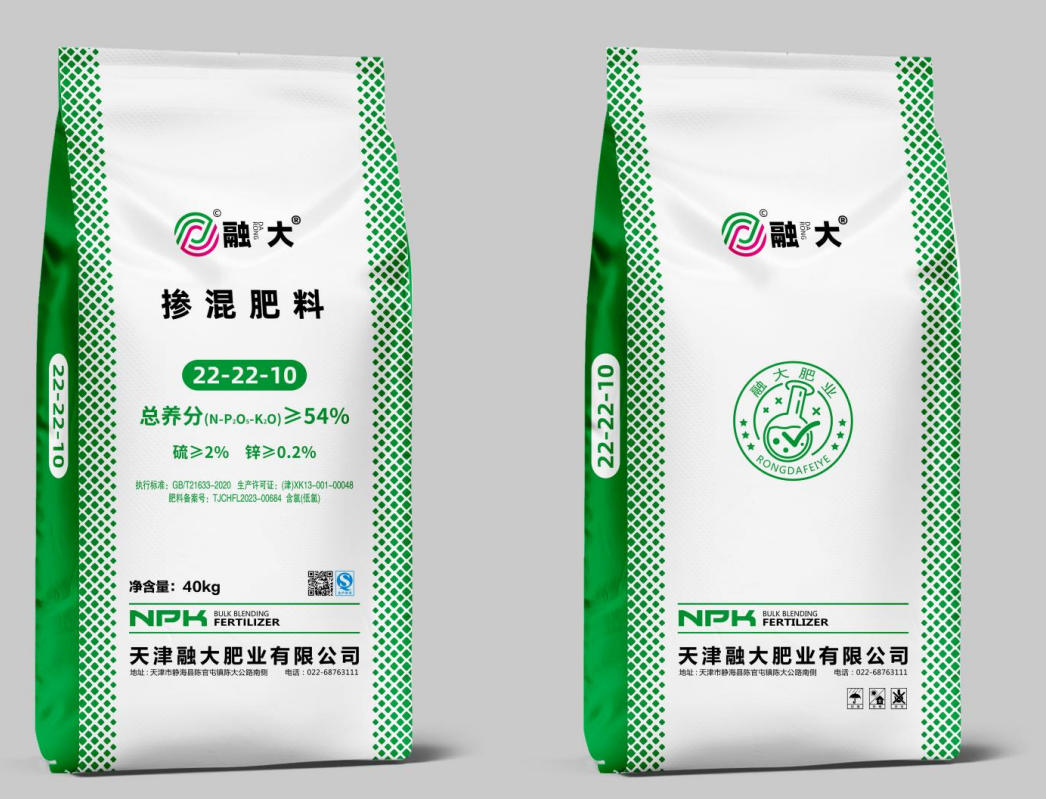
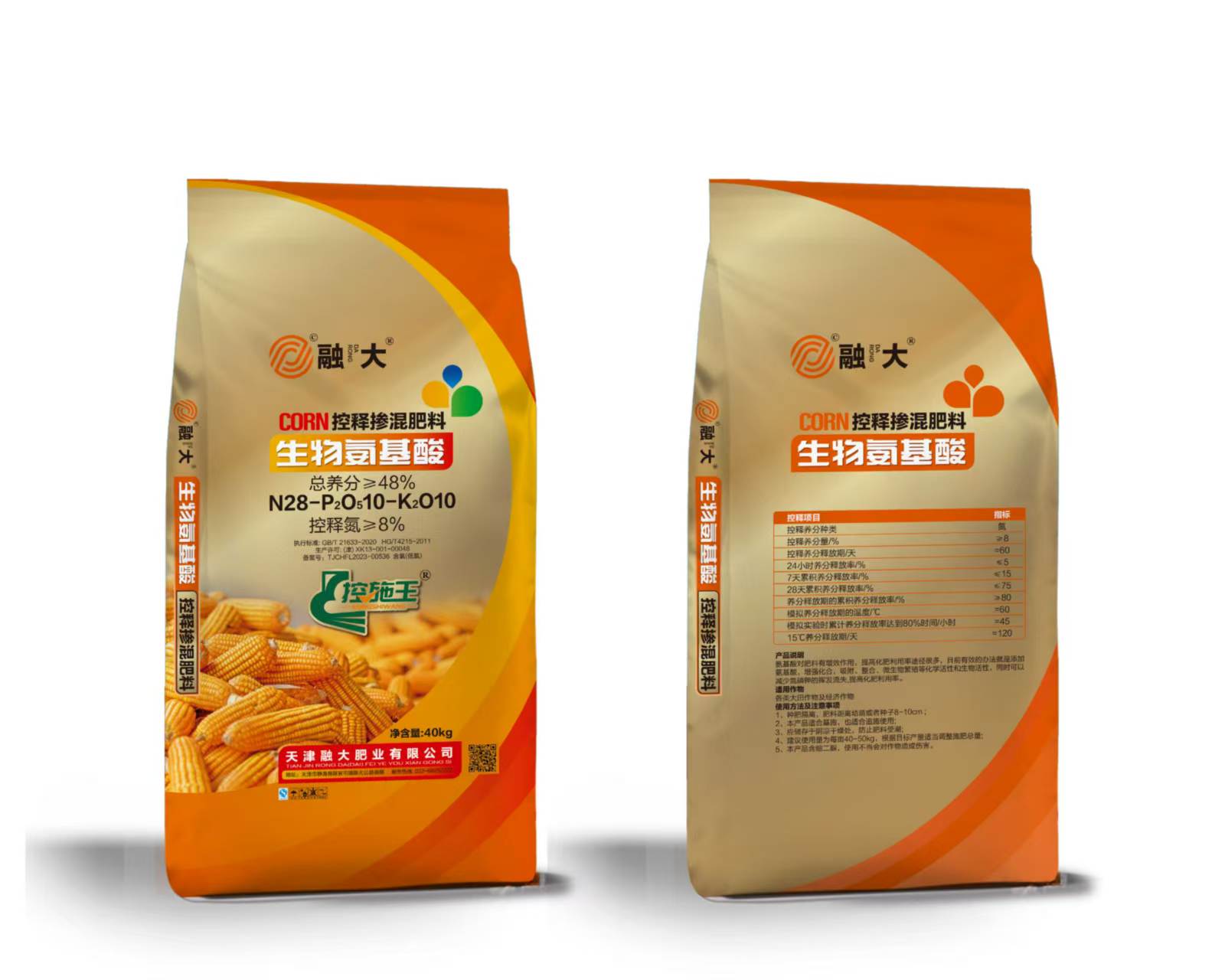
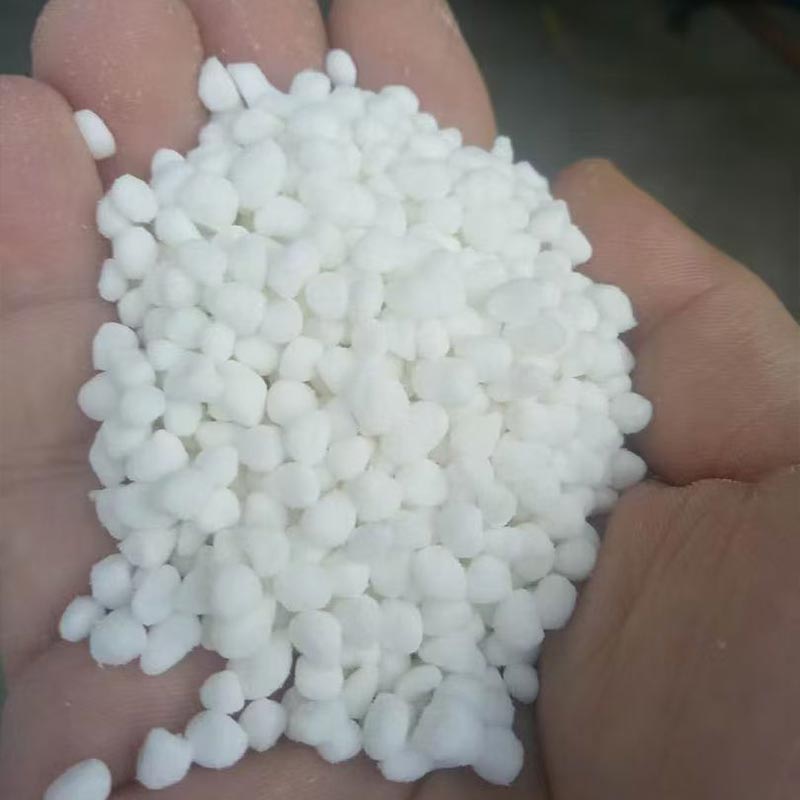
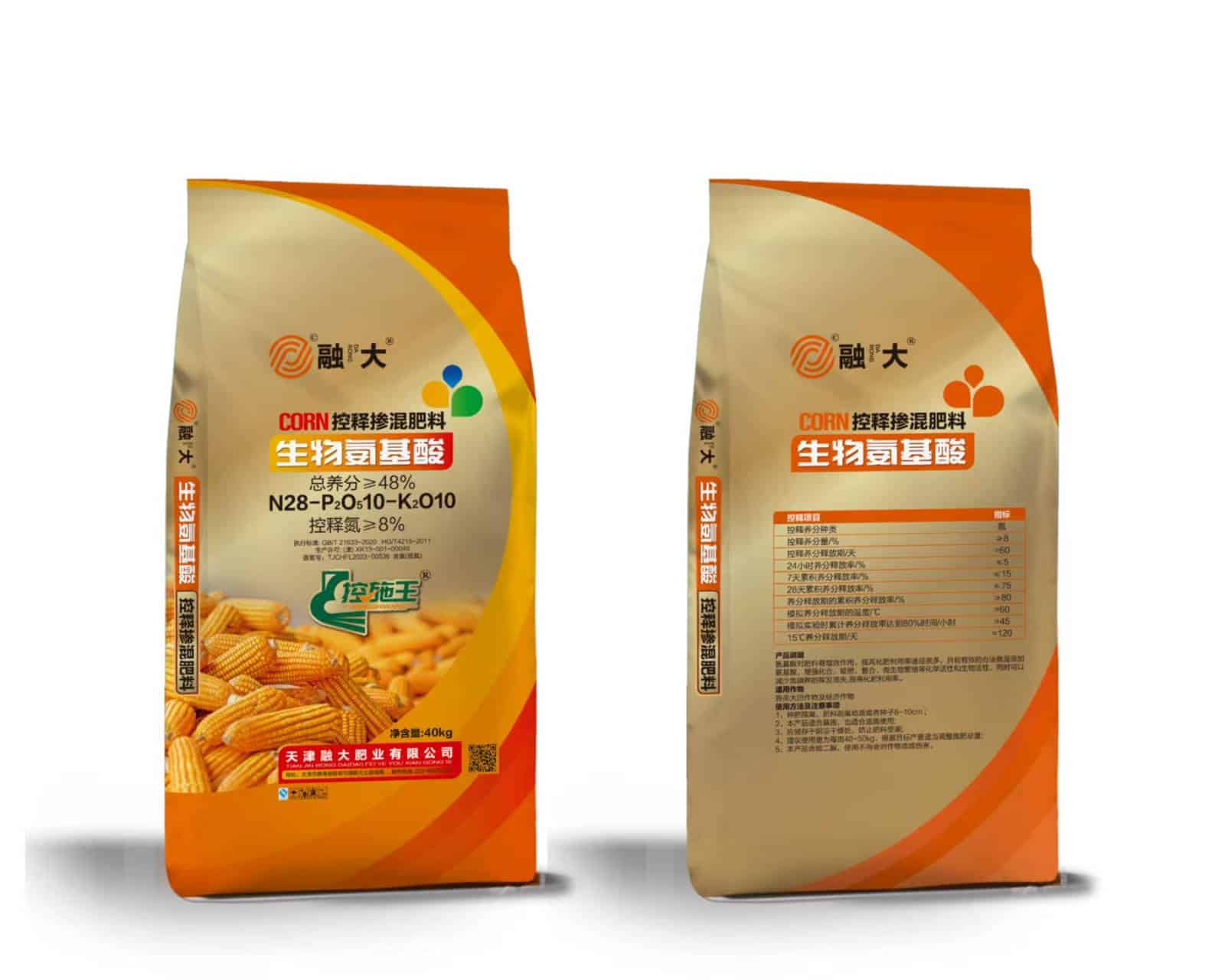
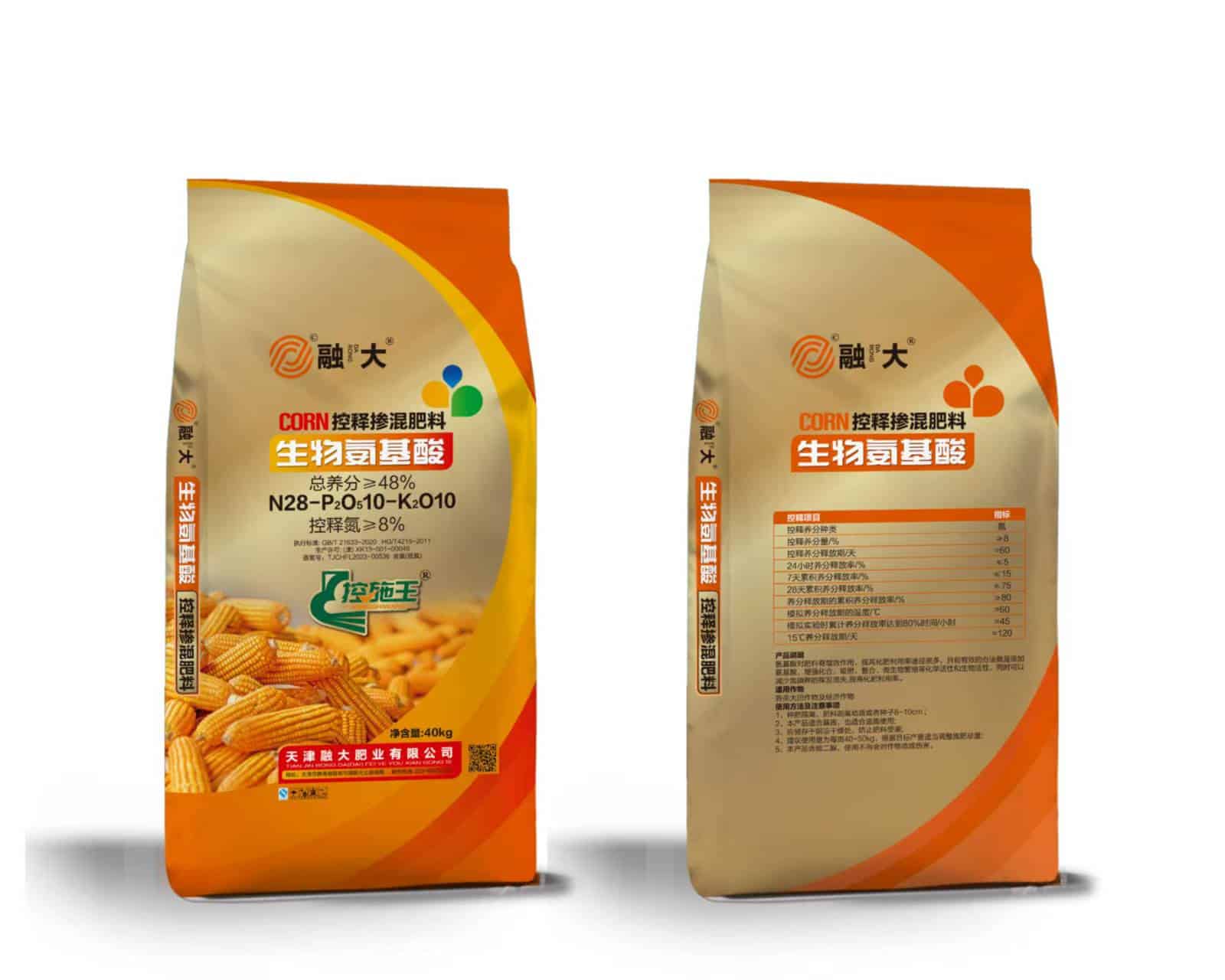
Most commercial products are blended with conventional nutrition. A typical example is a biological amino acid blend with an NPK analysis such as 28-10-10 - conventional nutrition wrapped in an organic carrier.
How They Help Under Stress
- Energy when the factory is down: after transplanting, cold or hail, photosynthesis is throttled - amino acids feed the plant directly while it recovers.
- Root restart: amino acids support root initiation and hair development, which is exactly what a stressed seedling needs to re-anchor.
- Chelation in tough soils: on calcareous and alkaline ground, chelated micronutrients stay available instead of locking out.
- Efficiency partner: co-applied with NPK, amino acids improve uptake efficiency of the mineral dose.
When and How to Use Them
|
Scenario |
Method |
Typical practice |
|
Transplant recovery |
Fertigation or root dip |
First watering-in after transplant, repeat in 7-10 days |
|
Cold snap recovery |
Foliar spray |
0.2-0.3% solution, morning or evening, 2 sprays a week apart |
|
After hail / pest damage |
Foliar spray |
Combine with crop protection program after jar test |
|
Flowering / fruit set push |
Fertigation |
Weekly micro-doses through the peak weeks |
Buying Checklist
- Free amino acid content declared as a percentage - the working ingredient.
- Source and hydrolysis process - enzymatic hydrolysis preserves more active L-amino acids than harsh acid hydrolysis.
- Full analysis including the NPK the blend carries.
- Water solubility and clarity in solution - critical for drip and spray applications.
Frequently Asked Questions
Q1: Foliar or root application - which is better?
Both work. Foliar sprays act fastest on visible stress; fertigation through the drip line supports recovery from the root side. Serious stress usually gets both.
Q2: Can amino acid fertilizer replace NPK?
No. Its nitrogen contribution is real but modest. It is a supplement and efficiency layer on top of a correct mineral program.
Q3: Can it be tank-mixed with pesticides?
Generally compatible with neutral products. Run a small jar test before full tank mixes, and avoid strongly alkaline mixtures.
Q4: How is it packed?
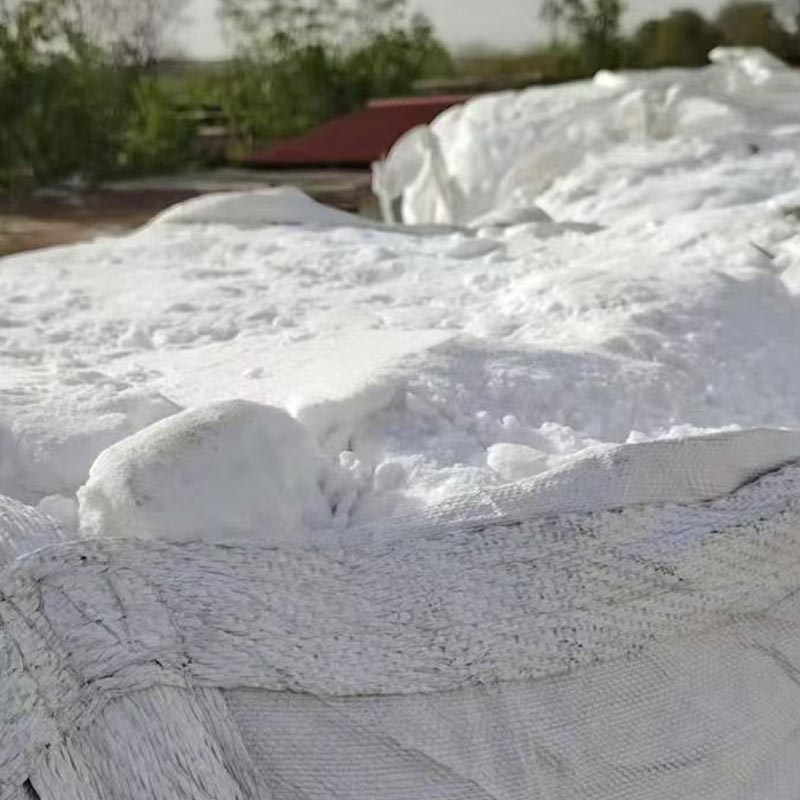
Powder formats come in 25 kg woven bags or jumbo bags; keep them sealed - the material is hygroscopic.
Conclusion
Amino acid fertilizers occupy a specific, valuable niche: they carry nutrition into a plant that is too stressed to help itself, and they make the rest of the program absorb more easily. Used at the right moments - transplant, cold, damage, fruit set - they are one of the cheapest insurance policies in intensive cropping.
If you are looking for a reliable fertilizer supplier that offers consistent quality and professional support, Tianjin Rongda Fertilizer Co., Ltd. is ready to help. Contact us today to learn how our fertilizer solutions can improve your agricultural productivity.
Related News
- Which Magnesium Sulfate Fits Your Ground?
- Can Foliar Spraying Magnesium Sulfate During Fruit Expansion Improve Fruit Sweetness?
- How Do You Judge a Blended Fertilizer Before You Buy It?
- Magnesium Deficiency & Premature Aging in Greenhouse Vegetables: Soil Drench vs Foliar Spray of Magnesium Sulfate
- Which Water-Soluble NPK Formula Fits Each Growth Stage?
- What is the difference between Magnesium Sulfate and Calcium Magnesium Granules? When to Use Them Together?
Leave me a message