
Why Do Sulfur-Hungry Fields Keep Ordering Ammonium Sulfate?
Ammonium sulfate is the oldest synthetic nitrogen fertilizer still in wide use - 21% ammoniacal nitrogen and 24% sulfate sulfur in one white crystal. Newer sources take the headlines, but on sulfur-hungry fields, alkaline soils and paddies it keeps winning reorder after reorder. This article explains what AS actually delivers, where it fits best, and where other sources beat it.
In this article
- What Ammonium Sulfate Is
- Where It Earns Its Reorders
- The Honest Limits
- Buying and Handling Basics
- Frequently Asked Questions
- Conclusion
What Ammonium Sulfate Is
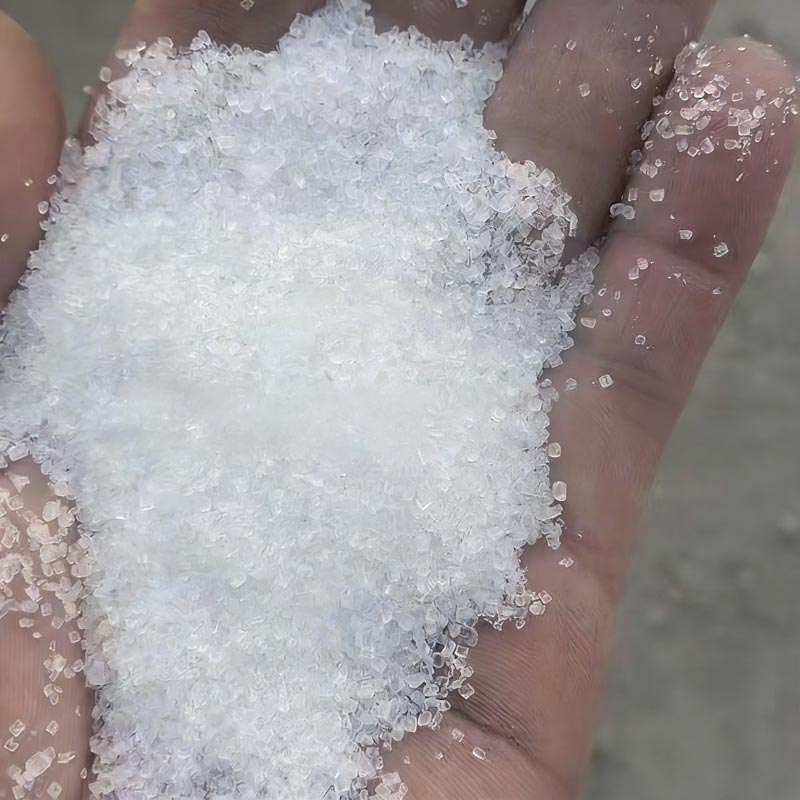
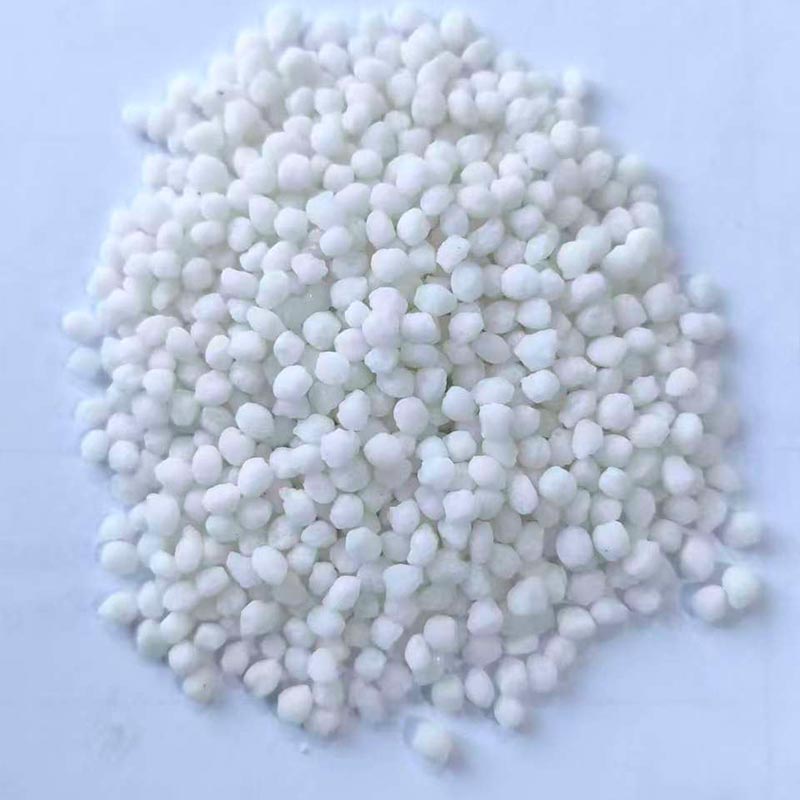
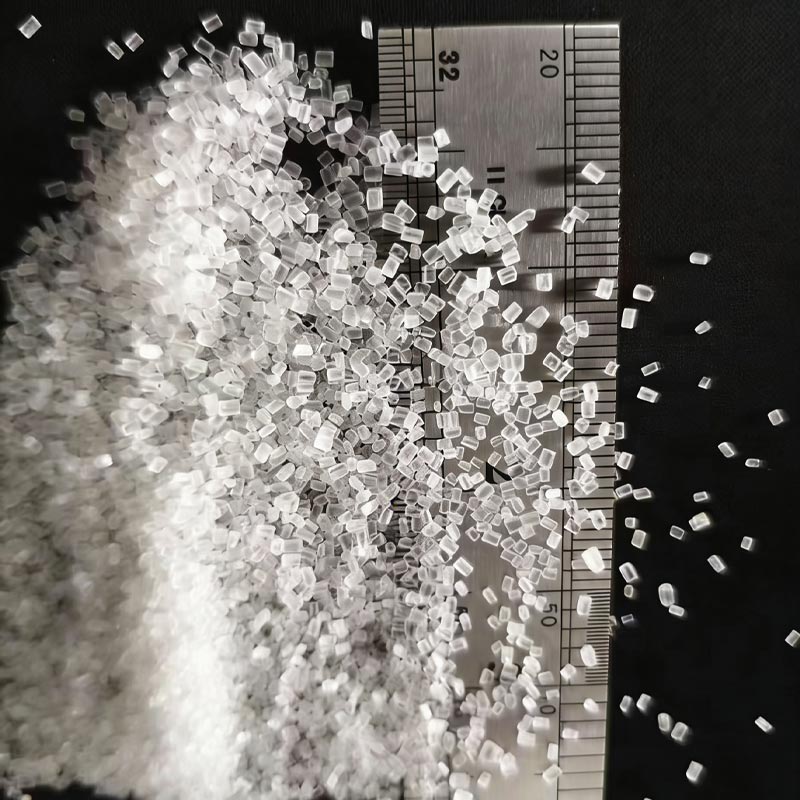
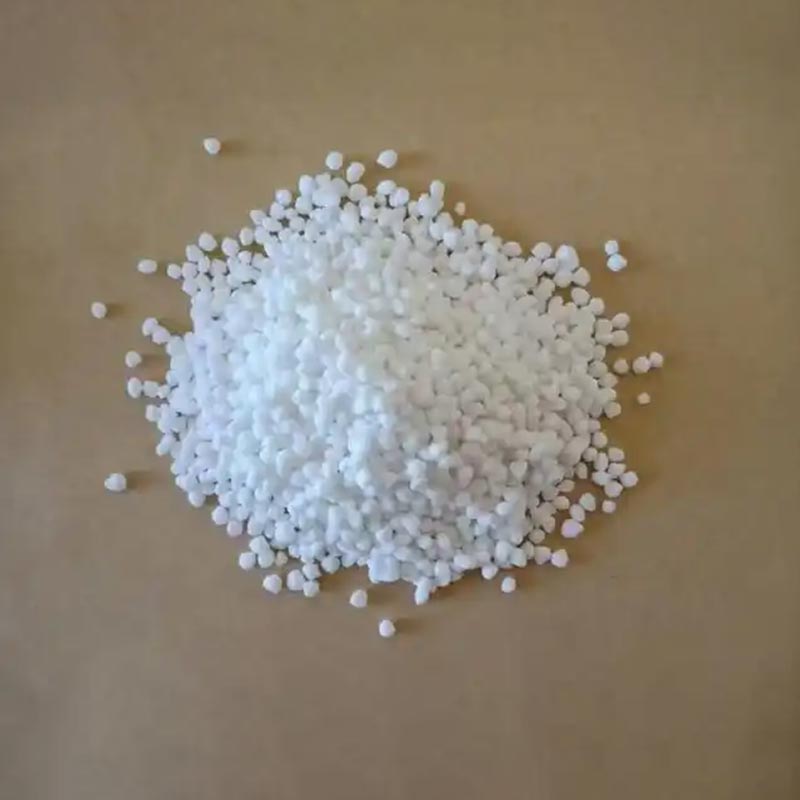
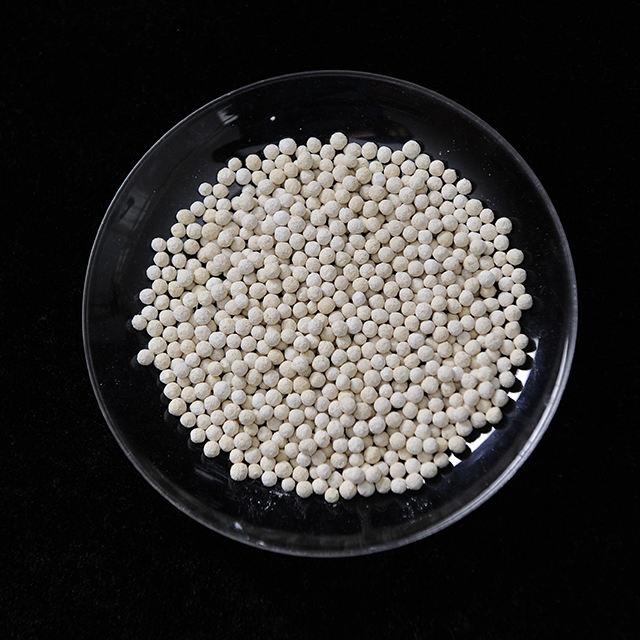
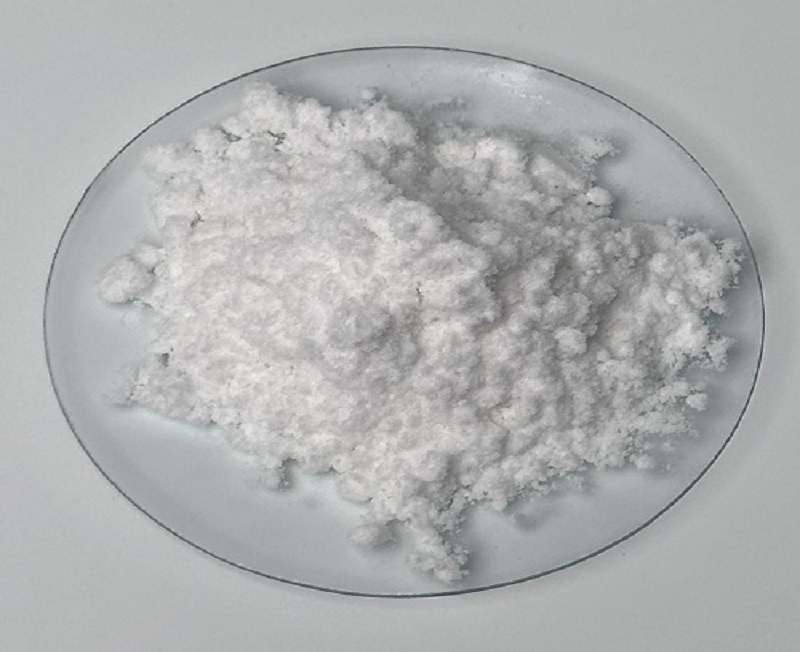
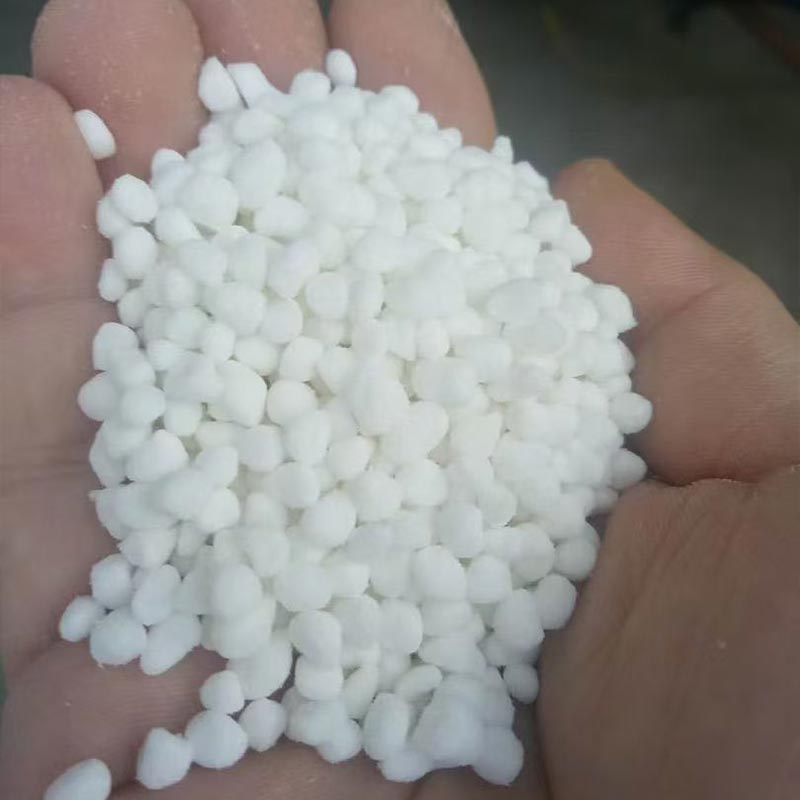
Ammonium sulfate is (NH4)2SO4 - analysis 21-0-0-24S, with every unit of nitrogen in ammoniacal form and every unit of sulfur as plant-available sulfate. It is a white crystal with low hygroscopicity, which in a fertilizer warehouse is a rare virtue: it stores and ships without the caking drama of urea or ammonium nitrate. The main supply routes are caprolactam by-product recovery (the dominant source in China), coke-oven by-product and synthetic routes, all steady. A reference product is agricultural ammonium sulfate fertilizer, crystal or granular, in woven bags or jumbo bags.
Where It Earns Its Reorders
The reorder logic rests on three field problems solved in one pass. First, sulfur: canola and other oilseeds, maize and pasture are sulfur-hungry, and AS feeds nitrogen and sulfate sulfur together instead of billing them separately. Second, alkaline and calcareous ground: as a physiologically acidic, 100% ammoniacal source it is the standing nitrogen choice where pH runs high - and the local acidity it creates helps keep iron, zinc and manganese available, the same ground where the iron chlorosis story plays out. Third, paddies: ammoniacal nitrogen holds in flooded soil exactly the way it does for ammonium chloride. Add low hygroscopicity and clean BB compatibility, and the warehouse case is as strong as the agronomy.
|
Field situation |
Why AS wins |
The alternative's problem |
|
Alkaline calcareous ground |
Acidifying ammoniacal nitrogen |
Urea volatilizes worse; nitrate leaches |
|
Sulfur-hungry oilseeds and pasture |
Nitrogen + sulfur in one pass |
Urea needs a separate sulfur bill |
|
Flooded rice |
Ammoniacal N stays put |
Nitrate lost to denitrification |
|
Humid warehouses |
Stores without caking |
Urea and AN absorb moisture |
|
BB blending |
Dry, compatible, cheap sulfur |
Some N sources carry dampness in |
The Honest Limits
Acidification cuts both ways: repeated AS use lowers pH, which is the feature on alkaline ground and the liability on already-acid fields - there it belongs inside the lime plan, not outside it. The 21% nitrogen analysis means higher freight per unit of nitrogen than urea, so the arithmetic only closes where the sulfur is actually wanted; on sulfur-sufficient neutral ground it is simply expensive nitrogen. The seed-distance rule applies as for all ammoniacal, salty sources - band it to the side and below. And by-product grades may carry a light tint: agricultural grade with a certificate of analysis is the buying standard.
Buying and Handling Basics
- Specification check: N at 20.5-21%, S at 24%, moderate free acid, agricultural grade with COA.
- Storage: low hygroscopicity is a gift, not an excuse - dry shed rules still apply.
- Blending: pairs with urea, MOP and DAP as the dry backbone; NPS-type blends for oilseed programs.
- Packing: 25/50 kg woven bags or 500/1000 kg jumbo bags.
Frequently Asked Questions
Q1: Ammonium sulfate or urea?
Where sulfur is short and pH runs high, AS nitrogen works better and the sulfur rides along. On neutral, sulfur-sufficient ground, urea's 46% wins the freight math. Most programs run both, blended to the field.
Q2: Is the acidity a problem?
On alkaline ground it is the feature, not the bug. On already-acid soils, count AS into the liming plan - the same accounting as other ammonium sources.
Q3: Crystal or granular?
Both spread; granular suits wide mechanical spreading and BB blending, crystal costs less per ton and dissolves faster for direct application. Choose by spreader and blend role, not by purity - the analysis is the same.
Q4: Is by-product AS different from synthetic AS?
Chemically identical - caprolactam by-product is the workhorse supply. What matters is grade: industrial-grade material carries more impurities, so buy against an agricultural-grade certificate of analysis.
Conclusion
Ammonium sulfate wins its reorders the unfashionable way: it solves three field problems at once - ammoniacal nitrogen, sulfate sulfur, local acidity - and asks almost nothing back in the warehouse. Where those three are the constraint, it remains the steadiest line on the order sheet.
If you are looking for a reliable fertilizer supplier that offers consistent quality and professional support, Tianjin Rongda Fertilizer Co., Ltd. is ready to help. Contact us today to learn how our fertilizer solutions can improve your agricultural productivity.
Related News
- Which Magnesium Sulfate Fits Your Ground?
- Can Foliar Spraying Magnesium Sulfate During Fruit Expansion Improve Fruit Sweetness?
- How Do You Judge a Blended Fertilizer Before You Buy It?
- Magnesium Deficiency & Premature Aging in Greenhouse Vegetables: Soil Drench vs Foliar Spray of Magnesium Sulfate
- Which Water-Soluble NPK Formula Fits Each Growth Stage?
- What is the difference between Magnesium Sulfate and Calcium Magnesium Granules? When to Use Them Together?
Leave me a message