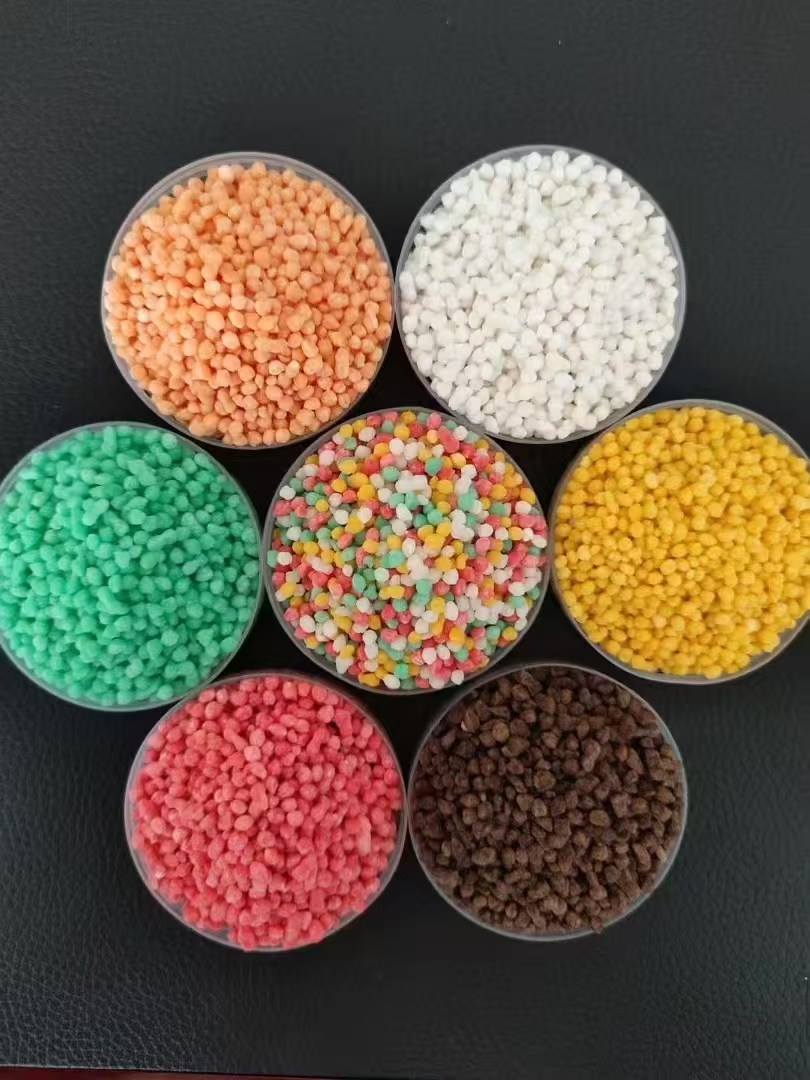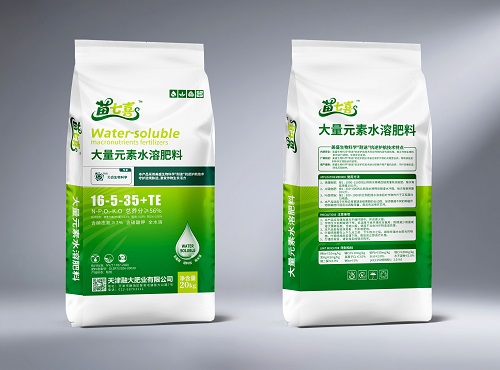

What is the Best Fertilizer for Alkaline Soils and How Can It Improve Plant Growth
Understanding the best fertilizers for alkaline soils is essential for maintaining healthy plant growth. Alkaline soils can present challenges, but the right fertilizer can help balance pH levels and promote robust crop yields. In this guide, we will explore the best fertilizer options, how to use them, and answer some common questions about soil treatment. Let’s dive into it!

Table of Contents
- Introduction to Alkaline Soils
- Best Fertilizers for Alkaline Soils
- Benefits of Using Fertilizer for Alkaline Soils
- How to Apply Fertilizer for Alkaline Soils
- Frequently Asked Questions
- Conclusion
Introduction to Alkaline Soils
Alkaline soils are those with a pH level higher than 7. These soils can present challenges for plant growth due to their tendency to hinder the availability of essential nutrients. For many plants, particularly those that prefer acidic soils, alkaline conditions can cause nutrient deficiencies. However, by selecting the right fertilizers and adjusting pH levels, you can create a more favorable environment for plant health.
Best Fertilizers for Alkaline Soils
Choosing the right fertilizer is crucial for maintaining soil health in alkaline environments. The following fertilizers are commonly recommended for alkaline soils:
| Fertilizer Type | Description | Best For |
|---|---|---|
| Organic Compost | Rich in organic matter, it helps improve soil structure and provides slow-release nutrients. | Improving soil texture and increasing microbial activity. |
| Elemental Sulfur | Reduces soil pH and makes nutrients more available to plants. | Lowering pH levels of highly alkaline soils. |
| Iron Chelates | Helps prevent iron deficiency in plants, often a problem in alkaline soils. | Correcting micronutrient deficiencies, especially for plants like azaleas and blueberries. |
| Phosphorus Fertilizers | Helps promote root development and flowering in alkaline conditions. | For plants that need strong root systems, such as tomatoes and peas. |
Benefits of Using Fertilizer for Alkaline Soils
Fertilizers tailored to alkaline soils offer several benefits:
- Balanced pH: Certain fertilizers can help reduce the alkalinity of the soil, making it easier for plants to absorb nutrients.
- Enhanced Plant Growth: Nutrient deficiencies caused by alkaline conditions can be corrected, leading to stronger and healthier plants.
- Improved Soil Structure: Organic matter and compost fertilizers can help improve soil structure, drainage, and root penetration.
- Long-Term Soil Health: Consistent use of the right fertilizers can gradually improve soil health, ensuring sustainable crop production.
How to Apply Fertilizer for Alkaline Soils
Proper application is key to ensuring the fertilizer has the desired effect on alkaline soils. Here’s how to apply fertilizer effectively:
- Test the Soil pH: Before applying any fertilizer, it’s important to test your soil’s pH level to determine its alkalinity.
- Choose the Right Fertilizer: Based on your soil test, select the appropriate fertilizer that suits your plants and addresses the specific nutrient deficiencies.
- Apply Fertilizer Evenly: Spread the fertilizer evenly over the soil surface. For granules, use a broadcast spreader, and for liquid fertilizers, use a watering can or sprayer.
- Water Thoroughly: After applying fertilizer, water the soil to help the nutrients seep into the root zone and reduce the risk of burning the plants.
- Monitor and Adjust: Monitor the soil and plants regularly. If necessary, adjust your fertilizer application based on plant growth and soil conditions.
Frequently Asked Questions
1. What is the best fertilizer for alkaline soils?
The best fertilizer for alkaline soils includes organic compost, elemental sulfur, and iron chelates, which help adjust pH levels and correct nutrient deficiencies.
2. Can I use fertilizers for alkaline soils on acidic soils?
No, fertilizers designed for alkaline soils are intended to correct nutrient deficiencies in high-pH environments. For acidic soils, different types of fertilizers and soil amendments are required.
3. How often should I apply fertilizer to alkaline soils?
Fertilizer should be applied based on the needs of your plants and the results of soil tests. Generally, once or twice a year is sufficient for most plants, but some may require more frequent applications.
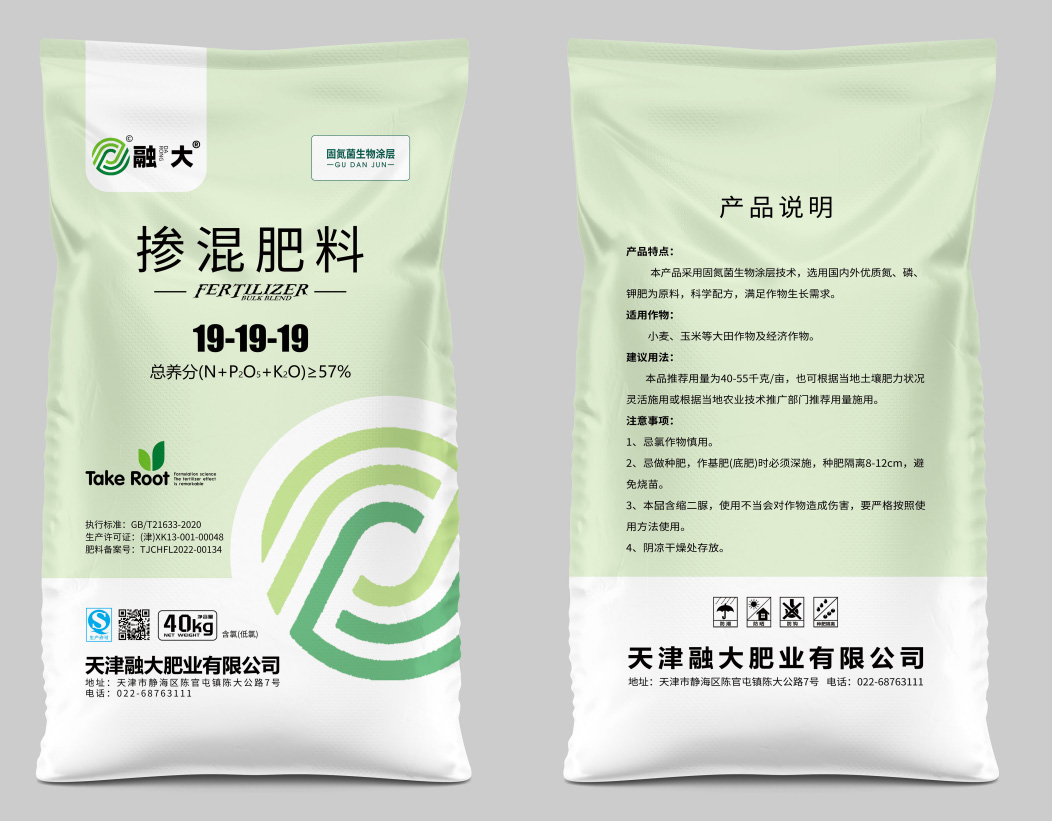
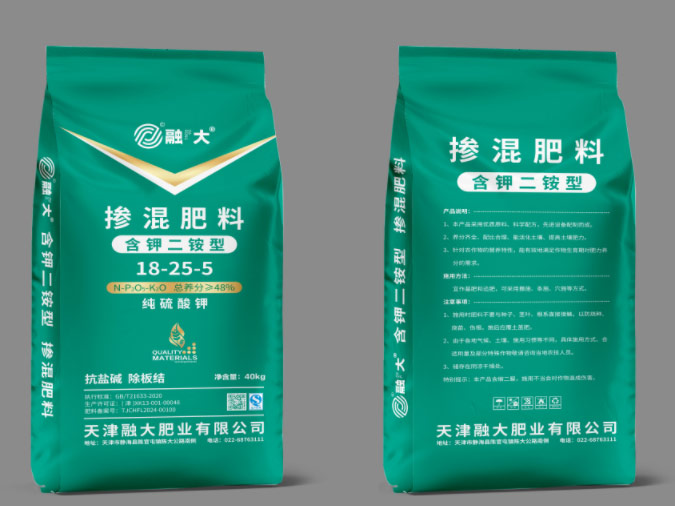
4. Can Rongda fertilizers help with alkaline soils?
Yes, Rongda offers a variety of fertilizers that are ideal for alkaline soils. Their products help to correct pH imbalances and provide essential nutrients for healthy plant growth.
Conclusion
Fertilizing alkaline soils can greatly improve plant health and ensure that your garden or farm produces healthy, abundant crops. By choosing the right fertilizers and applying them correctly, you can tackle the challenges of alkaline soils with confidence. If you're looking for high-quality fertilizers, consider Rongda for your needs.
If you have any further questions or need assistance in selecting the right fertilizer, contact us today!
Related News
- Which Magnesium Sulfate Fits Your Ground?
- Can Foliar Spraying Magnesium Sulfate During Fruit Expansion Improve Fruit Sweetness?
- How Do You Judge a Blended Fertilizer Before You Buy It?
- Magnesium Deficiency & Premature Aging in Greenhouse Vegetables: Soil Drench vs Foliar Spray of Magnesium Sulfate
- Which Water-Soluble NPK Formula Fits Each Growth Stage?
- What is the difference between Magnesium Sulfate and Calcium Magnesium Granules? When to Use Them Together?
Leave me a message