
Which Water-Soluble NPK Formula Fits Each Growth Stage?
A water-soluble shelf offers balanced, high-nitrogen, high-phosphorus and high-potassium formulas - and the wrong formula at the wrong stage wastes money in the cleanest possible form. This article matches the common NPK families to growth stages, explains how to read the label beyond the three numbers, and sets the dosing rhythm that ties them together.
In this article
- The Formula Families and Their Jobs
- Reading the Label Past the Numbers
- The Honest Limits
- Buying and Using Basics
- Frequently Asked Questions
- Conclusion
The Formula Families and Their Jobs
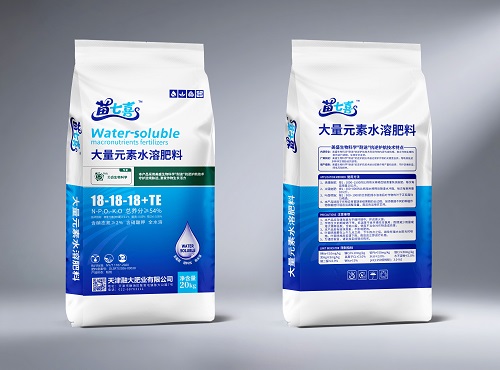
Four families cover most of the shelf. Balanced 20-20-20 with trace elements is the all-purpose maintenance formula - steady growth, transplant recovery, mixed plantings. High-nitrogen, low-phosphorus formulas (30-10-10, 20-10-20) build canopy and feed leafy crops. High-phosphorus starters (10-52-10, or straight 12-61-0 MAP) drive rooting and bud differentiation - short bursts, not continuous feeding. High-potassium finishers (12-8-36 and friends) carry bulking, sugar and colour, working alongside the MKP and calcium nitrate rotation. None is better than another; each is on time or it is waste.
|
Growth stage |
Formula family |
Example analysis |
What it drives |
|
Transplant and rooting |
High-P starter |
10-52-10 |
Root run, bud differentiation |
|
Vegetative build |
High-N, low-P |
30-10-10 / 20-10-20 |
Canopy, leafy yield |
|
All-purpose stretch |
Balanced + TE |
20-20-20 |
Steady growth, mixed plantings |
|
Flowering and set |
P+K lift |
15-30-15 |
Fruit set, early fill |
|
Bulking and finish |
High-K |
12-8-36 |
Sugar, colour, firmness |
Reading the Label Past the Numbers
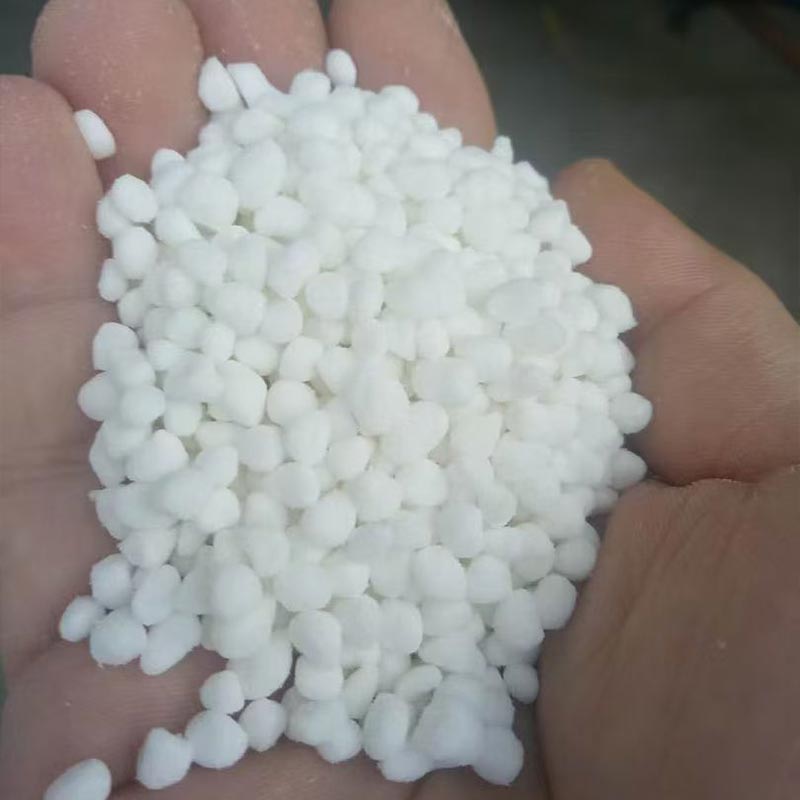
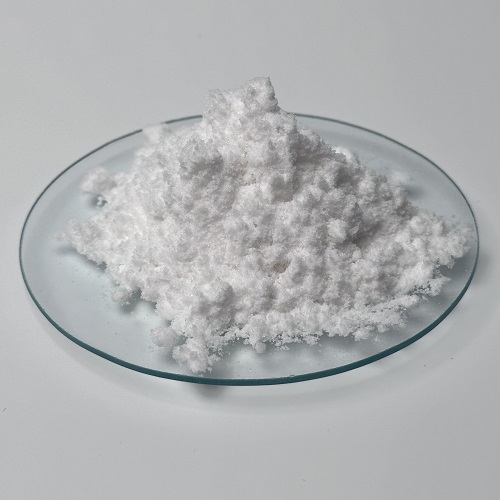
Three numbers are the headline; the label's fine print decides the performance. Nitrogen form split: nitrate-heavy formulas feed steadily and suit cool seasons and quality finishes, while urea share cuts cost but invites soft flush in heat - and ammonium needs watching on warm substrates. Trace elements: chelated iron, zinc and manganese matter in alkaline water, and the chelate type matters more than the count - the same EDTA/DTPA/EDDHA logic as the iron article. Solubility spec: fertigation grade means 100% water-soluble with negligible insolubles, free of chloride and sodium. And the honest tank number is EC per gram in your own water - the same jar-test discipline as every fertigation article in this series.
The Honest Limits
A formula choice cannot rescue wrong rates and frequency - water volume and schedule are the first decision; the formula is the second. One formula all season is quiet waste: the vegetative formula during fruit fill pays for phosphorus the crop is not using while starving the finish. Cheap bags with filler cross the line from bargain to trouble - insoluble dust blocks emitters and unlabeled chloride hurts sensitive crops, so the certificate of analysis outranks the bag design. And chelated trace elements degrade in strongly acidic or alkaline tank mixes, which is one more reason to keep the tank simple.
Buying and Using Basics
- Match formula to the stage calendar, not habit - the switch points are transplant, flowering and finish.
- Rhythm: small doses with every irrigation beat weekly floods; set a substrate EC target per crop.
- Rotation partners: MKP and calcium nitrate handle the specialist jobs between the formula stages.
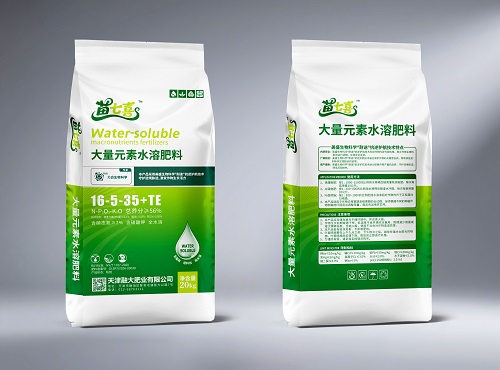
- Packing: 25 kg woven bags or small retail packs, jumbo bags for industrial programs.
Frequently Asked Questions
Q1: Can I just run 20-20-20 all season?
It works, and it wastes: during fruit fill you are paying for phosphorus the crop barely uses while the potassium starves. Stage formulas cost about the same and deliver visibly more at the two ends of the season.
Q2: Nitrate or urea nitrogen?
Cool seasons and quality finishes favor nitrate-heavy formulas; a urea share is fine for cost programs; heavy urea in heat pushes soft, disease-prone flush.
Q3: Why did my tank turn milky?
Calcium meeting phosphate or sulfate, or insoluble filler in a cheap product. Run a jar test and check the insolubles line on the COA before the whole batch goes in.
Q4: How often should fertigation run?
Small doses with every irrigation beat one weekly flood - the formula serves the schedule, not the other way round. Set the EC target first, then pick the formula that hits it at the stage.
Conclusion
Water-soluble fertilizer is the most precise way to feed - and precision only pays when the formula follows the stage. Read the label past the three numbers, switch formulas at the switch points, and let MKP and calcium nitrate cover the specialist jobs. The bag is cheap; the timing is the product.
If you are looking for a reliable fertilizer supplier that offers consistent quality and professional support, Tianjin Rongda Fertilizer Co., Ltd. is ready to help. Contact us today to learn how our fertilizer solutions can improve your agricultural productivity.
Related News
- Which Magnesium Sulfate Fits Your Ground?
- Can Foliar Spraying Magnesium Sulfate During Fruit Expansion Improve Fruit Sweetness?
- How Do You Judge a Blended Fertilizer Before You Buy It?
- Magnesium Deficiency & Premature Aging in Greenhouse Vegetables: Soil Drench vs Foliar Spray of Magnesium Sulfate
- What is the difference between Magnesium Sulfate and Calcium Magnesium Granules? When to Use Them Together?
- Why Do Sulfur-Hungry Fields Keep Ordering Ammonium Sulfate?
Leave me a message