
Which Magnesium Sulfate Fits Your Ground?
Magnesium sulfate comes in two hydrations - kieserite, the one-water mineral at about 27% MgO, and Epsom salt, the seven-water crystal at about 16% MgO. Same nutrient, different economics, solubility and jobs. This article matches each form to soil type and delivery route, and shows where the cheap-looking choice quietly costs more per kilogram of magnesium.
In this article
The Two Forms
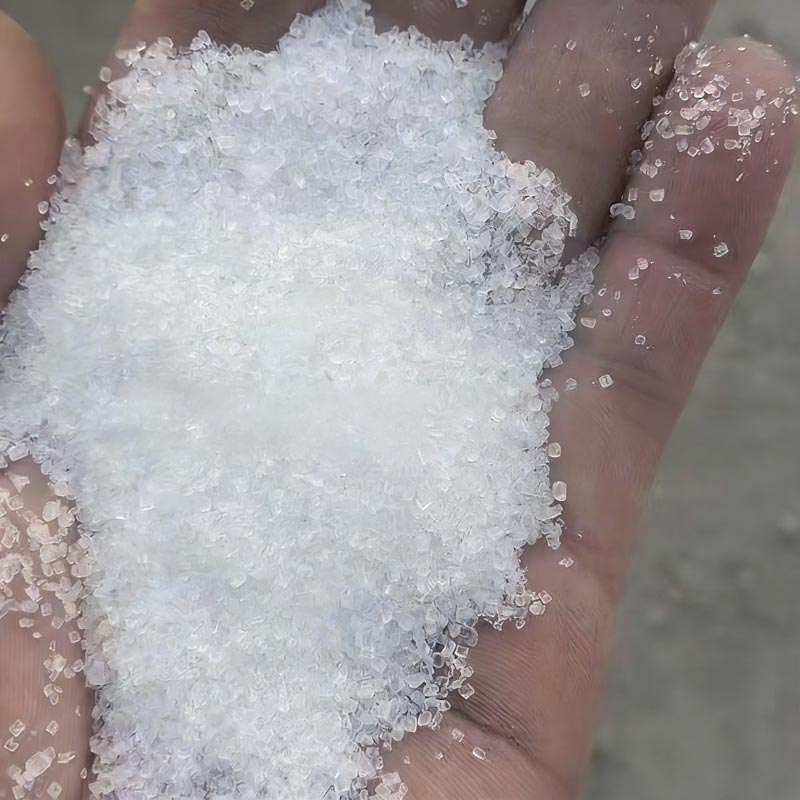
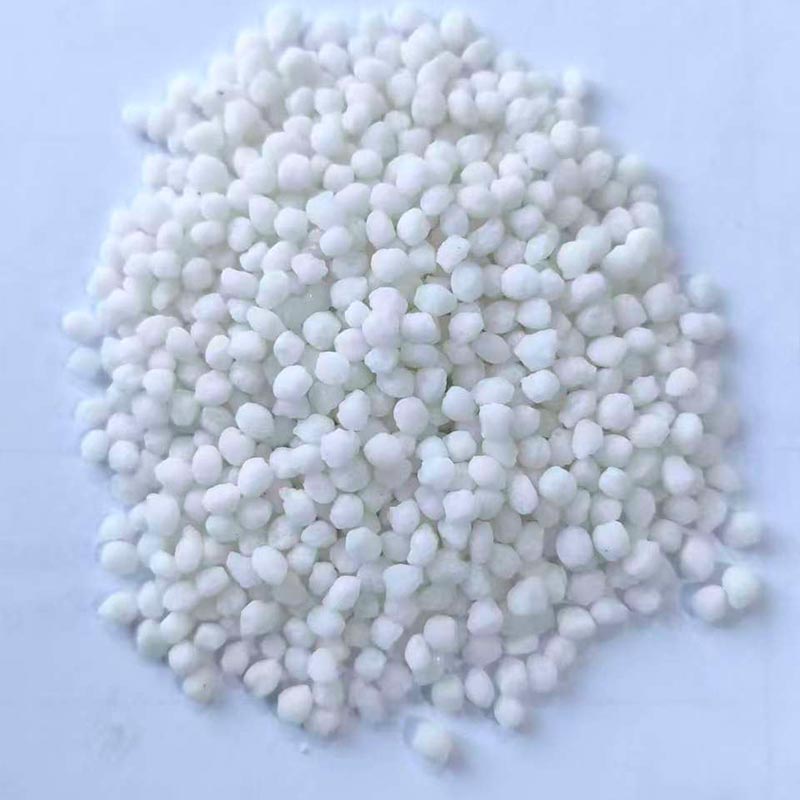
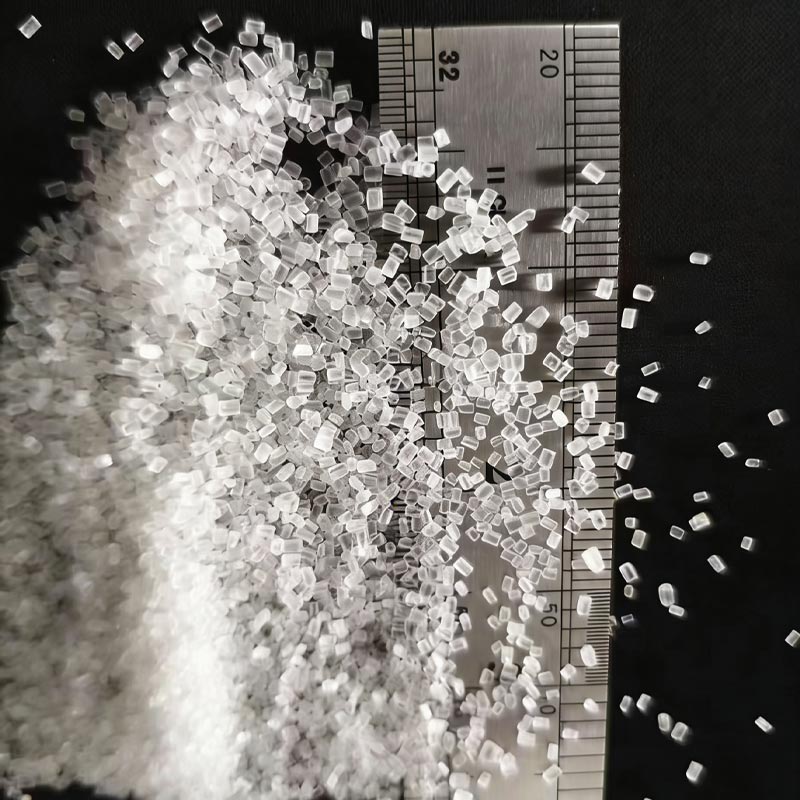
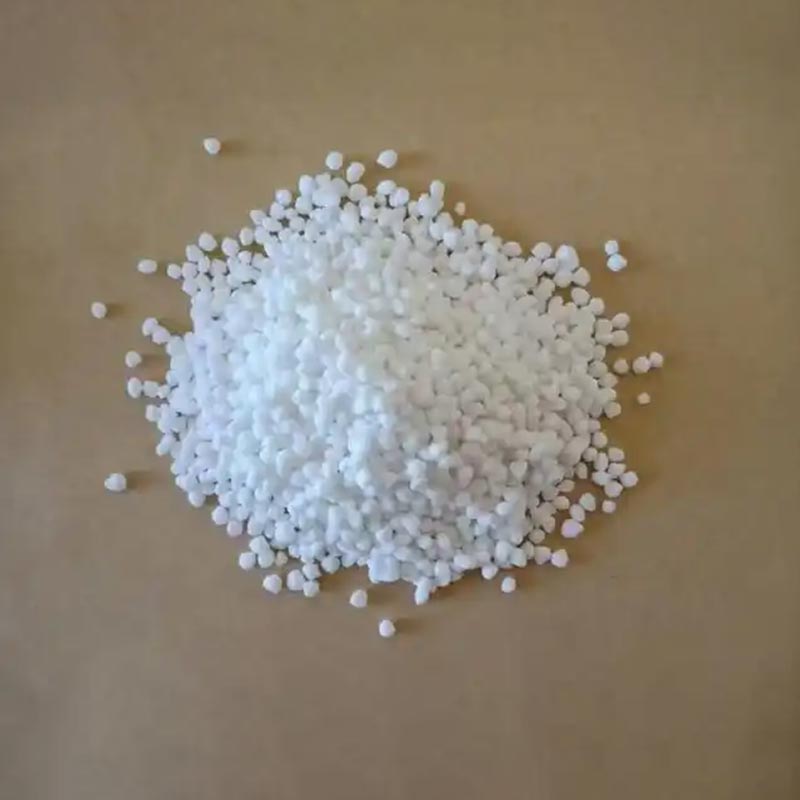
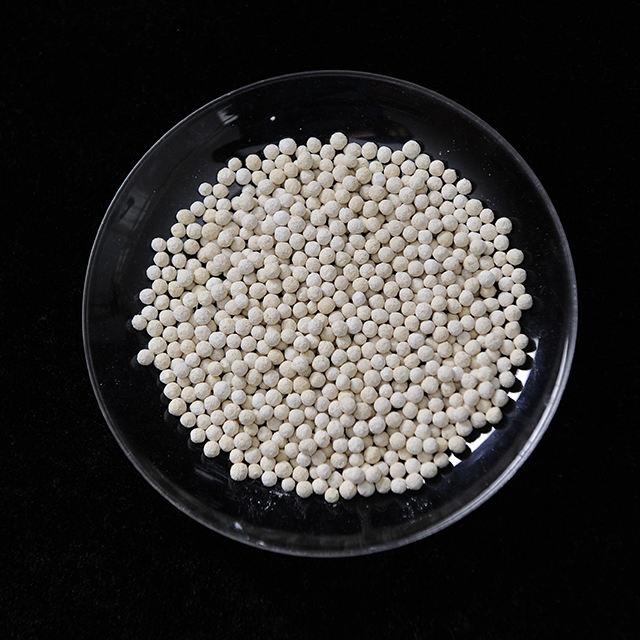
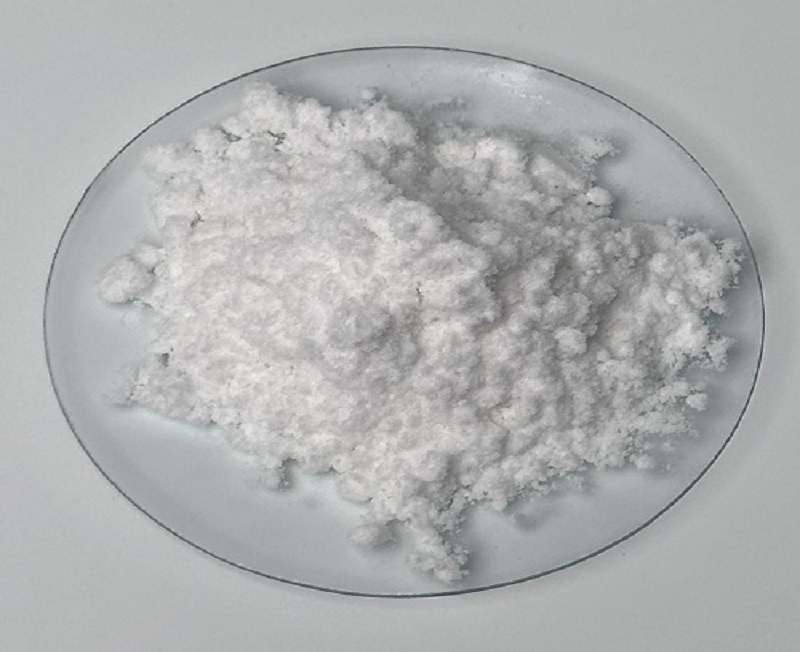
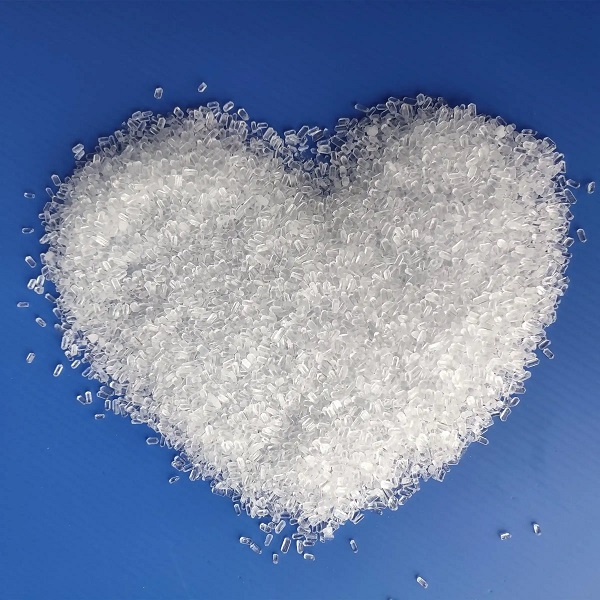
Kieserite is magnesium sulfate monohydrate - MgSO4·H2O - a mined mineral at about 27% MgO (16-17% Mg) with 22% sulfur. It is a hard granule that dissolves at a moderate pace, stores without conditions and blends well. Epsom salt is the heptahydrate - MgSO4·7H2O - at about 16% MgO (9.6% Mg) with 13% sulfur. It dissolves instantly and crystallizes beautifully, but half of every bag is water of crystallization. Both are neutral salts that carry sulfur along; neither disturbs pH. A reference product is magnesium sulfate fertilizer in both grades, woven bags or jumbo bags.
Item
Kieserite (one-water)
Epsom salt (seven-water)
MgO
26-28%
15-16%
Sulfur
About 22%
About 13%
Crystal water
One water
Seven - half the bag is water
Dissolving
Moderate - a soil product
Instant - water and spray ready
Storage
Unconditional
Cakes in humid sheds
Best job
Soil base and BB blending
Fertigation and foliar
Matching Form to Job
Soil nutrition is kieserite territory: hard granules spread and blend cleanly, release over the season, survive humid warehouses, and resist leaching on light rain-fed ground - small repeated doses beat one heavy pass. Water routes belong to Epsom: it dissolves clean for drip and foliar, which makes it the greenhouse and substrate standard and the fastest answer when older leaves show interveinal yellowing mid-season. On acidic ground where liming is slow or unwanted, either form supplies magnesium without touching pH - the magnesium correction that does not wait for a lime truck.
The Honest Limits
Epsom's low per-ton price is arithmetic deception: half the freight is crystal water, so per kilogram of actual magnesium the soil bill usually favors kieserite. Kieserite's slow dissolution is equally honest - it will not green a deficient crop this week, because that is not its job. Both forms ride with sulfur, so the sulfur account closes alongside the magnesium one. And magnesium excess, while rare, antagonizes potassium uptake - on already high-magnesium soils, keep the K:Mg balance in mind before adding more.
Buying and Handling Basics
- Specification check: kieserite MgO 26-28%, S about 22%; Epsom MgO 15-16%, S about 13%; granular or powder as the program needs.
- Blending: granular kieserite is the chloride-free magnesium partner in BB programs; Epsom does not belong in blends - humidity is its enemy.
- Drip and foliar: Epsom at label rates dissolves clean; do not fight kieserite through a filter - it will not fully dissolve.
- Packing: 25/50 kg woven bags or 500/1000 kg jumbo bags.
Frequently Asked Questions
Q1: Why pay more per ton for kieserite?
Per ton and per kilogram of magnesium are two different bills. Epsom is half crystal water, so for soil nutrition kieserite's price per kg of Mg usually wins - and it stores and blends without fuss.
Q2: Can kieserite be dissolved for spraying?
It dissolves partially and slowly - not a foliar product. Epsom salt dissolves clean and fast; that is the spray form.
Q3: Which form for acid, sandy pasture?
Kieserite: it persists on leaching ground, carries no pH effect, and small repeated doses beat one heavy application on light soils.
Q4: Does magnesium sulfate fix leaf yellowing?
If the yellowing is magnesium deficiency - older leaves, interveinal - yes, and Epsom foliar is the fast route. If it is iron chlorosis on alkaline ground, no: that is a different article with a different tool.
Conclusion
The two magnesium sulfates are not competitors - they are a division of labor. Kieserite feeds the soil and waits; Epsom feeds the water and works now. Match the form to the route - soil or spray - and the per-magnesium arithmetic quietly pays for itself.
If you are looking for a reliable fertilizer supplier that offers consistent quality and professional support, Tianjin Rongda Fertilizer Co., Ltd. is ready to help. Contact us today to learn how our fertilizer solutions can improve your agricultural productivity.
Related News
- Can Foliar Spraying Magnesium Sulfate During Fruit Expansion Improve Fruit Sweetness?
- How Do You Judge a Blended Fertilizer Before You Buy It?
- Magnesium Deficiency & Premature Aging in Greenhouse Vegetables: Soil Drench vs Foliar Spray of Magnesium Sulfate
- Which Water-Soluble NPK Formula Fits Each Growth Stage?
- What is the difference between Magnesium Sulfate and Calcium Magnesium Granules? When to Use Them Together?
- Why Do Sulfur-Hungry Fields Keep Ordering Ammonium Sulfate?
Leave me a message