
How Do Controlled-Release Curves Match Crop Demand?
Controlled-release granules sell a schedule, not nitrogen. Coating thickness sets the release window, soil temperature runs the clock, and the craft is matching the curve to the crop's hunger calendar. This article explains how release curves are defined, how to read a longevity claim, and where controlled-release blends earn their premium over quick sources.
In this article
What a Release Curve Actually Is
Matching Curves to Crop Demand
What a Release Curve Actually Is
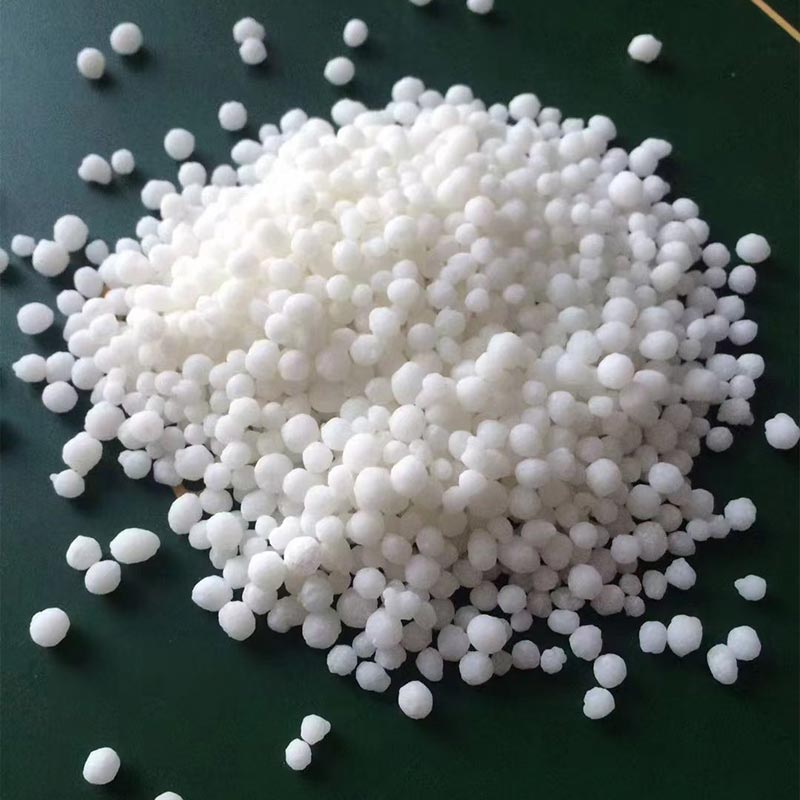
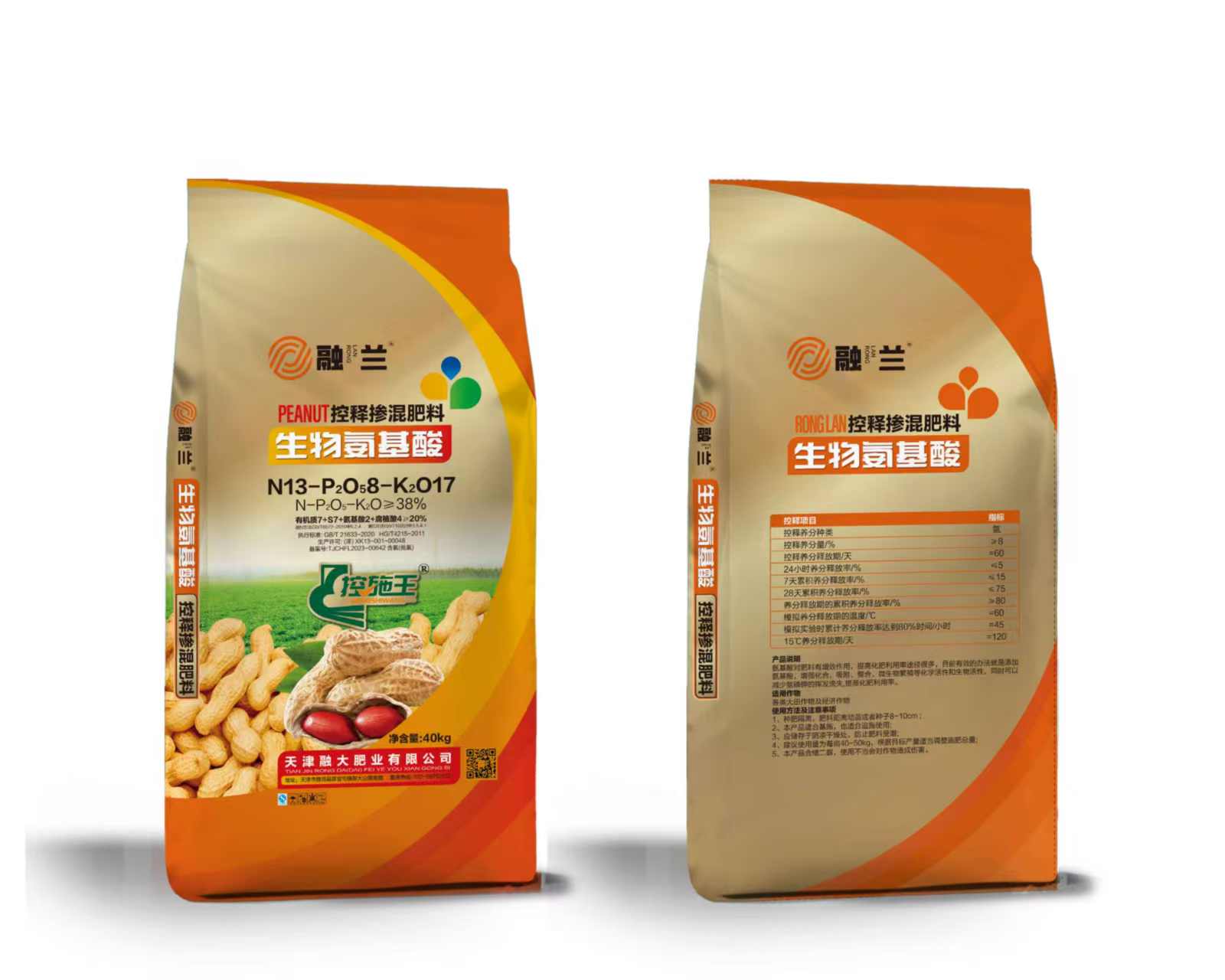
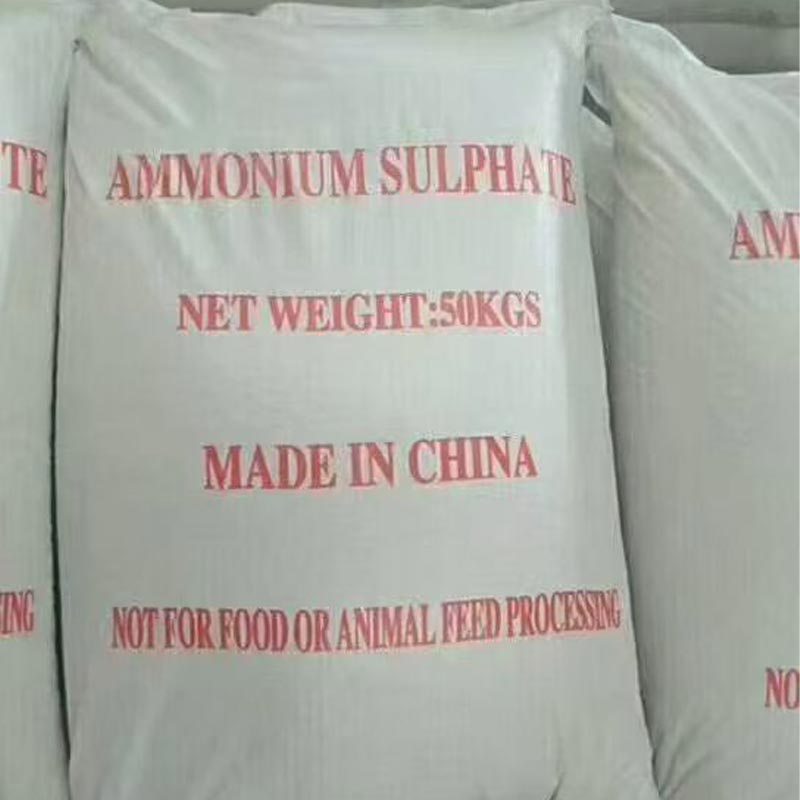
Polymer- or sulfur-coated urea releases nitrogen as water vapor diffuses through the coating, and the coating's thickness sets the window while soil temperature sets the speed - warmer soil moves the whole curve earlier. Longevity claims are anchored to a reference temperature, usually 21-25°C, printed on the datasheet: a “90-day” product is a 90-day product at that temperature, nothing more universal. Curve shape carries the quality signal: a small initial burst (good products stay under 10-15% in the first days), then a steepening main release, then a plateau. In blends, coated granules are mixed with quick sources - urea, ammonium sulfate, DAP, MOP - so the season receives a staggered supply instead of one flood.
Matching Curves to Crop Demand
The craft is calendar alignment. Maize stacks two hunger peaks - the V6-V12 stretch and grain fill - which a 60-90 day controlled-release share covers without a mid-season pass. Flooded rice loses nitrogen in the transplant window and then feeds steadily: a quick starter plus a controlled-release share answers both. Long-harvest vegetables fruit continuously, matching a 90-120 day curve in the base with drip top-ups. Orchards run one long slow season, which is the textbook case for a 120-day product applied in spring.
|
System |
Demand pattern |
Blend approach |
|
Maize |
Spike at V6-V12, again at fill |
60-90 day CRU + quick starter |
|
Flooded rice |
Early tiller, then steady |
Quick starter + 60-90 day CRU |
|
Long-harvest vegetables |
Continuous fruiting |
90-120 day CRU in base + drip top-ups |
|
Orchards |
One long slow season |
120 day CRU applied in spring |
The Honest Limits
Temperature writes the real schedule: the same product lasts longer in cold soil and runs out early in hot beds, so rate the plan against soil temperatures, not the bag. The premium is a bill that must close: controlled-release nitrogen costs more per unit, and the money comes back only through saved topdress passes, recovered losses and labor - counted honestly, field by field. Initial burst is the quality tell - a product above 15-20% has a coating problem, whatever the brochure says; demand the curve datasheet. And slow is not forgiving: surface-applied granules still waste their window, so incorporation rules do not relax.
Buying and Using Basics
- Datasheet first: reference temperature, longevity window, initial burst percentage, and the curve chart itself.
- Blend share: controlled-release typically carries 30-70% of total nitrogen, with a quick starter alongside.
- Placement: incorporate as usual - the release window does not excuse surface loss.
- Packing: 25/50 kg woven bags or 500/1000 kg jumbo bags.
Frequently Asked Questions
Q1: What does a 90-day claim actually promise?
That about 80% of the nitrogen releases across roughly 90 days at the datasheet reference temperature. Your soil temperature shifts that clock earlier or later - which is why the reference number matters.
Q2: Can coated granules be blended with ordinary urea?
Yes - that is exactly what a controlled-release blend is: quick nitrogen opens the season, the coated share carries the middle and the finish. The share is set by the crop program.
Q3: Why did my product release early?
Hot soil, coating damage from rough handling or aggressive blending, or simply a high-burst product. Check the burst specification and the handling chain before blaming the field.
Q4: Is the premium worth it on modest fields?
Often not. The premium repays itself through saved passes and recovered nitrogen; on modest yield targets, quick sources may be the honest buy - run the count first.
Conclusion
Controlled-release is a scheduling purchase, not a nutrient purchase. Read the curve datasheet, match longevity to the crop's hunger calendar, and blend a quick starter alongside - then the premium buys what it promised: nitrogen arriving when the crop is actually hungry.
If you are looking for a reliable fertilizer supplier that offers consistent quality and professional support, Tianjin Rongda Fertilizer Co., Ltd. is ready to help. Contact us today to learn how our fertilizer solutions can improve your agricultural productivity.
Related News
- Can Magnesium Sulfate Be Used in Saline-Alkali Soil? What Are the Risks of Long-Term Application?
- How Do You Turn a Soil Test into a Blend Sheet?
- How Does Applying Magnesium Sulfate After Grape Harvest Help Bud Burst in the Next Year?
- Which Magnesium Sulfate Fits Your Ground?
- Can Foliar Spraying Magnesium Sulfate During Fruit Expansion Improve Fruit Sweetness?
- How Do You Judge a Blended Fertilizer Before You Buy It?
Leave me a message