
What Are the Functions and Advantages of Blended Fertilizers?
In modern precision agriculture, standard fixed-formula fertilizers often fail to meet diversified nutritional needs caused by different soil conditions, crop varieties, and growth stages. Unmatched fertilization usually leads to unbalanced nutrition, excessive fertilizer waste, and limited yield improvement. Featuring flexible formula adjustment, strong compatibility, and cost-effective performance, blended fertilizers have become a premium choice for modern agricultural planting. This article elaborates on the definition, core functions, key advantages, and scientific application tips of blended fertilizers, helping farmers apply fertilizer scientifically to reduce costs and improve crop quality and yield.
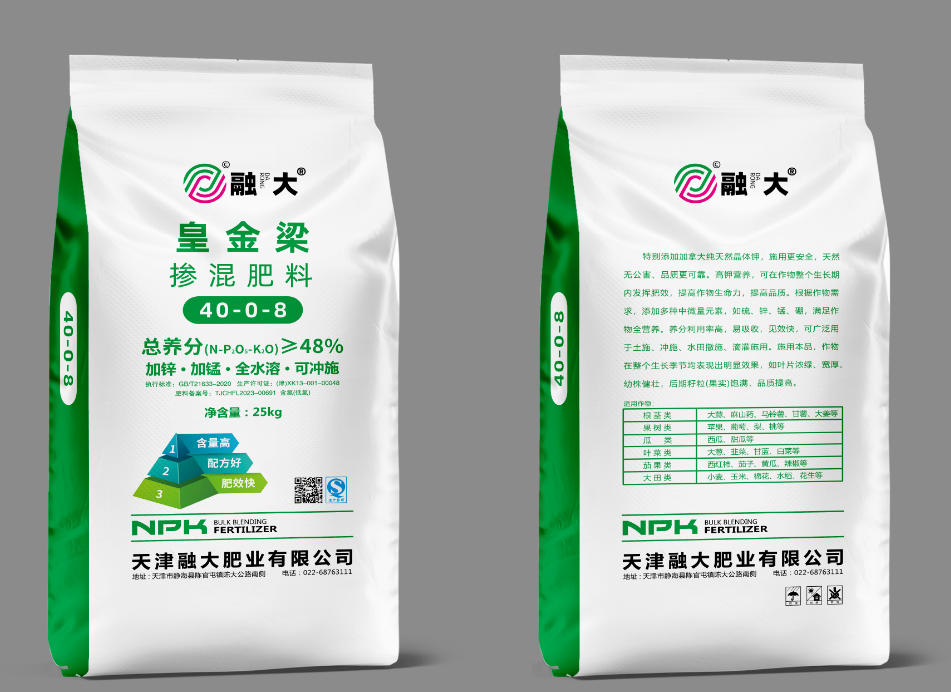
Table of Contents
• Basic Definition of Blended Fertilizers
• Core Advantages of Blended Fertilizers
• Key Notes for Using Blended Fertilizers
Basic Definition of Blended Fertilizers
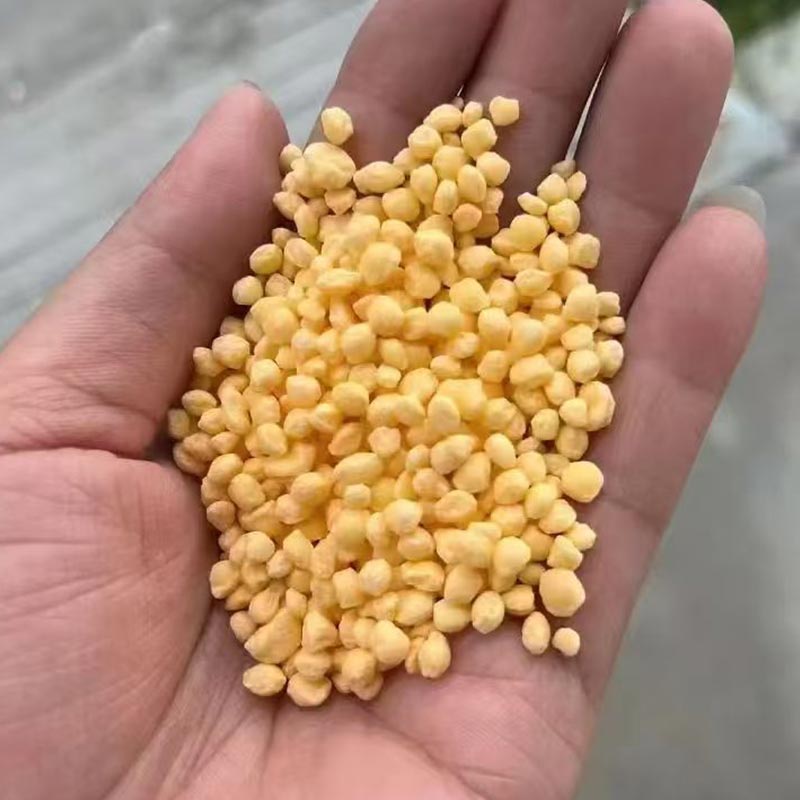
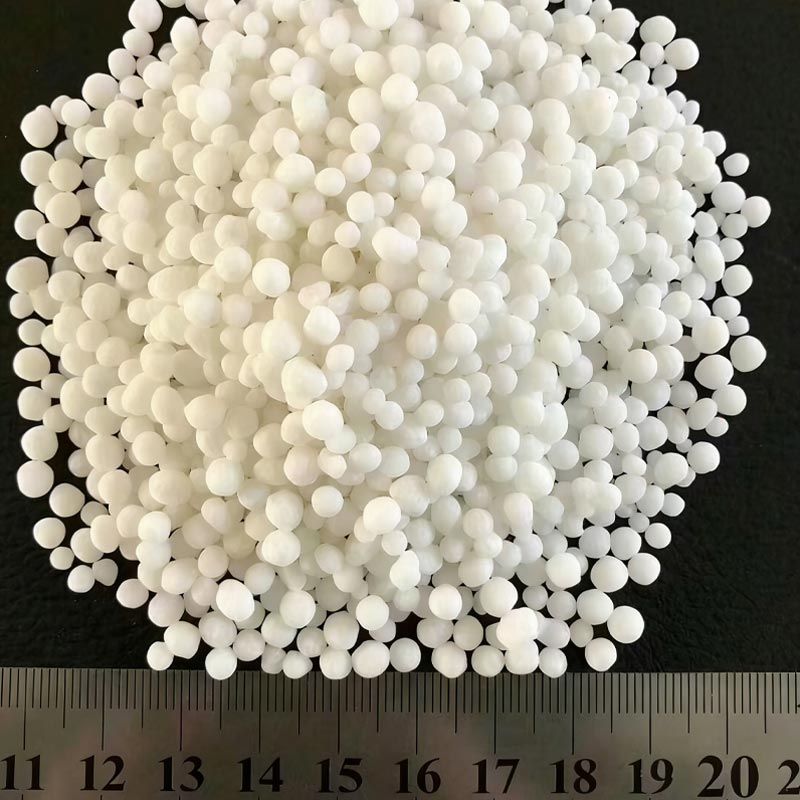
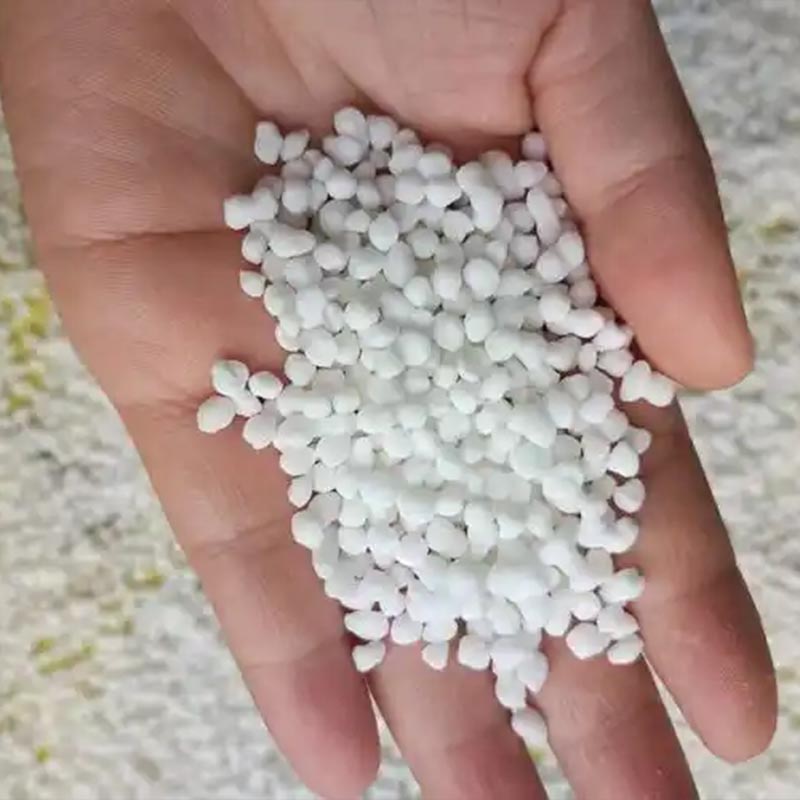
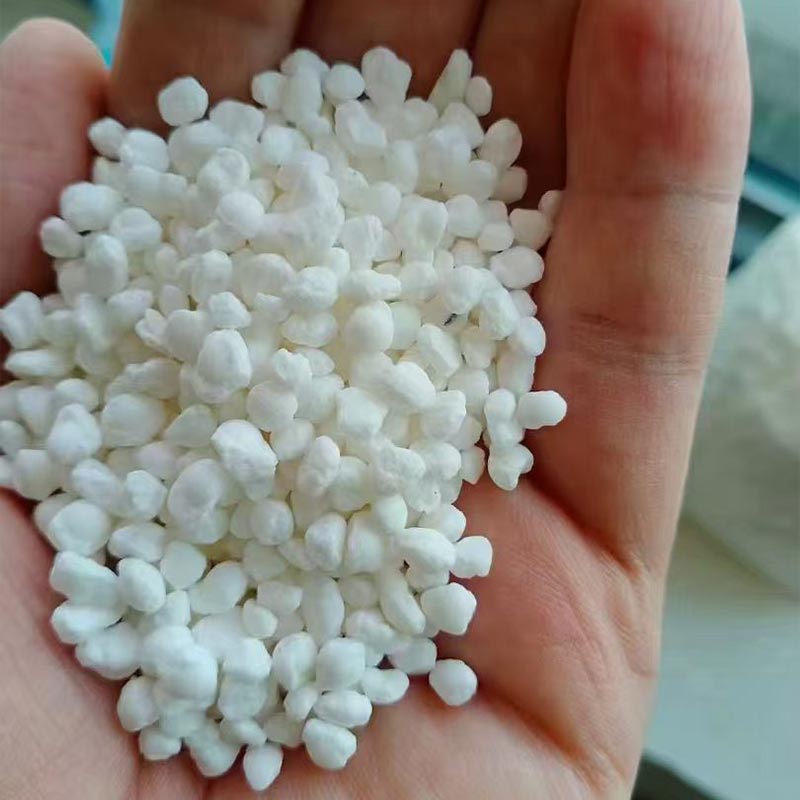
Blended fertilizer is a customized nutritional formula for crops. It is produced by physically mixing basic granular fertilizers such as nitrogen, phosphorus, and potassium according to soil test results and crop growth characteristics. Unlike compound fertilizers with fixed industrial formulas that cannot be adjusted freely, blended fertilizers support flexible ratio modification without fixed nutritional limitations.
Growers can adjust the fertilizer proportion dynamically based on soil fertility, crop types, and specific growth periods. For example, high-nitrogen blended fertilizer is ideal for corn jointing stages to promote stem and leaf growth, while potassium-enriched formulas are more suitable for fruit trees during the fruiting and swelling period to boost fruit expansion, sweetness, and coloration. It realizes targeted and on-demand fertilization for precise crop nutrition supply.
Core Advantages of Blended Fertilizers
Compared with traditional fixed-ratio fertilizers, blended fertilizers solve many common pain points in conventional farming and fit well with large-scale planting and refined agricultural management scenarios.
Balanced Nutrition and Reduced Fertilizer Waste. Scientifically proportioned blended fertilizers precisely supplement deficient nutrients in the soil and avoid problems caused by excessive or insufficient single elements. It effectively restrains abnormal crop growth such as excessive seedling growth and premature aging, reduces disease incidence caused by nutritional imbalance, greatly improves nutrient absorption efficiency, and lowers soil pressure from blind fertilization.
Synchronized Nutrient Release and Faster Fertilizer Response. Produced through physical blending technology, each fertilizer particle maintains independent and stable physical and chemical properties without component conflicts. When encountering water in the soil, nitrogen, phosphorus, potassium, and medium trace elements are released synchronously, quickly supplying sufficient nutrients for crops and perfectly matching the nutritional demands of critical growth stages with stable and reliable fertilizer effects.
Controllable Cost and Higher Cost Performance. Blended fertilizers are formulated directly with basic fertilizer materials without complicated deep processing procedures. Compared with purchasing multiple specialized functional fertilizers, they greatly reduce agricultural input costs. While fully meeting the differentiated fertilization needs of various crops, they help farmers achieve cost reduction and profit growth in agricultural production.
Key Notes for Using Blended Fertilizers
Although blended fertilizers feature high flexibility and practicality, standardized application methods are essential to maximize fertilizer efficiency and avoid common fertilization mistakes. Scientific application can increase fertilizer utilization efficiency by more than 20%.
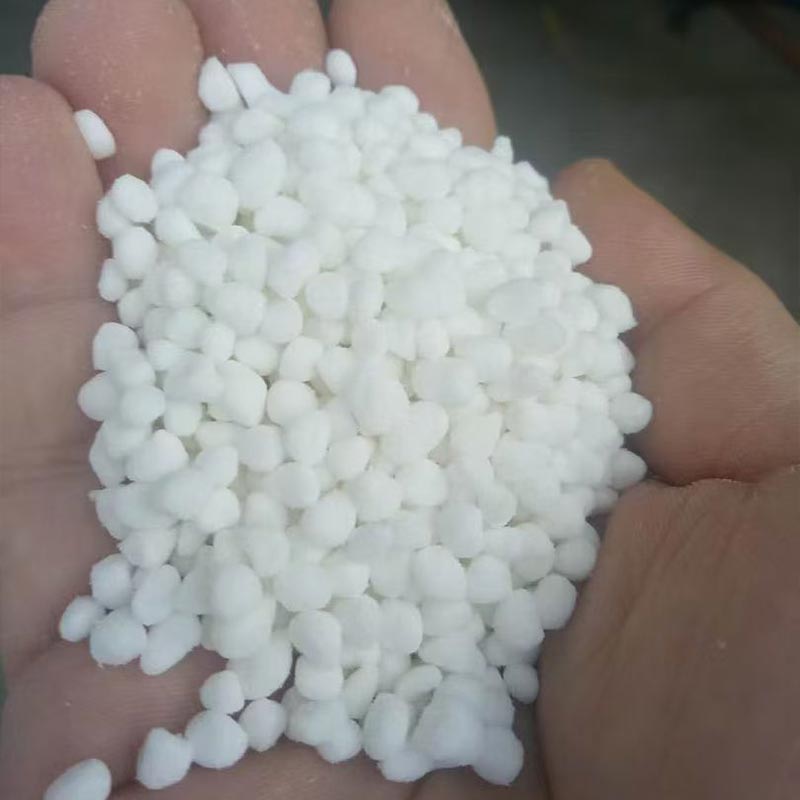
First, ensure particle consistency during mixing. Choose raw materials with similar particle size and density for field blending. Excessive particle differences will cause layering and separation during transportation and spreading, resulting in uneven nutrient distribution in farmland and inconsistent crop growth.
Second, avoid mixing acidic and alkaline fertilizers. The combination of acidic and alkaline fertilizers will trigger chemical reactions, leading to nutrient volatilization and failure, which greatly weakens the fertilizer effect and fails to achieve expected planting results.
Third, adjust fertilization methods according to soil properties. For sandy soil with poor water and fertilizer retention capacity, adopt the method of low-dose and multiple-time fertilization to prevent rapid nutrient loss with water flow and maintain stable and balanced nutrient supply throughout the crop growth cycle.
Summary
In conclusion, blended fertilizers break the usage limitations of traditional fixed-formula fertilizers with flexible formulas, balanced nutrition, stable efficiency, and high cost performance. They can accurately adapt to the fertilization requirements of different soils, crops, and growth cycles. As long as farmers follow scientific proportioning and standardized application specifications and avoid improper mixing and fertilization operations, blended fertilizers can significantly improve fertilizer utilization, reduce planting costs, and support stable crop yield and quality improvement, making them an ideal fertilization solution for modern precision agriculture.
FAQ
Q1: Are blended fertilizers the same as compound fertilizers?
No, they are completely different. Compound fertilizers adopt fixed industrial ratios that cannot be adjusted and are only suitable for general planting scenarios. In contrast, blended fertilizers support fully customizable ratios based on actual soil fertility and crop growth conditions, providing stronger pertinence and adaptability for refined agricultural planting.
Q2: Can blended fertilizers be used for all crops?
Yes. Blended fertilizers are applicable to almost all planting scenarios, including food crops, fruits, vegetables, cash crops, and garden seedlings. Corresponding customized formulas can be configured according to the unique nutritional needs of different crops.
Q3: Will self-blended fertilizers affect fertilizer efficiency?
Improper self-matching, such as random mixing of acidic and alkaline fertilizers or unreasonable particle proportioning, will cause nutrient failure, uneven fertilization, and reduced efficiency. It is recommended to formulate blended fertilizers according to professional soil detection data and fertilization plans to maximize planting effects.
Q4: Can blended fertilizers truly improve fertilizer utilization rate?
Absolutely. Scientifically formulated blended fertilizers precisely match crop nutritional needs, avoiding nutrient loss caused by excess nutrients and growth obstacles caused by nutrient deficiency. Standard application can increase fertilizer utilization efficiency by more than 20%, effectively reducing agricultural waste and improving overall planting returns.
If you are looking for a reliable blended fertilizer supplier that delivers stable product quality and professional agricultural support, Tianjin Rongda Fertilizer Industry Co., Ltd. is always ready to assist you. Contact us today to discover how our customized fertilizer solutions can boost your agricultural productivity and planting profits.
Related News
- How Do Controlled-Release Curves Match Crop Demand?
- Can Magnesium Sulfate Be Used in Saline-Alkali Soil? What Are the Risks of Long-Term Application?
- How Do You Turn a Soil Test into a Blend Sheet?
- How Does Applying Magnesium Sulfate After Grape Harvest Help Bud Burst in the Next Year?
- Which Magnesium Sulfate Fits Your Ground?
- Can Foliar Spraying Magnesium Sulfate During Fruit Expansion Improve Fruit Sweetness?
Leave me a message