
Calcium Magnesium Granules Supplement Secondary Nutrients, When Is the Best Application Time for Various Crops?
Calcium and magnesium are essential secondary nutrients for crop growth. Calcium magnesium granules realize simultaneous supplementation of calcium and magnesium. Magnesium facilitates photosynthesis and inhibits leaf yellowing and premature aging. Calcium strengthens cell walls and reduces physiological disorders such as fruit cracking and blossom-end rot. Many farmers only focus on NPK and neglect calcium and magnesium supply. This article clarifies the optimal application periods of calcium magnesium granules for different crops, along with practical application guidelines.

Table of Contents
1. Core Functions of Calcium and Magnesium for Crops
2. General Principles for Applying Calcium Magnesium Granules
3. Optimal Application Periods for Different Crops
4. Operation Guidelines for Base Application and Topdressing
5. Advantages of RONGDA Calcium Magnesium Granules
6. Common Mistakes When Using Calcium Magnesium Granules
1. Core Functions of Calcium and Magnesium for Crops
Magnesium constitutes the core component of chlorophyll. Magnesium deficiency causes yellow leaves, weak photosynthesis and premature aging, limiting fruit development. Calcium supports cell wall formation. Lack of calcium often triggers cracked fruits, blossom-end rot and poor fruit storability. Calcium magnesium granules integrate these two secondary nutrients. Soil application continuously provides nutrients for root uptake, balances soil nutrition and alleviates nutrient deficiency caused by long-term single use of compound fertilizers.
2. General Principles for Applying Calcium Magnesium Granules
Calcium magnesium granules are granular soil fertilizers with slow nutrient release. They are suitable for pre-buried application instead of emergency treatment after deficiency symptoms appear. The core principle is prioritizing base fertilizer, supplemented by topdressing at critical growth stages. On acidic soil, apply calcium magnesium granules during land preparation. For crops vulnerable to fruit cracking and leaf yellowing, apply granules 15–30 days before nutrient demand peaks. Avoid fertilization under high-temperature drought or waterlogged conditions.
3. Optimal Application Periods for Different Crops
① Fruit Trees (Citrus, Apple, Grape, Peach, Pear, etc.)
Apply calcium magnesium granules together with organic fertilizer after autumn harvest to reserve nutrients and prevent spring leaf yellowing. The second suitable stage runs from budding to post-flowering to support flowering and young fruit development. Furrow application in early fruit expansion along the canopy drip line effectively lowers risks of fruit cracking.
② Fruits and Vegetables (Tomato, Pepper, Cucumber, Strawberry, Watermelon, etc.)
Mix calcium magnesium granules into base fertilizer before transplanting to prevent seedling nutrient shortage. Early fruit setting is the key topdressing phase, which helps reduce blossom-end rot and fruit cracking. Greenhouses with continuous cropping should add calcium magnesium granules to base fertilizer annually to maintain balanced soil nutrients.
③ Field Crops (Rice, Corn, Wheat, Peanut, Soybean)
Spread calcium magnesium granules as base fertilizer during soil preparation to satisfy nutrient needs throughout the growth cycle. Supplementary application before peanut and soybean flowering promotes plump pods. If rice and corn develop magnesium-deficient yellow spots, apply granules at the jointing stage.
④ Root Crops (Potato, Sweet Potato, Chinese Yam, Radish)
Add calcium magnesium granules to base fertilizer before planting. It stimulates cell development of tubers and roots, reduces hollow and deformed products, and improves commodity quality and final yield.
4. Operation Guidelines for Base Application and Topdressing
For base fertilization, spread calcium magnesium granules evenly and plough deeply to achieve full mixing with soil.
For topdressing, adopt furrow or hole application. Cover soil and irrigate immediately after fertilization. Long-term surface spreading is discouraged, as it greatly reduces nutrient utilization efficiency.
Recommended dosage: 15–25kg per mu for field crops; 20–30kg per mu for fruit and vegetable farms; 0.5–1.2kg per mature fruit tree. Adjust dosage based on soil acidity and nutrient deficiency level.
5. Advantages of RONGDA Calcium Magnesium Granules
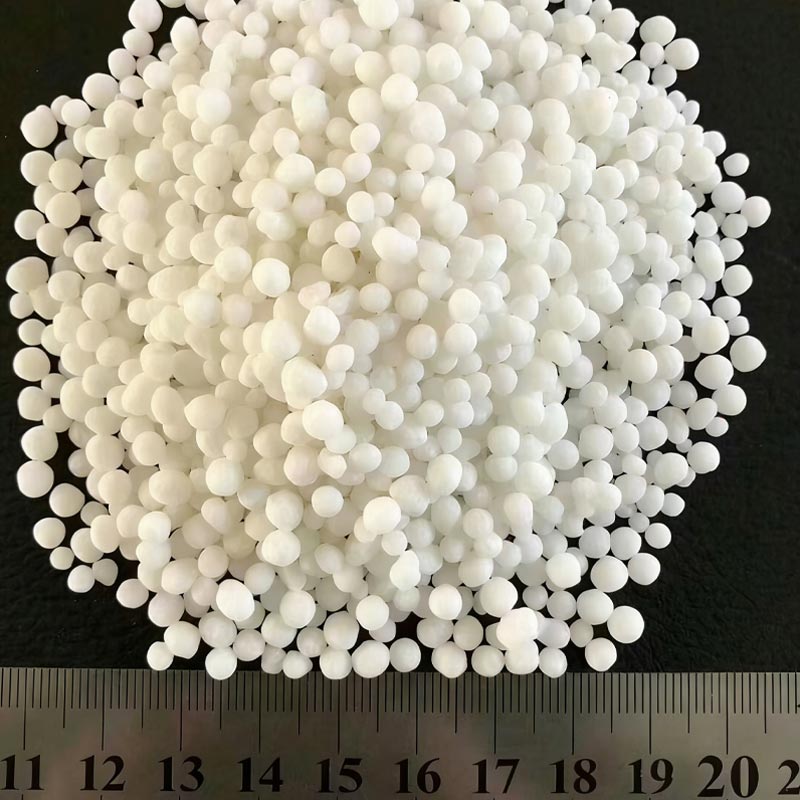
RONGDA Calcium Magnesium Granules feature uniform particles and excellent fluidity, matching both manual spreading and mechanical fertilization. The scientific calcium-magnesium ratio enables steady nutrient release, and nutrients are less likely to be fixed in soil. Raw materials have high purity and low impurities, complying with agricultural heavy metal standards. The product fits orchards, open farms and greenhouses for regular medium-element supplementation on large-scale plantations.
6. Common Mistakes When Using Calcium Magnesium Granules
Mistake 1: Apply calcium magnesium granules only after yellow leaves or cracked fruits emerge.
Correction: Calcium magnesium granules need a long absorption cycle. Remedial effects are limited once symptoms show. Conduct regular advance application to prevent nutrient deficiency.
Mistake 2: Mix calcium magnesium granules with high-phosphate fertilizer for heavy simultaneous application.
Correction: Excessive phosphorus inhibits calcium absorption. Apply calcium magnesium granules and high-phosphorus fertilizer at separate times.
Mistake 3: One single annual application is sufficient.
Correction: Crops keep absorbing calcium and magnesium from soil. Continuous cropping land requires regular supplementation every season or every year.
7. Conclusion
Balanced supply of secondary nutrients is essential for stable yield and quality improvement. Calcium magnesium granules achieve coordinated calcium and magnesium supplementation suitable for most crops. Reasonable application during soil preparation, pre-flowering and fruit expansion effectively solves leaf aging, fruit cracking and physiological diseases. RONGDA Calcium Magnesium Granules are ideal for regular soil nutrient supplement on all types of farms. Arranging application time properly can maximize the fertilization value of calcium magnesium granules.
Related News
- How Do Controlled-Release Curves Match Crop Demand?
- Can Magnesium Sulfate Be Used in Saline-Alkali Soil? What Are the Risks of Long-Term Application?
- How Do You Turn a Soil Test into a Blend Sheet?
- How Does Applying Magnesium Sulfate After Grape Harvest Help Bud Burst in the Next Year?
- Which Magnesium Sulfate Fits Your Ground?
- Can Foliar Spraying Magnesium Sulfate During Fruit Expansion Improve Fruit Sweetness?
Leave me a message