
What Are the Advantages of Ordinary Blended Fertilizer (BB Fertilizer)? How to Apply It Scientifically for Field Crops, Fruits and Vegetables?
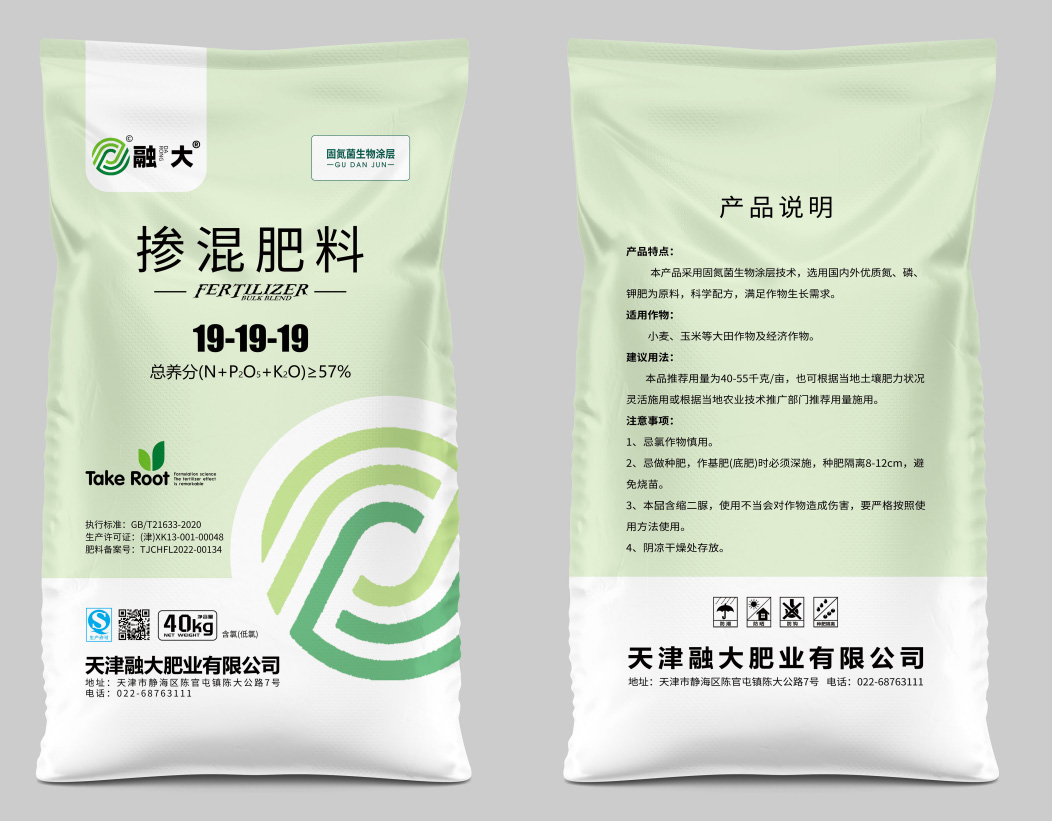
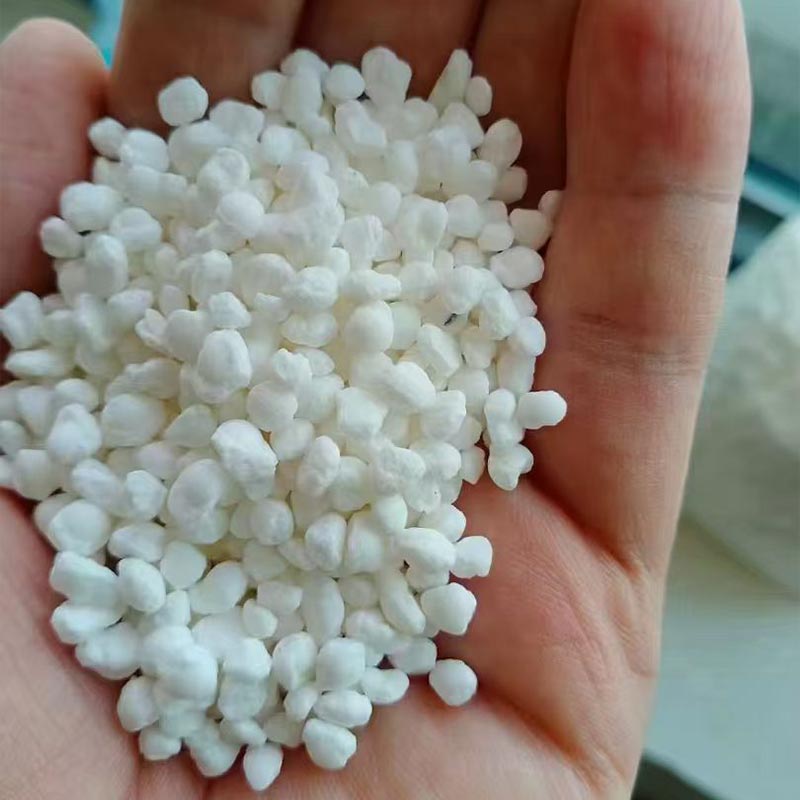
Ordinary blended fertilizer, commonly known as BB fertilizer, is physically mixed from different granular straight fertilizers without chemical granulation. Its formula can be flexibly adjusted according to soil test results and crop nutrient demand to customize NPK ratios, widely adopted as base fertilizer for large-scale agriculture. Many growers encounter particle segregation, seedling burn and improper formula selection due to misunderstanding of ordinary blended fertilizer characteristics. This article illustrates core advantages of ordinary blended fertilizer, provides standardized application plans for various crops, and summarizes key operational rules and typical mistakes.

Table of Contents
1.Introduction to Ordinary Blended Fertilizer & Differences from Compound Fertilizer
2.Core Advantages of Ordinary Blended Fertilizer
3.Application Plans & Dosage Reference for Field Crops, Fruits, Vegetables and Fruit Trees
5.Product Advantages of RONGDA Ordinary Blended Fertilizer
1. Introduction to Ordinary Blended Fertilizer & Differences from Compound Fertilizer
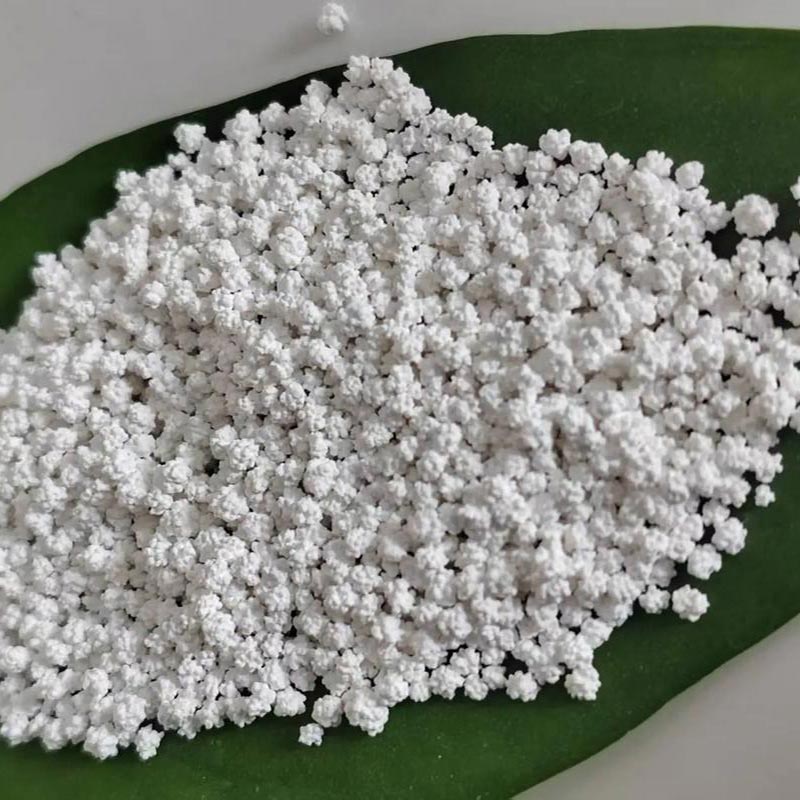
Ordinary blended fertilizer (BB fertilizer) mixes granular raw materials including granular urea, monoammonium phosphate and potassium sulfate via mechanical blending without chemical reactions. Different nutrients exist in independent granules. Compound fertilizer is manufactured by chemical granulation, where every single granule contains balanced N, P and K. Compound fertilizers come with fixed formulas, while qualified ordinary blended fertilizer allows flexible adjustment of nutrient proportions to support soil-test-based precision fertilization.
2. Core Advantages of Ordinary Blended Fertilizer
1. Customizable flexible formulas. Growers can adjust NPK ratios based on soil status, crop varieties and target yields to supply targeted nutrients and reduce waste.
2. Flexible nutrient combination. Quick-release granules or controlled-release particles, secondary and trace element granules can be added to support seedling growth and sustained nutrition in later growth stages.
3. Cost-effective. It avoids high-temperature chemical granulation procedures and features competitive cost under the same total nutrient content, suitable for large-scale field planting.
4. Wide application compatibility. Qualified products feature uniform particle size, fit manual broadcasting, furrow application, as well as spreaders and seeders for mechanized farming.
3. Application Plans & Dosage Reference for Field Crops, Fruits, Vegetables and Fruit Trees
① Field crops (wheat, corn, rice, peanut, soybean)
Mainly used as base fertilizer before sowing and incorporated into soil during tillage. Recommended dosage: 30–45kg per mu. High-potassium formulas suit peanut and soybean; sulfur-containing blends are preferred for rice.
② Fruits and vegetables (tomato, cucumber, pepper, watermelon, strawberry, etc.)
Apply as base fertilizer before transplanting. Combine with decomposed organic manure for continuous cropping greenhouses. Recommended dosage: 35–50kg per mu. Prevent concentrated fertilizer from direct contact with tender seedling roots.
③ Perennial fruit trees (citrus, apple, grape, peach, pear)
Suitable for autumn base fertilizer and spring budding fertilizer. Furrow application along canopy drip line and cover with soil. Recommended dosage: 0.6–1.8kg per mature tree, adjusted according to tree age and fruit load.
4. Key Operational Guidelines
1. Prevent particle segregation. Granules with different density separate easily after long transport or storage. Flip and shake bags fully 4–5 times before spreading; apply as soon as possible after mixing.
2. Deep application with soil covering. Plough fertilizer into 15–25cm soil layer to reduce nitrogen volatilization; avoid long-term surface broadcasting.
3. Maintain safe distance between seed and fertilizer. For simultaneous sowing and fertilization, keep at least 8cm horizontal gap to avoid seedling burn caused by high-concentration nitrogen.
4. Coordinate irrigation. Keep proper soil moisture after fertilization to facilitate nutrient release and root absorption; irrigate timely on dry farmland.
5. Product Advantages of RONGDA Ordinary Blended Fertilizer
RONGDA Ordinary Blended Fertilizer adopts raw materials with matched particle size and density to minimize segregation during transport and spreading. Multiple formulas are available: balanced, high-nitrogen, high-phosphorus, high-potassium and sulfur-containing types with customized service supported. Raw materials feature high purity and low impurities. Good granule fluidity supports manual spreading and various agricultural machinery. Calcium, magnesium and other secondary element granules can be added to satisfy diversified nutrient demands for fields, orchards and cash crops.
6. Common Application Mistakes
Mistake 1: Ordinary blended fertilizer can be stored for a long period.
Correction: Long static storage aggravates particle segregation. Consume within 3 months after delivery and store in dry and ventilated warehouses.
Mistake 2: Apply fertilizer closely to seeds due to comprehensive nutrients.
Correction: Direct contact with concentrated fertilizer easily causes seedling burn. Safe spacing must be guaranteed.
Mistake 3: Ordinary blended fertilizer is inherently less effective than compound fertilizer.
Correction: Fertilizer efficiency depends on raw material quality, formula matching and application methods. Properly selected high-quality ordinary blended fertilizer can guarantee stable yield and quality improvement.
Mistake 4: Apply fertilizer directly by spreader without shaking the bags.
Correction: Particle segregation occurs after static storage, leading to uneven nutrient distribution across farmland.
7. Conclusion
Benefiting from flexible formulation and favorable cost, ordinary blended fertilizer serves as a key product for modern precision fertilization based on soil testing. Three points should be followed to maximize fertilizer efficiency: select qualified low-segregation products; fully remix before application; adopt deep placement and avoid seedling burn. Match NPK formulas with local soil conditions and cooperate with organic manure and secondary/trace element fertilizers to improve soil fertility, crop yield and produce quality steadily. RONGDA Ordinary Blended Fertilizer supports customized formulas to meet precision fertilization demands for all types of large-scale plantations.
Related News
- How Do Controlled-Release Curves Match Crop Demand?
- Can Magnesium Sulfate Be Used in Saline-Alkali Soil? What Are the Risks of Long-Term Application?
- How Do You Turn a Soil Test into a Blend Sheet?
- How Does Applying Magnesium Sulfate After Grape Harvest Help Bud Burst in the Next Year?
- Which Magnesium Sulfate Fits Your Ground?
- Can Foliar Spraying Magnesium Sulfate During Fruit Expansion Improve Fruit Sweetness?
Leave me a message