
How Does Applying Magnesium Sulfate After Grape Harvest Help Bud Burst in the Next Year?
Post-harvest management of grapes is known as the "tree recovery" stage, the golden period for nutrient storage. Many growers only focus on NPK while ignoring magnesium. Applying Magnesium Sulfate after harvest repairs leaves, improves photosynthesis and supports flower bud differentiation, which directly affects the uniformity and vigor of bud burst in the coming year. In this article, RONGDA explains the principle, application plan and practical notes of Magnesium Sulfate application after grape harvest.
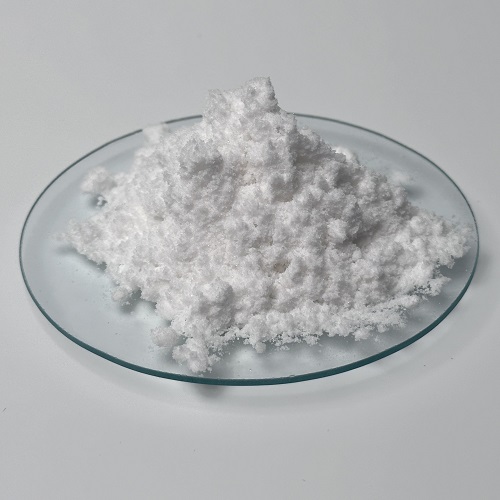
Table of Contents
1. Why Magnesium Nutrition Matters After Grape Harvest
2. Core Benefits of Magnesium Sulfate for Next Season’s Bud Burst
3. Timing & Application Methods of Magnesium Sulfate After Grape Harvest
4. Common Mistakes of Magnesium Supplement After Harvest
1. Why Magnesium Nutrition Matters After Grape Harvest
After grape picking, the tree consumes plenty of nutrients. Leaves are still active and can transfer photosynthate back to branches and roots for dormancy and spring bud burst. Magnesium forms the core of chlorophyll. Magnesium deficiency causes early yellowing and leaf fall, stopping photosynthesis prematurely. Insufficient nutrient storage will lead to poor flower buds, uneven bud burst and weak shoots next year. RONGDA notes post-harvest magnesium supplementation brings high returns with low input.
2. Core Benefits of Magnesium Sulfate for Next Season’s Bud Burst
1. Delay leaf senescence and sustain nutrient production Magnesium Sulfate supplies magnesium to maintain chlorophyll, slow down leaf yellowing and extend photosynthesis. More carbohydrates are stored in the tree for spring bud break.
2. Improve flower bud quality Grape flower bud differentiation continues after harvest. Adequate magnesium helps form plump flower buds. In the next spring, buds break evenly with less blind and weak buds.
3. Boost nutrient uptake and balance tree nutrition Magnesium Sulfate provides magnesium and sulfur. Sulfur participates in enzyme synthesis and nutrient transport, improving root absorption of minerals and preventing delayed bud burst caused by nutritional imbalance.
3. Timing & Application Methods of Magnesium Sulfate After Grape Harvest
· Application time: Best within 1–2 weeks after harvest, before leaf fall. Foliar spray is recommended for orchards with severe leaf yellowing.
· Application options ① Soil application: Broadcast or trench Magnesium Sulfate together with recovery fertilizer for long-term magnesium supply. ② Foliar spray: Fast magnesium supplement, spray on the back side of leaves for better absorption.
· Mixing note: Compatible with NPK fertilizer. Watch out for potassium-magnesium antagonism in high-potassium soil; adjust potassium dosage to guarantee magnesium uptake.
4. Common Mistakes of Magnesium Supplement After Harvest
1. Stop leaf management right after harvest and fertilize only when leaves drop. Leaves lose photosynthetic capacity, and magnesium application becomes inefficient.
2. Overuse Magnesium Sulfate. Excess magnesium inhibits calcium absorption and increases fruit cracking risk in later stages.
3. Only use foliar spray. For severe magnesium deficient soil, foliar application alone cannot build up long-term magnesium storage.
4. Ignore soil pH. Magnesium easily leaches in acidic soil, soil conditioning is required.
5. RONGDA Conclusion
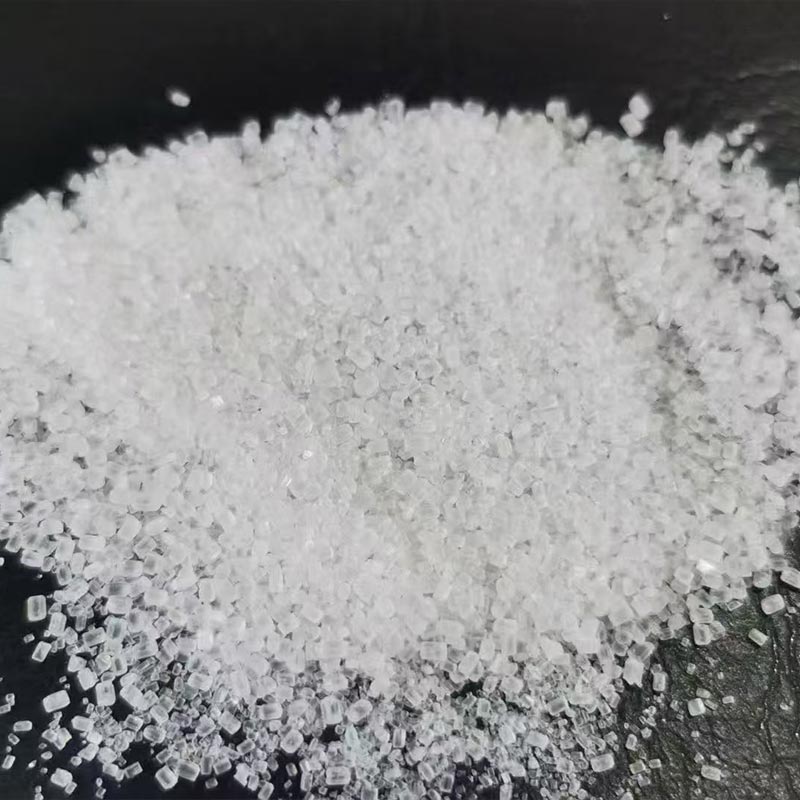
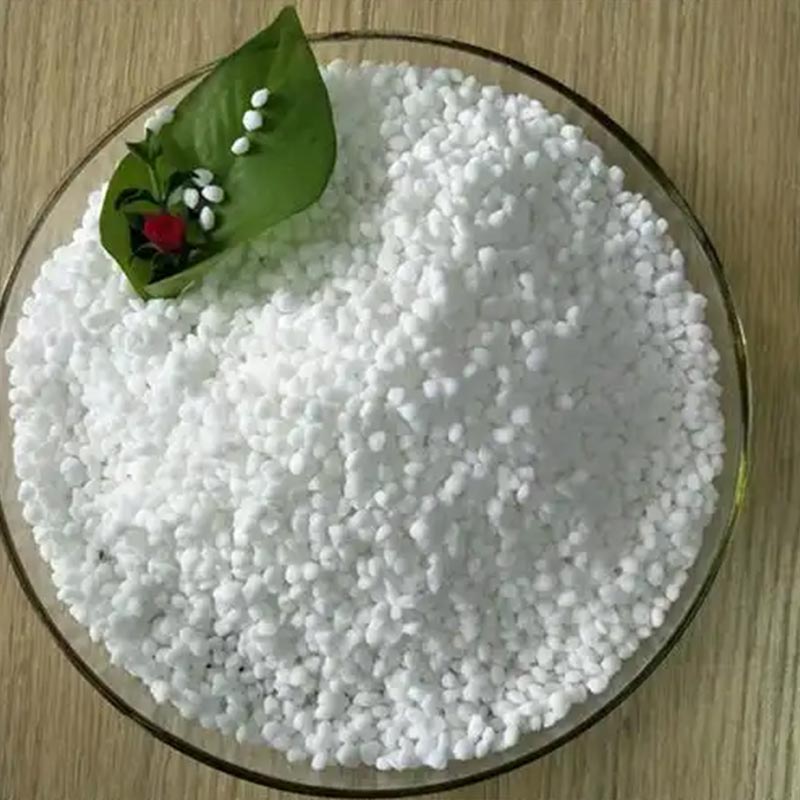
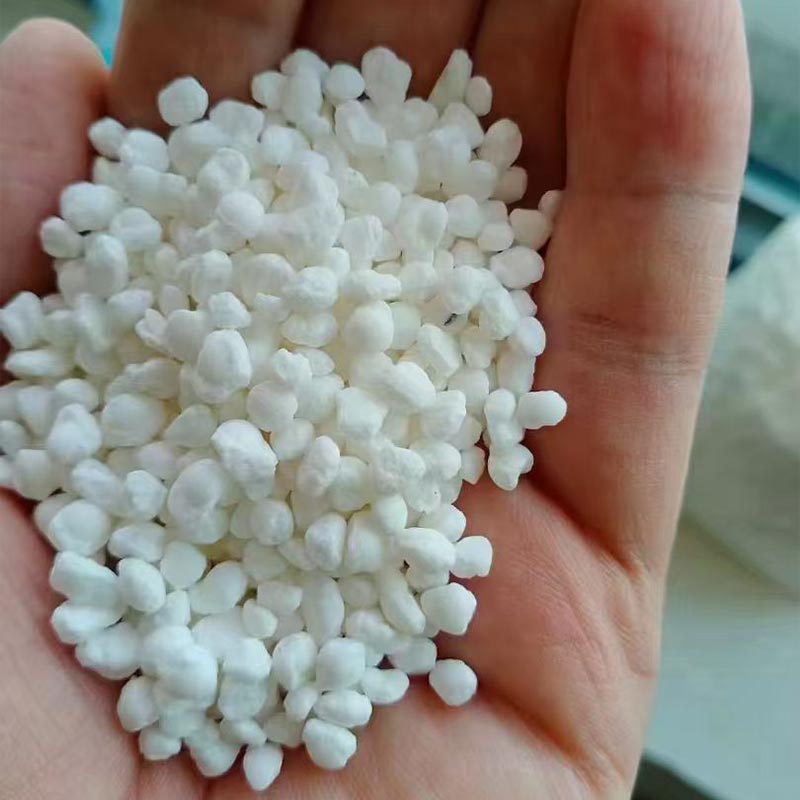
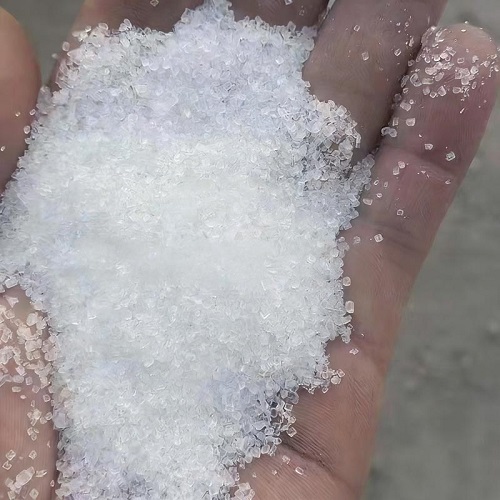
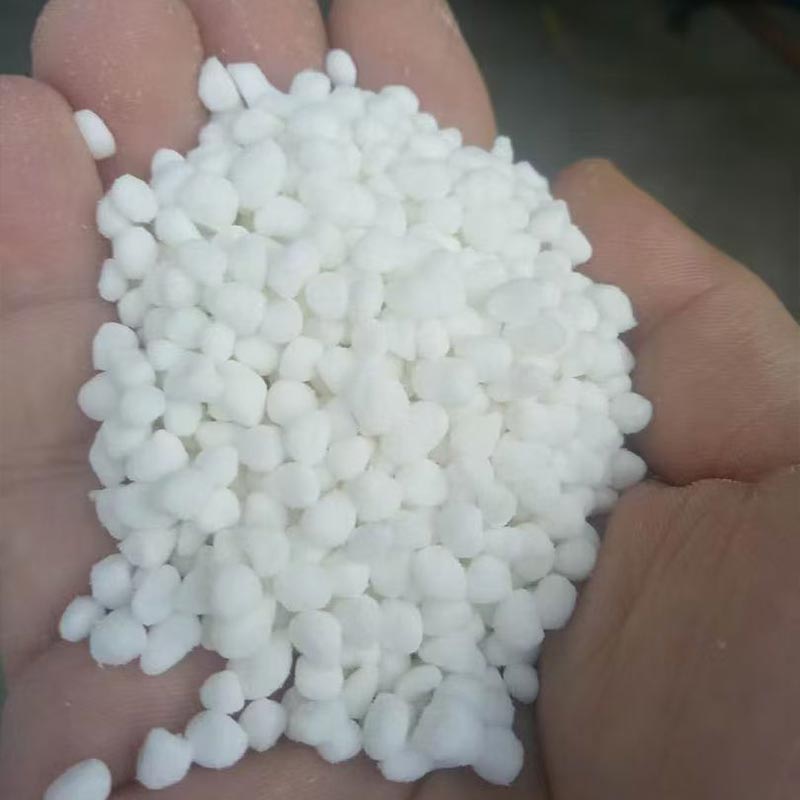
Applying Magnesium Sulfate after grape harvest protects functional leaves, increases tree nutrient storage and develops healthy flower buds, resulting in uniform and strong bud burst in the next spring. Magnesium supplementation works as a vital supplement instead of replacement for NPK recovery fertilizer. RONGDA supplies Magnesium Sulfate in crystal, powder and granular forms, suitable for foliar spray and soil application for grapes and other cash crops.
Related News
- How Do Controlled-Release Curves Match Crop Demand?
- Can Magnesium Sulfate Be Used in Saline-Alkali Soil? What Are the Risks of Long-Term Application?
- How Do You Turn a Soil Test into a Blend Sheet?
- Which Magnesium Sulfate Fits Your Ground?
- Can Foliar Spraying Magnesium Sulfate During Fruit Expansion Improve Fruit Sweetness?
- How Do You Judge a Blended Fertilizer Before You Buy It?
Leave me a message