
What Is Crystalled Ammonium Chloride and Why Is It Important in Modern Agriculture
Crystalled Ammonium Chloride is a refined chemical compound widely used in modern agriculture and industry due to its stable crystalline structure, high purity, and excellent handling properties. Compared with traditional powdered ammonium chloride, the crystalled form offers significant advantages in storage, transportation, application efficiency, and environmental safety. This article provides a comprehensive overview of what crystalled ammonium chloride is, how it is produced, its key applications, benefits, and why it has become an essential material for fertilizer manufacturers and agricultural professionals worldwide.

Table of Contents
- 1. What Is Crystalled Ammonium Chloride?
- 2. How Is Crystalled Ammonium Chloride Manufactured?
- 3. Physical and Chemical Properties
- 4. Applications in Agriculture and Industry
- 5. Advantages Over Conventional Ammonium Chloride
- 6. Quality Standards and Supplier Selection
- 7. Why Choose RONGDA as Your Supplier?
- 8. Frequently Asked Questions (FAQ)
1. What Is Crystalled Ammonium Chloride?
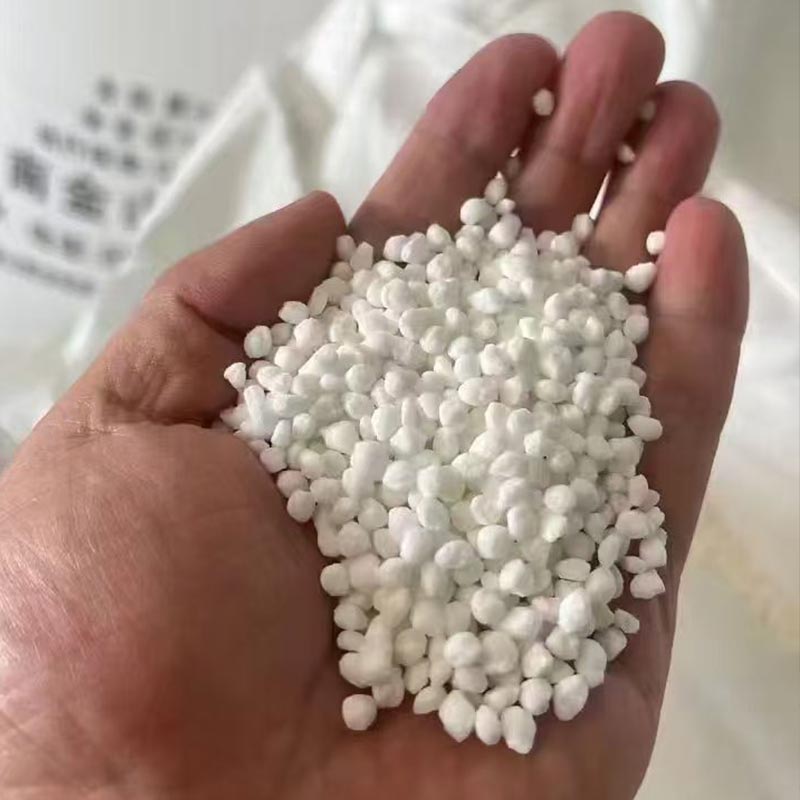
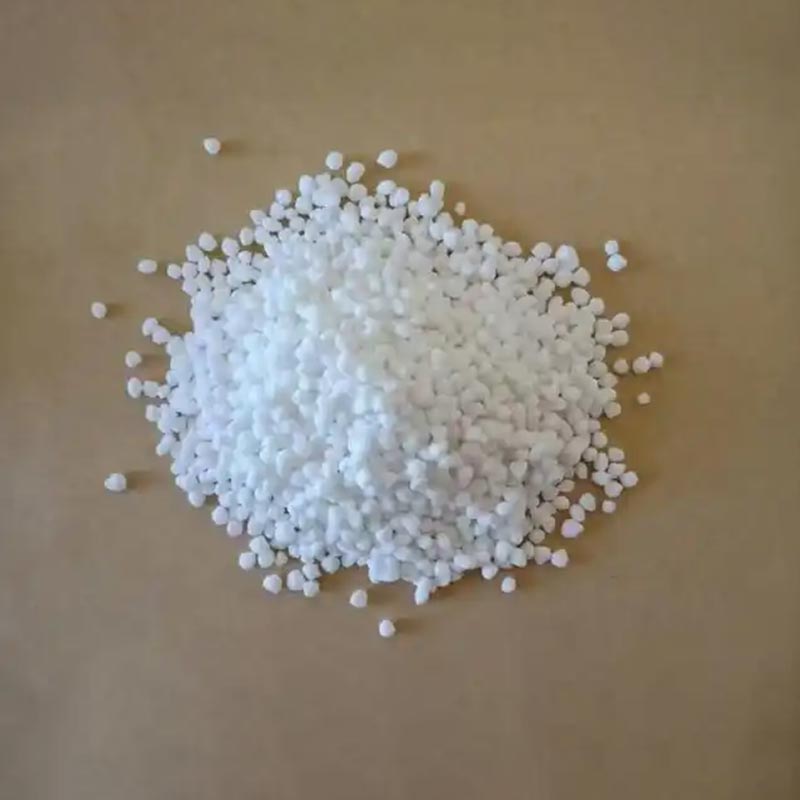
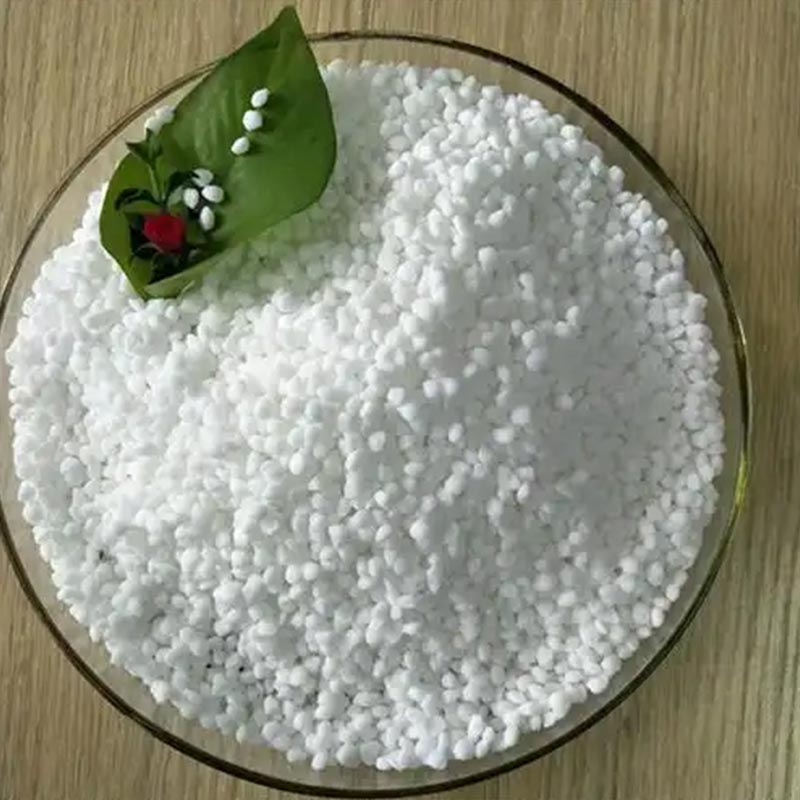
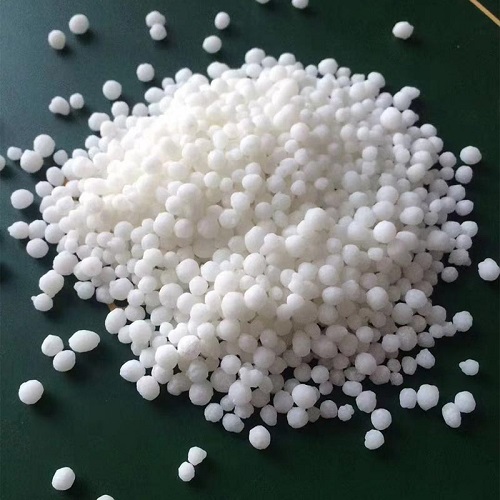
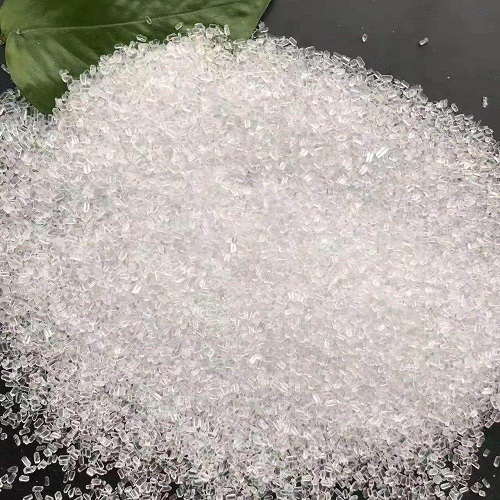
Crystalled Ammonium Chloride (NH4Cl) is an inorganic salt formed through controlled crystallization processes, resulting in uniform, well-defined crystals. Unlike powdered or granular ammonium chloride, the crystalled form is specifically engineered to improve stability, reduce dust, and ensure consistent performance in agricultural and industrial applications.
This product is commonly used as a nitrogen source in fertilizers, particularly in chloride-tolerant crops, as well as in metal processing, batteries, pharmaceuticals, and chemical manufacturing.
2. How Is Crystalled Ammonium Chloride Manufactured?
The production of crystalled ammonium chloride involves a carefully controlled chemical reaction between ammonia and hydrochloric acid, followed by crystallization, separation, drying, and grading.
Key Manufacturing Steps
- Neutralization reaction between ammonia and hydrochloric acid
- Solution purification and impurity removal
- Controlled crystallization under optimized temperature conditions
- Centrifugal separation and drying
- Particle size screening and quality inspection
Leading manufacturers like RONGDA apply strict quality control systems to ensure consistent crystal size, high purity, and compliance with international standards.
3. Physical and Chemical Properties
| Property | Specification |
|---|---|
| Appearance | White or off-white crystals |
| Chemical Formula | NH4Cl |
| Nitrogen Content | ≥ 25% |
| Solubility | Highly soluble in water |
| Moisture Content | Low, ensuring storage stability |
The uniform crystal structure reduces caking and moisture absorption, making crystalled ammonium chloride easier to handle and apply.
4. Applications in Agriculture and Industry
4.1 Agricultural Applications
- Nitrogen fertilizer for rice, wheat, and chloride-tolerant crops
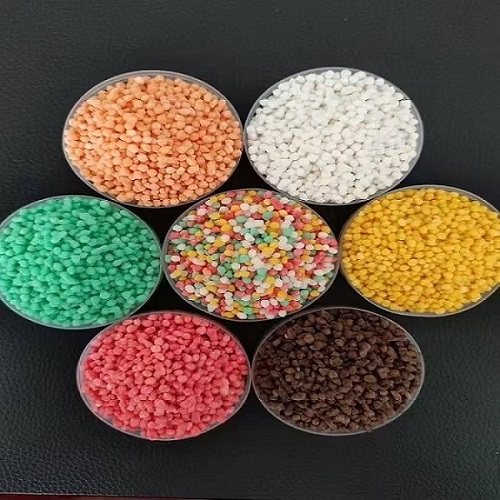
- Blended fertilizer formulations
- Soil nutrient supplementation
4.2 Industrial Applications
- Metal surface treatment and galvanizing
- Dry cell battery electrolytes
- Pharmaceutical and chemical synthesis
- Textile and leather processing
5. Advantages Over Conventional Ammonium Chloride
| Aspect | Crystalled Form | Powdered Form |
|---|---|---|
| Dust Generation | Low | High |
| Storage Stability | Excellent | Moderate |
| Handling Safety | High | Lower |
| Application Uniformity | Consistent | Uneven |
These advantages make crystalled ammonium chloride the preferred choice for modern fertilizer manufacturers and large-scale agricultural operations.
6. Quality Standards and Supplier Selection
When sourcing crystalled ammonium chloride, buyers should evaluate:
- Product purity and nitrogen content
- Crystal size consistency
- Compliance with ISO and international standards
- Supplier production capacity and export experience
Choosing a reliable supplier ensures stable supply chains and consistent product performance.
7. Why Choose RONGDA as Your Supplier?
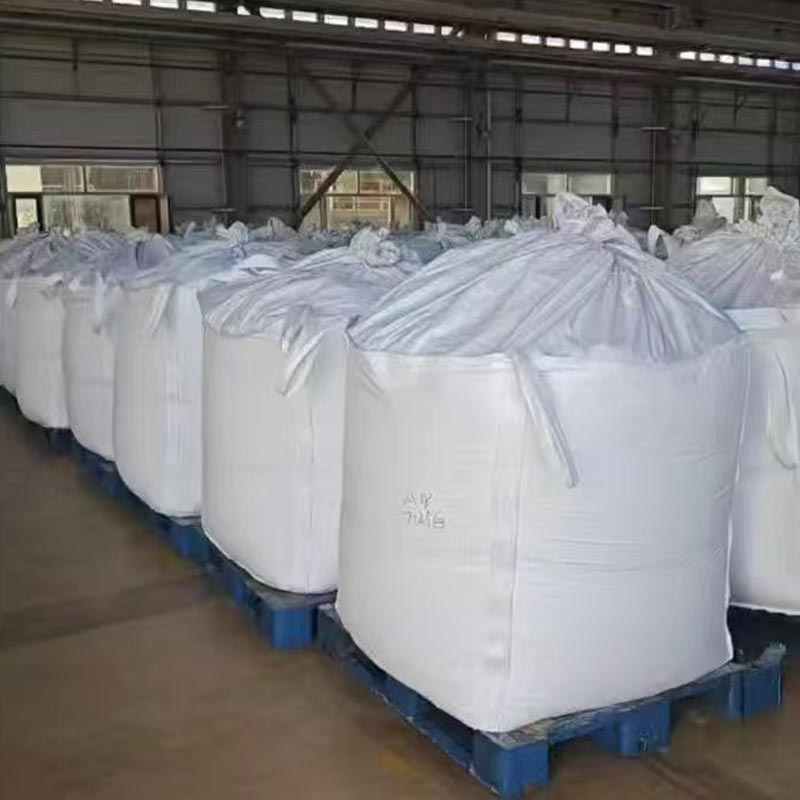
RONGDA is a professional manufacturer and exporter of high-quality fertilizer raw materials, including crystalled ammonium chloride. With advanced production technology, strict quality control, and global logistics support, RONGDA serves customers across agriculture and industrial sectors worldwide.
- Stable and scalable production capacity
- Customizable specifications
- Professional technical support
- Global export experience
8. Frequently Asked Questions (FAQ)
Q1: Is crystalled ammonium chloride suitable for all crops?
It is best suited for chloride-tolerant crops. Application should be adjusted based on soil conditions and crop requirements.
Q2: How should crystalled ammonium chloride be stored?
Store in a cool, dry place with proper packaging to prevent moisture absorption.
Q3: What is the main advantage of crystalled form?
Its uniform crystal structure improves handling, reduces dust, and enhances application efficiency.
Q4: Can it be used in blended fertilizers?
Yes, crystalled ammonium chloride is widely used in compound and blended fertilizer formulations.
If you are looking for a reliable source of high-quality crystalled ammonium chloride, RONGDA is ready to support your business. For detailed specifications, pricing, or customized solutions, please contact us today to discuss your requirements.
Related News
- How Do Controlled-Release Curves Match Crop Demand?
- Can Magnesium Sulfate Be Used in Saline-Alkali Soil? What Are the Risks of Long-Term Application?
- How Do You Turn a Soil Test into a Blend Sheet?
- How Does Applying Magnesium Sulfate After Grape Harvest Help Bud Burst in the Next Year?
- Which Magnesium Sulfate Fits Your Ground?
- Can Foliar Spraying Magnesium Sulfate During Fruit Expansion Improve Fruit Sweetness?
Leave me a message