
Soil Acidification & Calcium-Magnesium Granules: How to Balance Soil pH?
Continuous cropping, long-term application of acidic fertilizers and annual rain leaching constantly aggravate soil acidification. Excessively low soil pH destroys soil aggregate structure, inhibits beneficial microbial activity, immobilizes secondary nutrients, restricts root growth and causes frequent crop physiological diseases. Rongda calcium-magnesium granules serve as efficient soil amendment products, gently balancing soil pH, relieving soil compaction and supplementing calcium and magnesium to restore healthy farmland soil balance.
Table of Contents
1. Crop Hazards Caused by Severe Soil Acidification
2. How Calcium-Magnesium Granules Balance Acidified Soil
3. Scientific Field Application Guidelines for Calcium-Magnesium Granules
4. Common Soil Improvement Mistakes to Avoid
1. Crop Hazards Caused by Severe Soil Acidification
Long-term intensive planting and excessive use of acidic chemical fertilizers lead to continuous soil acidification in most farmlands. With decreasing soil pH, soil aggregate structures are damaged, resulting in serious soil compaction and poor air permeability. Crop roots cannot penetrate the soil normally, leading to weak root activity and poor nutrient absorption capacity.
Under strongly acidic soil conditions, aluminum and manganese ions become highly active and produce root toxicity, causing root rot and stunted growth. Meanwhile, essential nutrients such as calcium, magnesium and phosphorus are easily fixed in the soil. Even with continuous fertilization, nutrient utilization efficiency remains extremely low, triggering typical deficiency symptoms including leaf yellowing, weak new shoots, flower and fruit drop, and deformed fruits.
Furthermore, acidified soil suppresses the reproduction of beneficial microorganisms and accelerates the spread of soil-borne pathogens. Unbalanced soil microbial communities increase disease incidence, eventually causing yield reduction and quality decline in field crops, vegetables and fruit trees.
2. How Calcium-Magnesium Granules Balance Acidified Soil
Traditional alkaline soil amendments such as quicklime adjust soil pH rapidly but tend to cause drastic pH fluctuations, root burning and secondary soil hardening, which are only suitable for emergency improvement of severely acidified soil. In contrast, Rongda calcium-magnesium granules are mild and long-acting calcium and magnesium fertilizer, perfectly suitable for long-term regulation of mildly and moderately acidified farmland.
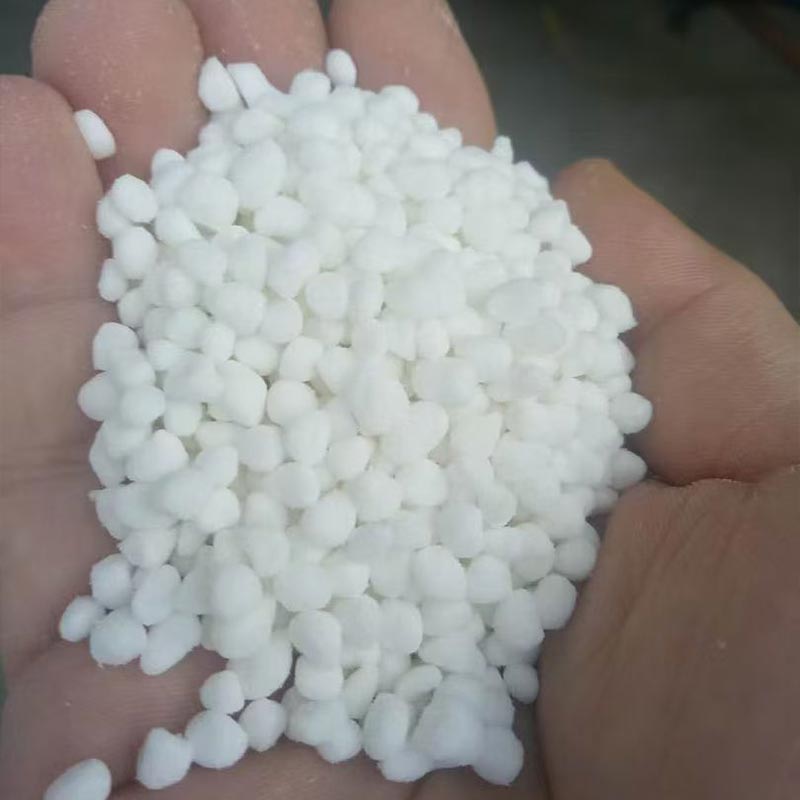
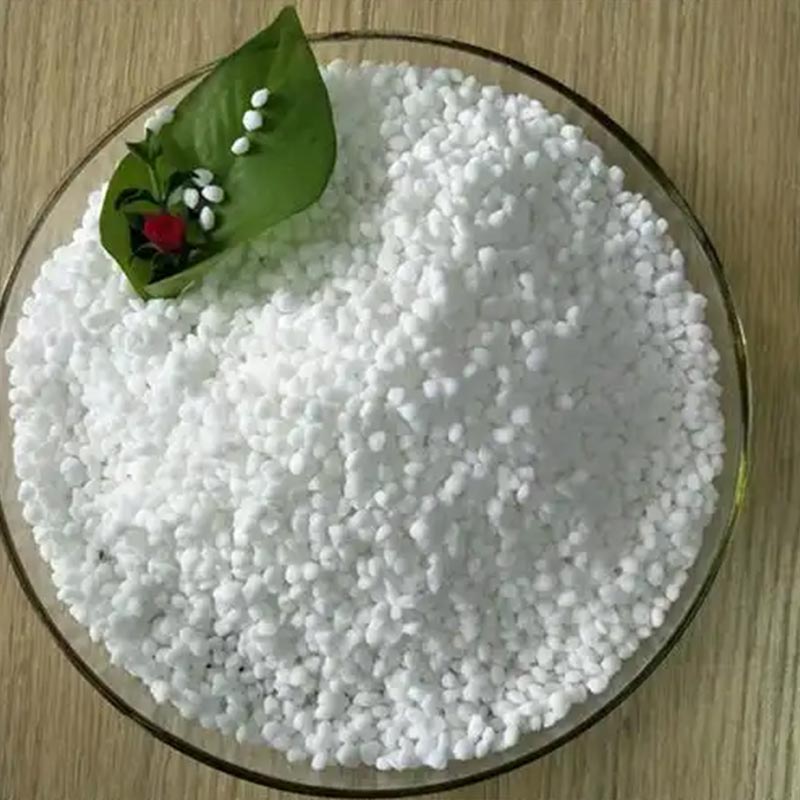
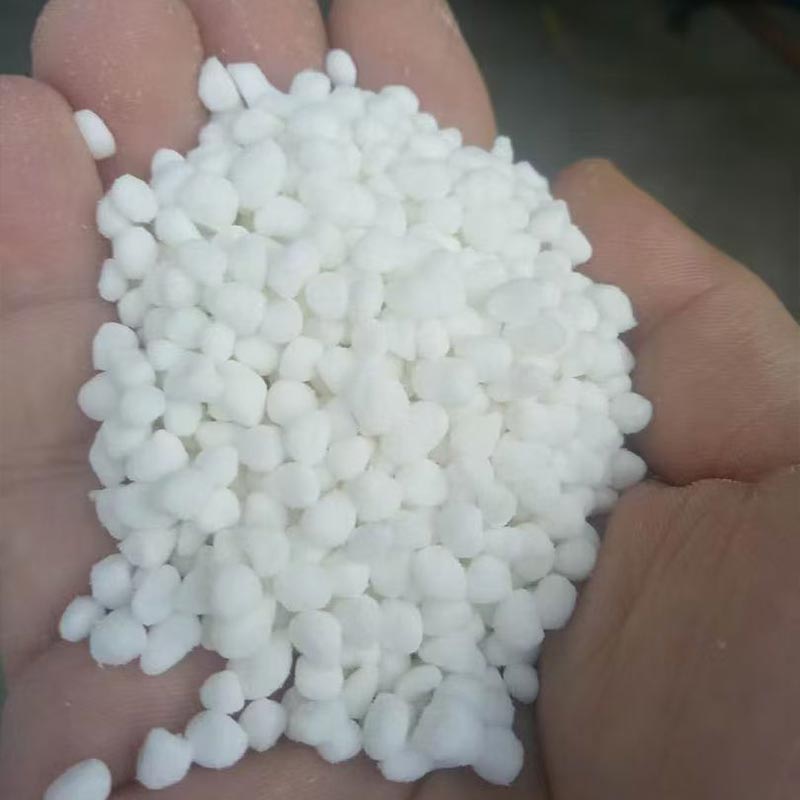
Adopting slow-release granulation technology, calcium-magnesium granules release nutrients steadily and durably. The active calcium and magnesium components can neutralize excessive hydrogen ions in acidified soil, stably adjust soil pH and reverse soil acidification gradually without damaging crop root systems.
In addition, calcium elements promote the formation of soil aggregates, relieve compaction and improve soil water and fertilizer retention capacity. Magnesium, as a key component of chlorophyll, supplements essential secondary nutrients for crop photosynthesis and growth. The product realizes three core functions: soil pH adjustment, soil structure improvement and medium nutrient supplementation, fundamentally solving soil imbalance problems caused by acidification.
3. Scientific Field Application Guidelines for Calcium-Magnesium Granules
Calcium-magnesium granules are widely applicable to orchards, greenhouse vegetables, fruits and field crops, mainly applied as base fertilizer for long-term soil amendment.
Orchards: Apply calcium-magnesium granules in shallow trenches along the canopy drip line after autumn harvesting or before spring germination. Cover with soil and water properly to improve acidified soil and reserve nutrients for overwintering and budding.
Greenhouse Crops: Spread calcium-magnesium granules evenly before soil preparation and plow into the cultivated layer to improve acidified greenhouse soil, optimize root growth environment and prevent nutrient deficiency diseases.
Field Crops: Apply as base fertilizer before sowing or transplanting. One-time application provides long-term soil improvement effects and gradually repairs acidified cultivated land.
Note: Do not mix calcium-magnesium granules directly with high-concentration acidic fertilizers or pesticides. Staggered fertilization ensures optimal soil adjustment and nutrient supply effects.
4. Common Soil Improvement Mistakes to Avoid
Many growers blindly apply excessive strong alkaline amendments in a short time to rapidly correct soil acidification. Severe pH fluctuations will destroy soil ecological balance, burn crop roots and cause seedling death and yield loss, bringing counterproductive results.
Soil acidification is formed by years of unreasonable planting and fertilization. Drastic one-time soil adjustment is not recommended. The scientific solution is mild and continuous improvement. Annual application of calcium-magnesium granules steadily maintains soil pH within the optimal range for crop growth. Regular soil testing is essential to adjust fertilizer dosage and avoid blind fertilization.
Soil improvement is a long-term systematic project. Rongda high-quality calcium-magnesium granules effectively repair acidified soil, optimize soil microbial environment, supplement sufficient secondary nutrients, and help growers stabilize crop yield and improve commodity quality sustainably.
Related News
- Which Magnesium Sulfate Fits Your Ground?
- Can Foliar Spraying Magnesium Sulfate During Fruit Expansion Improve Fruit Sweetness?
- How Do You Judge a Blended Fertilizer Before You Buy It?
- Magnesium Deficiency & Premature Aging in Greenhouse Vegetables: Soil Drench vs Foliar Spray of Magnesium Sulfate
- Which Water-Soluble NPK Formula Fits Each Growth Stage?
- What is the difference between Magnesium Sulfate and Calcium Magnesium Granules? When to Use Them Together?
Leave me a message