
What Is Agricultural Ammonium Sulfate and Why Is It Still Essential for Modern Farming
Agricultural ammonium sulfate is one of the oldest and most reliable nitrogen-based fertilizers in the world. Despite the emergence of advanced compound and controlled-release fertilizers, ammonium sulfate remains a cornerstone in modern agriculture due to its dual nutrient composition, soil-conditioning benefits, and consistent performance across diverse crops.
This comprehensive guide explores what agricultural ammonium sulfate is, how it works, its benefits and limitations, application methods, and why global suppliers like Rongda continue to support farmers with high-quality ammonium sulfate solutions.

Table of Contents
- 1. What Is Agricultural Ammonium Sulfate?
- 2. Chemical Composition and Nutrient Value
- 3. Why Is Ammonium Sulfate Still Important in Modern Farming?
- 4. Benefits of Agricultural Ammonium Sulfate
- 5. Comparison with Other Nitrogen Fertilizers
- 6. Best Crops and Soil Types for Ammonium Sulfate
- 7. Application Methods and Best Practices
- 8. Environmental Impact and Sustainability
- 9. Why Choose Rongda Agricultural Ammonium Sulfate?
- 10. Frequently Asked Questions (FAQ)
1. What Is Agricultural Ammonium Sulfate?
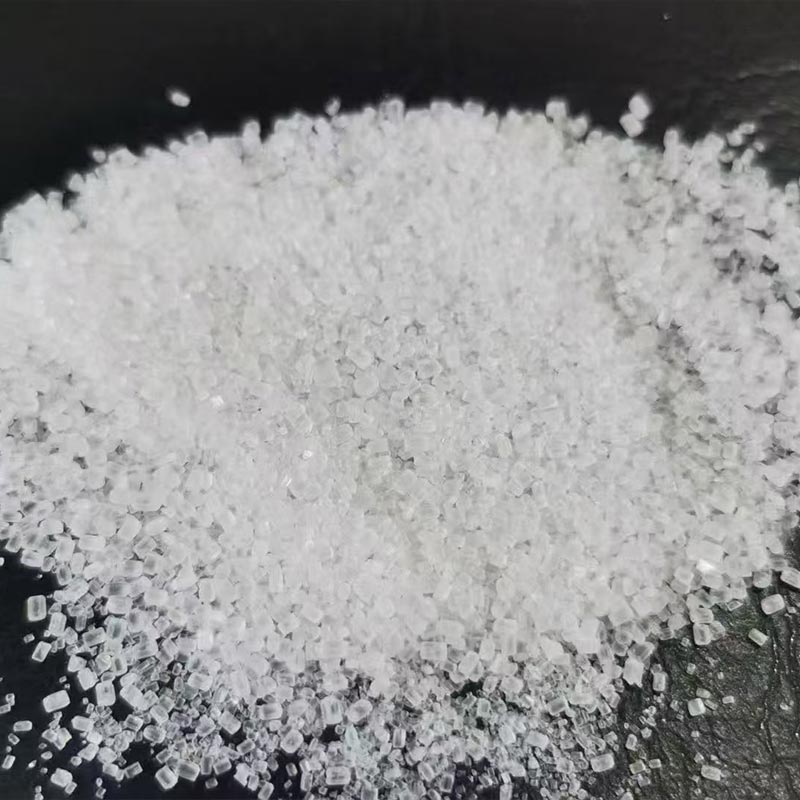
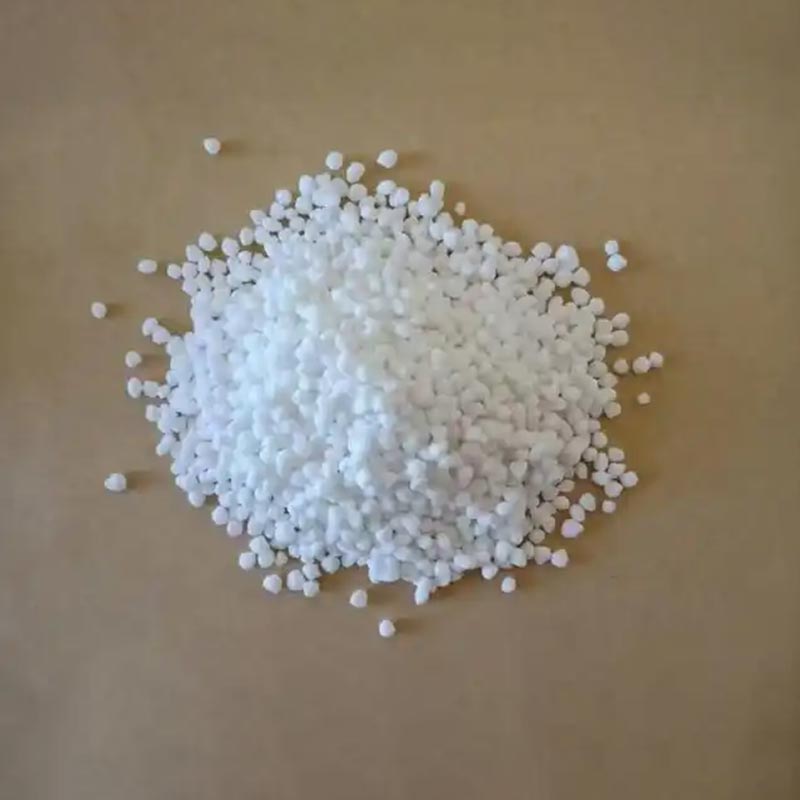
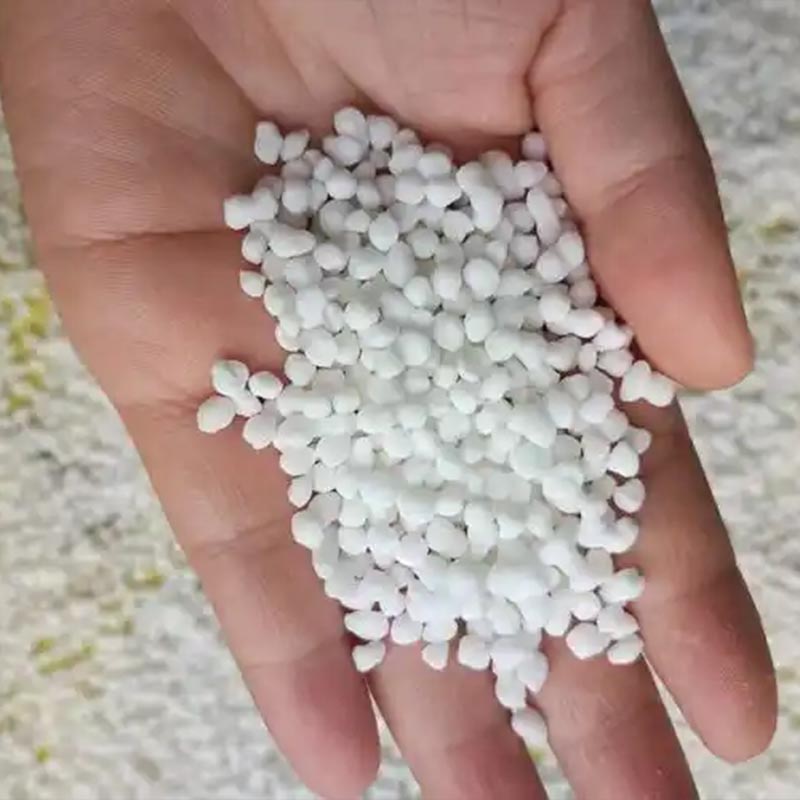
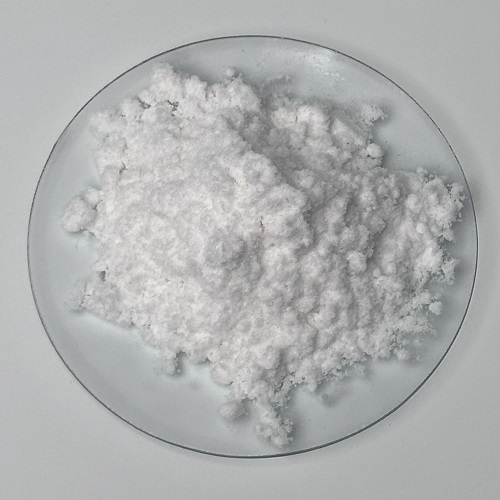
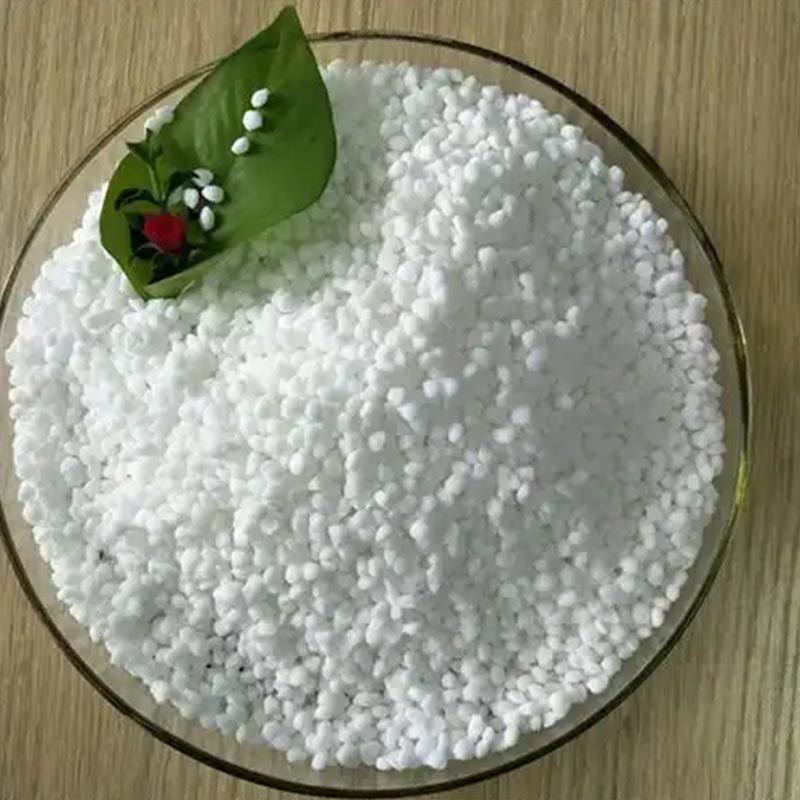
Agricultural ammonium sulfate is an inorganic fertilizer widely used as a nitrogen and sulfur source for crops. Chemically represented as (NH4)2SO4, it contains two essential plant nutrients in readily available forms.
Unlike some nitrogen fertilizers that focus solely on nitrogen supply, ammonium sulfate addresses sulfur deficiencies—an increasingly common issue in intensive farming systems.
2. Chemical Composition and Nutrient Value
| Nutrient | Content | Function in Crops |
|---|---|---|
| Nitrogen (N) | 21% | Promotes vegetative growth and chlorophyll production |
| Sulfur (S) | 24% | Enhances protein synthesis and enzyme activity |
This balanced composition makes agricultural ammonium sulfate especially effective in soils with low sulfur availability or in crops with high sulfur demand.
3. Why Is Ammonium Sulfate Still Important in Modern Farming?
Despite advances in fertilizer technology, ammonium sulfate remains indispensable for several reasons:
- Reliable nitrogen release without volatilization losses
- Immediate sulfur availability for crops
- Excellent performance in alkaline and calcareous soils
- Cost-effective nutrient delivery
Modern farming increasingly values nutrient efficiency and soil health—areas where ammonium sulfate consistently performs well.
4. Benefits of Agricultural Ammonium Sulfate
4.1 Improves Nitrogen Use Efficiency
Nitrogen in ammonium sulfate exists in ammonium form, reducing losses caused by leaching and volatilization compared to nitrate-based fertilizers.
4.2 Corrects Sulfur Deficiency
Sulfur deficiency has become more prevalent due to reduced atmospheric sulfur deposition. Agricultural ammonium sulfate provides a direct and effective solution.
4.3 Enhances Soil pH Management
Ammonium sulfate slightly acidifies soil, making it particularly suitable for alkaline soils that limit nutrient availability.
5. Comparison with Other Nitrogen Fertilizers
| Fertilizer | Nitrogen Content | Sulfur Content | Soil Impact |
|---|---|---|---|
| Ammonium Sulfate | 21% | 24% | Slightly acidifying |
| Urea | 46% | 0% | Neutral |
| Ammonium Nitrate | 34% | 0% | Neutral |
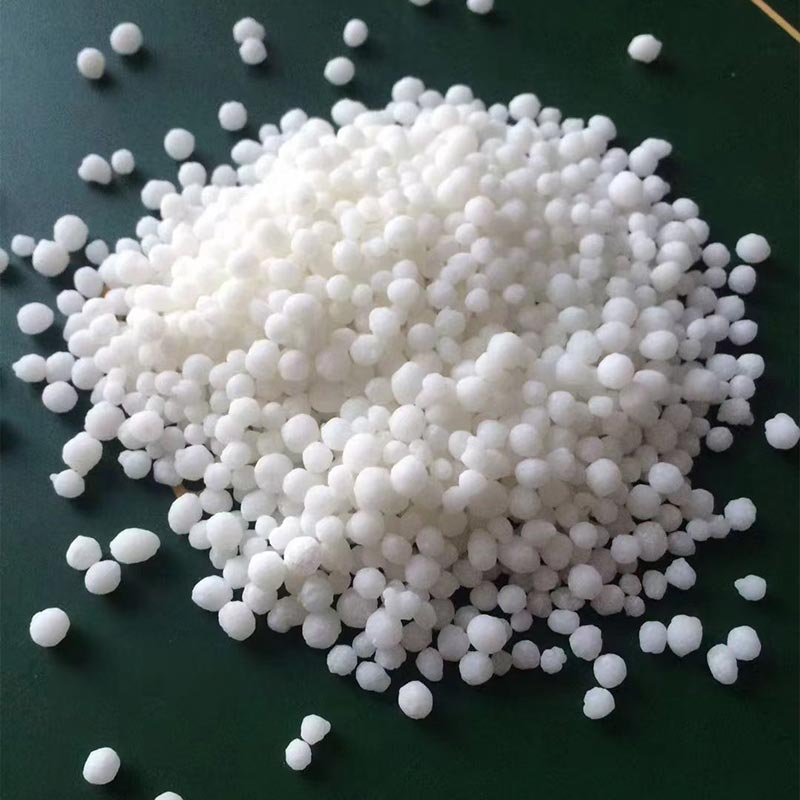
While urea provides higher nitrogen concentration, it lacks sulfur and is more prone to nitrogen loss under certain conditions.
6. Best Crops and Soil Types for Ammonium Sulfate
Recommended Crops
- Rice
- Corn (Maize)
- Wheat
- Canola
- Cotton
Ideal Soil Conditions
- Alkaline soils
- Sulfur-deficient soils
- Intensively cultivated farmland
7. Application Methods and Best Practices
- Apply as basal fertilizer before planting
- Use side-dressing during active growth stages
- Incorporate into soil to reduce surface losses
- Adjust dosage based on soil test results
For optimal results, farmers should integrate ammonium sulfate into a balanced nutrient management program.
8. Environmental Impact and Sustainability
When applied correctly, agricultural ammonium sulfate supports sustainable agriculture by:
- Reducing nitrogen loss to the atmosphere
- Improving nutrient uptake efficiency
- Minimizing excessive fertilizer application
Responsible use aligns with modern environmental protection standards and long-term soil fertility goals.
9. Why Choose Rongda Agricultural Ammonium Sulfate?
Rongda is a trusted supplier of high-quality agricultural ammonium sulfate, offering:
- Stable nutrient composition
- Strict quality control standards
- Reliable global supply capability
- Technical support for agricultural applications
Learn more about agricultural ammonium sulfate solutions provided by Rongda.
10. Frequently Asked Questions (FAQ)
Q1: Is agricultural ammonium sulfate suitable for all crops?
It is suitable for most crops, especially those requiring both nitrogen and sulfur, but soil testing is recommended.
Q2: Can ammonium sulfate replace urea completely?
Not always. Ammonium sulfate is often used in combination with other fertilizers for balanced nutrition.
Q3: Does ammonium sulfate harm soil over time?
When applied appropriately, it improves nutrient availability without harming soil structure.
Conclusion
Agricultural ammonium sulfate continues to prove its value in modern farming systems. Its dual nutrient benefits, soil compatibility, and cost-effectiveness make it a practical choice for farmers worldwide.
If you are looking for a reliable supplier of agricultural ammonium sulfate with consistent quality and professional support, Rongda is ready to help. Contact us today to learn how our fertilizer solutions can enhance your agricultural productivity.
Related News
- How Do Controlled-Release Curves Match Crop Demand?
- Can Magnesium Sulfate Be Used in Saline-Alkali Soil? What Are the Risks of Long-Term Application?
- How Do You Turn a Soil Test into a Blend Sheet?
- How Does Applying Magnesium Sulfate After Grape Harvest Help Bud Burst in the Next Year?
- Which Magnesium Sulfate Fits Your Ground?
- Can Foliar Spraying Magnesium Sulfate During Fruit Expansion Improve Fruit Sweetness?
Leave me a message