
How to Apply Magnesium Sulfate to Orchards, Vegetables & Field Crops?
Two growers can apply the same product and get opposite results. The difference is almost never the fertilizer itself — it is the method, the timing and the rate. This guide breaks down base dressing, fertigation and foliar spraying of agricultural magnesium sulfate for fruit trees, vegetables and field crops, with practical rates, the logic behind each method, and the four mistakes that waste the most money.
Table of Contents
- First, Confirm: Is Your Crop Actually Magnesium-Deficient?
- Base Dressing vs. Fertigation vs. Foliar Spray — Which One When?
- Recommended Rates and Timings by Crop Type
- Four Mistakes That Make Magnesium Fertilization Fail
- Frequently Asked Questions
- Conclusion
First, Confirm: Is Your Crop Actually Magnesium-Deficient?
Before spending anything, run a three-step diagnosis:
- Read the symptom position. Magnesium deficiency paints the older, lower leaves: green veins, yellow interveinal tissue, a clear "rib-bone" pattern. Iron deficiency hits the youngest leaves instead, and nitrogen deficiency yellows the whole leaf evenly. Misreading these three wastes a full season.
- Read the crop and the soil. Citrus, grapes, bananas, tomatoes, potatoes and tea on acidic or sandy soils are the classic high-risk group.
- Test when you can. A leaf analysis below the critical Mg level — even with no visible symptoms — is the ideal trigger for preventive correction.
Accurate diagnosis first, fertilizer second. Yellow leaves can also mean waterlogging, root disease or nematodes; none of those respond to magnesium.
Base Dressing vs. Fertigation vs. Foliar Spray — Which One When?
The three application methods are not rivals; each one owns a different time horizon:
- Base dressing — the foundation. Applied before planting or during the dormant season, worked into the root zone. It rebuilds soil Mg reserves for the whole season at the lowest cost per unit of Mg. The standard choice for systematically deficient fields.
- Fertigation / top dressing — the peak cover. Delivered with irrigation water at flowering, fruit set and bulking, when demand spikes. Fully soluble magnesium sulfate moves straight to the roots and covers exactly the weeks when deficiency hurts yield most.
- Foliar spray — the rescue. A 0.5–1% solution sprayed on (preferably lower) leaves bypasses the soil entirely and greens up yellow leaves in 5–7 days. Ideal for visible symptoms, and for high-pH soils where applied Mg gets fixed and becomes unavailable.
One sentence to remember: base dressing builds, fertigation feeds, foliar rescues. The best programs use all three in their proper roles.
Recommended Rates and Timings by Crop Type
Fruit trees (citrus, apples, grapes, bananas)
- Base: 0.5–2 kg (1–4 lb) per tree, banded under the canopy drip line after harvest or with the autumn dressing.
- Fertigation: once or twice between flowering and fruit bulking.
- Foliar: 0.5% spray once or twice after spring flush matures; another spray at fruit coloring improves uniformity.
Vegetables (tomatoes, peppers, cucumbers)
- Base: 120–180 kg/ha (about 105–160 lb/acre) incorporated before transplanting.
- Fertigation: 45–75 kg/ha per application during the heavy-harvest window.
- Foliar: 0.5–1% solution every 10–15 days from first flowering, 2–3 sprays total.
Field crops (rice, wheat, maize, potatoes)
- Base: 150–225 kg/ha (about 130–200 lb/acre) broadcast and incorporated with the seedbed dressing.
- Potatoes, tobacco and other high-Mg crops benefit from one extra top dressing at tuber bulking.
- Foliar spraying whole fields is rarely economic — reserve it for visible patch symptoms.
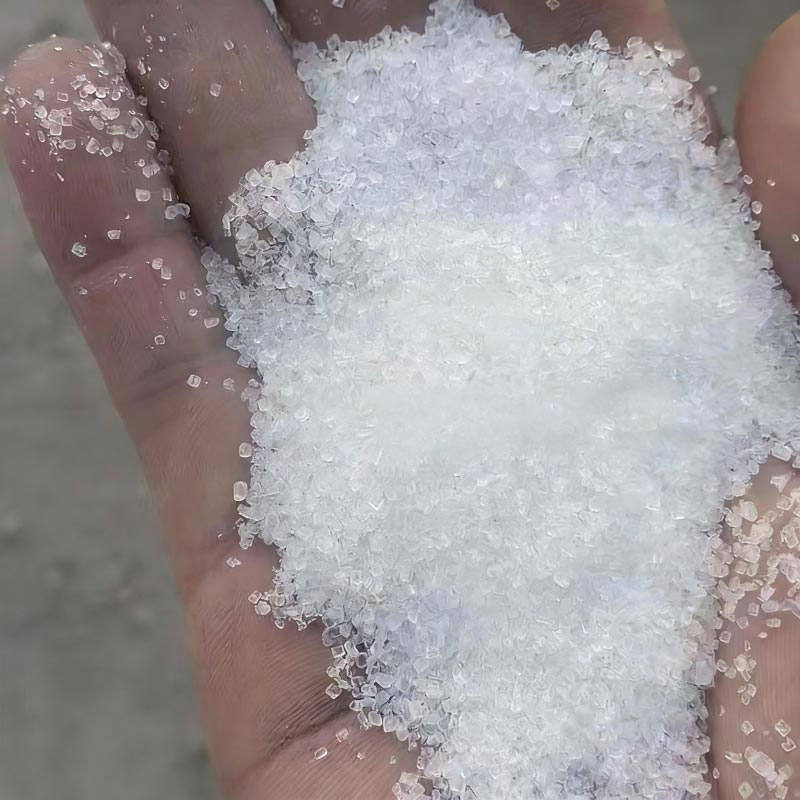
These ranges are starting points. Adjust with soil test data, yield targets and the declared MgO content of your product — for example, magnesium sulfate heptahydrate carries a known, consistent analysis.
Four Mistakes That Make Magnesium Fertilization Fail
- Mistake 1: Waiting for yellow leaves. By the time interveinal chlorosis is obvious, photosynthesis has already been throttled for weeks. The cheapest Mg is the Mg applied before symptoms.
- Mistake 2: Ignoring the potassium–magnesium balance. Heavy K programs suppress Mg uptake at the root level. In high-yielding orchards this is the single most common cause of "the more I fertilize, the yellower it gets."
- Mistake 3: Spraying instead of building. Foliar sprays last 2–3 weeks. They are a bandage, not a foundation; fields that only ever get sprayed are running on empty every single season.
- Mistake 4: Buying on price alone. Cheap product with high water insolubles clogs drip lines and skips batch testing. Compare cost per unit of MgO, demand a COA, and treat heavy-metal limits as non-negotiable.
Frequently Asked Questions
Q1: Magnesium sulfate, magnesium oxide, calcium magnesium phosphate — what is the difference?
Magnesium sulfate is fully water-soluble and fast-acting, and it supplies sulfur alongside Mg — the best choice for rapid correction and for fertigation. Magnesium oxide is slow-release and suits acidic-soil amendment; calcium magnesium phosphate adds Ca and P but carries less Mg and releases slowly.
Q2: Can I tank-mix magnesium sulfate with pesticides?
With most neutral pesticides, yes — mix fresh and use the same day. Always run a small jar test first, and avoid alkaline mixtures such as Bordeaux mixture.
Q3: How long does one application last?
Soil applications typically carry one season to a year; sandy soils lose Mg faster to leaching. Foliar sprays hold about 2–3 weeks. High-demand crops should get Mg every year.
Q4: Any special cautions for greenhouse vegetables?
Greenhouse soils accumulate salts easily, and magnesium sulfate contributes to salinity. Stick to recommended rates, avoid stacking it on top of heavy fertilizer applications, and monitor EC if you can.
Conclusion
Correct magnesium fertilization comes down to three things: diagnose before you buy, match the method to the moment, and keep K–Mg balance in view. Base dressing builds soil reserves, fertigation covers peak demand, foliar sprays rescue visible deficiency — used together they turn magnesium from a recurring problem into a reliable yield lever.
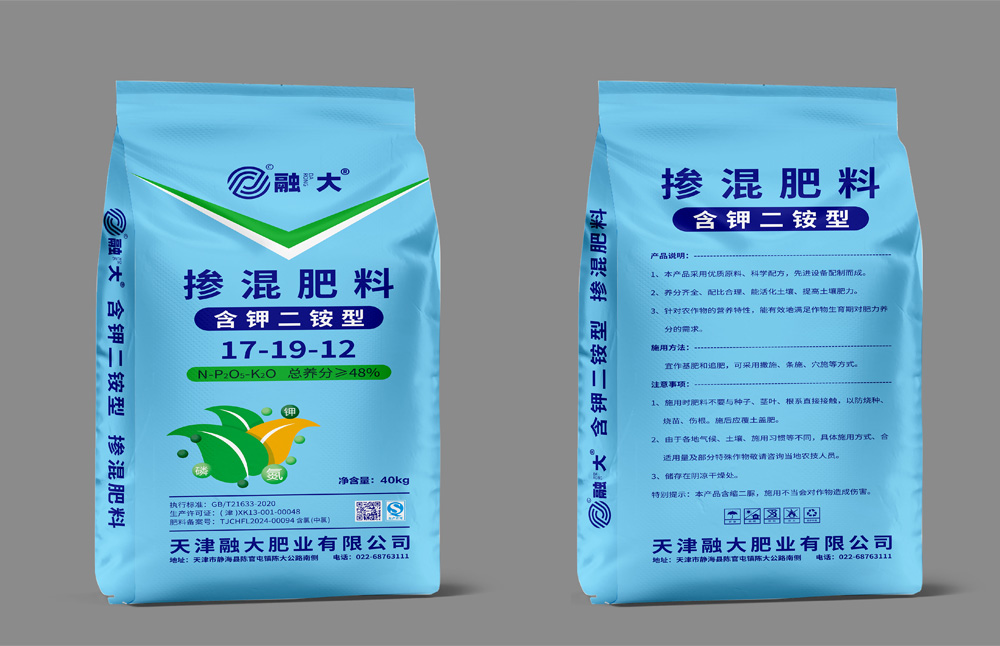
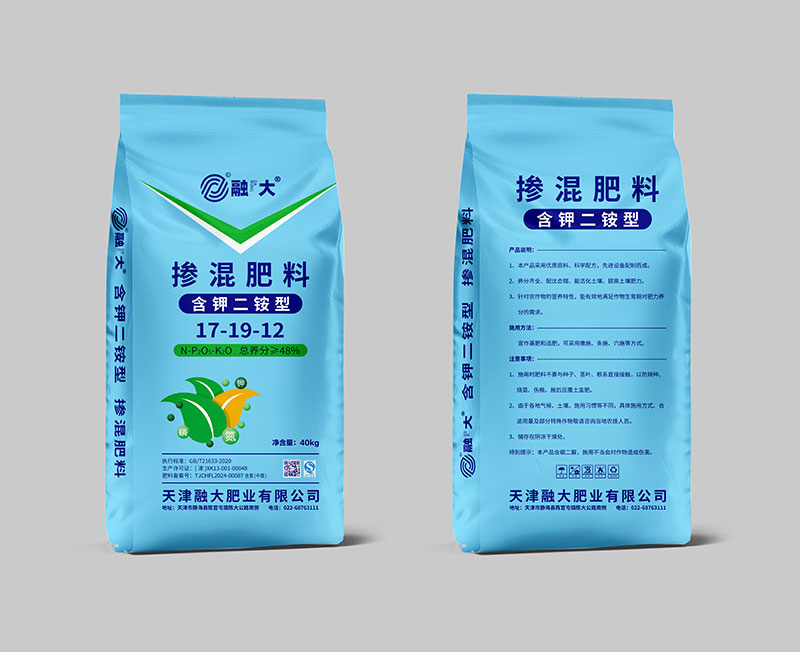
If you are looking for a reliable agricultural magnesium sulfate supplier that offers consistent quality and professional support, Tianjin Rongda Fertilizer Co., Ltd. is ready to help. Contact us today to learn how our fertilizer solutions can improve your agricultural productivity.
Related News
- How Do Water-Soluble Fertilizers Feed Drip-Irrigated Crops?
- What Can Calcium Magnesium Granules Do for Degraded and Acid Soils?
- What Are the Top 10 Signs of Magnesium Deficiency in Crops?
- Why Do Modern Crops Need More Sulfur Than NPK Provides?
- Is Calcium Ammonium Nitrate a Safer Nitrogen for Stressed Soils?
- Why Is Magnesium Sulfate the Fourth Major Nutrient for High Yields?
Leave me a message