
Can Calcium-Magnesium Granules Replace Your Lime Program?
Calcium-magnesium granules and agricultural lime both carry calcium - and both take the blame when soil pH stays stubborn. They are two tools with two jobs: lime is a pH machine measured in tons, granules are a nutrition machine measured in tens of kilograms. This article explains what each can and cannot do, and how the two programs work together instead of against each other.
In this article
- Two Tools, Two Jobs
- What the Granules Can Do
- The Honest Limits
- Buying and Using Basics
- Frequently Asked Questions
- Conclusion
Two Tools, Two Jobs
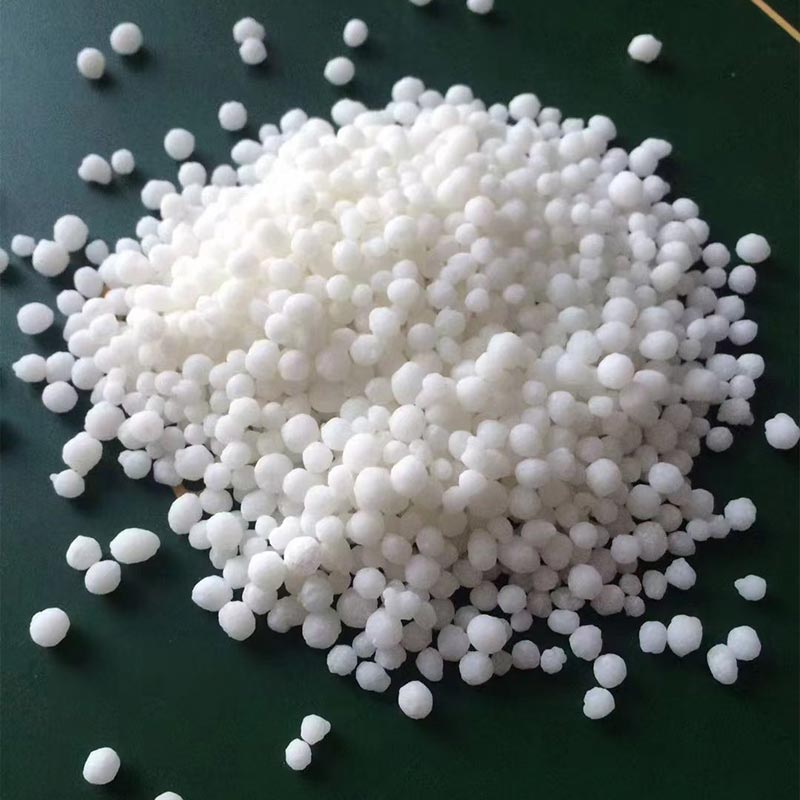
Agricultural lime - ground limestone or dolomite - neutralizes acidity by chemistry: carbonate meets acid, pH climbs, and the dose is measured in half-tons to tons per hectare, working over months. Calcium-magnesium granules are nutrition-grade: Ca and Mg in a hard, blendable granule applied at tens to a few hundred kilograms per hectare, feeding the crop within weeks. At nutrition rates the granules' pH effect is modest - and that is by design, not a defect. The granule advantages are precision and speed: root-zone delivery, BB compatibility, and availability without waiting for a whole-field pH shift.
What the Granules Can Do
They correct documented calcium and magnesium hunger - the fruit disorders, the acid-sand magnesium drain - at nutrition rates, verified by tissue tests rather than hoped into existence. They band into the root zone at planting, fixing a local shortage without waiting for the whole field. They blend into BB programs (with the moisture discipline that urea-containing blends demand). And they are the standing maintenance move alongside acidifying nitrogen programs: every season of urea or ammonium sulfate drains the calcium-magnesium account, and a granule line refills it.
|
Item |
Agricultural lime |
Ca-Mg granules |
|
Main job |
Raise soil pH |
Feed calcium and magnesium |
|
Rate scale |
0.5-3 t/ha |
50-300 kg/ha |
|
Speed |
Months |
Weeks |
| pH effect |
The whole point |
Modest at nutrition rates |
|
Route |
Broadcast, incorporated |
Broadcast, banded, or in BB |
The Honest Limits
Rates decide the boundary: tens and hundreds of kilograms of granules cannot move a whole-field pH the way tons of lime do - using them as a pH remedy is spending slowly. The overlap cuts the other way too: once pH is right, lime keeps feeding calcium, so the two tools share more ground than marketing admits. Diagnosis comes first, and it is two separate diagnoses: pH is a soil-test story, calcium-magnesium hunger is a tissue-test story - reading one report for the other's problem is how both tools get blamed. And on strongly acid ground below about pH 5.5, lime goes first: feeding a crop in soil that is still chemically locked wastes both programs.
Buying and Using Basics
- Specification check: CaO and MgO content, and granule hardness matched to the blending program.
- Timing: granules at planting or banding; lime in the off-season with incorporation.
- Rotation logic: acidifying nitrogen programs (urea, ammonium sulfate) justify a standing Ca-Mg maintenance line.
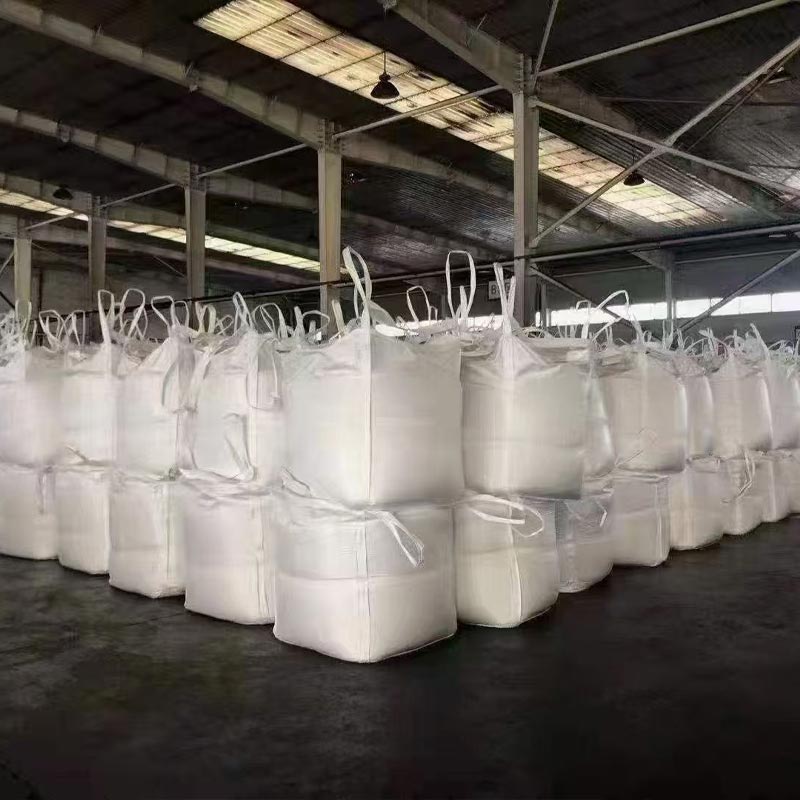
- Packing: 25/50 kg woven bags or 500/1000 kg jumbo bags.
Frequently Asked Questions
Q1: Why didn't the granules raise my pH?
Rate. Moving pH takes tons of neutralizing material; granules feed nutrition at tens of kilograms. The pH job belongs to lime by design.
Q2: My pH is fine but the crop still shows Ca or Mg trouble - why?
pH and availability are not the same question: wet, cold soils and heavy potassium or ammonium nutrition can block uptake on perfectly rated soil. Granules target the crop, not the number.
Q3: Dolomitic lime or granules for magnesium?
Both carry Mg. Dolomite corrects pH and magnesium together at ton rates; granules correct magnesium nutrition fast at small rates. Acid and Mg-short: dolomite. pH acceptable and Mg-short: granules.
Q4: Can the granules go into my BB blend?
Yes, with the moisture discipline from the compatibility table - urea-containing blends stay short-stored, and the granules must be hard enough to survive the mixer.
Conclusion
Lime and calcium-magnesium granules are not competitors - one runs the pH program, the other the nutrition program. Lime moves the number on the soil test; granules move the number on the tissue test. Run both where both reports say so, and neither tool gets blamed for the other's job.
If you are looking for a reliable fertilizer supplier that offers consistent quality and professional support, Tianjin Rongda Fertilizer Co., Ltd. is ready to help. Contact us today to learn how our fertilizer solutions can improve your agricultural productivity.
Related News
- What Benefits Can Magnesium Sulfate Applied After Grape Harvest Bring to Bud Break in the Next Year?
- Will Continuous Application of Magnesium Sulfate on Acidic Soil Aggravate Soil Acidification?
- How Do Controlled-Release Curves Match Crop Demand?
- Can Magnesium Sulfate Be Used in Saline-Alkali Soil? What Are the Risks of Long-Term Application?
- How Do You Turn a Soil Test into a Blend Sheet?
- How Does Applying Magnesium Sulfate After Grape Harvest Help Bud Burst in the Next Year?
Leave me a message