
What Is the Complete Production Process of Blended Fertilizer?
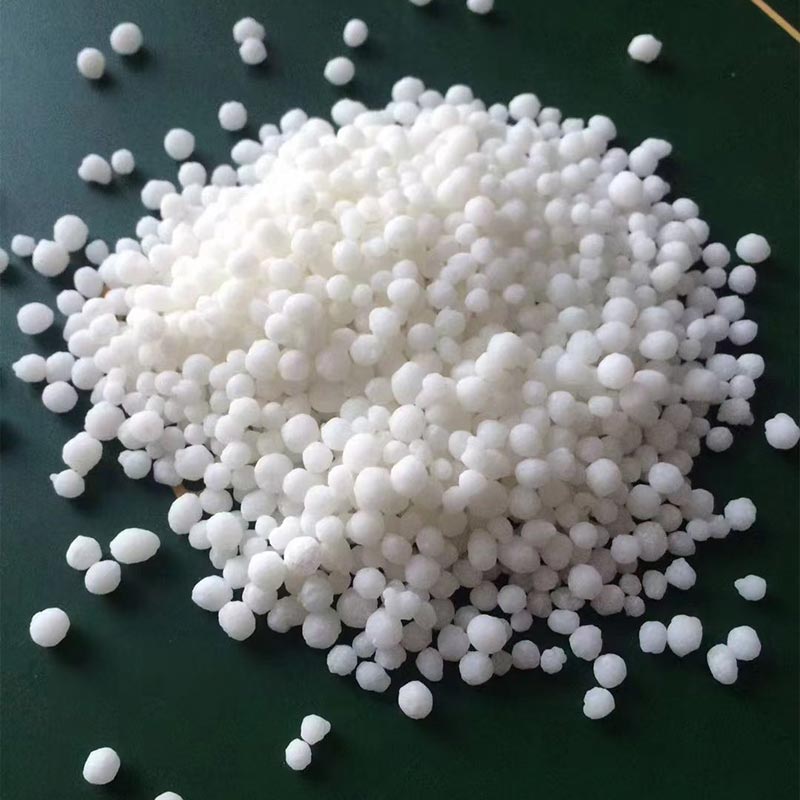
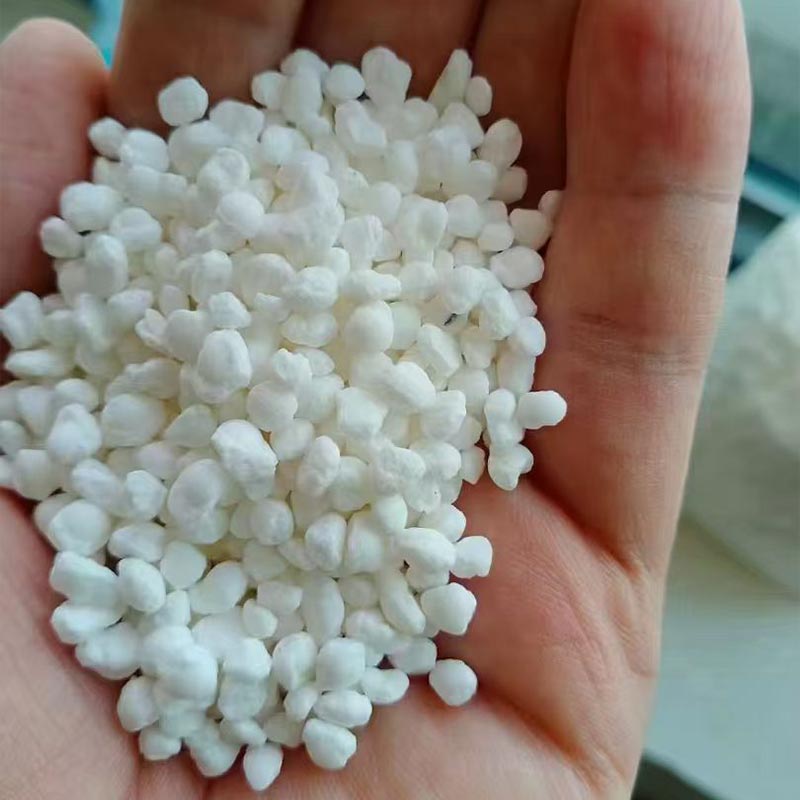
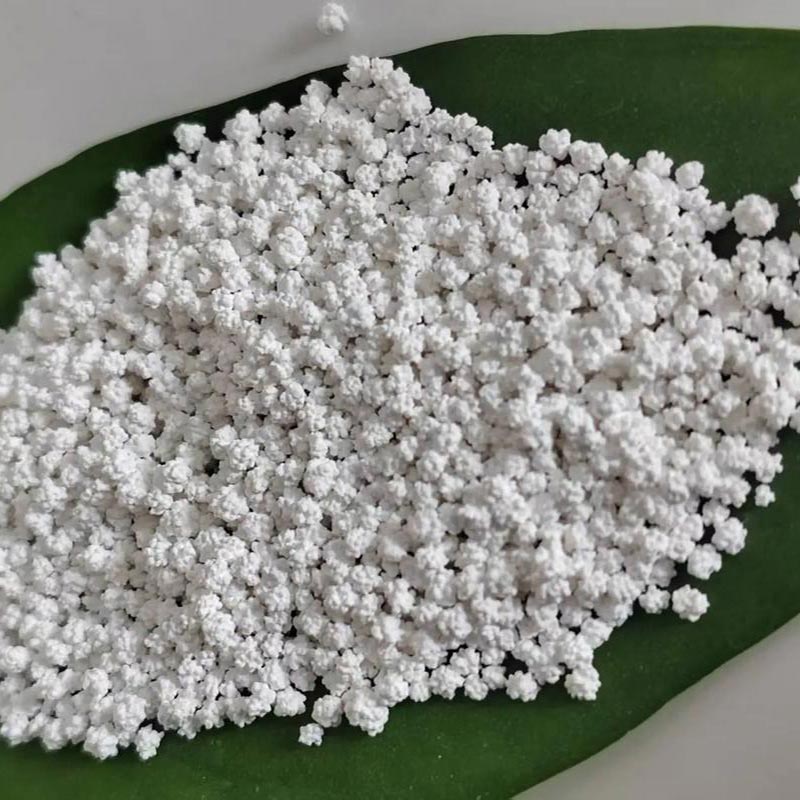
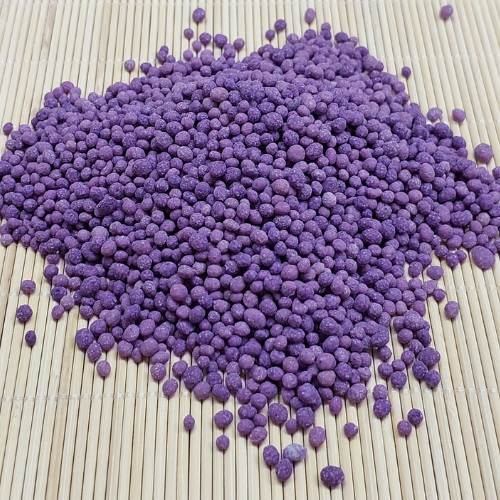
Blended fertilizer is widely recognized in modern agriculture for its flexible formula, balanced nutrient ratio, and cost-effective performance. Many farmers and bulk buyers are curious about how high-quality blended fertilizer is manufactured in standardized automated factories, and how manufacturers ensure accurate proportioning and uniform particle quality. This article fully breaks down the complete production workflow of modern blended fertilizer production lines, covering every core procedure from raw material preparation to final product warehousing.

Table of Contents
1. Raw Material Receiving and Preprocessing
2. Automatic Precision Batching and Proportioning
3. Core Material Mixing and Blending
4. Product Screening and Material Return Processing
5. Automatic Weighing, Packaging and Warehousing
Raw Material Receiving and Preprocessing
Raw material inspection and preprocessing serve as the first and most critical quality control step in blended fertilizer production, directly affecting formula accuracy and final product appearance.Common raw materials include urea, diammonium phosphate, potassium chloride, and other single-element and compound fertilizers. All incoming materials are transported to professional silos for centralized storage. Before production, staff will test the moisture content and particle condition of each material. Materials with excessive moisture will undergo professional drying treatment. Meanwhile, screening equipment removes fine powder, caked blocks, and oversized particles, ensuring all raw materials meet uniform particle standards before entering the formal production process.
Automatic Precision Batching and Proportioning
Accurate nutrient proportioning determines the balanced performance of blended fertilizer. Modern intelligent batching systems effectively eliminate manual errors and ensure stable nutrient content across every batch.
Advanced automated production lines adopt computer-controlled electronic weighing systems. According to customized crop-oriented formulas, the equipment precisely measures nitrogen, phosphorus, potassium, and various secondary and trace elements. The fully automatic batching process requires no manual operation, maintaining a high precision tolerance within ±0.2%. This standardized method avoids unbalanced nutrient ratios and guarantees that all finished fertilizer products comply with industrial quality standards.
Core Material Mixing and Blending
Mixing and blending is the core procedure of blended fertilizer manufacturing, designed to achieve uniform integration of multiple materials while protecting particle integrity.
All proportioned raw materials are delivered to professional mixing equipment, including drum mixers and twin-screw mixers. The devices adopt uniform physical stirring technology to achieve rapid and thorough blending. A flexible mixing process is strictly implemented to control rotation speed and mixing duration, preventing particle crushing and powder generation. This ensures evenly blended materials with complete particle shape and consistent product quality.
Product Screening and Material Return Processing
Screening and return processing standardize finished particle size, improve overall product consistency, and eliminate defective materials.
Preliminarily blended materials are transferred to professional screening machines. Standard mesh screens filter out qualified particles. Oversized and caked particles are crushed and returned to the mixing system for secondary blending. This cyclic screening and reprocessing method completely solves inconsistent particle size issues, ensuring uniform particle specification and neat appearance for all finished fertilizers.
Automatic Weighing, Packaging and Warehousing
Packaging and warehousing is the final step of production, achieving standardized sealing, packaging and storage for convenient transportation and inventory management.
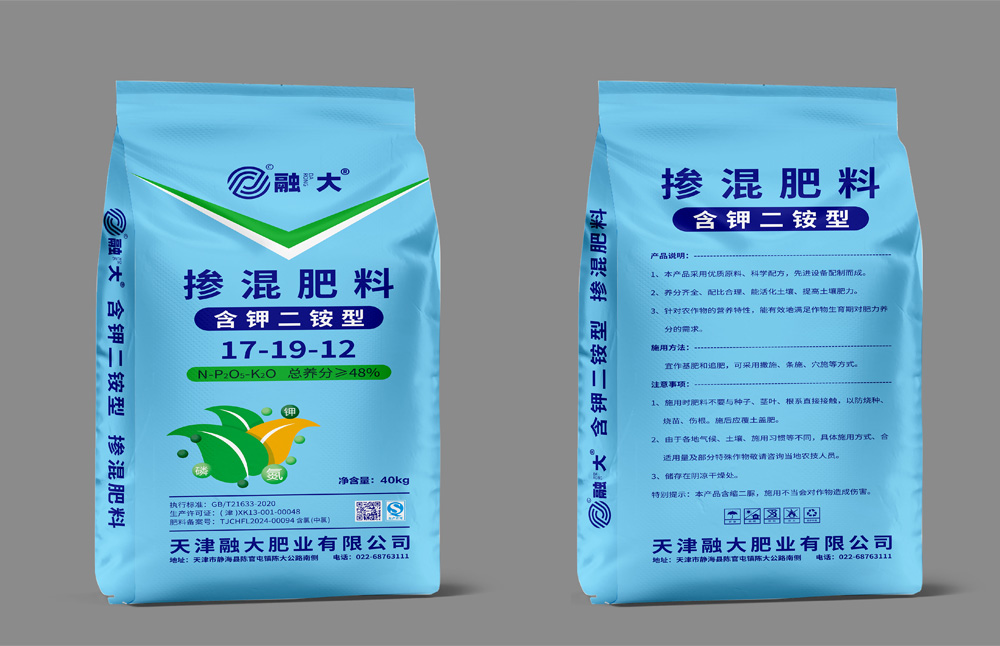
Qualified screened products are transported to automatic packaging machines. The production line supports adjustable packaging specifications from 20kg to 60kg, automatically completing quantitative filling, bag sealing, stitching and coding. After random quality inspection, all finished products are neatly stacked and stored in designated warehouse areas, ready for delivery and bulk shipment.
Summary
Professional blended fertilizer production relies on a complete, automated, and standardized workflow, consisting of five core stages: raw material preprocessing, precision automatic batching, uniform material blending, cyclic screening and returning, and automatic packaging and warehousing. Modern intelligent production strictly controls quality from the source through high-precision proportioning, uniform mixing and standardized screening. The entire process ensures stable nutrient content, uniform particle structure, and reliable performance of finished blended fertilizer. With scientific and standardized production technology, blended fertilizer provides efficient, balanced and adaptable nutrition for various crops and soil conditions, becoming an ideal fertilizer solution for modern large-scale agriculture.
FAQ
Q1: Is blended fertilizer production fully automatic?
A: Yes. Formal large-scale fertilizer factories adopt fully continuous automatic production lines. The entire process from raw material processing, intelligent batching, material blending to finished packaging is intelligently controlled, requiring only minimal manual monitoring. Automatic production delivers far higher batching accuracy and product stability than traditional manual processing.
Q2: Why can blending accuracy be controlled within ±0.2%?
A: Modern production lines are equipped with high-precision electronic sensing and computer weighing systems. The equipment automatically distributes materials according to preset professional formulas, eliminating manual weighing errors and precisely controlling the ratio of nitrogen, phosphorus, potassium and trace elements to ensure consistent nutrient content in every batch.
Q3: Why is screening and material return processing necessary?
A: This procedure standardizes finished particle size and removes defective particles and impurities. Crushing oversized materials and re-blending ensures uniform fertilizer particle size, guarantees even field fertilization performance, and greatly improves overall fertilizer quality and market appearance.
Q4: What packaging sizes are available for blended fertilizer?
A: Standard production lines support customizable packaging specifications ranging from 20kg to 60kg. Flexible packaging options adapt to different planting scales and customer demands, featuring tight sealing, convenient transportation and long-term safe storage.
If you are looking for a reliable blended fertilizer supplier with stable quality and professional technical support, Tianjin Rongda Fertilizer Co., Ltd. is always ready to assist you. Contact us today to find out how our professional fertilizer solutions can improve your agricultural productivity.
Related News
- How Do Controlled-Release Curves Match Crop Demand?
- Can Magnesium Sulfate Be Used in Saline-Alkali Soil? What Are the Risks of Long-Term Application?
- How Do You Turn a Soil Test into a Blend Sheet?
- How Does Applying Magnesium Sulfate After Grape Harvest Help Bud Burst in the Next Year?
- Which Magnesium Sulfate Fits Your Ground?
- Can Foliar Spraying Magnesium Sulfate During Fruit Expansion Improve Fruit Sweetness?
Leave me a message