
Does Chemical Fertilizer Harm Agriculture? Why Modern Farming Cannot Do Without Scientific Fertilization
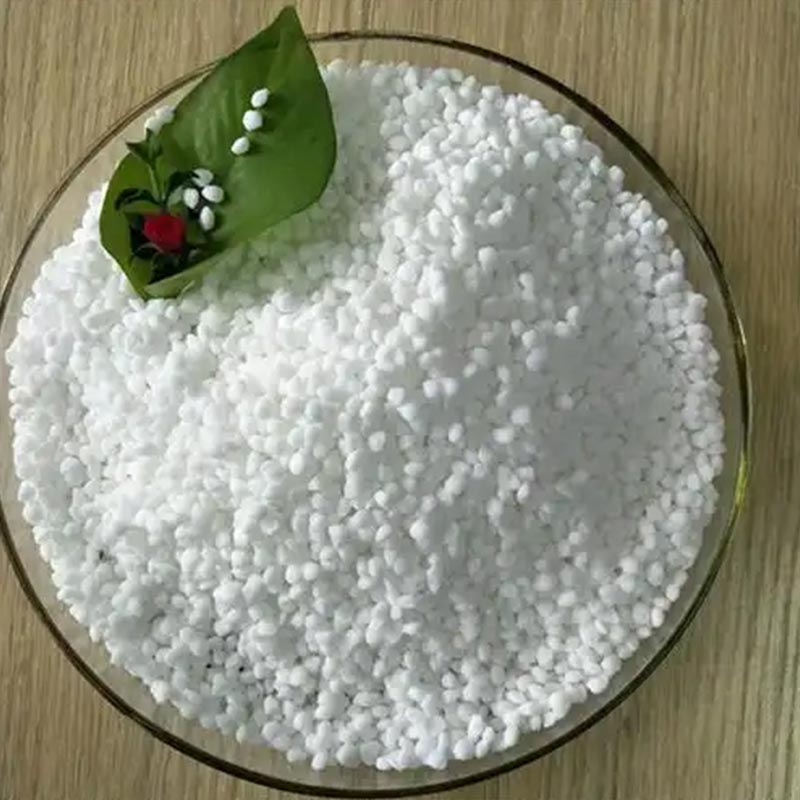
Most growers and consumers hold biased views about chemical fertilizers, often labeling them as harmful, unsafe, and soil-damaging. Many people mistakenly believe that organic farming means completely abandoning chemical fertilizers and even deny all agricultural values of chemical fertilization. In fact, scientific fertilization with chemical fertilizers is the core foundation of high-yield and stable modern agriculture, ensuring global food security and improving agricultural product quality. Maintaining soil fertility and supporting high-quality crop growth relies on reasonable and scientific fertilizer application. Core agricultural fertilizer products such as ammonium sulfate, ammonium chloride, calcium ammonium nitrate, magnesium sulfate, calcium magnesium granules, blended fertilizer, and water-soluble fertilizer play an essential role in modern precision farming. This article objectively explains fertilizer classification, the pros and cons of organic and chemical fertilizers, the irreplaceable value of chemical fertilizers, and eco-friendly fertilization solutions, helping farmers understand scientific fertilization and achieve win-win results for crop yield and ecological protection.

Table of Contents
1. Common Misunderstandings About Chemical Fertilizers
2. Complete Classification and Functions of Agricultural Fertilizers
3. Advantages and Disadvantages of Traditional Farmyard Organic Fertilizers
4. Pros and Cons of Industrial Chemical Fertilizers
5. Why Modern Agriculture Is Dependent on Chemical Fertilizers | Authoritative Data & Cases
6. Scientific Fertilization Solutions for Green Ecological Agriculture
Common Misunderstandings About Chemical Fertilizers
Many agricultural producers and consumers simply equate chemical fertilizers with unsafe farm produce, soil pollution, and excessive pesticide residues. Some extreme viewpoints completely negate the functions of chemical fertilizers in agricultural production. Such misunderstandings lead many farmers to blindly adopt pure organic planting modes and completely ban chemical fertilizers, resulting in severe crop yield reduction, poor fruit quality, and declining soil fertility.
In fact, chemical fertilizers themselves are not harmful. Excessive, blind, and single fertilization causes soil compaction, soil acidification, and reduced crop quality. Scientific and precise application of suitable fertilizers including ammonium sulfate, ammonium chloride, and calcium ammonium nitrate as high-efficiency nitrogen sources, combined with magnesium sulfate and calcium magnesium granules for medium element supplementation, as well as customized blended fertilizer and water-soluble fertilizer formulas, effectively balances soil nutrients, stabilizes crop output, and supports sustainable modern agricultural development.
Complete Classification and Functions of Agricultural Fertilizers
Fertilizers have always been the key guarantee for high crop yields since the beginning of agricultural civilization. With the upgrading of agricultural technology, traditional farmyard manure has evolved into diversified fertilizer types including industrial chemical fertilizers and microbial fertilizers, with different products cooperating to maximize planting efficiency.
1.Traditional Organic Fertilizers (Farmyard Manure)
Traditional organic fertilizers are mainly derived from livestock manure, human waste, plant litter, and pond sludge. They focus on soil improvement and organic matter supplementation, ideal for long-term soil conservation and ecological farm maintenance.
2.Modern Industrial Chemical Fertilizers
Manufactured through industrial refining technology, modern chemical fertilizers feature stable nutrient content and rapid absorption effects. Mainstream agricultural products cover ammonium sulfate, ammonium chloride, calcium ammonium nitrate, magnesium sulfate, calcium magnesium granules, blended fertilizer, and water-soluble fertilizer, fully supporting large-scale modern farming. Industrial agriculture represented by standardized chemical fertilizers completely replaces traditional backward planting methods, greatly improving agricultural productivity and planting efficiency.
3.New Microbial Fertilizers
Microbial fertilizers do not contain high-concentration nutrients. Instead, they activate solidified soil nutrients, improve crop absorption capacity, and enhance plant stress resistance through active microbial flora, serving as efficient soil conditioners and fertilizer synergists.
4.Core Functions of Different Fertilizer Elements
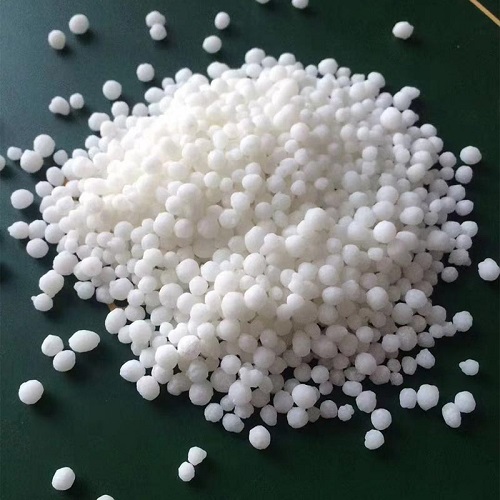
Nitrogen Fertilizer: Nitrogen promotes vegetative growth, chlorophyll synthesis, and protein accumulation, ensuring vigorous leaf growth and strong crop seedlings. Common high-quality nitrogen fertilizers include ammonium sulfate, ammonium chloride, and calcium ammonium nitrate. Ammonium sulfate and ammonium chloride provide long-term and stable nitrogen supply for field crops, while calcium ammonium nitrate is a high-efficiency dual nitrogen-calcium fertilizer that accelerates growth and improves fruit quality for fruits, vegetables, and flowers.
Phosphorus Fertilizer: Phosphorus focuses on reproductive growth regulation, accelerating cell division, promoting root development, flower bud differentiation, blooming, and fruit maturation, effectively upgrading overall crop quality.
Potassium Fertilizer: Potassium enhances photosynthesis efficiency and promotes the accumulation of starch, sugar, and protein. It determines fruit taste, color, and appearance, while strengthening crop resistance to drought, cold, diseases, and lodging.
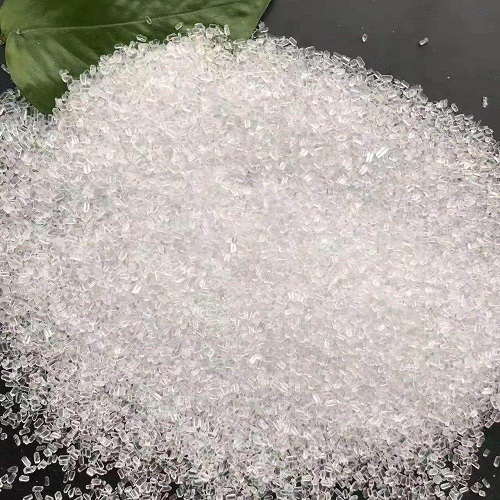
Medium and Trace Element Fertilizer: Calcium, magnesium, boron, zinc, iron, and sulfur are indispensable for crop growth. Deficiencies easily cause leaf yellowing, fruit cracking, malformed fruits, and even plant death. Reasonable supplementation of magnesium sulfate and calcium magnesium granules effectively prevents physiological diseases such as leaf chlorosis and blossom-end rot, maintaining healthy growth for field crops and cash crops.
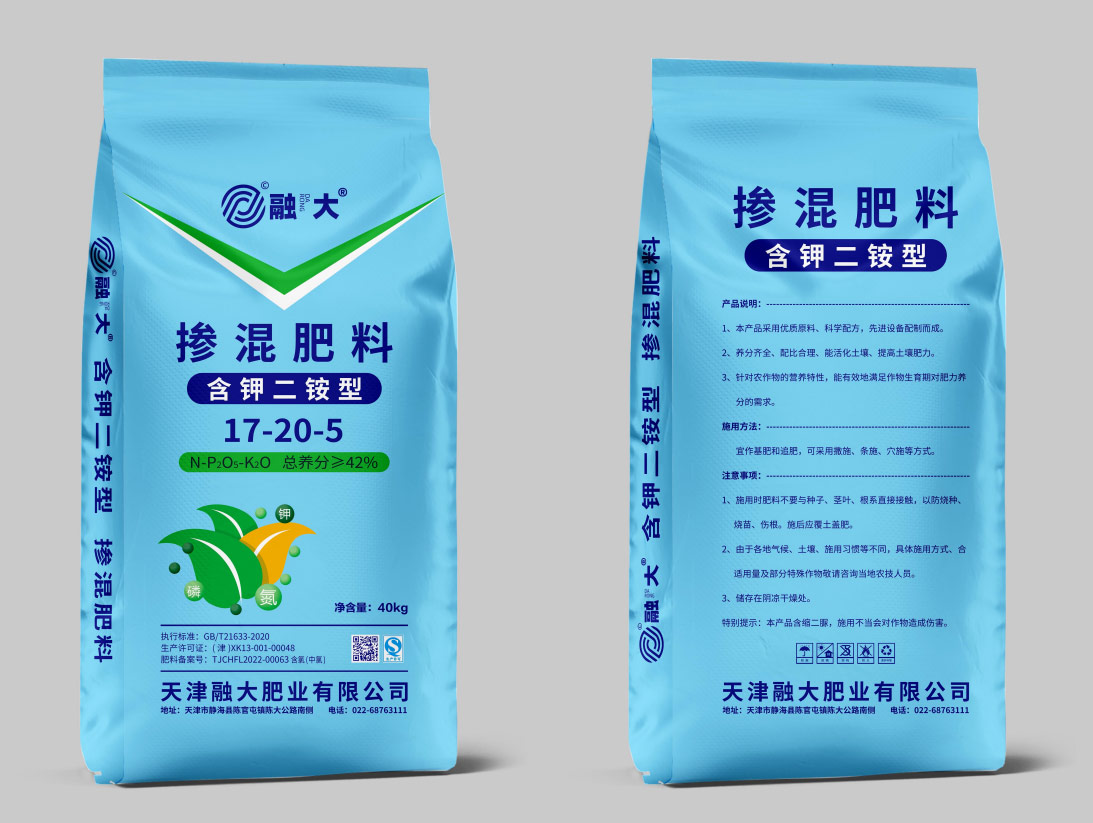
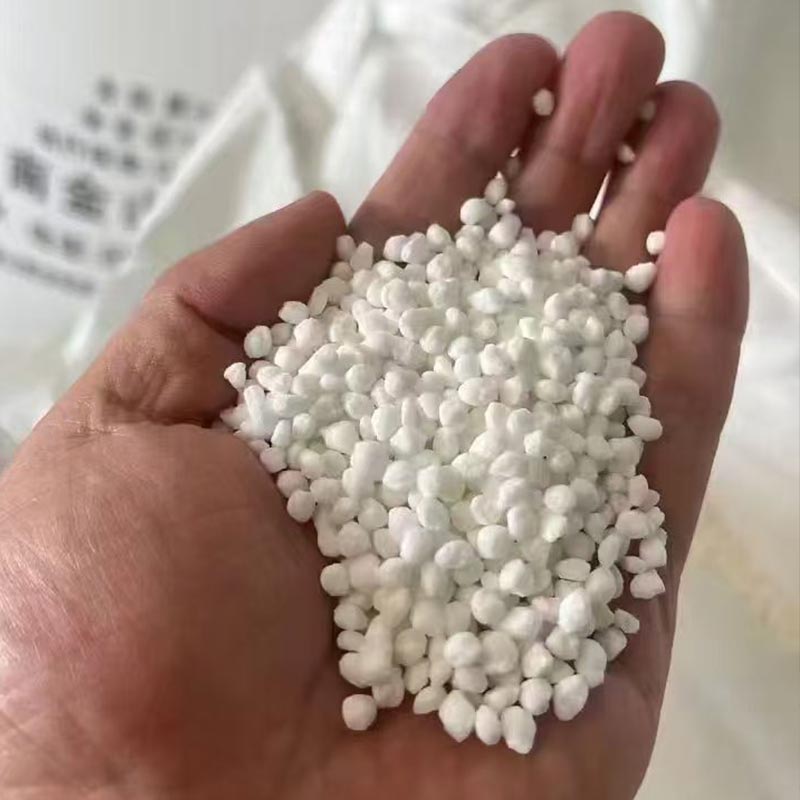
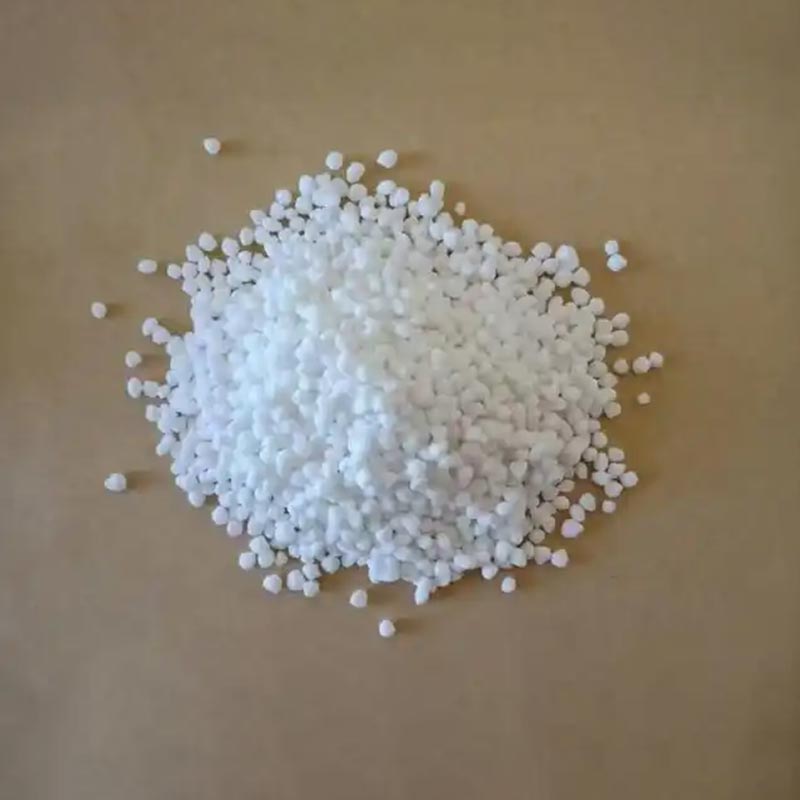
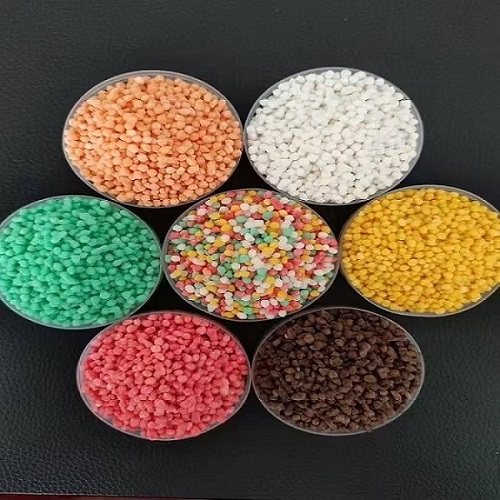
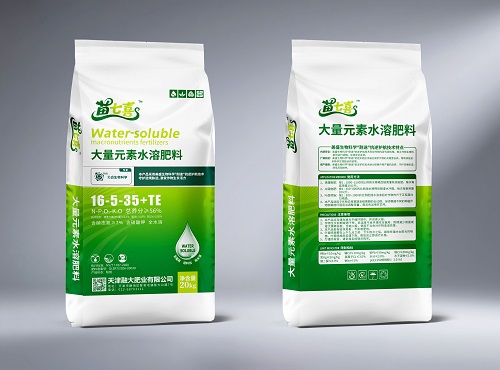
Compound and Formula Fertilizer: Formula fertilizers contain two or more nutrient elements to avoid single-nutrient deficiency problems. Blended fertilizer features flexible ratio customization and high cost performance for large-scale field base fertilization and topdressing. Water-soluble fertilizer with ultra-high solubility is perfect for drip irrigation, flushing, and foliar spraying in greenhouse planting. Combined with ammonium sulfate, ammonium chloride, calcium ammonium nitrate, magnesium sulfate, and calcium magnesium granules, these formula fertilizers realize precise and efficient scientific fertilization.
Advantages and Disadvantages of Traditional Farmyard Organic Fertilizers
Organic fertilizers excel in soil conservation and ecological improvement, yet they cannot fully meet the high-yield demands of modern agriculture when used alone.
Advantages
Organic fertilizers adopt recycled agricultural and livestock waste materials, featuring environmental friendliness and wide sources. They optimize soil aggregate structure, loosen soil, improve water and fertilizer retention capacity, and enrich soil organic matter, effectively improving long-term soil fertility.
Disadvantages
Traditional farmyard manure contains many impurities and requires huge labor costs for transportation and application. Its nitrogen, phosphorus, potassium, and trace element contents are unstable and low. Slow nutrient release limits yield improvement, making it unable to support large-scale intensive modern agriculture.
Pros and Cons of Industrial Chemical Fertilizers
Chemical fertilizers are core products of modern agricultural industrialization, solving the low-yield bottlenecks of traditional farming. Standardized scientific application maximizes benefits while avoiding potential drawbacks.
Advantages
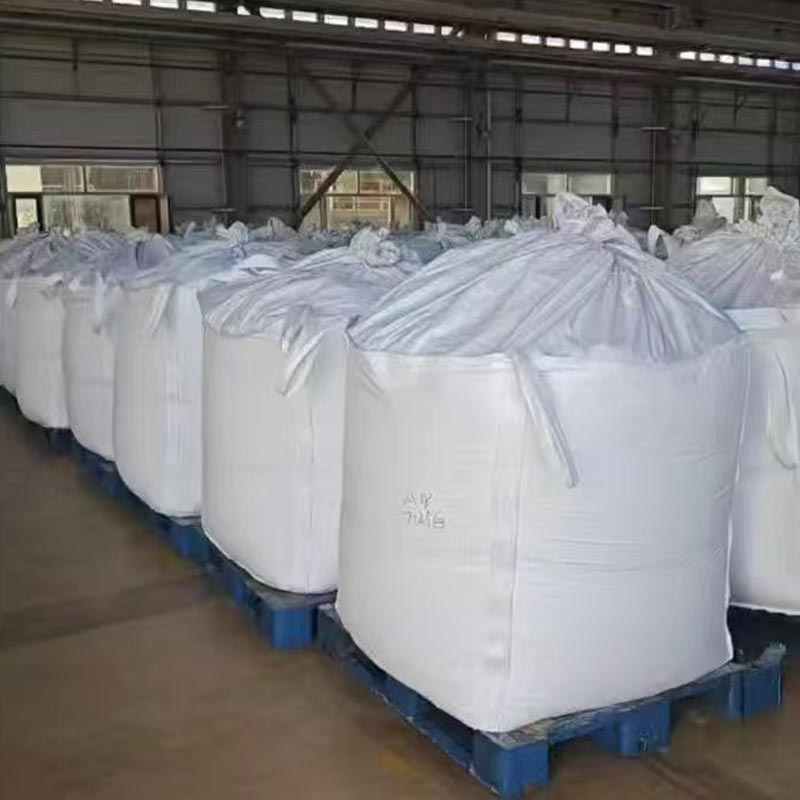
Industrialized mass production ensures stable and sufficient supply for large-scale farmland. Standard formulas and clear nutrient content enable controllable and predictable fertilization effects. Professional production lines provide full-series fertilizers including ammonium sulfate, ammonium chloride, calcium ammonium nitrate, magnesium sulfate, calcium magnesium granules, blended fertilizer, and water-soluble fertilizer, covering all planting scenarios such as field farming, fruit and vegetable planting, and facility agriculture. Chemical fertilizers feature convenient transportation and application, low comprehensive planting costs, and rapid fertilizer efficiency, greatly boosting crop yields.
Disadvantages
Single chemical fertilizer has relatively fixed nutrients. Long-term single and excessive application leads to unbalanced soil nutrients, soil acidification, salinization, and compaction, damaging the soil ecological environment. This fully reflects the importance of scientific fertilization. Reasonable collocation of diversified products such as ammonium sulfate, ammonium chloride, calcium ammonium nitrate, magnesium sulfate, calcium magnesium granules, blended fertilizer, and water-soluble fertilizer effectively avoids the problems caused by single fertilization.
Why Modern Agriculture Is Dependent on Chemical Fertilizers | Authoritative Data & Cases
The popularization of chemical fertilizers is a major breakthrough in agricultural technology, fundamentally guaranteeing global food security.
According to FAO statistics, 40% to 60% of global crop yield growth comes from scientific chemical fertilizer application. From 1949 to 2023, China’s grain yield per mu increased 4.56 times, and chemical fertilizer application contributed nearly half of this remarkable growth.
If chemical fertilizers are completely banned, global food production will decrease by more than 30%, triggering a severe global food crisis and failing to feed the world’s growing population.
The Sri Lanka agricultural crisis is a typical warning case. In 2021, Sri Lanka completely banned chemical fertilizers and pesticides to promote pure organic farming without effective alternative nutrient solutions. Within months, rice production dropped by 32%, tea output decreased by 18%, and agricultural exports suffered heavy losses. The country quickly fell into food shortages and economic turmoil, finally being forced to revoke the ban. This case proves that modern large-scale agriculture cannot survive without scientific chemical fertilizer application.
Scientific Fertilization Solutions for Green Ecological Agriculture
Green agriculture does not mean zero chemical fertilizers. It refers to a scientific planting mode of organic fertilizer for soil conservation, chemical fertilizer for yield increase, and microbial fertilizer for soil conditioning, balancing high yield and ecological sustainability.
1.Upgraded Standardized Organic Fertilizers
Modern factory-produced bio-organic fertilizers add stable nitrogen, phosphorus, potassium, trace elements, and microbial flora, solving the disadvantages of traditional manure such as unstable nutrients and slow efficiency, combining the advantages of both organic and chemical fertilizers.
2.Ecological Planting and Breeding Cycle Mode
The ecological cycle model of “livestock breeding — biogas fermentation — crop planting” realizes resource recycling. Crop straw feeds livestock, livestock manure produces biogas, and biogas residue and liquid return to farmland as organic fertilizer, reducing chemical fertilizer dependence and optimizing soil ecology.
3.Scientific Mixing of Organic and Chemical Fertilizers
Organic fertilizers improve soil structure and supplement organic matter, while targeted chemical fertilizers supplement nutrients precisely according to crop demands. For field crops, ammonium sulfate, ammonium chloride, and blended fertilizer provide long-term and balanced nutrition. For fruits and vegetables, calcium ammonium nitrate, magnesium sulfate, and calcium magnesium granules improve quality and prevent physiological diseases. For greenhouse and drip irrigation planting, water-soluble fertilizer realizes rapid nutrient supplementation. The scientific combination of full-series fertilizers avoids the risks of blind single fertilization, ensuring high yield, high quality, and sustainable soil health.
Summary
In conclusion, chemical fertilizers are important achievements of modern agricultural technological progress and indispensable for global food security and crop quality improvement. Pure organic planting cannot meet modern food supply demands. Soil degradation and agricultural ecological problems are caused by excessive and single fertilizer abuse rather than chemical fertilizers themselves. The future of modern agriculture lies in scientific, precise, and moderate fertilization. Farmers should adhere to the mode of organic fertilizer soil maintenance + chemical fertilizer efficiency improvement, and select high-quality fertilizers including ammonium sulfate, ammonium chloride, calcium ammonium nitrate, magnesium sulfate, calcium magnesium granules, blended fertilizer, and water-soluble fertilizer according to actual demands, realizing sustainable agricultural development with stable yield, high production, and premium quality.
FAQ
Q1: Can high yield be achieved only with organic fertilizers without chemical fertilizers?
A: It is impossible for large-scale high-yield planting. Organic fertilizers have low nutrient content and slow release speed, only maintaining basic soil fertility. Long-term single application leads to insufficient crop nutrients, weak growth, and low yield, only suitable for small-scale high-end organic planting.
Q2: Will long-term chemical fertilizer use damage soil?
A: Proper use will not damage soil. Soil compaction and acidification result from long-term single and excessive fertilization. Scientific fertilization with mixed organic and chemical fertilizers balances soil nutrients and improves soil productivity sustainably.
Q3: What is the difference between green agriculture and organic agriculture?
A: Organic agriculture completely prohibits chemical fertilizers and pesticides. Green agriculture allows standardized and appropriate chemical fertilizer application, adopting the mode of organic fertilizer priority with chemical fertilizer assistance, which is more suitable for modern large-scale agricultural promotion.
Q4: Why did Sri Lanka’s chemical fertilizer ban lead to agricultural collapse?
A: Modern farmland soil nutrition systems rely on scientific chemical supplementation. A sudden total ban without alternative nutrient solutions causes severe nutrient deficiency, massive crop reduction, and further triggers food crises and economic recession.
Q5: How to match organic and chemical fertilizers correctly?
A: Take organic fertilizer as base fertilizer to improve soil. Select targeted chemical fertilizers according to crop growth stages: use ammonium sulfate, ammonium chloride, blended fertilizer for field crops for stable long-term fertilization; use calcium ammonium nitrate, calcium magnesium granules, magnesium sulfate for cash crops to solve leaf yellowing and fruit cracking problems; apply water-soluble fertilizer in facility agriculture for rapid absorption and efficiency improvement.
If you are looking for a reliable agricultural fertilizer supplier with stable quality and professional support, providing full-series products including ammonium sulfate, ammonium chloride, calcium ammonium nitrate, magnesium sulfate, calcium magnesium granules, blended fertilizer, and water-soluble fertilizer, Tianjin Rongda Fertilizer Co., Ltd. is always ready to assist you. Contact us today to discover how our fertilizer solutions can boost your agricultural productivity.
Related News
- How Do Controlled-Release Curves Match Crop Demand?
- Can Magnesium Sulfate Be Used in Saline-Alkali Soil? What Are the Risks of Long-Term Application?
- How Do You Turn a Soil Test into a Blend Sheet?
- How Does Applying Magnesium Sulfate After Grape Harvest Help Bud Burst in the Next Year?
- Which Magnesium Sulfate Fits Your Ground?
- Can Foliar Spraying Magnesium Sulfate During Fruit Expansion Improve Fruit Sweetness?
Leave me a message