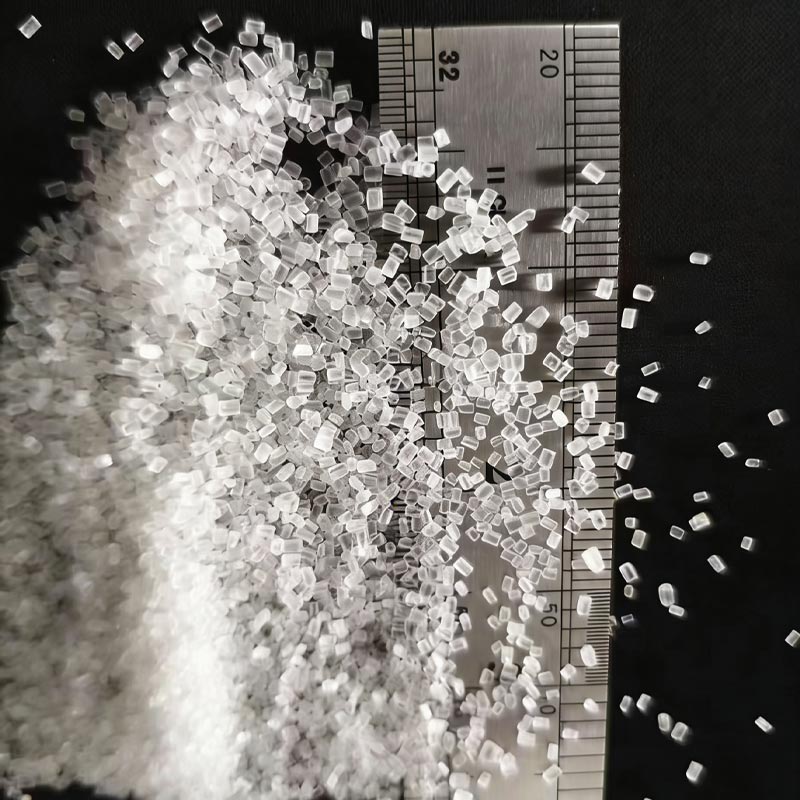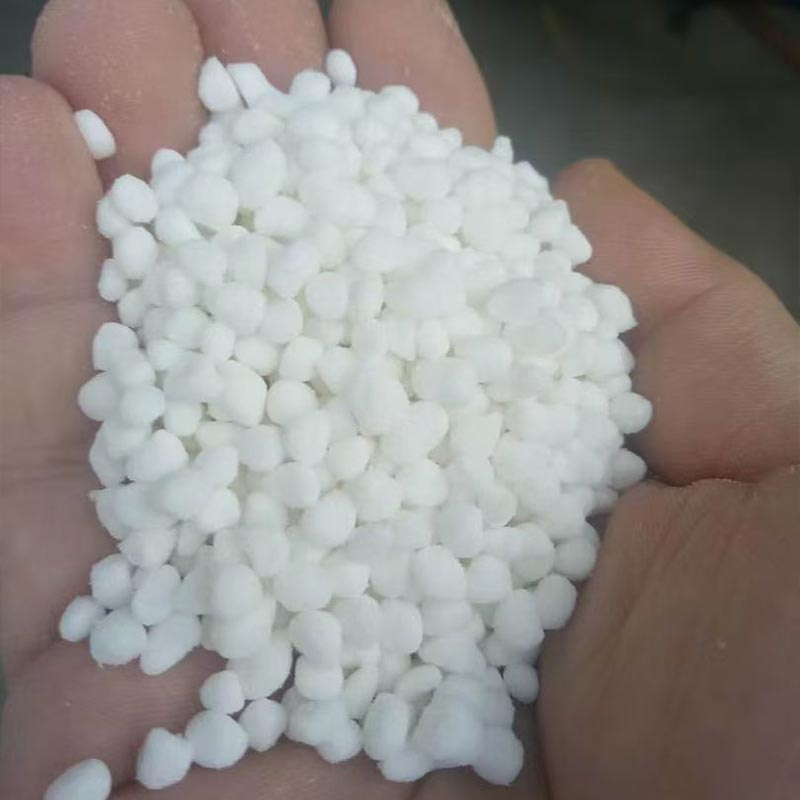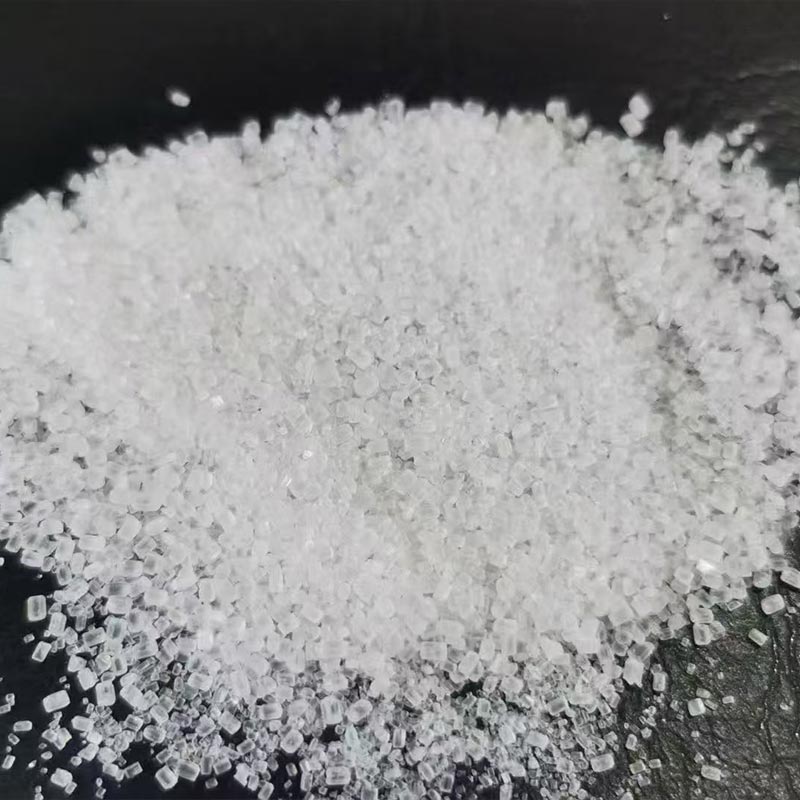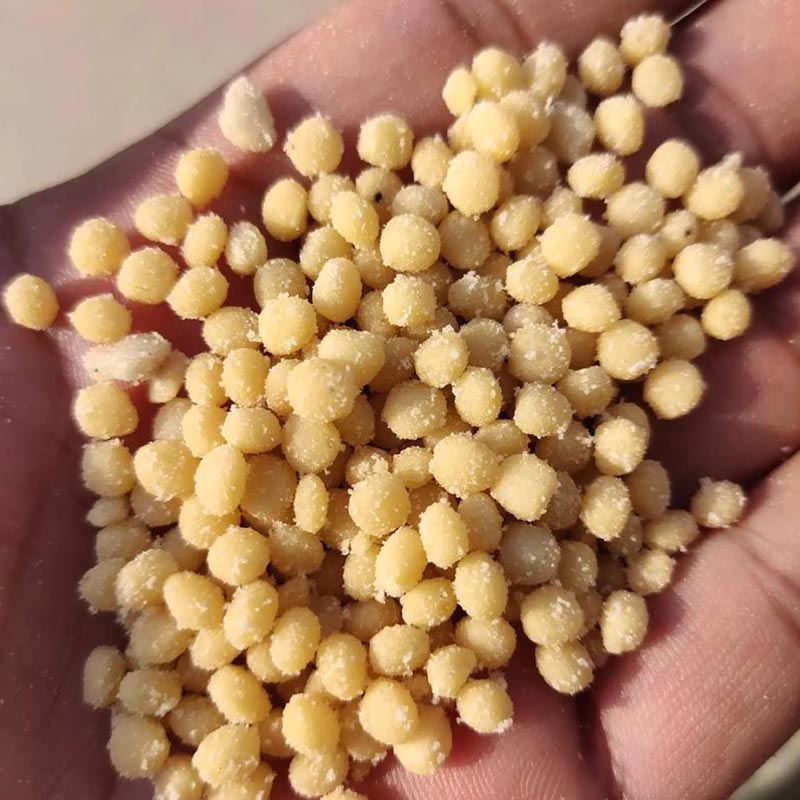

Will Continuous Application of Magnesium Sulfate on Acidic Soil Aggravate Soil Acidification?
Red soils, mountain orchards and other farmlands in southern regions are mostly acidic soil. Many growers apply magnesium sulfate year after year to supply magnesium and sulfur, worrying that long-term use will make the soil more acidic. Based on RONGDA’s years of agricultural technical experience, this article explains the fertilizer characteristics of magnesium sulfate, distinguishes physiological acidity from chemical acidity, analyzes its impacts when continuously used on acidic soil, and provides suitable fertilization plans. It helps growers supplement magnesium safely and avoid worse soil acidification.

Table of Contents
1. Is magnesium sulfate an acidic fertilizer? Distinguish two key concepts
2. Will repeated application of magnesium sulfate aggravate acidification in acidic soil?
3. Hidden secondary risks of long-term magnesium sulfate application on acidic soil
4. RONGDA’s recommended scientific application guide for acidic soil
5. Supporting practices to regulate soil acidity and protect soil health
1. Is magnesium sulfate an acidic fertilizer? Distinguish two key concepts
Many growers confuse chemical acidity and physiological acidity. Magnesium sulfate solution is nearly neutral in water, so it is not chemically acidic. However, it belongs to physiologically acidic fertilizer. Crops absorb magnesium ions much faster than sulfate radicals. A large amount of sulfate radicals remain in the soil and change the balance of soil ions, which is the main concern about acidification. RONGDA reminds you: magnesium sulfate will not drop pH sharply in a short time like ammonium sulfate or ammonium chloride, but the cumulative effect cannot be ignored if applied continuously.
2. Will repeated application of magnesium sulfate aggravate acidification in acidic soil?
Conclusion: Short-term and rational application brings slight acidification impact. Continuous, frequent and heavy single application year after year will gradually worsen soil acidification. Acidic soil features low pH and high active aluminum. With ongoing magnesium sulfate input, crops keep absorbing magnesium while sulfate radicals stay on soil colloids, displacing hydrogen ions and slowly lowering soil pH. This situation is prominent in rainy red soil tea gardens, citrus orchards and blueberry fields in the south. These soils have low buffering capacity. If growers only rely on magnesium sulfate for magnesium supply for years, acidification will keep getting worse, and excessive active aluminum will damage root systems. If the soil has high organic matter and strong buffering performance, the acidification speed will be much slower with proper dosage.
3. Hidden secondary risks of long-term magnesium sulfate application on acidic soil
① Activated aluminum and manganese cause root toxicity When soil pH keeps dropping in acidic land, aluminum and manganese become highly soluble. Aluminum toxicity appears easily, with black roots, poor new root growth and stunted crops. ② Unbalanced calcium and magnesium ratio leads to nutrient deficiency Calcium is easy to leach away in acidic soil. Heavy long-term magnesium application causes calcium-magnesium antagonism. Fruit trees and vegetables tend to suffer calcium deficiency, resulting in blossom-end rot and fruit cracking.
③ Excessive sulfur accumulation Continuous sulfate input may turn into hydrogen sulfide under waterlogged and anaerobic conditions, damaging roots and inhibiting some beneficial microbes.
④ Phosphorus fixation At too low pH value, phosphorus combines with iron and aluminum into insoluble substances. Phosphorus fertilizer utilization rate decreases, raising input cost with poor harvest.
4. RONGDA’s recommended scientific application guide for acidic soil
1. Fertilize after soil testing: Test soil pH, exchangeable magnesium and aluminum content regularly. Stop extra magnesium supply when magnesium level is sufficient, avoid habitual broadcasting every year.
2. Control dosage and rotate magnesium sources: Do not only use magnesium sulfate for magnesium supplement. Alternate it with calcium magnesium granules. Calcium magnesium granules contain calcium and can buffer soil acidity, which fits acidic soil well.
3. Foliar spraying for emergency magnesium supplement: Spray magnesium sulfate on leaves when yellowing from magnesium deficiency occurs. It works fast with minimum disturbance to soil pH. Apply to soil periodically instead of continuously, avoid heavy application before rainy seasons.
4. Drip irrigation with small and frequent doses: Reduce single dosage in drip irrigation system to prevent massive sulfate residue at one time.
5. Supporting practices to regulate soil acidity and protect soil health
RONGDA suggests balancing magnesium supplementation and acidity regulation for acidic fields:
· Apply proper calcium-containing alkaline materials to adjust pH and reduce aluminum toxicity;
· Keep adding organic fertilizer and humic acid to raise soil cation exchange capacity and buffering capacity, slowing down acidification;
· Rotate crops reasonably and use bio-fertilizer to optimize rhizosphere microflora;
· Improve field drainage to avoid waterlogged anaerobic environment and root damage caused by sulfur conversion.
6. Summary
Magnesium sulfate is not a strong acid fertilizer and should not be rejected blindly. Acidic soil can use magnesium sulfate, but long-term, heavy and single application is not recommended. When magnesium deficiency occurs, use it periodically with controlled dosage. Combine calcium fertilizers and organic matter for soil improvement to obtain the benefits of magnesium and sulfur. If ignoring the original soil acidity and applying it nonstop, you will face worse acidification, aluminum toxicity and ion imbalance.RONGDA supplies magnesium sulfate, calcium magnesium granules and other magnesium fertilizers, and provides customized fertilization programs for global growers for acidic, saline-alkali and various soil types.
Next :
-
Related News
- How Do Controlled-Release Curves Match Crop Demand?
- Can Magnesium Sulfate Be Used in Saline-Alkali Soil? What Are the Risks of Long-Term Application?
- How Do You Turn a Soil Test into a Blend Sheet?
- How Does Applying Magnesium Sulfate After Grape Harvest Help Bud Burst in the Next Year?
- Which Magnesium Sulfate Fits Your Ground?
- Can Foliar Spraying Magnesium Sulfate During Fruit Expansion Improve Fruit Sweetness?
Leave me a message