
What Is Physiologically Acidic Fertilizer and Why Is It Essential for Soil Health and Crop Productivity
Modern agriculture increasingly depends on precise nutrient management to maintain soil fertility and maximize crop yield. One important concept in fertilizer science is Physiologically Acidic Fertilizer, a category of fertilizers that acidify soil during plant nutrient uptake. These fertilizers play a critical role in improving nutrient availability, balancing alkaline soils, and enhancing crop growth.
This comprehensive guide explains what physiologically acidic fertilizers are, how they work, their advantages, application methods, and how farmers can select the right fertilizer solutions. We also explore how advanced fertilizer manufacturers such as Rongda develop effective fertilizer products to support sustainable agriculture.
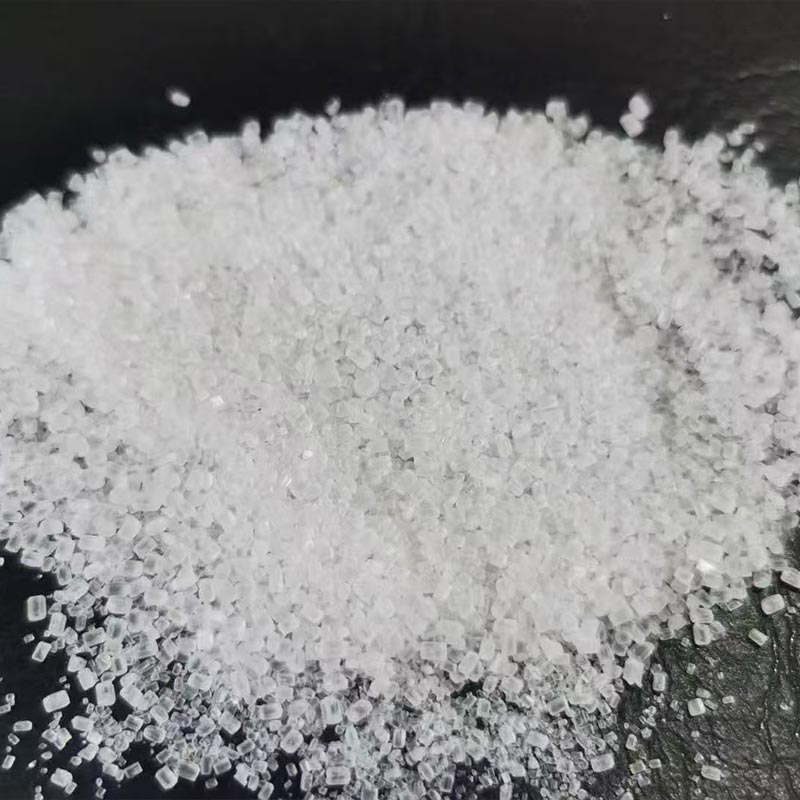
Table of Contents
- What Is a Physiologically Acidic Fertilizer?
- How Do Physiologically Acidic Fertilizers Work in Soil?
- Common Types of Physiologically Acidic Fertilizers
- Benefits of Using Physiologically Acidic Fertilizers
- When Should Farmers Use Acidifying Fertilizers?
- Comparison: Acidic vs Neutral vs Alkaline Fertilizers
- Application Techniques for Maximum Efficiency
- Environmental and Soil Health Considerations
- How Rongda Supports Modern Fertilizer Solutions
- Frequently Asked Questions
What Is a Physiologically Acidic Fertilizer?
A Physiologically Acidic Fertilizer refers to a fertilizer that produces an acidifying effect in the soil after plants absorb its nutrients. This effect occurs during the plant nutrient uptake process rather than from the fertilizer's initial chemical pH.
For example, fertilizers containing ammonium nitrogen often release hydrogen ions when plants absorb ammonium. This biochemical process lowers soil pH over time, making the soil more acidic.
These fertilizers are especially useful in alkaline soils where nutrient availability is often limited due to high pH levels.
How Do Physiologically Acidic Fertilizers Work in Soil?
The acidifying effect occurs through a biological and chemical interaction between plants, soil microorganisms, and fertilizer nutrients.
Key Mechanism
- Plants absorb positively charged nutrients such as ammonium (NH4+).
- To maintain electrical balance, plant roots release hydrogen ions (H+).
- The released hydrogen ions lower the surrounding soil pH.
- This process increases the availability of certain nutrients such as phosphorus, iron, and manganese.
This gradual acidification is particularly beneficial for crops grown in alkaline or calcareous soils.
Common Types of Physiologically Acidic Fertilizers
Several fertilizers fall into the physiologically acidic category due to their nutrient composition and plant uptake characteristics.
| Fertilizer Type | Main Nutrient | Acidifying Effect | Typical Use |
|---|---|---|---|
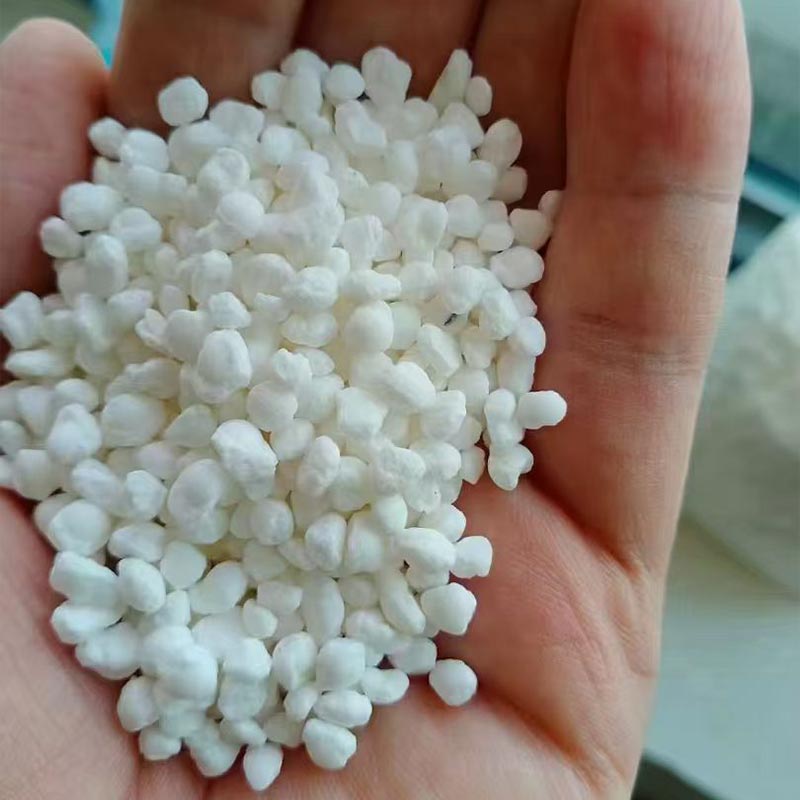
| Ammonium Sulfate | Nitrogen + Sulfur | Strong | Cereal crops, vegetables |
| Ammonium Chloride | Nitrogen | Moderate | Rice and wheat |
| Urea | Nitrogen | Mild to Moderate | General agriculture |
| Monoammonium Phosphate | Nitrogen + Phosphorus | Moderate | Starter fertilizer |
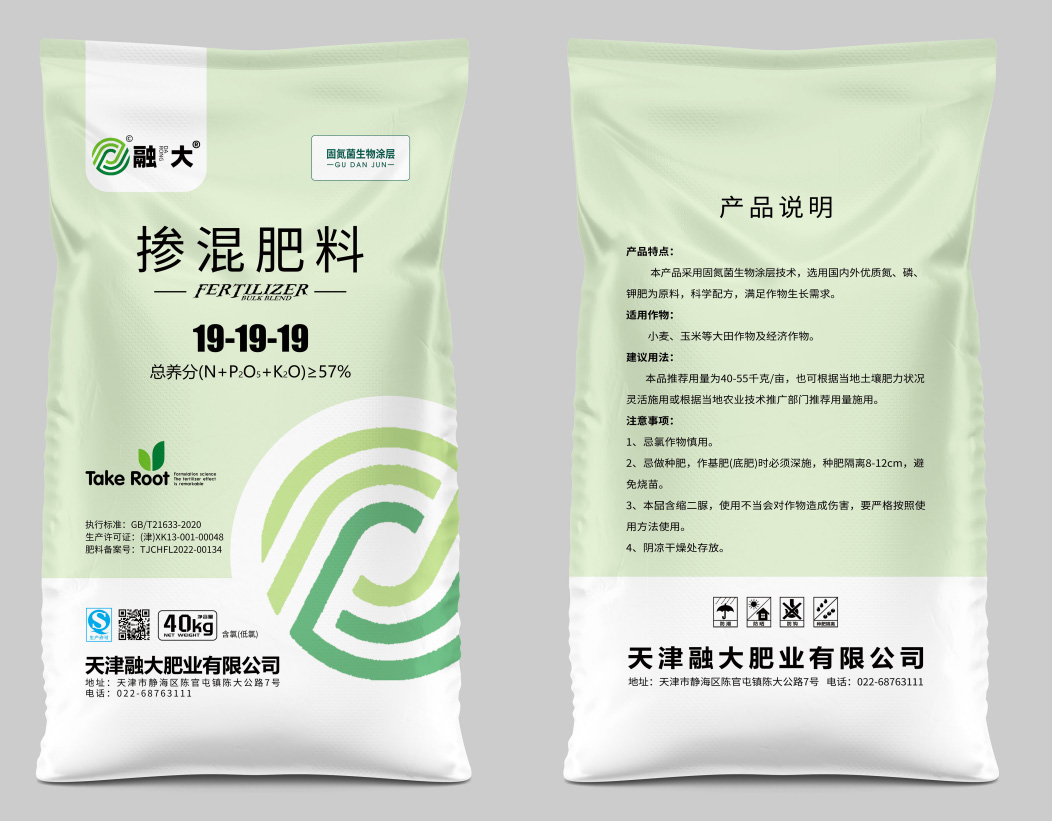
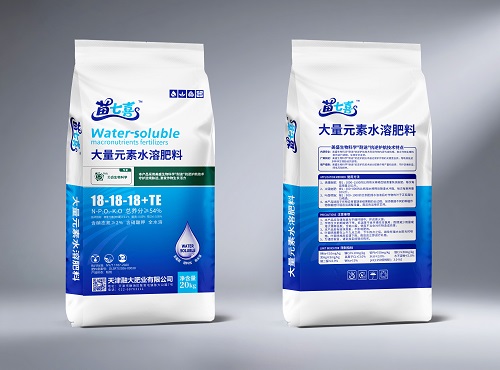
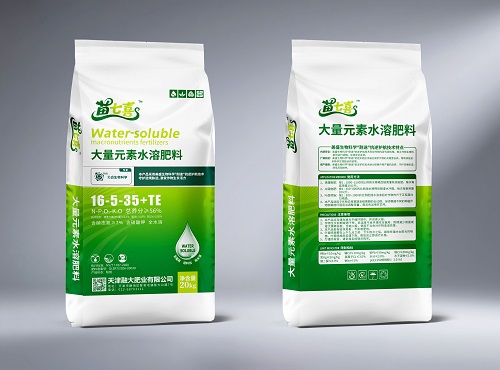
Many fertilizer producers, including Rongda, provide carefully formulated fertilizers that optimize nutrient release and soil interaction.
Benefits of Using Physiologically Acidic Fertilizers
Using physiologically acidic fertilizers provides multiple agronomic advantages.
1. Improved Nutrient Availability
Lower soil pH improves the solubility of essential micronutrients such as iron, zinc, and manganese.
2. Correcting Alkaline Soil Conditions
Alkaline soils can limit plant growth. Acidifying fertilizers help gradually restore a more balanced pH.
3. Enhanced Crop Growth
Better nutrient uptake directly contributes to stronger plant development and improved yield potential.
4. Increased Fertilizer Efficiency
By improving soil nutrient availability, crops utilize applied fertilizers more effectively.
5. Better Root Development
Healthy soil pH encourages deeper root growth and improved water absorption.
When Should Farmers Use Acidifying Fertilizers?
Farmers should consider physiologically acidic fertilizers under several conditions:
- Soil pH above 7.5
- Calcareous or lime-rich soils
- Micronutrient deficiency symptoms
- Poor phosphorus availability
- High bicarbonate irrigation water
These fertilizers are widely used in crops such as:
- Wheat
- Rice
- Maize
- Vegetables
- Fruit orchards
Comparison: Acidic vs Neutral vs Alkaline Fertilizers
| Fertilizer Category | Soil Effect | Examples | Best Soil Type |
|---|---|---|---|
| Physiologically Acidic | Lowers soil pH | Ammonium sulfate, ammonium chloride | Alkaline soils |
| Neutral | No major pH change | Potassium nitrate | Balanced soils |
| Physiologically Alkaline | Raises soil pH | Sodium nitrate | Acidic soils |
Selecting the appropriate fertilizer type ensures better crop nutrition and long-term soil stability.
Application Techniques for Maximum Efficiency
To maximize the benefits of physiologically acidic fertilizers, proper application methods are essential.
Best Practices
- Conduct soil testing before fertilizer application.
- Apply fertilizers according to crop nutrient requirements.
- Use split applications for nitrogen fertilizers.
- Incorporate fertilizer into soil to reduce nutrient loss.
- Combine with organic matter to improve soil structure.
Precision fertilization strategies significantly increase nutrient use efficiency and crop productivity.
Environmental and Soil Health Considerations
While physiologically acidic fertilizers are beneficial, responsible usage is important to maintain environmental sustainability.
Key Considerations
- Avoid excessive application that may overly acidify soil.
- Monitor soil pH regularly.
- Balance fertilizers with organic amendments.
- Use integrated nutrient management strategies.
These practices help maintain healthy soil ecosystems while achieving optimal agricultural output.
How Rongda Supports Modern Fertilizer Solutions
As agriculture evolves toward precision nutrient management, fertilizer manufacturers must provide reliable, efficient products. Rongda is committed to developing advanced fertilizer solutions that support sustainable farming and improved crop productivity.
By combining scientific research with modern manufacturing technology, Rongda produces high-quality fertilizers designed to optimize soil conditions, enhance nutrient absorption, and support long-term soil health.
Their physiologically acidic fertilizer products are widely used in global agricultural markets where alkaline soil management is essential for successful crop production.
Frequently Asked Questions
1. What is the difference between acidic fertilizer and physiologically acidic fertilizer?
An acidic fertilizer may have a low pH when dissolved in water, while a physiologically acidic fertilizer produces an acidifying effect during plant nutrient uptake.
2. Are physiologically acidic fertilizers suitable for all soil types?
They are most beneficial for alkaline soils. In already acidic soils, excessive use may further lower pH and harm crop growth.
3. How quickly do these fertilizers change soil pH?
The pH change occurs gradually over multiple growing seasons depending on application rate, soil buffering capacity, and crop type.
4. Which crops benefit most from acidifying fertilizers?
Crops grown in alkaline conditions such as wheat, corn, rice, and vegetables typically benefit from physiologically acidic fertilizers.
5. Can these fertilizers improve micronutrient availability?
Yes. Lower soil pH increases the availability of micronutrients like iron, manganese, and zinc that are often locked in alkaline soils.
Conclusion
Physiologically acidic fertilizers play a vital role in modern agriculture by improving soil chemistry, enhancing nutrient availability, and supporting healthy crop development. When used correctly, they provide an effective solution for managing alkaline soils and boosting agricultural productivity.
With advanced fertilizer technologies and a commitment to sustainable agriculture, Rongda continues to supply reliable fertilizer solutions for farmers worldwide.
If you are looking for high-quality physiologically acidic fertilizer products or need professional fertilizer recommendations for your agricultural projects, contact us today to learn how our solutions can support your farming success.
Related News
- How Do Controlled-Release Curves Match Crop Demand?
- Can Magnesium Sulfate Be Used in Saline-Alkali Soil? What Are the Risks of Long-Term Application?
- How Do You Turn a Soil Test into a Blend Sheet?
- How Does Applying Magnesium Sulfate After Grape Harvest Help Bud Burst in the Next Year?
- Which Magnesium Sulfate Fits Your Ground?
- Can Foliar Spraying Magnesium Sulfate During Fruit Expansion Improve Fruit Sweetness?
Leave me a message