
How to Use Agricultural Magnesium Sulfate?
In modern precision agriculture, magnesium and sulfur are two indispensable medium elements for crop growth. Rational supplementation of agricultural magnesium sulfate can effectively solve soil magnesium deficiency, improve crop stress resistance, increase yield and optimize fruit quality. This article introduces the functions, standard dosage, spraying skills, precautions and breeding applications of agricultural magnesium sulfate in detail.

Table of Contents
What is Agricultural Magnesium Sulfate?
Standard Application Methods and Dosage Specifications of Agricultural Magnesium Sulfate
Practical Skills and Optimal Period for Foliar Spraying of Magnesium Sulfate
Application Taboos and Dosage Control of Agricultural Magnesium Sulfate
Application of Agricultural Magnesium Sulfate in Animal Husbandry
What is Agricultural Magnesium Sulfate?
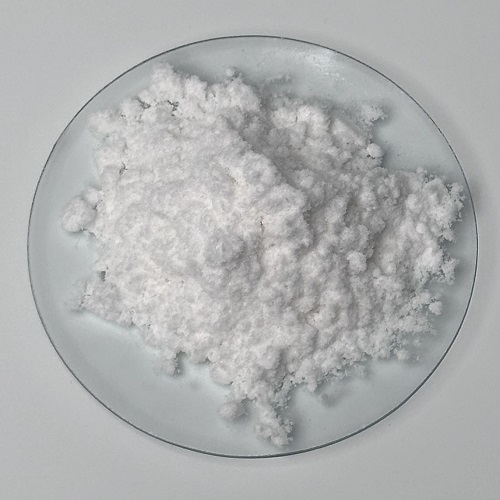
Agricultural magnesium sulfate is a physiologically acidic fertilizer with excellent water solubility. It supports diversified fertilization modes and can be adopted as base fertilizer, top dressing, irrigation fertilizer and foliar fertilizer. Compared with ordinary compound fertilizers lacking magnesium and sulfur, rational application of agricultural magnesium sulfate can effectively boost the growth of fruit trees, rubber trees, tobacco, beans, potatoes, corn, wheat and other food and cash crops, increasing yield by 15%-50%.
This fertilizer boasts wide compatibility. It can be used independently or blended with other fertilizers. It fits traditional field cultivation, high-value crop planting, flower growing and soilless cultivation. It supplies essential magnesium and sulfur elements to crops and helps improve both yield and produce quality.
Standard Application Methods and Dosage Specifications of Agricultural Magnesium Sulfate
There are standard usage standards for magnesium sulfate under different agricultural scenarios:
- Base fertilizer: Mix 10-15kg magnesium sulfate per mu with fully decomposed farm manure or organic fertilizer, spread evenly on soil before ploughing.
- Top dressing: 10-13kg magnesium sulfate per mu for paddy fields; for fruit trees, apply 250-500 grams magnesium sulfate for each tree.
- Foliar spraying concentration varies by crop: 0.5%-1% solution for fruit trees; 0.2%-0.5% for vegetables; 0.3%-0.8% for rice, cotton and corn. Normally 50 to 150 kg liquid will be sprayed per mu.
Practical Skills and Optimal Period for Foliar Spraying of Magnesium Sulfate
Foliar fertilization can quickly relieve magnesium deficiency symptoms on crops, but the nutrient supply period is relatively short. Multiple continuous sprays are required to achieve ideal improvement results.
It is better to carry out foliar application during the early and middle growth period of plants. Farmers need to adjust liquid concentration according to crop varieties and growth stages. Fruit trees absorb magnesium sulfate better during fruiting period, while vegetables, rice and corn are recommended to supplement magnesium at seedling stage. Combined use with organic fertilizer can greatly improve nutrient absorption efficiency.
Application Taboos and Dosage Control of Agricultural Magnesium Sulfate
Magnesium sulfate belongs to medium trace element fertilizer. Excessive application should be strictly avoided.
If preparing liquid fertilizer, the concentration of magnesium sulfate should not exceed 0.5g/L. When used as solid base fertilizer, do not use more than 50kg magnesium sulfate per mu when mixed with 1500kg farm manure. Overdose will hinder normal plant growth and damage fruit quality.
Application of Agricultural Magnesium Sulfate in Animal Husbandry
Magnesium sulfate is also widely used in pasture management. Continuous proper supplementation from early spring to pasture maturity can maintain sufficient magnesium content in forage grass.
Appropriate feed-grade magnesium sulfate can be added to livestock feed and drinking water. It meets the growth needs of cow skin and hair, effectively improving milk yield and milk quality, and bringing higher profits to breeders.
FAQ
Q1: Can agricultural magnesium sulfate be mixed with all types of fertilizers?
A: Mixing with decomposed organic fertilizer gets the best effect. Do not blend it with strong alkaline fertilizer, which will lead to nutrient loss.
Q2: How soon can we see improvements after foliar spraying magnesium sulfate?
A: Foliar absorption takes effect quickly but lasts for a short time. It is suggested to spray 2 to 3 times with an interval of 7-10 days.
Q3: Do all crops need magnesium supplement?
A: Fruit trees, beans and potatoes are magnesium-loving crops with higher demand. Magnesium is easy to run off in continuous cropping farmland, so regular supplementation is necessary.
If you are looking for a reliable supplier of Agricultural Magnesium Sulfate with stable quality and professional support, Tianjin Rongda Fertilizer Co., Ltd. is ready to serve you. Contact us today and find out how our fertilizer solutions can boost your agricultural productivity。
Related News
- Which Magnesium Sulfate Fits Your Ground?
- Can Foliar Spraying Magnesium Sulfate During Fruit Expansion Improve Fruit Sweetness?
- How Do You Judge a Blended Fertilizer Before You Buy It?
- Magnesium Deficiency & Premature Aging in Greenhouse Vegetables: Soil Drench vs Foliar Spray of Magnesium Sulfate
- Which Water-Soluble NPK Formula Fits Each Growth Stage?
- What is the difference between Magnesium Sulfate and Calcium Magnesium Granules? When to Use Them Together?
Leave me a message