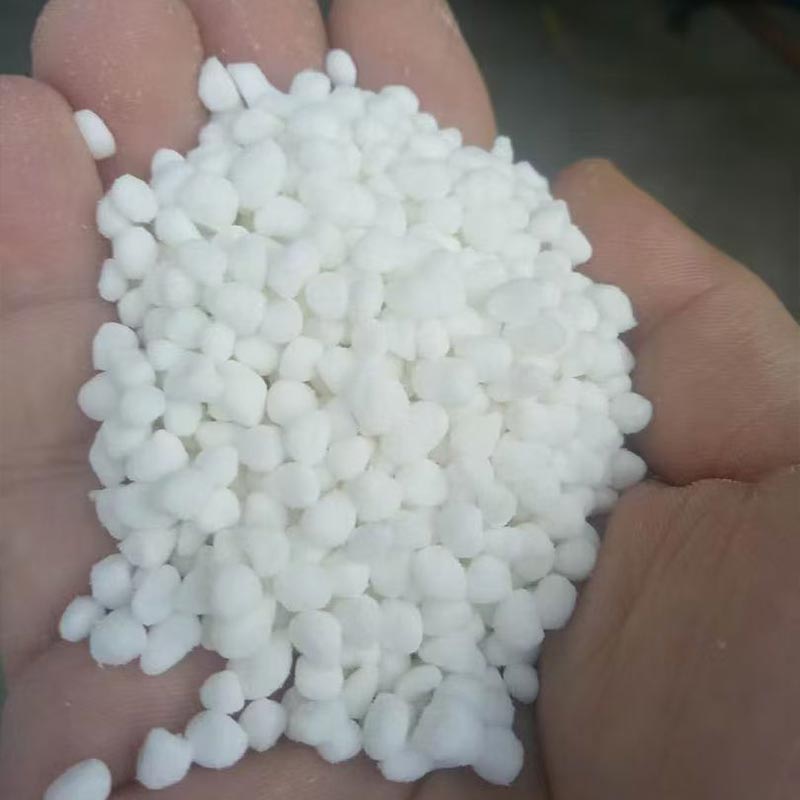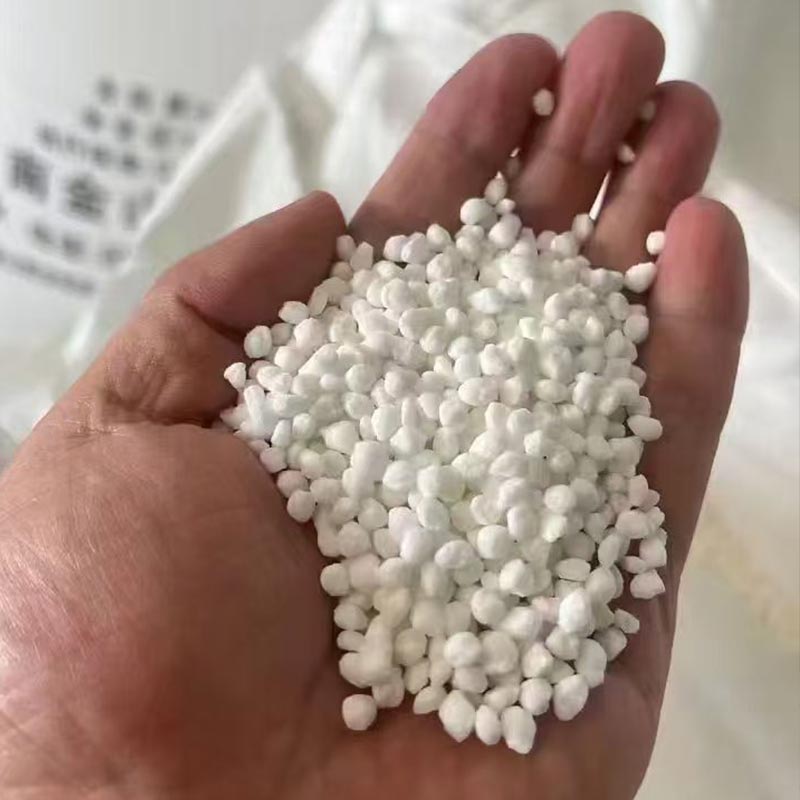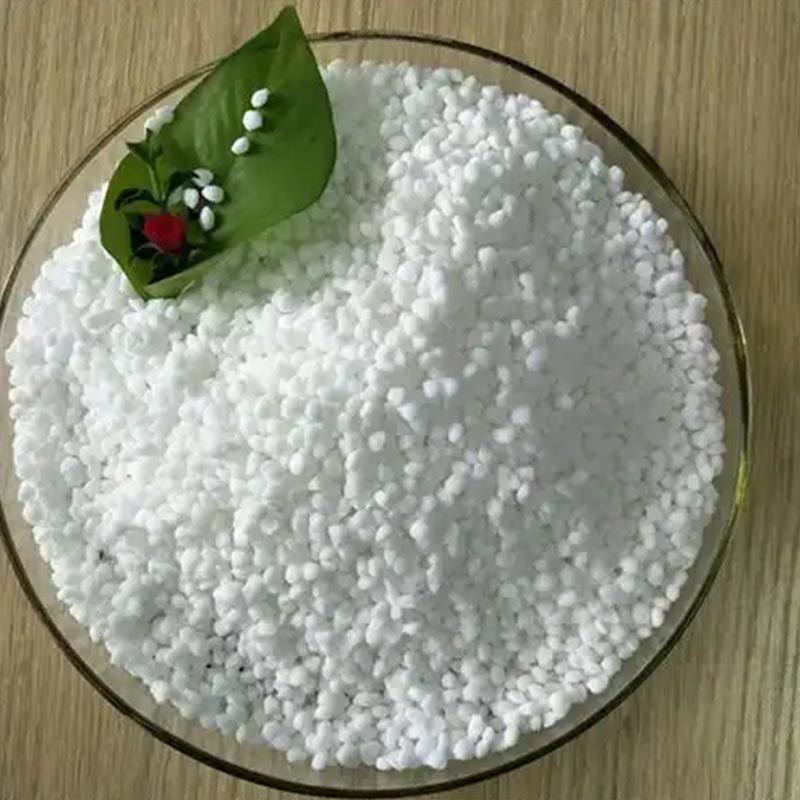

Ammonium Chloride Is Not Recommended for Saline-Alkali Land: Which Soils and Crops Are Suitable for Topdressing with Ammonium Chloride?
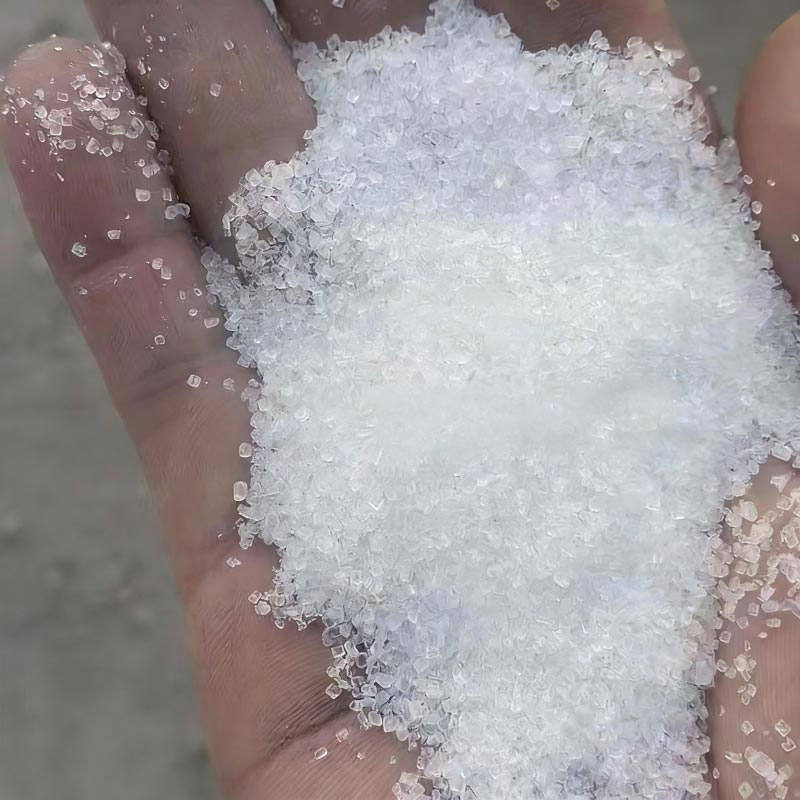
Ammonium chloride is cost-effective quick-acting nitrogen fertilizer widely used in farmland. However, ammonium chloride contains high chloride ions, so applying ammonium chloride on saline-alkali land will easily aggravate soil salinization. This paper analyzes why ammonium chloride is prohibited on saline-alkali land, defines applicable soil and crops for ammonium chloride, and provides standard application methods and taboos of ammonium chloride.

Table of Contents
1. Reasons why ammonium chloride is not recommended for saline-alkali soil
2. Soil conditions suitable for applying ammonium chloride
3. Crops suitable for topdressing with ammonium chloride
4. Standard operation requirements for ammonium chloride topdressing
5. Product advantages of RONGDA ammonium chloride
6. Taboos and notes for applying ammonium chloride
7. Frequently asked questions about ammonium chloride
1. Reasons why ammonium chloride is not recommended for saline-alkali soil
After being applied into soil, ammonium chloride releases abundant chloride ions. Saline-alkali soil is rich in sodium ions and inherent salt. Chloride from ammonium chloride accumulates continuously to lift soil EC value and cause surface salt precipitation, resulting in stunted seedlings and root burn. Alkaline condition leads to volatilization of ammonium nitrogen inside ammonium chloride, reducing fertilizer efficiency and worsening salinization year by year.
2. Soil conditions suitable for applying ammonium chloride
Flooded paddy fields rank first. Sufficient irrigation water washes redundant chloride brought by ammonium chloride downwards to avoid salt accumulation. Neutral and slightly acid upland with smooth drainage is also acceptable, as rainfall leaches chloride from ammonium chloride naturally. Strictly control the dosage of ammonium chloride on calcareous upland; long-term use of ammonium chloride is inadvisable on arid low-lying clay soil.
3. Crops suitable for topdressing with ammonium chloride
Chloride-resistant gramineous crops such as rice, corn and wheat gain ideal effects from ammonium chloride. Chloride in ammonium chloride strengthens fiber toughness of cotton and flax to raise product quality; rapeseed and barley also tolerate chloride inside ammonium chloride. Chlorine-sensitive crops must never receive ammonium chloride to prevent quality degradation and plant poisoning.
4. Standard operation requirements for ammonium chloride topdressing
Use 10-15kg ammonium chloride per mu on dry land and 15-20kg ammonium chloride per mu on paddy fields with frequent low-dose application. Furrow application with soil covering and watering is preferred rather than exposed spreading of ammonium chloride, which causes nitrogen loss. Ammonium chloride cannot serve as seed fertilizer; match organic fertilizer when using ammonium chloride year after year.
5. Product advantages of RONGDA ammonium chloride
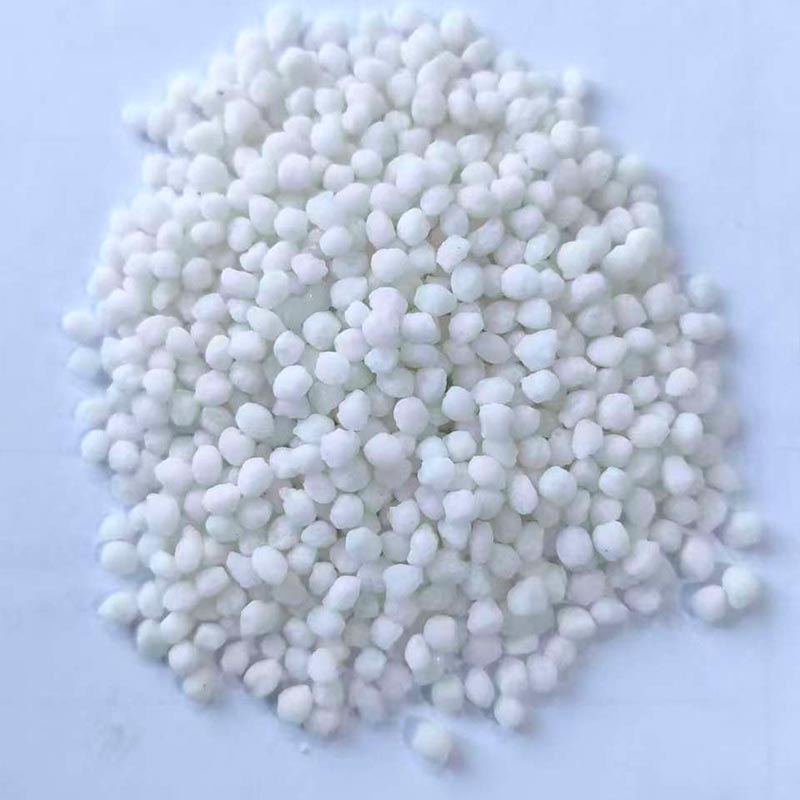
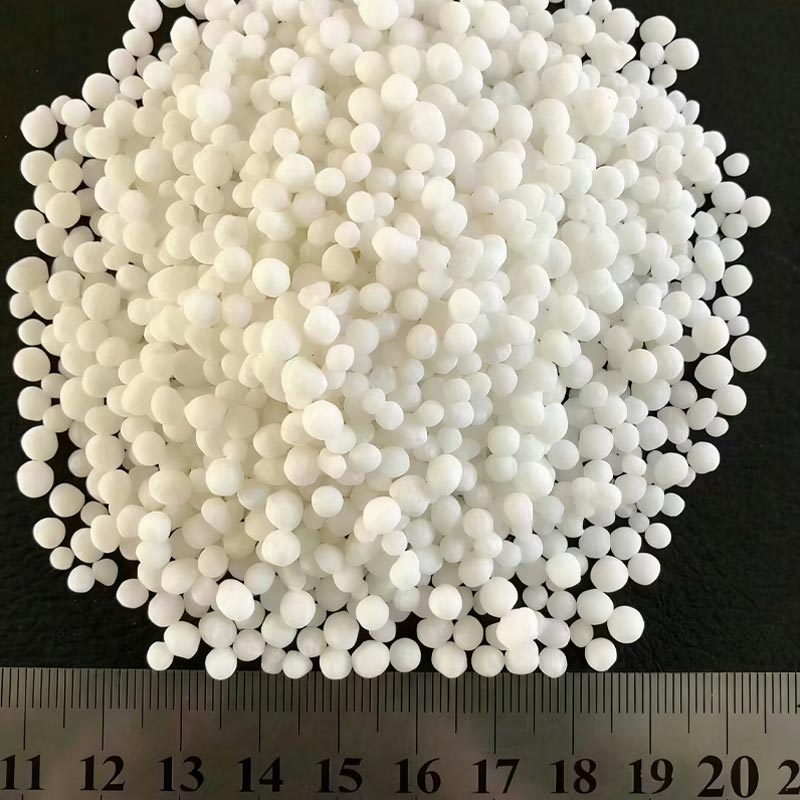
RONGDA agricultural ammonium chloride has stable nitrogen content and excellent solubility without residues. Manual spreading, mechanical fertilization and paddy fertigation of ammonium chloride are all available. This ammonium chloride resists caking with stable quality in storage and transportation. It meets agricultural standards and boasts high cost performance for large-scale field topdressing.
6. Taboos and notes for applying ammonium chloride
Never use ammonium chloride together with alkaline fertilizers such as plant ash and quicklime with an interval over 10 days to stop nitrogen volatilization from ammonium chloride. Cut down the usage of ammonium chloride on drought and waterlogged land; ammonium chloride is totally forbidden on saline-alkali soil. Water the field right after applying ammonium chloride to leach extra chloride.
7. Frequently asked questions about ammonium chloride
Q1: Can we use a small amount of ammonium chloride on mild saline-alkali soil without alternative nitrogen fertilizers?
A: Urea and ammonium sulfate are better choices. If temporary low-dose ammonium chloride has to be used, flush soil with plenty of water. Only one application of ammonium chloride is allowed annually to avoid severe salt damage caused by repeated ammonium chloride application.
Q2: Will long-term application of ammonium chloride acidify paddy soil?
A: Acidification caused by continuous ammonium chloride application proceeds slowly under flooded environment. Annual organic fertilizer application optimizes soil structure and offsets mild acidification brought by ammonium chloride effectively.
8. Conclusion
Ammonium chloride is economical quick-acting nitrogen fertilizer, yet ammonium chloride has strict limits on applicable soil and crops. Avoid ammonium chloride on saline-alkali land, waterlogged dry land and chlorine-sensitive crops. Proper application of ammonium chloride on qualified fields and crops cuts fertilizer cost and supplements nitrogen safely. Rational use of RONGDA ammonium chloride brings satisfying economic benefits for farm planting.
Related News
- How Do Controlled-Release Curves Match Crop Demand?
- Can Magnesium Sulfate Be Used in Saline-Alkali Soil? What Are the Risks of Long-Term Application?
- How Do You Turn a Soil Test into a Blend Sheet?
- How Does Applying Magnesium Sulfate After Grape Harvest Help Bud Burst in the Next Year?
- Which Magnesium Sulfate Fits Your Ground?
- Can Foliar Spraying Magnesium Sulfate During Fruit Expansion Improve Fruit Sweetness?
Leave me a message