
EC, pH and Tank Order: Rules for Water-Soluble Feeding
Water-soluble fertilizer dissolves perfectly and still underperforms - because the tank, not the bag, decides half of fertigation results. Dissolution order, EC targets and pH drift are the three disciplines that separate clean feeding from clogged emitters and locked nutrients. This article sets out the rules in the order they happen at the tank.
In this article
- Dissolution Order
- EC Management
- pH Discipline
- The Honest Limits
- Buying and Using Basics
- Frequently Asked Questions
- Conclusion
Dissolution Order
The tank fills in a sequence, not a pile: half-fill with water first, never powder into an empty tank. Calcium nitrate dissolves alone, completely, in its own vessel; phosphates - MKP and friends - get a second vessel; urea, potassium nitrate, sulfates and the trace-element mix go into the main tank. The streams combine only after dilution, in the irrigation line. The reason is the precipitation table this series keeps returning to: concentrated calcium meeting concentrated phosphate or sulfate drops solids on the spot - and those solids end their lives in an emitter. That is why the industry standard is the two-tank A/B split: A holds calcium nitrate with its iron chelate, B holds phosphates, sulfates, magnesium and the remaining traces.
Tank
Contents
Never mix with
A tank
Calcium nitrate + chelated iron (EDDHA / EDTA)
Phosphates, sulfates
B tank
MKP, potassium sulfate, magnesium sulfate, traces (minus iron), urea
Calcium sources
Mixing point
Diluted in the irrigation line only
Concentrated contact
EC Management
Electrical conductivity is the proxy for total salt load - what the roots actually drink. Targets are crop- and stage-specific: seedlings and dull, cold weeks run low; heavy fruiting load runs higher. The decisive reading is substrate EC - a pour-through sample from the root zone - because the tank EC tells you what you sent, while the substrate tells you what the roots received. Adjust in steps: hot weather and big canopies upward, gray cold spells downward, and never a full jump in one dose.
pH Discipline
Fertigation solution lives in a pH 5.5-6.5 window. Above it, iron, manganese and zinc begin to lock - the same availability cliff as the iron article; below about 5, roots stress and equipment corrodes. Acid corrections are small and measured - phosphoric or nitric acid, always into water first, never into fertilizer concentrate. Alkaline, hard water adds a bicarbonate bill that must be counted before the fertilizer goes in: acid the tank into the window, choose the iron chelate that survives the pH, and let MKP carry the mildly acidic side of the load.
The Honest Limits
Rules do not replace meters: an EC pen and a pH pen cost less than one clogged irrigation set, and guessing is the expensive option. Even perfect order does not excuse maintenance - emitters clog on a schedule of their own, so flushing and periodic acid washes belong on the calendar. And the crop outranks the target numbers: weekly leaf and substrate checks override the spreadsheet, because the numbers are servants of the crop, not its managers.
Buying and Using Basics
- Kit: a calibrated EC and pH pen, and a pour-through sampling routine at the root zone.
- Sequence: half tank of water - A/B dissolution - line mixing - a clear-water flush at the end of each cycle.
- Records: log tank EC and pH against the weather; patterns show up weeks before the crop complains.
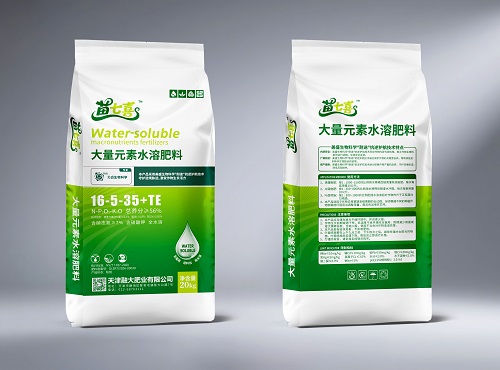
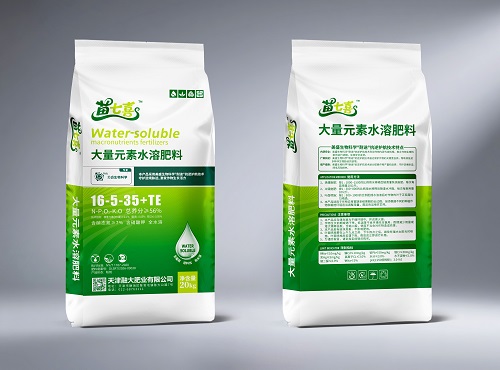
- Packing: water-soluble grades in 25 kg bags, stored dry - the label discipline from the formula article.
Frequently Asked Questions
Q1: Why did my emitters clog despite fully soluble fertilizer?
Concentrated calcium met phosphate or sulfate somewhere in the system, or the product carried insoluble filler. The A/B split prevents the first; the certificate of analysis catches the second.
Q2: What EC should I run?
It is crop- and stage-specific: seedlings and dull weeks run low, heavy fruiting load runs higher. Judge by substrate EC from the root zone, not only by the tank.
Q3: My water is hard and pH 7.8 - what comes first?
Count the bicarbonate bill: acid the tank into the 5.5-6.5 window, pick an iron chelate that survives that pH, and let the tank chemistry settle before the fertilizer goes in.
Q4: Can I prepare a week of stock solution at once?
A/B concentrates, yes - calcium in one drum, phosphates and sulfates in another. Any mixture holding calcium with sulfate or phosphate will sit and precipitate in the drum.
Conclusion
Fertigation is chemistry on a timer: dissolution order protects the line, EC discipline protects the roots, and pH discipline protects every micronutrient you paid for. Three habits at the tank - and the most precise fertilizer you can buy finally delivers precisely.
If you are looking for a reliable fertilizer supplier that offers consistent quality and professional support, Tianjin Rongda Fertilizer Co., Ltd. is ready to help. Contact us today to learn how our fertilizer solutions can improve your agricultural productivity.
Related News
- Which Starter Fertilizer Is Safe for Seedlings and Young Transplants?
- Can Calcium Magnesium Granules Be Foliar Sprayed for Magnesium Deficiency Causing Yellow Old Leaves in Fruit Trees?
- When Does Foliar Feeding Beat Soil Application for Crop Nutrition?
- When to Apply Calcium Magnesium Granules for Fast Relief from Blossom-End Rot in Tomatoes
- Why Does Soil pH Decide Which Fertilizer Works Best on Your Field?
- Why Are Calcium Magnesium Granules More Reliable for Fruit Cracking Prevention Than Single Calcium Fertilizers for Calcium Supplementation?
Leave me a message
New Products



News Recommendations