
Can Calcium Magnesium Granules Be Foliar Sprayed for Magnesium Deficiency Causing Yellow Old Leaves in Fruit Trees?
Yellowing along leaf margins and interveinal chlorosis on old leaves are typical signs of magnesium deficiency in orchards. Many growers, spotting yellow leaves, intend to dissolve Rongda calcium magnesium granules for foliar spray to rescue foliage quickly. However, calcium magnesium granules are granular soil conditioners. Most growers are unclear whether they suit foliar application, as well as the correct emergency treatment for magnesium deficiency. This article explains product properties, spraying risks, alternative solutions and basal dressing timetables, helping growers distinguish between long-term soil supplementation and fast foliar rescue to correct magnesium chlorosis efficiently.
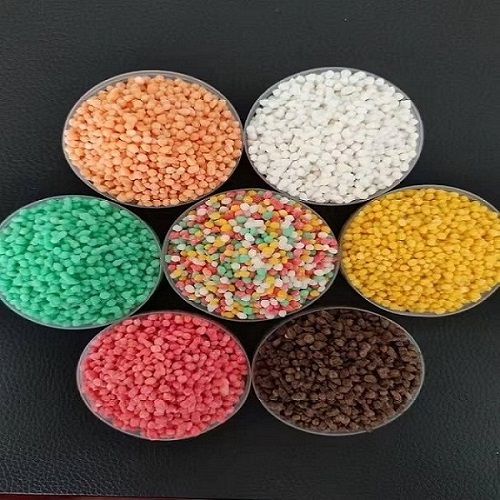
Table of Contents
1. Why Yellow Old Leaves Usually Indicate Magnesium Deficiency
2. Composition & Nutrient Release of Rongda Calcium Magnesium Granules
3. Are Calcium Magnesium Granules Suitable for Foliar Spraying?
4. Emergency Plan for Severe Magnesium Deficiency
5. Best Timing for Basal Application for Long-Term Control
6. Common Mistakes When Correcting Magnesium Deficiency
1. Why Yellow Old Leaves Usually Indicate Magnesium Deficiency
Magnesium is a mobile nutrient. When fruit trees lack magnesium, nutrients are prioritized for new shoots, so old leaves show interveinal chlorosis and marginal scorch first. This symptom differs distinctly from iron or zinc deficiency, which mainly affects new leaves.
Untreated magnesium deficiency breaks down chlorophyll, weakens photosynthesis, reduces stored tree nutrients, weakens flower buds in the next season, limits fruit swelling and lowers fruit quality. Many growers rush to spray foliar fertilizers once yellow leaves appear, yet the wrong product wastes cost and delivers little effect.
2. Composition & Nutrient Release of Rongda Calcium Magnesium Granules
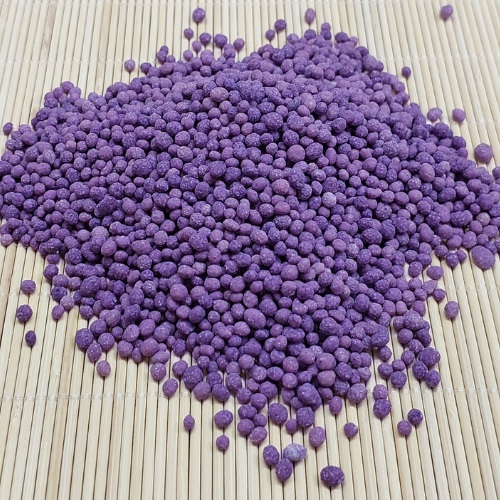
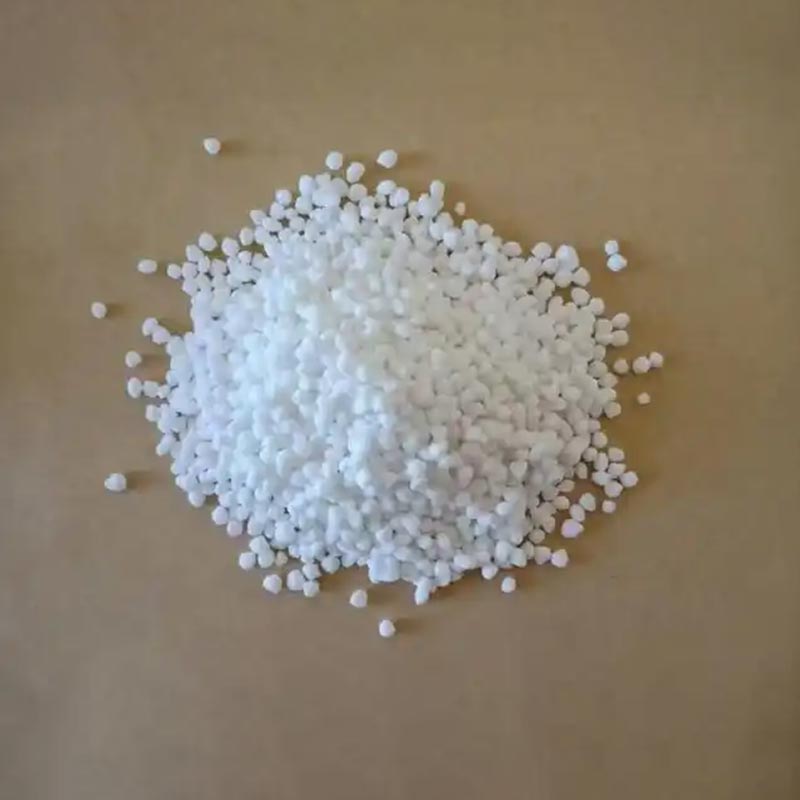
Rongda calcium magnesium granules are slow-release soil conditioners made of calcium carbonate and magnesium carbonate.
They are designed to be incorporated into soil. With moisture and microbial activity, they decompose gradually to release available calcium and magnesium and gently neutralize soil acidity, improving the root zone. They are not formulated as fully water-soluble foliar fertilizers and contain insoluble residues.
3. Are Calcium Magnesium Granules Suitable for Foliar Spraying?
Foliar spraying with dissolved Rongda calcium magnesium granules is not recommended.
First, poor solubility leaves plenty of sediment, which easily clogs spray nozzles. Residues sticking to leaves block stomata and raise the risk of sooty mold.
Second, nutrient uptake is extremely low. Calcium carbonate and magnesium carbonate can barely penetrate leaf surfaces. Even if sprayed on foliage, only a tiny fraction of magnesium becomes available, which cannot reverse yellowing rapidly.
Third, its high pH may burn leaf epidermis and leave spots if concentration is not well controlled.
In short: Rongda calcium magnesium granules are made for soil application, including basal dressing, furrow application and broadcasting, to build long-term calcium and magnesium reserves. They are not emergency foliar fertilizers.
4. Emergency Plan for Severe Magnesium Deficiency
When plenty of old leaves turn yellow, adopt the strategy: fast foliar rescue + long-term soil amendment.
· Foliar emergency treatment: Use fully water-soluble magnesium fertilizers such as magnesium sulfate or chelated magnesium. Spray mainly on the back of old leaves for 2 to 3 times at 7–10 day intervals to halt the spread of chlorosis;
· Long-term soil supply: Apply Rongda calcium magnesium granules by broadcasting or furrow application to continuously feed roots and prevent recurring deficiency next year;
· Supporting measure: For acidic soil, Rongda calcium magnesium granules also raise pH moderately and boost availability of native magnesium in soil.
5. Best Timing for Basal Application for Long-Term Control
To stop repeated magnesium deficiency, seize two prime application windows.
· Top choice: Basal fertilization after harvest. Before leaf fall, fruit trees have an active root absorption phase. Applying Rongda calcium magnesium granules stores nutrients inside the tree for flowering and fruit setting in the coming year;
· Alternative: Before spring bud break, for growers who miss post-harvest dressing.
Recommended dosage: 50–80 kg per mu, adjusted according to soil acidity and tree age.
6. Common Mistakes When Correcting Magnesium Deficiency
First, do not expect fast re-greening by dissolving granules for spray. It rarely works and may damage leaves and spray equipment.
Second, foliar spray alone cannot solve the root problem. It only relieves symptoms for the current season; magnesium deficiency will return if soil reserves remain low.
Third, excessive quicklime for acid correction inhibits magnesium uptake. For acidic orchards, Rongda calcium magnesium granules are the gentler option.
Fourth, avoid overuse of potassium fertilizer, since high potassium antagonizes magnesium absorption. Balanced nutrition is essential.
Conclusion
Rongda calcium magnesium granules are not suitable for foliar spraying. If old leaves show typical magnesium-deficiency yellowing, apply water-soluble magnesium fertilizer on foliage for rapid relief, and furrow apply Rongda calcium magnesium granules to improve soil and sustain magnesium supply. Foliar products serve emergency correction, while granular conditioners build stable long-term nutrition. Combined use effectively eliminates recurring magnesium deficiency, maintains vigorous trees and protects fruit yield and quality.
Related News
- Which Starter Fertilizer Is Safe for Seedlings and Young Transplants?
- When Does Foliar Feeding Beat Soil Application for Crop Nutrition?
- When to Apply Calcium Magnesium Granules for Fast Relief from Blossom-End Rot in Tomatoes
- Why Does Soil pH Decide Which Fertilizer Works Best on Your Field?
- Why Are Calcium Magnesium Granules More Reliable for Fruit Cracking Prevention Than Single Calcium Fertilizers for Calcium Supplementation?
- Powder or Liquid? Choosing the Right Water-Soluble Fertilizer Format
Leave me a message
New Products
News Recommendations