
When to Apply Calcium Magnesium Granules for Fast Relief from Blossom-End Rot in Tomatoes
Tomato blossom-end rot is a stubborn greenhouse problem. Dark, sunken lesions on the fruit render tomatoes unmarketable. Many growers spray calcium urgently once symptoms appear yet gain limited results. Rongda calcium magnesium granules, slow-release secondary nutrient soil conditioners, work well for blossom-end rot prevention. Growers often ask: when is the best time to apply calcium magnesium granules for faster results while blossom-end rot is prevalent? This article explains the root causes of blossom-end rot, lists prime application windows, remedial strategies and practical tips to lower disease pressure and secure yields.

Table of Contents
1. Is Blossom-End Rot Simply Caused by Calcium Deficiency?
2. Nutrient Release Features of Rongda Calcium Magnesium Granules
3. Timing for the Fastest Response
4. Can You Apply Them After Symptoms Show Up?
5. Supporting Management to Boost Control Effect
6. Common Application Mistakes
1. Is Blossom-End Rot Simply Caused by Calcium Deficiency?
Most growers attribute blossom-end rot purely to calcium shortage, which is only the surface symptom. The real trigger is disrupted calcium translocation to the blossom end of young fruits.
Drought, sharp moisture shifts, weak root activity, excessive nitrogen and magnesium deficiency all block calcium uptake and movement inside plants. Magnesium sustains photosynthesis and steady nutrient transport. Without enough magnesium, even if calcium exists in the soil, it struggles to reach young fruits. Foliar calcium sprays applied too late often bring only temporary relief.
2. Nutrient Release Features of Rongda Calcium Magnesium Granules
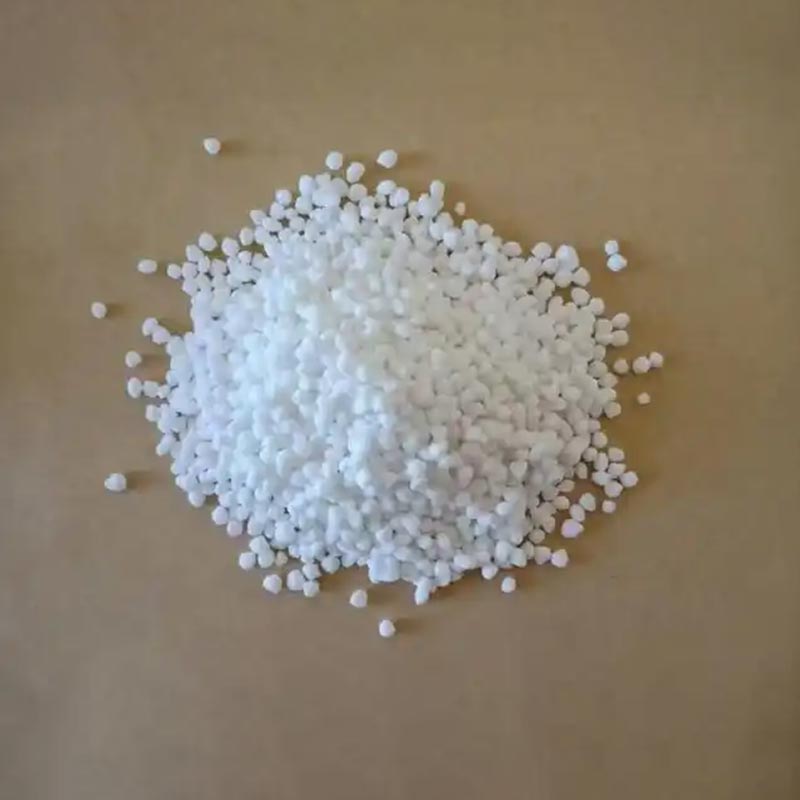
Rongda calcium magnesium granules are slow-release soil conditioners with long nutrient supply cycles. They cannot deliver calcium to fruits within days like chelated foliar calcium, yet they steadily release available calcium and magnesium, improve acidic soil, invigorate roots and remove barriers for nutrient absorption, continuously feeding tomato plants and lowering the risk of calcium shortage in young fruits.
Keep this key point in mind: calcium magnesium granules are built for prevention rather than emergency rescue once rot appears. For best performance, apply them at the right time and leave enough time for nutrient conversion.
3. Timing for the Fastest Response
To achieve the fastest and most reliable control with Rongda calcium magnesium granules, focus on these two golden application windows.
First window: Basal application before transplanting (top choice)
This delivers the overall best result. Spread or furrow apply Rongda calcium magnesium granules during land preparation before transplanting, then mix evenly into the plow layer. Nutrients release gradually ahead of planting. Once seedlings take root, they can absorb calcium and magnesium continuously. By the time the first cluster sets fruit and expands rapidly, the plant already stores abundant calcium and magnesium, greatly cutting blossom-end rot risk on the first truss.
Recommended dosage: 60–80 kg per mu, adjusted according to soil acidity.
Second window: Furrow application before blooming of the first truss
If you miss basal dressing, apply before the first flower cluster opens. This is a critical nutrient accumulation stage. There is still enough time for nutrient uptake and translocation before young fruits form. Dig shallow furrows between rows, apply granules, cover with soil and water. Keep a safe distance from the main root system to avoid root burn.
If you delay until young fruits have already set, nutrient uptake will lag behind rapid fruit development, and the protective effect drops significantly.
4. Can You Apply Them After Symptoms Show Up?
Once you spot rotted fruits, applying Rongda calcium magnesium granules alone cannot save the current damaged fruits. Still, application is worthwhile to protect newly set fruits and stop further spread.
Remedy combination for infected crops:
· Soil: Apply Rongda calcium magnesium granules for long-term soil and root improvement;
· Foliage: Spray chelated calcium repeatedly for emergency calcium supply to young fruits;
· Water control: Keep stable soil moisture and avoid drastic wet-dry swings.
5. Supporting Management to Boost Control Effect
Fertilizer alone cannot guarantee success. Field management heavily influences the final outcome.
· Balanced fertilization: Limit excessive nitrogen, especially nitrate nitrogen, which suppresses calcium uptake;
· Stable watering: Light and frequent irrigation instead of flood irrigation or prolonged drought;
· Root protection: Prevent root injury, as damaged roots are a major cause of poor calcium absorption;
· Soil amendment: For acidic soil, Rongda calcium magnesium granules gently raise pH and improve calcium availability.
6. Common Application Mistakes
First, do not rely on calcium magnesium granules to rescue fruits after blossom-end rot appears. Its slow-release nature means it cannot act as a fast emergency treatment. Late application rarely saves infected fruits.
Second, avoid piling granules directly around roots. High local concentration burns roots and worsens the disorder.
Third, do not mix directly with strong acid fertilizers or high-phosphorus fertilizers, which immobilize calcium and reduce fertilizer efficiency.
Fourth, calcium magnesium granules should not be used as the only measure. Pair them with foliar calcium sprays during fruit swelling for maximum prevention.
Conclusion
For the fastest effect against tomato blossom-end rot, apply Rongda calcium magnesium granules as basal fertilizer before transplanting. If you miss this window, complete furrow application before the first truss blooms to build nutrient reserves. It excels at building a long-term calcium supply system and solving calcium uptake and translocation problems from the root. When disease breaks out, combine it with fast-acting foliar calcium to protect new fruits while improving soil over time.
Early nutrient planning plus stable greenhouse water and fertilizer management effectively reduce blossom-end rot, cut fruit loss and raise profits for the whole growing season.
Related News
- Which Starter Fertilizer Is Safe for Seedlings and Young Transplants?
- Can Calcium Magnesium Granules Be Foliar Sprayed for Magnesium Deficiency Causing Yellow Old Leaves in Fruit Trees?
- When Does Foliar Feeding Beat Soil Application for Crop Nutrition?
- Why Does Soil pH Decide Which Fertilizer Works Best on Your Field?
- Why Are Calcium Magnesium Granules More Reliable for Fruit Cracking Prevention Than Single Calcium Fertilizers for Calcium Supplementation?
- Powder or Liquid? Choosing the Right Water-Soluble Fertilizer Format
Leave me a message
New Products


News Recommendations