
Why Does Soil pH Decide Which Fertilizer Works Best on Your Field?
Ask two growers about the same bag of fertilizer and you can hear two opposite reports - and the difference usually starts with soil pH. The pH number decides which nutrients stay available, which ones get locked away, and whether an amendment heals the ground or quietly makes it worse. This article explains the mechanism and shows how to match products to the test result.
In this article
One Field, Two Opposite Answers
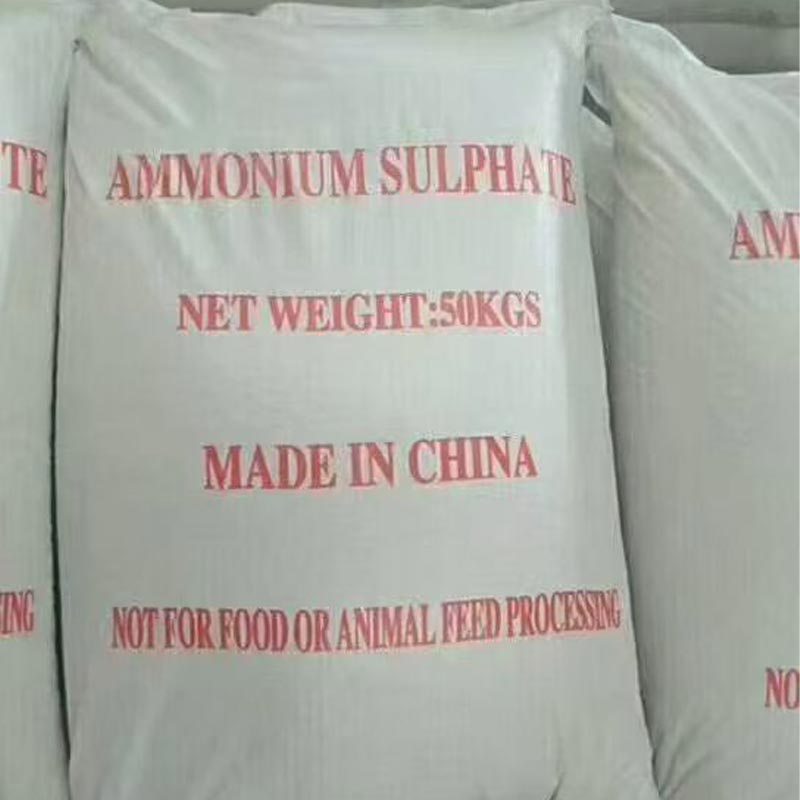
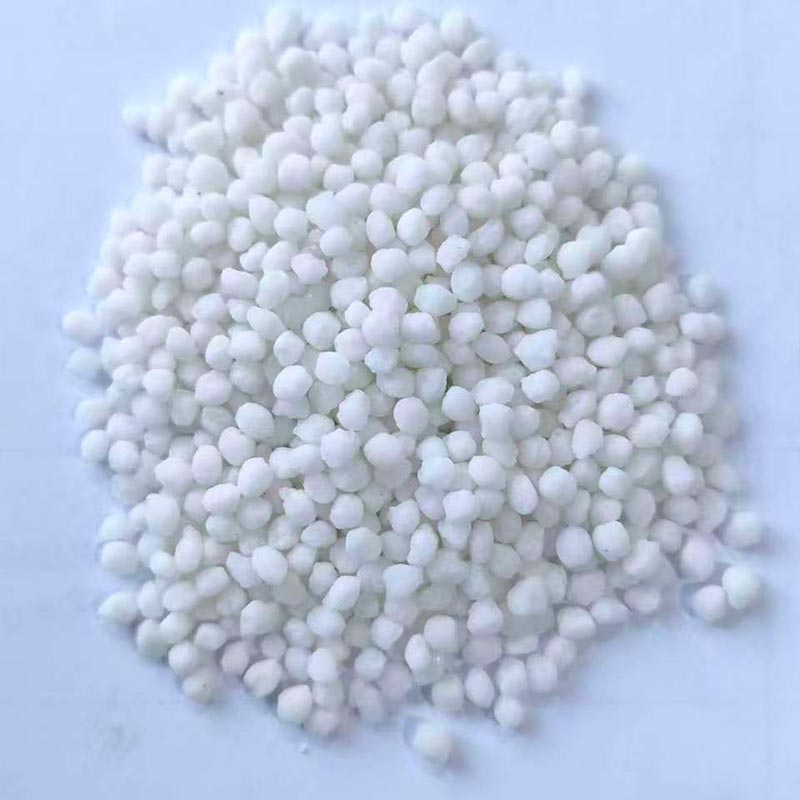
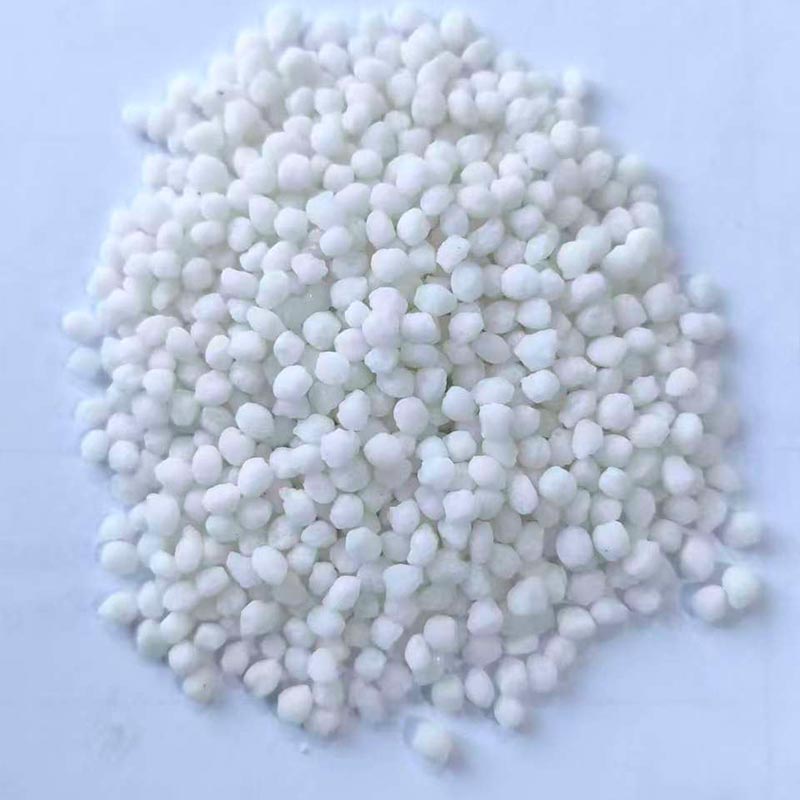
On alkaline, calcareous fields - common across Central Asia, northern China and the Mediterranean - phosphorus and micronutrients such as zinc and iron react with free calcium and settle into unavailable forms. Here, mildly acidifying ammonium fertilizers do double duty: they feed the crop and gradually unlock what the soil pH has sealed away. Ammonium sulfate is the textbook choice, valued for 21% nitrogen, 24% sulfate sulfur and a gentle acidifying action.
On acidic ground the same product works against you. Pushing more acidity into a field already at pH 5.0 drives exchangeable aluminum and manganese toward toxicity and starves roots. The priority there is correction first - lime to raise pH - and nitrogen sources chosen for a lighter acid load.
What Each Tool Actually Does
- Ammonium sulfate (21-0-0-24S) feeds nitrogen and sulfur and acidifies mildly - an ally on alkaline ground, a burden on acidic ground.
- Ammonium chloride (about 25% N) carries strong physiological acidity plus chloride - a paddy and plantation tool that needs drainage water to move the chloride.
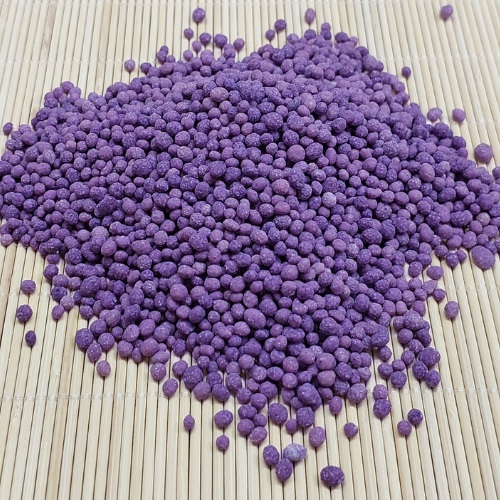
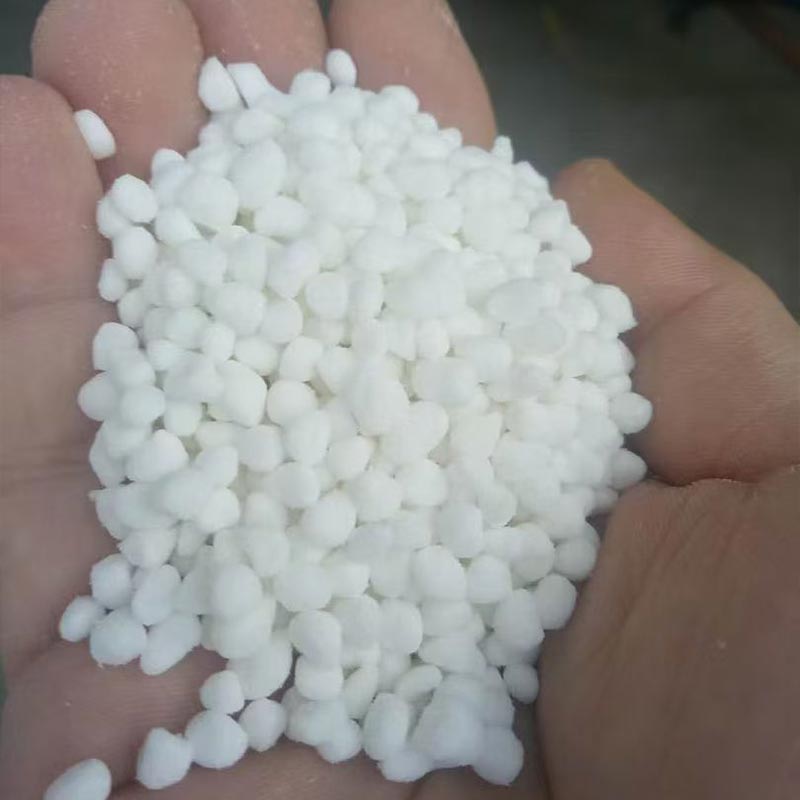
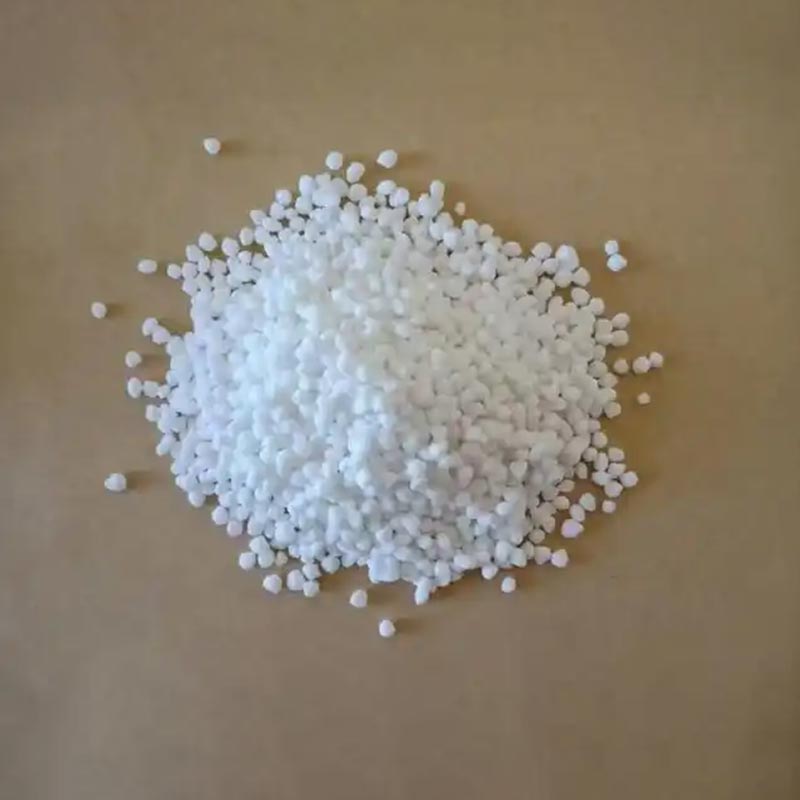
- Calcium-magnesium granules feed calcium and magnesium and neutralize mildly - nutrition first, gentle pH relief second, measured in tens of kilograms rather than tons.
- Agricultural lime is the pH machine itself, measured in tons, with little nutrient delivery of its own.
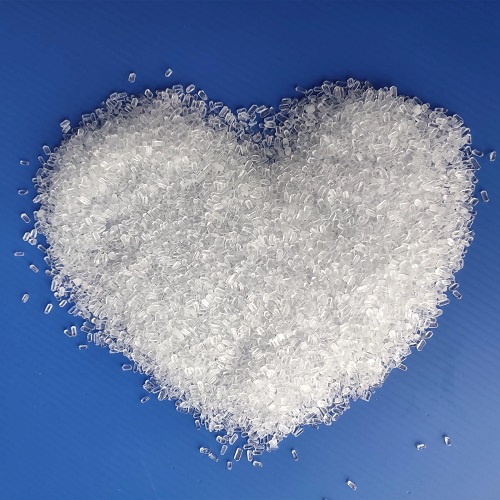
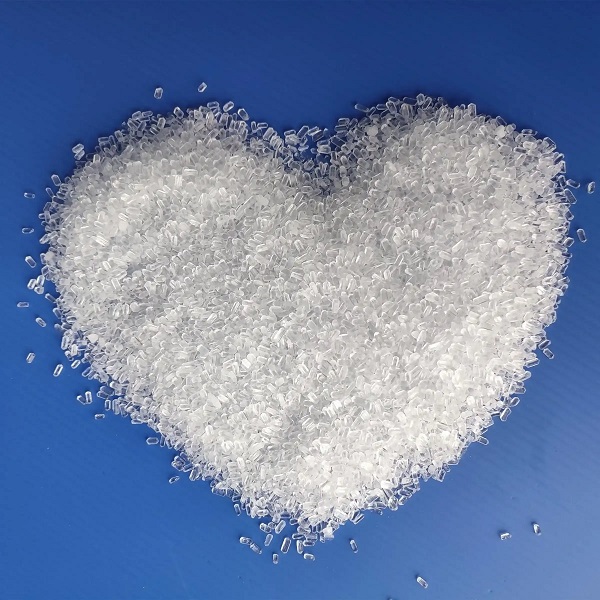
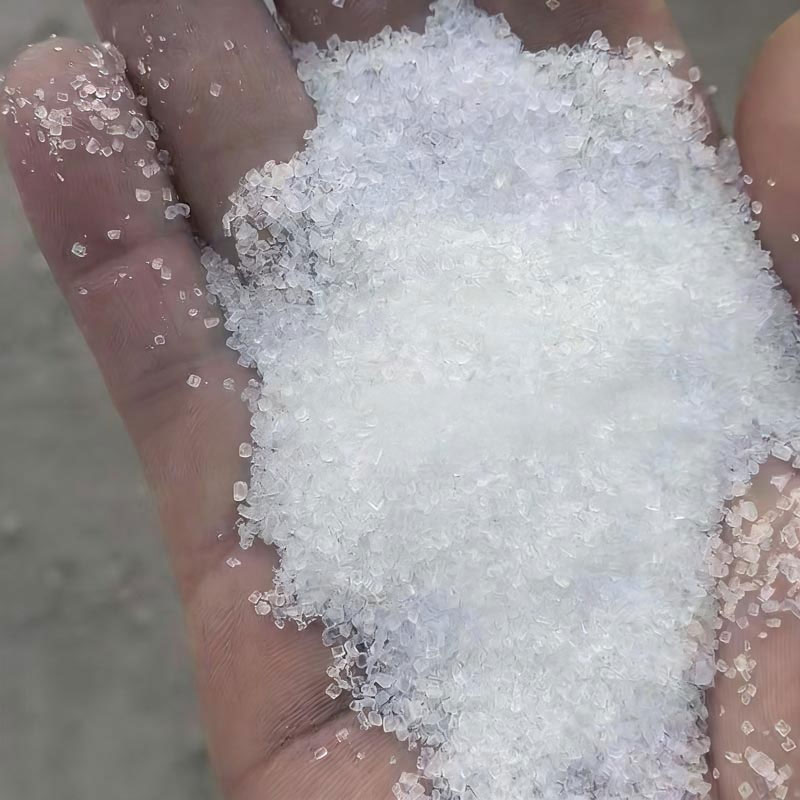
- Magnesium sulfate suits acidic sandy ground where magnesium runs short; magnesium sulfate heptahydrate dissolves fast enough for both soil and foliar use.
Match the Bag to the Test
The sequence that works: test first - pH, EC and organic matter together - correct what is structurally wrong, then choose the nitrogen form and the magnesium-potassium balance the crop needs. A field at pH 7.8 and a field at pH 5.4 can both be short of magnesium, but each gets it through a different door, which is why our magnesium sulfate range ships with declared MgO and application notes instead of one answer for all. Re-test every one to two seasons: soil pH drifts slowly, and the cheapest correction is always the early one.
If you are looking for a reliable fertilizer supplier that offers consistent quality and professional support, Tianjin Rongda Fertilizer Co., Ltd. is ready to help. Contact us today to learn how our fertilizer solutions can improve your agricultural productivity.
Related News
- Which Starter Fertilizer Is Safe for Seedlings and Young Transplants?
- Can Calcium Magnesium Granules Be Foliar Sprayed for Magnesium Deficiency Causing Yellow Old Leaves in Fruit Trees?
- When Does Foliar Feeding Beat Soil Application for Crop Nutrition?
- When to Apply Calcium Magnesium Granules for Fast Relief from Blossom-End Rot in Tomatoes
- Why Are Calcium Magnesium Granules More Reliable for Fruit Cracking Prevention Than Single Calcium Fertilizers for Calcium Supplementation?
- Powder or Liquid? Choosing the Right Water-Soluble Fertilizer Format
Leave me a message
New Products
News Recommendations