
Why Do Rice Growers Keep Choosing Ammonium Chloride?
In many of the world's rice bowls, ammonium chloride has held its ground against trendier nitrogen sources for decades. That is not nostalgia - it is chemistry and economics working in the paddy's favor. This article explains what AC actually offers, which crops agree with it, and where it should stay out of the fertilizer plan.
In this article
- What Exactly Is Ammonium Chloride?
- Why It Suits Paddies - and a Few Other Crops
- The Honest Limits
- Buying and Handling Basics
- Frequently Asked Questions
- Conclusion
What Exactly Is Ammonium Chloride?
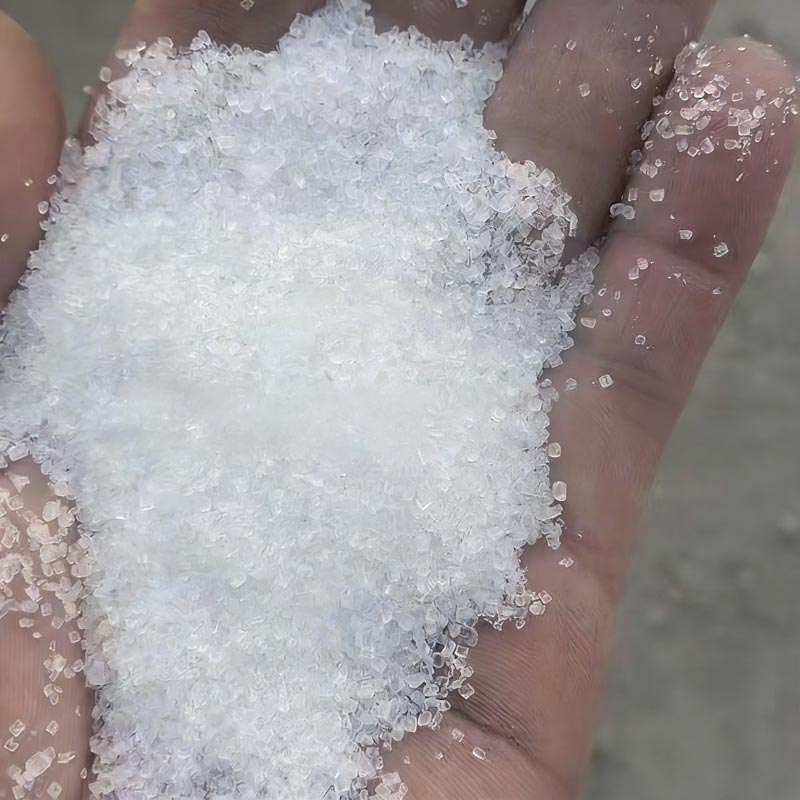
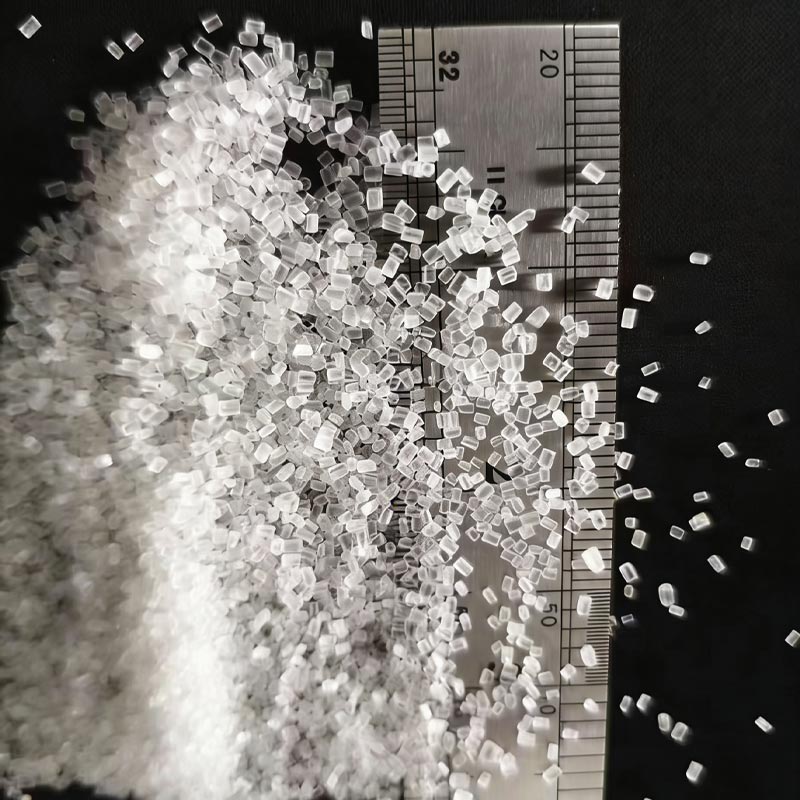
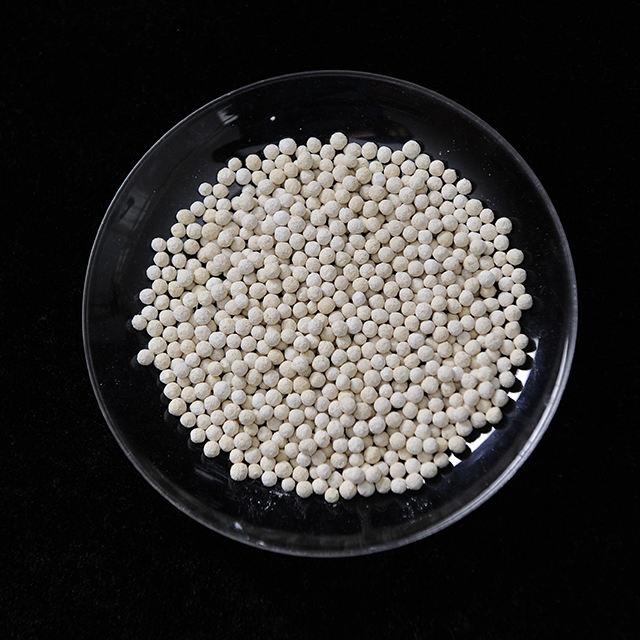
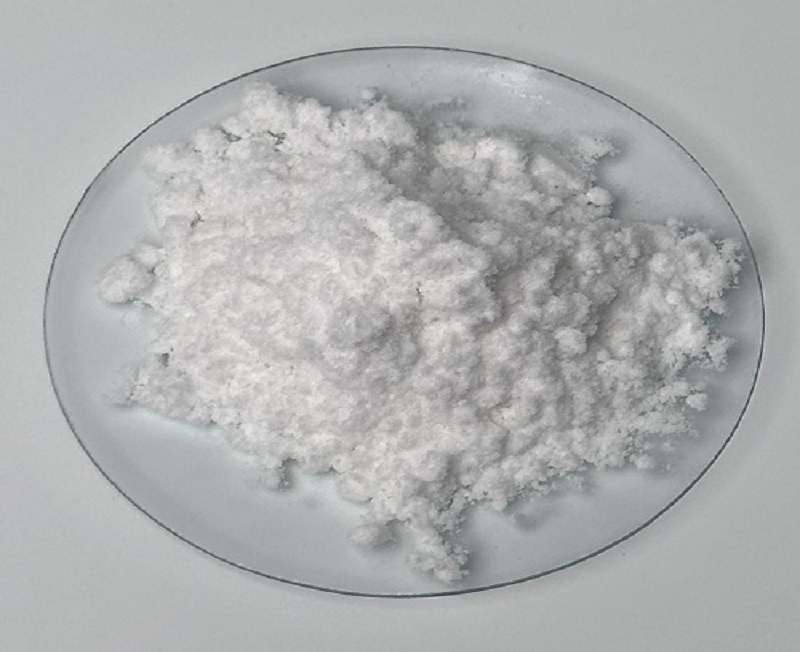
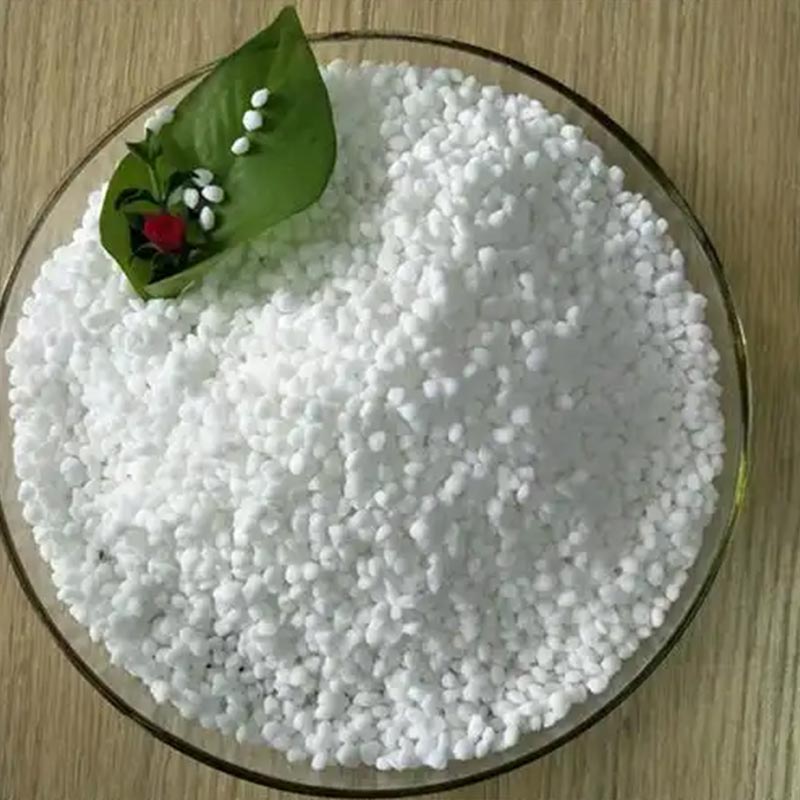
Ammonium chloride (AC) is a white, free-flowing crystalline nitrogen fertilizer carrying roughly 25% nitrogen - all of it in ammonium form - together with about 66% chloride. In most producing countries it is co-produced with the soda ash industry, which is why it consistently ranks among the most affordable sources of nitrogen per unit.
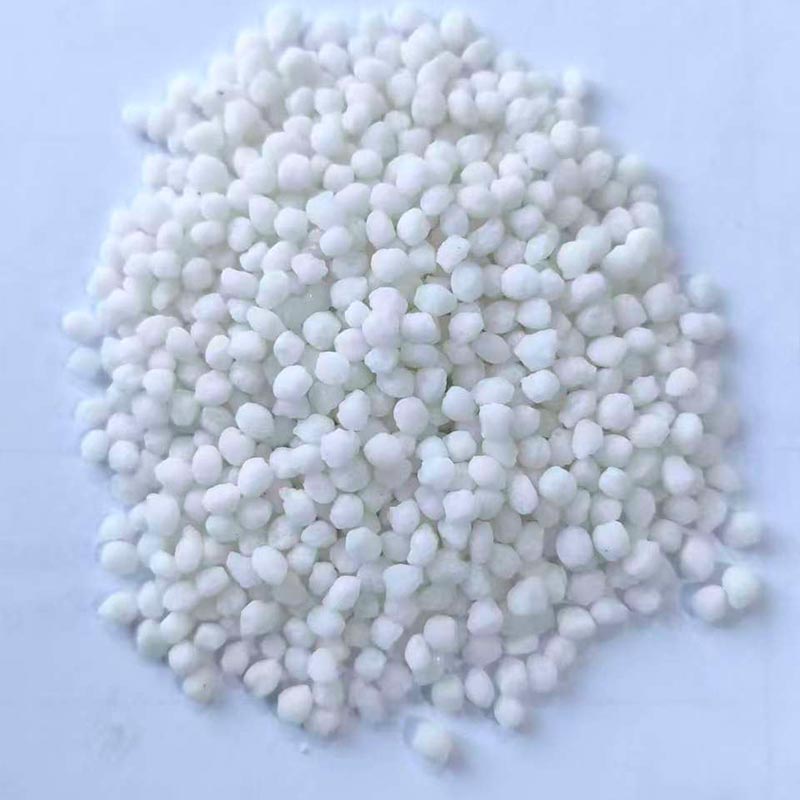
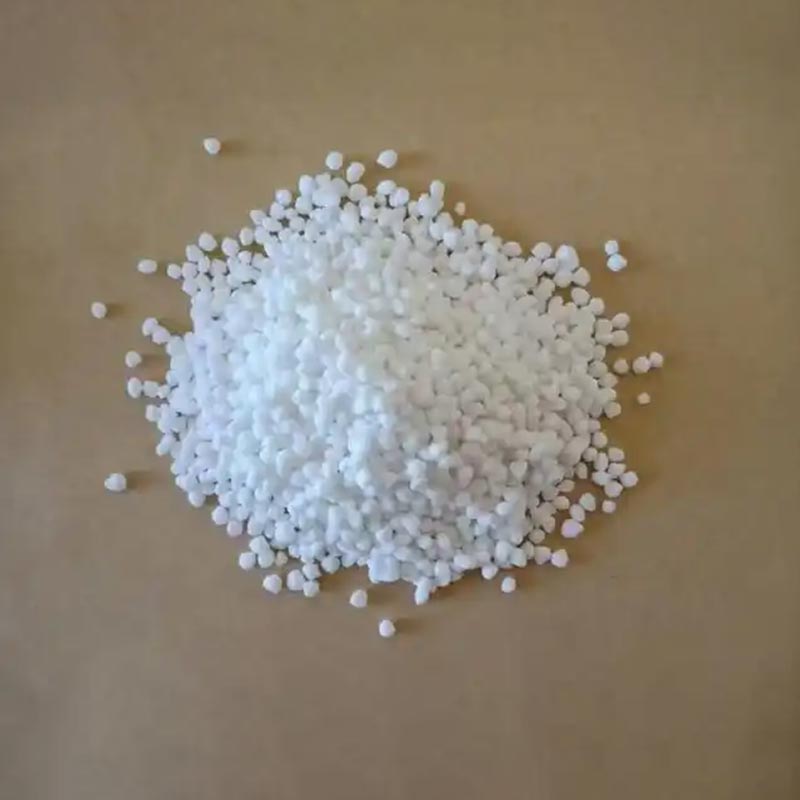
Being 100% ammonium-N matters in wet systems: the nutrient is held on soil particles instead of washing away with irrigation water. Like ammonium sulfate, AC is physiologically acidic, which is often welcome on alkaline soils. A reference product is agricultural ammonium chloride fertilizer, supplied in woven bags or jumbo bags.
Why It Suits Paddies - and a Few Other Crops
Flooded rice is the classic fit. A paddy's warm, waterlogged soil loses nitrate nitrogen to denitrification and leaching, but ammonium-N stays put - and AC delivers nothing but ammonium. The chloride partner is not dead weight either: chloride is itself an essential micronutrient, involved in osmotic regulation and photosynthesis, and crops such as kiwifruit, oil palm, coconut and sugar cane are known chloride responders.
|
Crop |
Chloride response |
AC fit |
|
Flooded rice |
High tolerance |
Classic choice - ammonium-N persists in paddy soil |
|
Oil palm / coconut |
Responsive |
Widely used where chloride is not excessive |
|
Sugar cane |
Tolerant |
Cost-effective N for high-biomass cycles |
|
Kiwifruit |
Responsive |
Chloride supports vigor on deficient sites |
|
Wheat / maize |
Moderate |
Suitable on non-saline soils with drainage |
|
Tobacco, potato, grape, citrus |
Sensitive |
Avoid - use sulfate-based sources instead |
The Honest Limits
Three boundaries keep AC on the right side of its economics. First, saline and alkali soils: chloride adds salt pressure exactly where salt is already the problem, so keep it off those fields. Second, chloride-sensitive crops - tobacco quality, potato tuber quality and many fruit crops suffer when chloride accumulates. Third, acidity: like other ammonium sources, AC is acidifying over time, so pair it with your liming program on acidic ground.
Buying and Handling Basics
- Appearance: clean white crystals, free-flowing, no caking - a quick proxy for process control.
- Storage: keep dry and covered; like all ammonium salts it absorbs moisture in humid warehouses.
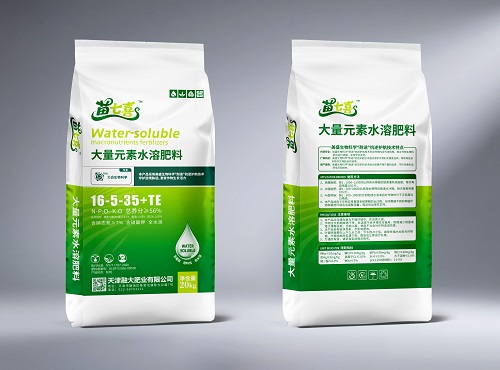
- Blending: mixes readily with urea, DAP and MOP for BB programs - one reason it is a common AC-based blend component for rice formulas.
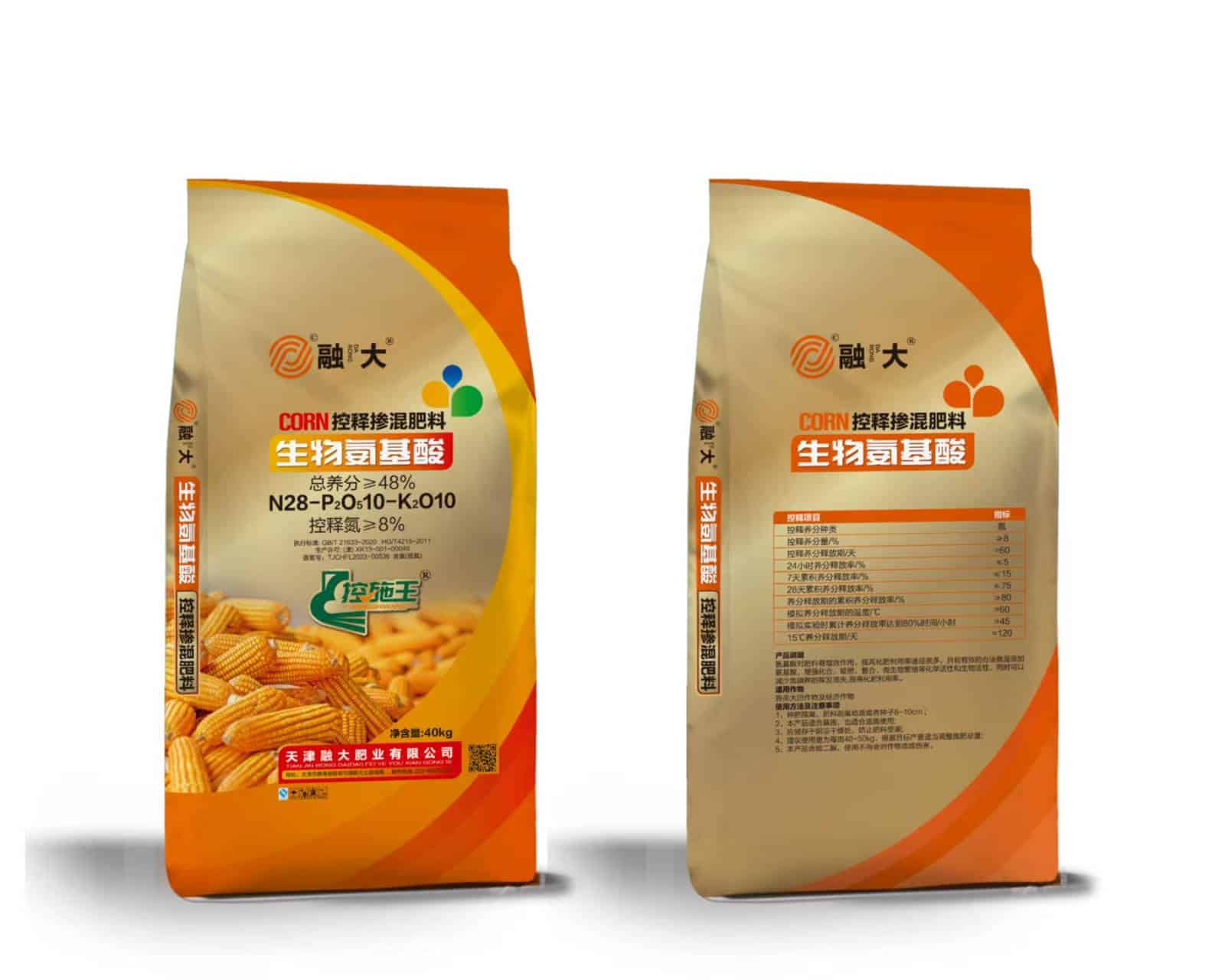
- Packing: 25/50 kg woven bags or 500/1000 kg jumbo bags for export.
Frequently Asked Questions
Q1: Why is it cheaper than ammonium sulfate or urea?
Supply structure. AC is co-produced in enormous volumes alongside soda ash, so its cost base is fundamentally lower. On chloride-tolerant crops, that price gap is pure margin over other nitrogen sources.
Q2: Does the chloride harm the soil over time?
Not when rates are managed and rainfall or irrigation can move chloride below the root zone. The exceptions are saline-alkali soils and poorly drained fields - there, chloride accumulates and the recommendation flips to sulfate sources.
Q3: Is chloride ever beneficial?
Yes. Chloride is an essential micronutrient, and research has documented suppression of certain cereal diseases on chloride-sufficient crops. On deficient sites, AC is the most economical way to close that gap.
Q4: What packing options are available?
Standard export packing is 25 kg or 50 kg woven bags with inner lining, or 500/1000 kg jumbo bags. Private-label bag printing is available for distributor programs.
Conclusion
Ammonium chloride wins its place the old-fashioned way: it fits the crop, the water regime and the budget all at once. On paddies and other chloride-tolerant systems it remains one of the most sensible nitrogen decisions a grower can make - as long as sensitive crops and salty soils are left to other sources.
If you are looking for a reliable fertilizer supplier that offers consistent quality and professional support, Tianjin Rongda Fertilizer Co., Ltd. is ready to help. Contact us today to learn how our fertilizer solutions can improve your agricultural productivity.
Related News
- Which Magnesium Sulfate Fits Your Ground?
- Can Foliar Spraying Magnesium Sulfate During Fruit Expansion Improve Fruit Sweetness?
- How Do You Judge a Blended Fertilizer Before You Buy It?
- Magnesium Deficiency & Premature Aging in Greenhouse Vegetables: Soil Drench vs Foliar Spray of Magnesium Sulfate
- Which Water-Soluble NPK Formula Fits Each Growth Stage?
- What is the difference between Magnesium Sulfate and Calcium Magnesium Granules? When to Use Them Together?
Leave me a message