
Why Are Calcium Magnesium Granules More Reliable for Fruit Cracking Prevention Than Single Calcium Fertilizers for Calcium Supplementation?
Fruit cracking is a common problem limiting high yields for fruit trees and solanaceous vegetables. Many growers spray single calcium fertilizers year after year yet still suffer heavy cracking. Rongda calcium magnesium granules, as a soil-based secondary nutrient conditioner, deliver more stable performance in cracking control. Many farmers wonder: since both supply calcium, why do calcium magnesium granules outperform ordinary single calcium fertilizers on crack resistance? This article explains the principle of nutrient synergy, nutrient uptake and long-term soil supply, compares application differences and offers practical plans to reduce cracking and improve fruit marketability.
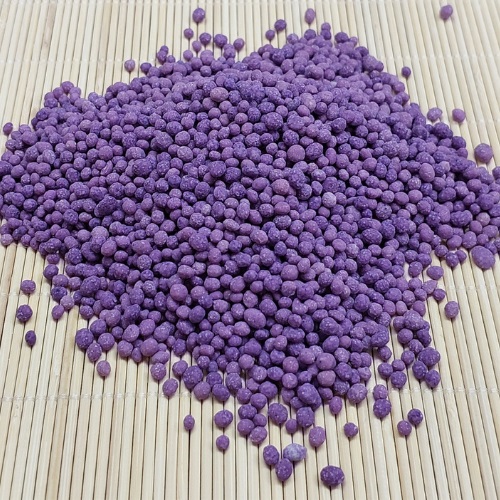
Table of Contents
1. Fruit Cracking: Not Simply Caused by Calcium Deficiency
2. Limitations of Stand-Alone Calcium Fertilizers
3. Calcium-Magnesium Synergy: The Core Advantage of Rongda Calcium Magnesium Granules
4. Supply Difference: Foliar Quick Boost vs Soil Long-Term Feeding
5. Suitable Crops & Best Application Timing
6. Combined Fertilization Plan for Crack Prevention
1. Fruit Cracking: Not Simply Caused by Calcium Deficiency
Most growers assume cracking equals calcium shortage, but that is only part of the story. The imbalance between flesh expansion speed and peel toughness is the fundamental cause of fruit cracking.
Calcium strengthens cell walls and boosts peel toughness, while magnesium guarantees leaf photosynthesis and steady carbohydrate transport to peel and flesh. Magnesium deficiency leads to premature leaf senescence and disrupted nutrient flow. The flesh expands rapidly while the peel cannot keep pace. Even with abundant pure calcium applied, cracking still occurs. Sharp soil moisture swings and soil acidification also block calcium movement and absorption.
2. Limitations of Stand-Alone Calcium Fertilizers
Common single calcium fertilizers such as calcium chloride, calcium nitrate and chelated calcium are mostly designed for foliar spray. First, they supply calcium alone without magnesium synergy. Even if calcium is absorbed, magnesium shortage weakens photosynthesis, so calcium cannot be evenly transported to fruit peel. Calcium accumulates locally instead of improving peel toughness overall. Second, foliar calcium only works for a short period and is easily washed away by rain. During rapid fruit swelling, nutrient supply gaps frequently appear. Third, single calcium fertilizers hardly improve soil conditions. If soil is acidic and root activity is poor, the total calcium taken up remains limited, even with repeated foliar sprays.
3. Calcium-Magnesium Synergy: The Core Advantage of Rongda Calcium Magnesium Granules
Rongda calcium magnesium granules deliver available calcium and magnesium simultaneously. This calcium-magnesium synergy makes crack prevention much steadier.
· Calcium: deposits in the pectin layer of cell walls, reinforcing cell walls and reducing peel brittleness.
· Magnesium: the core element of chlorophyll, keeps leaves functional, stabilizes photosynthate output and balances nutrient distribution to avoid uneven expansion between flesh and peel.
This is more than simple nutrient stacking. Sufficient magnesium promotes calcium translocation inside plants and prevents calcium immobilization. With Rongda calcium magnesium granules, calcium and magnesium are supplied together continuously, avoiding the frustrating situation where calcium exists but cannot be fully utilized. Peel toughness stays balanced for a longer time.
4. Supply Difference: Foliar Quick Boost vs Soil Long-Term Feeding
Standard single calcium fertilizers work fast and suit emergency correction, yet they do not persist and are vulnerable to rainfall wash-off.
Rongda calcium magnesium granules are slow-release basal fertilizers. Once incorporated into soil, nutrients release gradually for continuous root uptake. Calcium and magnesium travel steadily through vascular tissues to fruits across fruit setting and swelling stages. Meanwhile, they gently neutralize soil acidity, revitalize roots and remove barriers for nutrient absorption.
It does not mean calcium magnesium granules can fully replace foliar calcium. Combining long-term basal feeding with foliar calcium sprays at critical swelling stages achieves the best anti-cracking result.
5. Suitable Crops & Best Application Timing
Ideal for crack-sensitive cash crops: citrus, grapes, cherries, pomegranates, jujubes, tomatoes and strawberries.
· Fruit trees: Apply as basal dressing after harvest or before blooming to build up calcium and magnesium reserves ahead of fruit expansion.
· Greenhouse vegetables: Apply during land preparation or before transplanting to prepare nutrients for fruit setting and continuous swelling.
· If basal application is missed, furrow application at early fruit setting works; keep a safe distance from roots to avoid root burn.
6. Combined Fertilization Plan for Crack Prevention
Follow this routine to minimize cracking risk:
· Basal fertilizer: Rongda calcium magnesium granules for long-term nutrition and root care.
· Critical swelling stage: Supplement with chelated calcium foliar spray to rapidly reinforce fruit peel.
· Field management: Stabilize soil moisture and avoid extreme dry-wet alternation; limit excessive nitrogen, which triggers vigorous vegetative growth and worsens cracking.
Rushing calcium sprays only when fruits swell, without magnesium supply and root maintenance, produces unstable results. Unexpected rainfall or temperature shifts can easily trigger cracking.
Conclusion
Single calcium fertilizers can top up calcium quickly, yet they lack magnesium synergy and offer short supply windows, making it hard to sustain stable peel toughness. Thanks to slow release and combined calcium-magnesium nutrition, Rongda calcium magnesium granules support root health and continuous nutrient supply, stabilizing peel strength for reliable crack control.
Fruit crack prevention is long-term work. Pre-season basal nutrient reserve plus foliar calcium at swelling stage, paired with proper water and fertilizer control, greatly cuts cracking rate and delivers intact fruits with higher commercial value.
Related News
- Which Starter Fertilizer Is Safe for Seedlings and Young Transplants?
- Can Calcium Magnesium Granules Be Foliar Sprayed for Magnesium Deficiency Causing Yellow Old Leaves in Fruit Trees?
- When Does Foliar Feeding Beat Soil Application for Crop Nutrition?
- When to Apply Calcium Magnesium Granules for Fast Relief from Blossom-End Rot in Tomatoes
- Why Does Soil pH Decide Which Fertilizer Works Best on Your Field?
- Powder or Liquid? Choosing the Right Water-Soluble Fertilizer Format
Leave me a message
New Products


News Recommendations