
When Does Foliar Feeding Beat Soil Application for Crop Nutrition?
Foliar feeding is the fastest route in agriculture: nutrients land on the leaf and go to work within hours, skipping every centimeter of problematic soil between the bag and the root. Fast, however, is not the same as better - and knowing when the spray wins, and when it merely feels productive, is what separates professionals from spenders.

In this article
What Leaves Can Actually Absorb
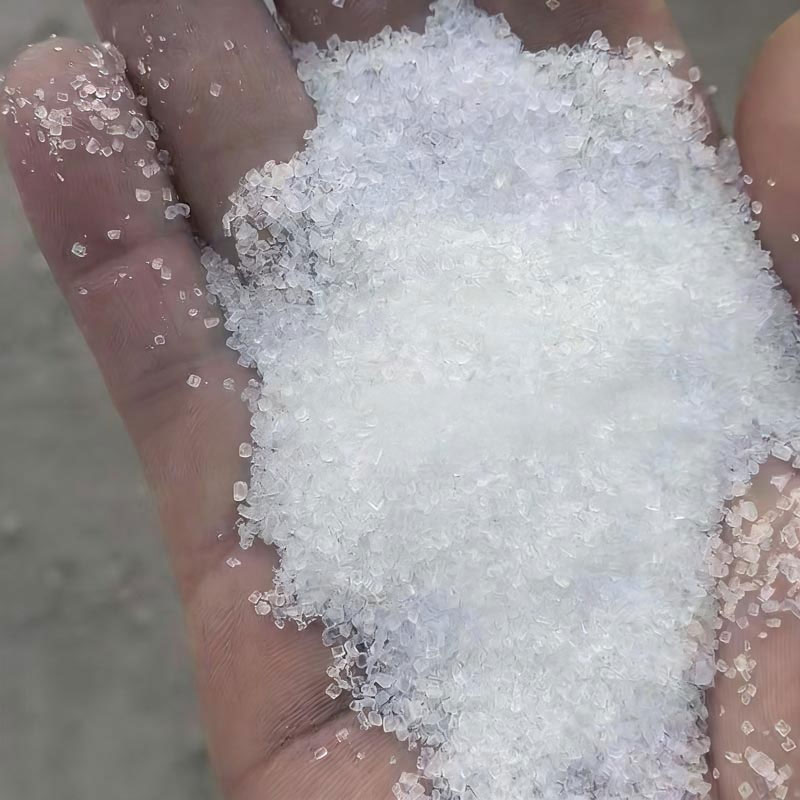
Leaves take in dissolved nutrients through the cuticle and stomata, best at modest concentrations with fine spray coverage. The candidates that perform well: urea at low concentration for a fast nitrogen green-up; fully soluble salts such as magnesium sulfate heptahydrate for magnesium; chelated micronutrients for iron, zinc and manganese. Concentration is the razor edge - a solution strong enough to work quickly is often strong enough to burn.
Where the Spray Wins
Three situations reward foliar feeding immediately:
- Emergency correction. Interveinal yellowing from magnesium shortage, iron chlorosis on calcareous ground: a foliar pass visibly responds within days while soil amendments need weeks.
- Critical stages. Flowering and fruit set, when root supply lags behind demand.
- Blocked soil routes. Cold soils, waterlogged ground, pH extremes that lock nutrients - the leaf goes where the root cannot. Greenhouse and nursery crops with salt-limited root zones belong here too.
Where It Fails
Foliar feeding cannot move tonnage. The nitrogen, phosphorus and potassium for a whole season overwhelm what a leaf can carry without damage - base dressing and top-dressing stay in the ground where they belong. The foliar effect also lasts two to three weeks, so a rescue plan means repeat passes; and spraying in heat wastes product to burn and evaporation - go in the morning, in mild weather, with a fine mist. Use the spray as a scalpel for the micronutrient and magnesium gaps, never as the meal.
If you are looking for a reliable fertilizer supplier that offers consistent quality and professional support, Tianjin Rongda Fertilizer Co., Ltd. is ready to help. Contact us today to learn how our fertilizer solutions can improve your agricultural productivity.
Related News
- Which Starter Fertilizer Is Safe for Seedlings and Young Transplants?
- Can Calcium Magnesium Granules Be Foliar Sprayed for Magnesium Deficiency Causing Yellow Old Leaves in Fruit Trees?
- When to Apply Calcium Magnesium Granules for Fast Relief from Blossom-End Rot in Tomatoes
- Why Does Soil pH Decide Which Fertilizer Works Best on Your Field?
- Why Are Calcium Magnesium Granules More Reliable for Fruit Cracking Prevention Than Single Calcium Fertilizers for Calcium Supplementation?
- Powder or Liquid? Choosing the Right Water-Soluble Fertilizer Format
Leave me a message
New Products
News Recommendations