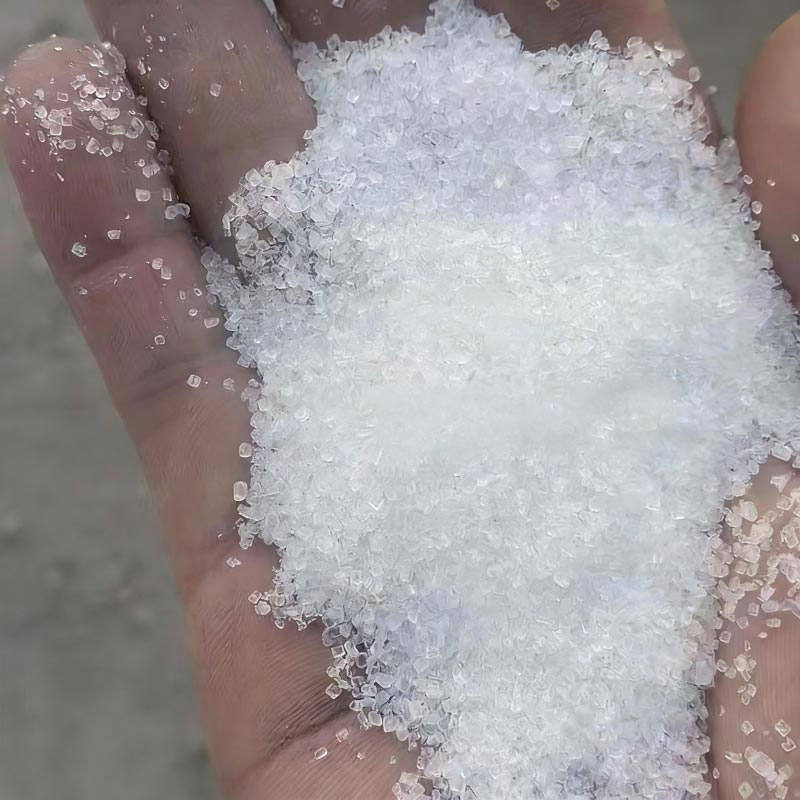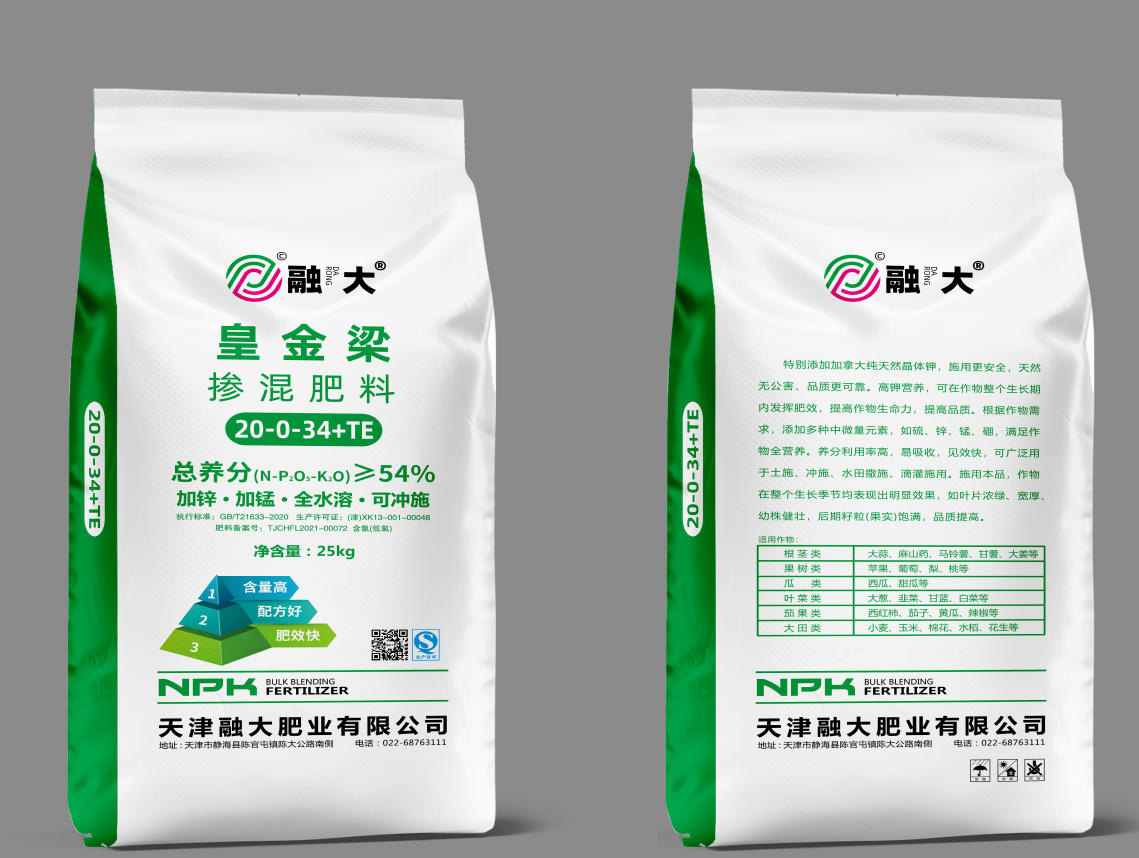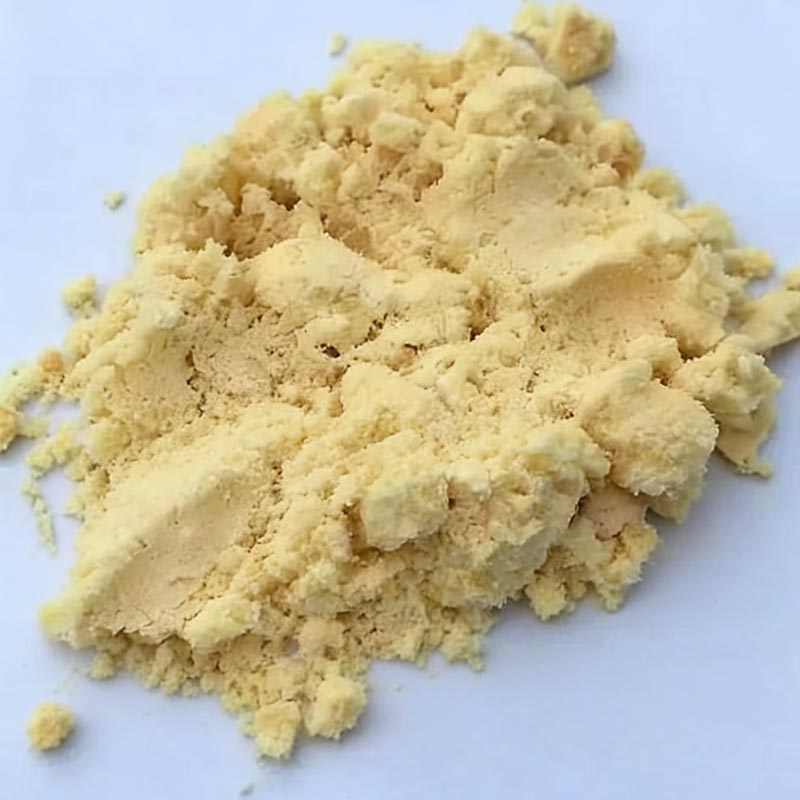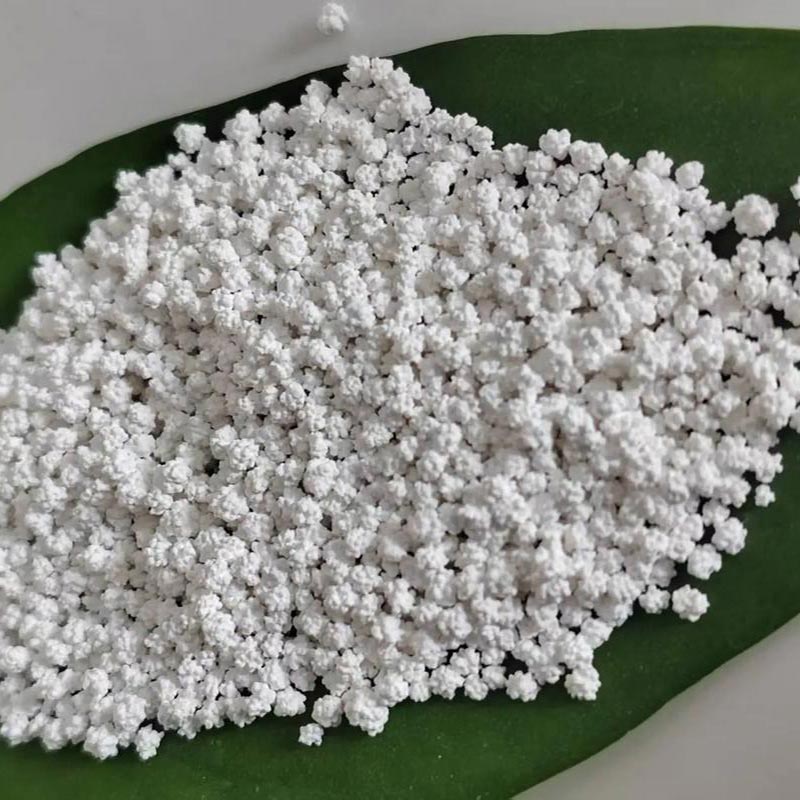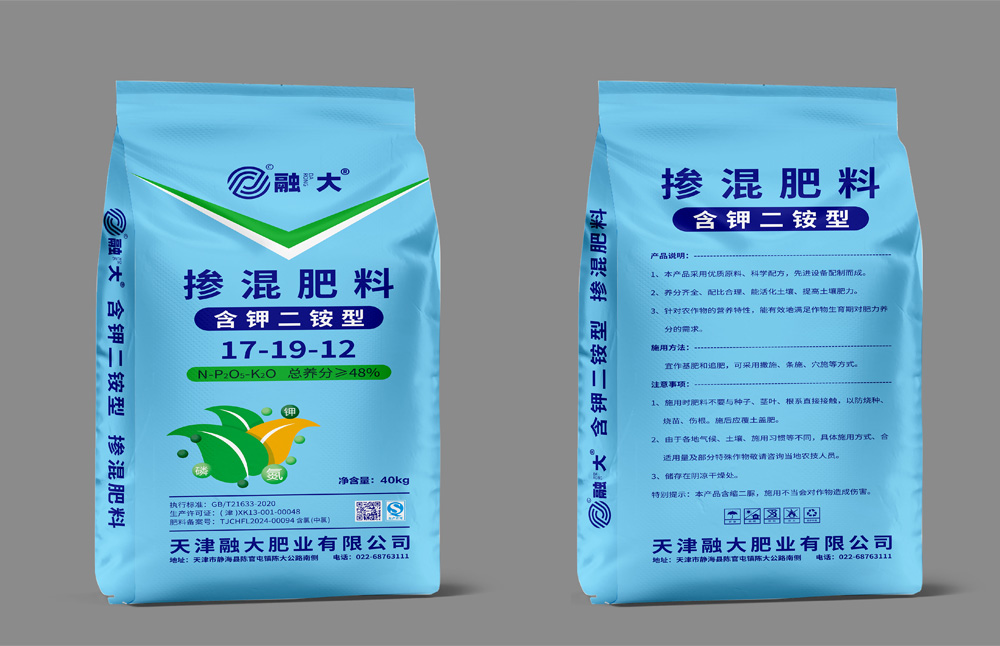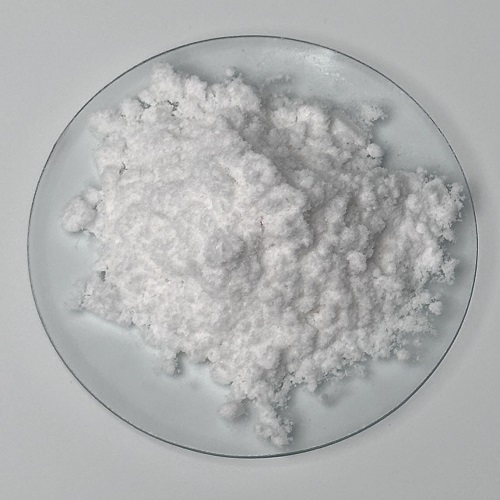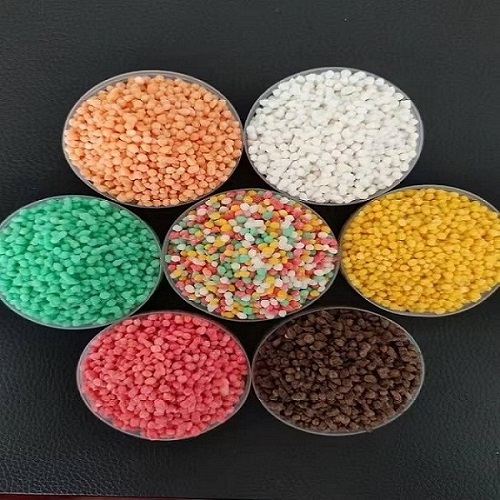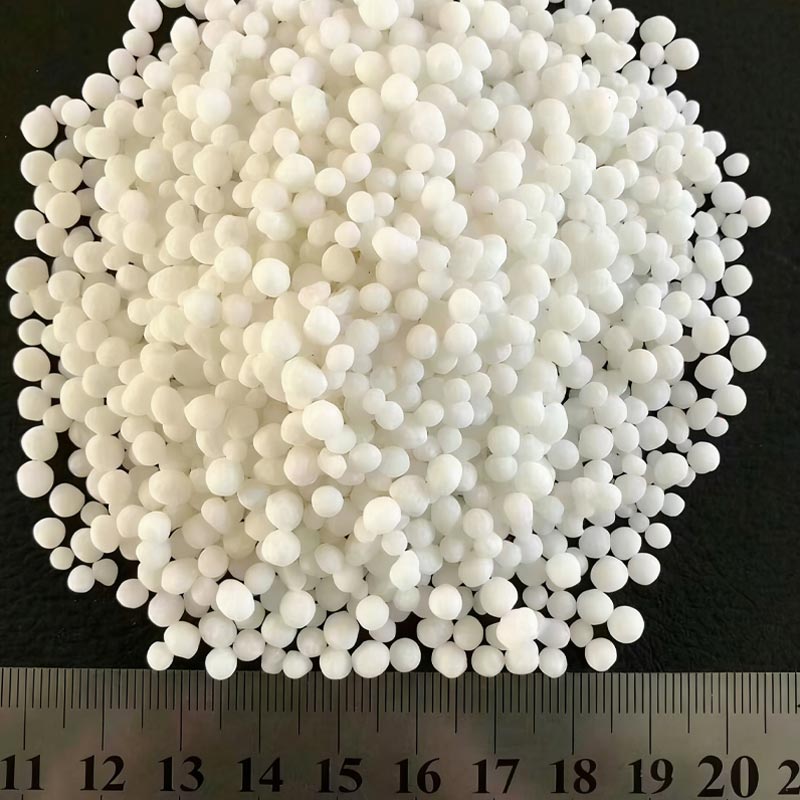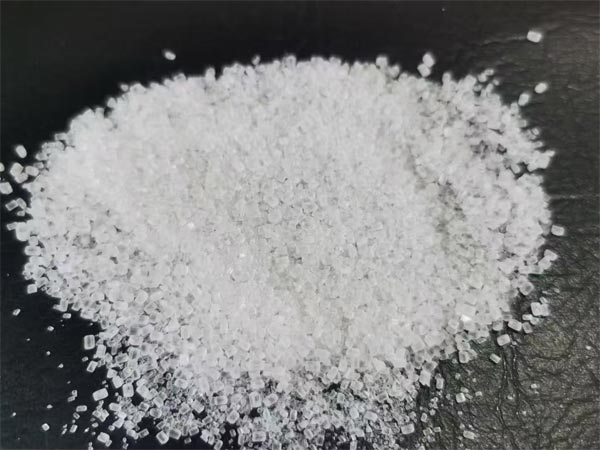

Lime Ammonium Nitrate (LAN) is a versatile fertilizer widely used in modern agriculture to enhance soil quality and maximize crop yields. Combining the benefits of ammonium nitrate and lime, it not only provides essential nitrogen but also helps neutralize soil acidity. In this comprehensive guide, we explore the composition, benefits, application methods, and environmental impact of LAN, with a focus on practical insights for farmers and agronomists. This article is brought to you by RONGDA, a leading fertilizer supplier dedicated to high-quality agricultural solutions.

Table of Contents
Introduction to Lime Ammonium Nitrate
Lime Ammonium Nitrate (LAN) is a high-quality fertilizer that combines the nitrogen-rich benefits of ammonium nitrate with the neutralizing power of lime. It has been used extensively in agriculture to improve both soil fertility and crop productivity. Farmers worldwide prefer LAN because it addresses multiple soil and plant needs simultaneously, reducing the need for multiple inputs and improving cost efficiency.
According to RONGDA Fertilizer, LAN can be applied to a variety of crops including cereals, vegetables, and fruit trees, providing consistent growth and optimal harvest outcomes.
Chemical Composition and Properties of LAN
LAN is a granular fertilizer consisting primarily of:
- Ammonium Nitrate (NH₄NO₃): Provides a readily available source of nitrogen for plant growth.
- Calcium Carbonate (CaCO₃): Acts as a liming agent to neutralize acidic soils.
Typical composition ratios are illustrated in the table below:
| Component | Percentage (%) | Role |
|---|---|---|
| Ammonium Nitrate | 25–27% | Nitrogen source for rapid plant growth |
| Lime (Calcium Carbonate) | 8–10% | Neutralizes soil acidity |
| Other Additives | Trace | Improves granule stability and handling |
The combination of nitrogen and lime in one granule ensures even nutrient distribution and simplified fertilization practices.
How LAN Improves Soil Acidity
Soil acidity is a common problem in many agricultural regions, leading to nutrient deficiencies and poor crop performance. LAN addresses this issue by:
- Raising the soil pH gradually, creating a more favorable environment for nutrient uptake.
- Reducing the toxicity of certain elements such as aluminum and manganese, which can inhibit root growth.
- Enhancing the microbial activity in the soil, improving nutrient cycling and organic matter decomposition.
Studies have shown that regular application of LAN can stabilize soil pH over time, preventing excessive acidity and promoting long-term soil health.
Impact of LAN on Crop Yield
Nitrogen is essential for plant growth, affecting leaf development, photosynthesis, and protein synthesis. By providing a balanced nitrogen source, LAN improves:
- Vegetative growth of crops such as wheat, maize, and rice.
- Flowering and fruit setting in horticultural crops.
- Overall biomass accumulation, translating into higher yields.
Below is a comparison of crop yield results with and without LAN application:
| Crop | Yield without LAN (kg/ha) | Yield with LAN (kg/ha) | Yield Increase (%) |
|---|---|---|---|
| Wheat | 4200 | 5100 | 21% |
| Maize | 5800 | 7000 | 21% |
| Vegetables | 3200 | 3900 | 22% |
Application Methods and Dosage Recommendations
Proper application of LAN is crucial for maximizing its benefits. Recommended practices include:
- Broadcasting evenly across the field before sowing for cereal crops.
- Side-dressing near the root zone for vegetables and fruit trees.
- Incorporating LAN into soil to prevent nitrogen losses through volatilization.
Typical dosage depends on soil fertility and crop requirements. For example:
| Crop Type | Recommended LAN Dosage (kg/ha) |
|---|---|
| Wheat | 150–200 |
| Maize | 200–250 |
| Vegetables | 120–180 |
| Fruit Trees | 100–150 |
Environmental and Safety Considerations
While LAN is generally safe and environmentally friendly, responsible handling is important:
- Store in a cool, dry place to prevent caking and moisture absorption.
- Follow recommended application rates to avoid nitrogen runoff.
- Use personal protective equipment during handling to prevent skin or eye irritation.
- RONGDA emphasizes eco-friendly practices, ensuring LAN production meets environmental standards.
Comparison with Other Fertilizers
Unlike conventional ammonium nitrate, LAN offers dual benefits: nitrogen supplementation and soil liming. Key advantages include:
- Reduces the need for separate lime applications.
- Improves fertilizer use efficiency.
- Supports sustainable farming practices by preventing excessive soil acidification.
The table below highlights differences between LAN and standard ammonium nitrate:
| Feature | Lime Ammonium Nitrate (LAN) | Ammonium Nitrate (AN) |
|---|---|---|
| Nitrogen Content | 25–27% | 33–34% |
| Soil pH Effect | Neutralizes acidity | May increase acidity over time |
| Crop Yield Benefit | High, consistent | Moderate |
| Environmental Impact | Lower risk of acidification | Higher risk of acidification |
Frequently Asked Questions (FAQ)
1. Is Lime Ammonium Nitrate safe for all types of soil?
Yes, LAN can be applied to most soil types, but it is particularly beneficial for acidic soils.
2. How often should LAN be applied?
Typically, LAN is applied once per crop cycle, but high-demand crops may require split applications.
3. Can LAN be combined with other fertilizers?
Yes, LAN can be combined with phosphorus and potassium fertilizers for a balanced nutrient program.
4. Does LAN impact water quality?
If used as recommended, LAN minimizes nitrogen leaching and is safe for water sources.
5. Where can I purchase high-quality LAN?
RONGDA offers premium Lime Ammonium Nitrate that meets international quality standards. Visit RONGDA Fertilizer for more details.
Conclusion
Lime Ammonium Nitrate is a powerful tool for modern agriculture, improving soil health and increasing crop yields simultaneously. With its dual function of providing nitrogen and neutralizing acidity, LAN simplifies fertilization strategies while supporting sustainable farming practices. Farmers seeking consistent, high-quality results should consider RONGDA’s Lime Ammonium Nitrate as a reliable solution. For expert advice and high-quality products, contact us today to enhance your agricultural productivity.